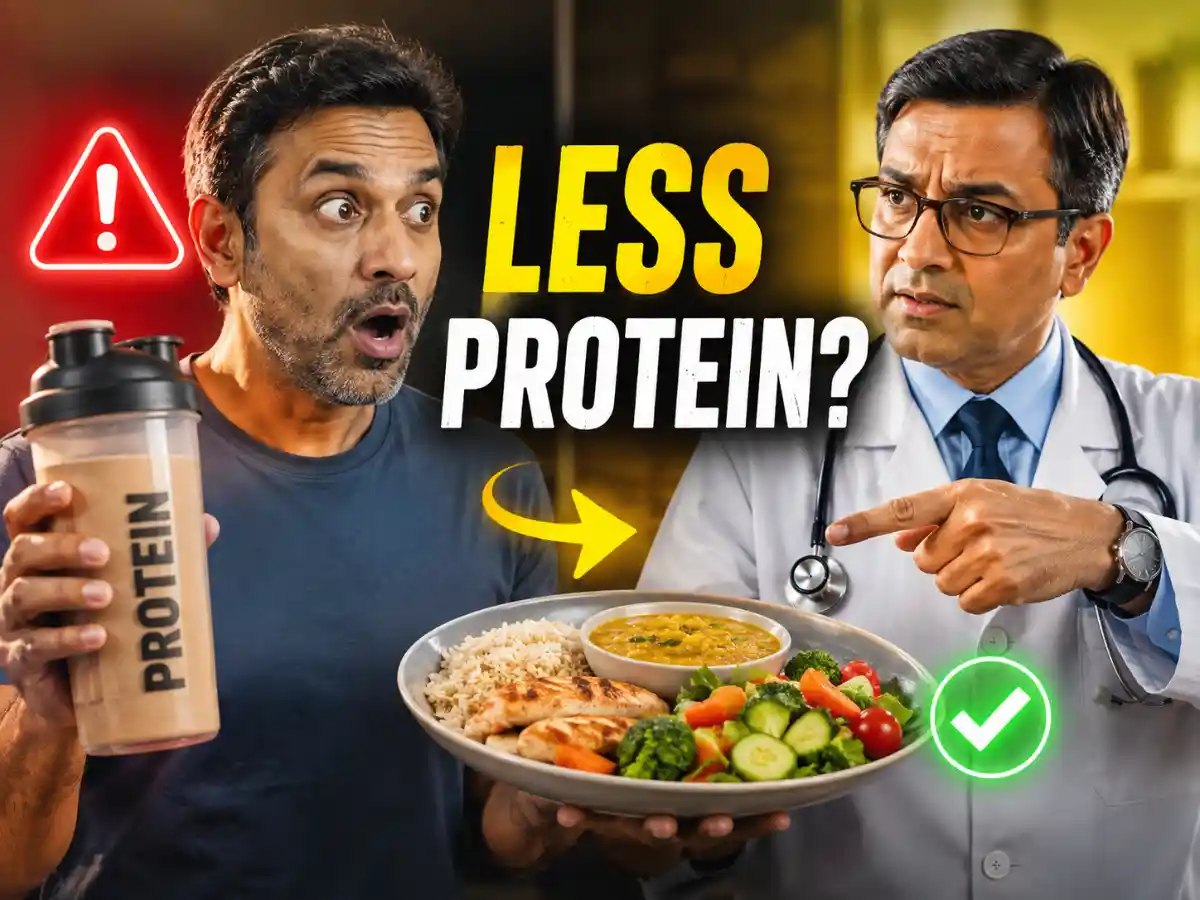
Eating Less Protein Could Be the Key to Healthy Aging for Most Adults, New Research Suggests
For years, many people have believed that eating more protein is always better. Supermarket shelves are filled with protein powders, protein bars, and high-protein snacks promising stronger muscles, faster weight loss, and healthier aging. In my clinical experience as a physiotherapist, I frequently meet middle-aged adults who proudly tell me they have doubled their protein intake without considering whether their bodies actually need it.
But what if “more” isn’t always healthier?
Recent scientific research is challenging one of today’s biggest nutrition trends. Emerging evidence suggests that for many healthy adults—particularly during midlife—a moderate protein intake rather than excessive consumption may support healthier aging and reduce the risk of certain age-related diseases. However, this doesn’t mean everyone should suddenly start avoiding protein. The answer is much more nuanced.
As a rehabilitation specialist, I have learned that successful aging depends on a combination of balanced nutrition, regular physical activity, good sleep, and disease prevention—not on any single nutrient.
📌 Quick Summary
Main Concern: Excessive protein intake may not benefit every adult and could influence long-term metabolic health.
Key Finding: Recent research suggests moderate protein intake may support healthier aging in many middle-aged adults.
Best Approach: Follow an individualized, balanced diet based on age, activity level, medical conditions, and guidance from healthcare professionals.
Prevention Tip: Focus on overall diet quality—including fruits, vegetables, whole grains, legumes, and healthy fats—instead of protein alone.
🔬 Research Highlights
✅ Moderate protein intake may support healthier aging in many middle-aged adults.
🌱 Diets emphasizing plant-based protein sources such as beans, lentils, soy, nuts, and whole grains have been associated with better long-term health outcomes.
💪 Adults aged 65 years and older often require adequate high-quality protein to help maintain muscle mass and reduce the risk of frailty and falls.
🚶 Healthy aging depends on an overall lifestyle—including regular exercise, balanced nutrition, quality sleep, and disease prevention—not protein intake alone.
What Does “Eating Less Protein” Actually Mean?
The phrase “eating less protein” can be misleading.
It does not mean eliminating protein from your meals or following a protein-deficient diet. Protein remains one of the body’s essential nutrients, helping build muscles, repair tissues, produce hormones, maintain immunity, and support recovery after illness or injury.
Instead, recent studies suggest that many adults may benefit from avoiding excessive protein intake, especially when large amounts come from red meat or heavily processed animal sources.
According to current nutrition guidance, most healthy adults meet their daily protein requirements through a balanced diet containing foods such as lentils, beans, milk, curd, eggs, fish, chicken, soy products, nuts, and whole grains.
Healthy aging is influenced by the quality, source, and amount of protein—not simply by consuming as much as possible.

Doctor Explains
One of the biggest misconceptions I encounter in physiotherapy practice is that more protein automatically means stronger muscles.
In reality, muscles respond to a combination of adequate protein, resistance exercise, good sleep, and overall health. Simply increasing protein intake without physical activity rarely produces the results many people expect.
Clinically, I often see patients who spend significant money on supplements while neglecting regular exercise, mobility training, or balanced meals. Others develop unrealistic expectations after watching fitness influencers on social media.
Another misunderstanding is that everyone needs the same amount of protein. This simply isn’t true.
A young athlete, an elderly person recovering from surgery, a patient with chronic kidney disease, and an office worker with minimal physical activity all have very different nutritional needs.
Why This Topic Is Becoming More Important
Modern lifestyles have changed dramatically over the past decade.
Long working hours, work-from-home routines, prolonged sitting, smartphone dependence, poor sleep, chronic stress, and reduced physical activity have increased the risk of obesity, diabetes, heart disease, and metabolic disorders across India.
Many office workers now spend eight to ten hours sitting each day while consuming protein shakes marketed as healthy meal replacements.
Students preparing for competitive exams often rely on packaged high-protein snacks instead of balanced home-cooked meals.
Meanwhile, social media has popularized extremely high-protein diets without explaining that nutritional requirements vary from person to person.
From a rehabilitation perspective, I frequently observe that people focus intensely on protein while overlooking equally important factors such as daily walking, strength training, flexibility exercises, hydration, and adequate recovery.
Hidden Dangers Most People Don’t Realize
Protein itself is not harmful. Problems arise when excessive protein intake replaces other essential nutrients.
Diets that are disproportionately high in protein may reduce the intake of fiber-rich vegetables, fruits, and whole grains. Over time, this dietary imbalance can negatively affect gut health, cholesterol levels, and metabolic function.
Some individuals also consume large quantities of processed meats, which have been associated with an increased risk of cardiovascular disease and certain cancers when eaten regularly over many years.
In rehabilitation settings, maintaining muscle strength involves much more than protein alone. Micronutrients, physical activity, balance training, sleep quality, and inflammation control all influence long-term function and independence.
Healthy aging should therefore focus on the entire lifestyle rather than a single nutrient.
Common Mistakes People Make
One common mistake is assuming that every meal should contain extremely large amounts of protein.
Another is replacing traditional balanced Indian meals with processed protein products because they appear healthier.
Many individuals also begin taking supplements without consulting a qualified healthcare professional or registered dietitian.
In my clinical experience, some patients ignore existing medical conditions such as kidney disease, liver disease, or diabetes before dramatically increasing protein intake. Others rely on advice from social media influencers rather than evidence-based medical guidance.
Perhaps the biggest mistake is believing nutrition alone can prevent aging while ignoring exercise, sleep, stress management, and regular medical check-ups.
Healthy aging has never depended on a single food or supplement.
Recent Research
Recent nutrition research has generated considerable interest by suggesting that moderate protein intake during midlife may support healthier aging for many adults, particularly when protein comes from plant-based sources such as beans, lentils, soy, nuts, and whole grains.
Researchers are increasingly exploring how dietary protein influences biological pathways involved in aging, including insulin-like growth factor-1 (IGF-1) and cellular repair mechanisms. Some studies indicate that very high protein intake—especially from animal sources—may not provide additional longevity benefits for healthy middle-aged adults, whereas balanced dietary patterns rich in plant foods are associated with healthier aging outcomes.
However, the picture changes in later life. Adults over approximately 65 years of age often require relatively higher-quality protein to help preserve muscle mass and reduce the risk of frailty and falls.
This highlights an important message: protein recommendations should be individualized according to age, health status, physical activity, and medical conditions rather than following a one-size-fits-all approach.
Causes and Risk Factors
Healthy aging is influenced by much more than protein intake alone. While nutrition plays a central role, several lifestyle and medical factors determine how the body ages and how efficiently it uses dietary protein.
A major contributor is physical inactivity. Many Indian adults spend long hours sitting at desks, commuting, or working from home. When muscles are not regularly challenged through resistance training or daily movement, simply increasing protein intake does not necessarily translate into stronger muscles.
Age is another important factor. As people grow older, the body’s ability to build and maintain muscle gradually declines—a process known as anabolic resistance. This means older adults often require better-quality protein combined with strength exercises rather than simply consuming larger quantities.
Medical conditions such as diabetes, obesity, chronic kidney disease, liver disease, cancer, or inflammatory disorders can also influence protein requirements. In these situations, dietary recommendations should always be individualized by healthcare professionals.
Indian dietary habits are also changing rapidly. Traditional balanced meals containing dal, vegetables, curd, whole grains, and seasonal fruits are increasingly being replaced by processed convenience foods or excessive protein supplements. This shift may reduce dietary fiber and essential micronutrients, both of which are equally important for healthy aging.
Early Warning Signs
Eating either too little or too much protein over time can contribute to health problems, depending on an individual’s overall diet and medical condition.
Early warning signs may include:
- Persistent fatigue
- Slow recovery after exercise
- Frequent muscle soreness
- Reduced physical performance
- Unexplained weight changes
- Poor appetite
- Digestive discomfort
As problems progress, individuals may notice reduced muscle strength, slower walking speed, decreased balance, and difficulty performing routine activities such as climbing stairs or lifting groceries.
Treatment & Physiotherapy Management
Treatment depends entirely on the underlying cause.
For healthy adults, the emphasis should be on balanced nutrition rather than extreme dietary restriction.
In physiotherapy practice, we focus on preserving muscle function through progressive strengthening exercises, balance training, flexibility exercises, and regular physical activity.
Many patients improve faster when nutritional strategies are combined with structured rehabilitation instead of relying solely on supplements.
Lifestyle recommendations often include:
- Consuming protein from varied sources such as lentils, beans, dairy, eggs, fish, soy, and lean poultry.
- Including plenty of vegetables, fruits, nuts, and whole grains.
- Performing resistance training at least two to three times per week.
- Maintaining a healthy body weight.
- Sleeping seven to eight hours each night.
- Staying physically active throughout the day.
For individuals with kidney disease, liver disease, cancer, or advanced age, dietary protein recommendations should always be personalized.
Recovery expectations vary widely depending on overall health, physical activity, and chronic medical conditions.
Myth vs Fact
| Myth | Fact |
|---|---|
| More protein always means more muscle. | Muscle growth requires exercise, adequate calories, sleep, and balanced nutrition. |
| Everyone needs protein supplements. | Most healthy adults meet protein needs through regular food. |
| High-protein diets are safe for everyone. | Protein needs vary depending on age and medical conditions. |
| Plant protein is inferior. | A varied plant-based diet can provide excellent protein quality. |
| Older adults should drastically reduce protein. | Many older adults actually need adequate high-quality protein to preserve muscle. |
| Protein alone prevents aging. | Healthy aging depends on exercise, nutrition, sleep, stress management, and preventive healthcare. |
Real Patient Scenario
A 46-year-old IT professional visited my clinic complaining of persistent fatigue, mild knee pain, and reduced stamina during his evening walks.
He had started consuming three protein shakes daily after watching online fitness videos but rarely exercised due to his demanding work schedule.
After reviewing his lifestyle, it became clear that the primary issue was prolonged sitting, poor sleep, minimal strength training, and an unbalanced diet—not inadequate protein intake.
Instead of recommending more supplements, we focused on progressive strengthening exercises, regular walking, improved sleep habits, and balanced meals containing natural protein sources.
Within three months, his endurance improved significantly, his knee discomfort reduced, and he no longer felt the need to depend heavily on protein supplements.
This case reinforces an important lesson: healthy aging requires a comprehensive lifestyle approach rather than focusing on a single nutrient.
Expert Clinical Insights
In my clinical experience, many patients believe nutrition supplements can compensate for a sedentary lifestyle.
One surprising pattern I frequently observe is that individuals spend considerable money on expensive protein powders while avoiding regular exercise.
Clinically, patients who combine balanced nutrition with resistance training, mobility exercises, adequate sleep, and stress management generally experience better long-term outcomes than those relying solely on dietary supplements.
Another observation is that fear-driven nutrition advice on social media often creates unnecessary confusion. Evidence-based recommendations remain the safest approach.
👨⚕️ Dr. Shabbir’s Clinical Tip
❌ Instead of asking:
“How much protein should I eat?”
⬇️
✅ Ask yourself:
“Am I exercising enough to use that protein?”
Protein supports muscle health, but exercise is what tells your muscles to use it effectively. Regular strength training, balanced nutrition, quality sleep, and recovery work together to promote healthy aging and maintain muscle mass.
Prevention Strategy
Healthy aging begins with everyday habits rather than dramatic dietary changes.
Aim to consume a balanced diet that includes vegetables, fruits, legumes, dairy or other suitable protein sources, healthy fats, and whole grains. Avoid relying excessively on processed high-protein products.
Regular resistance exercise remains one of the most effective strategies for maintaining muscle mass throughout adulthood.
For office workers, breaking up long periods of sitting with short walking breaks every 30 to 60 minutes can significantly improve overall health.
Students and work-from-home professionals should maintain regular meal timings, avoid excessive processed foods, stay hydrated, and prioritize quality sleep.
Annual health check-ups become increasingly important after the age of 40, especially for individuals with diabetes, hypertension, obesity, or kidney disease.
When to See a Doctor Immediately
Seek urgent medical evaluation if you experience:
- Rapid unexplained weight loss
- Severe muscle weakness
- Persistent vomiting
- Difficulty swallowing
- Blood in urine
- Swelling of the face or legs
- Severe dehydration
- Chest pain
- Sudden confusion
- Difficulty breathing
These symptoms require prompt assessment and should not be attributed solely to dietary protein intake.
🩺 Doctor’s Clinical Insight
In my clinical experience, many adults focus heavily on increasing protein intake while overlooking the two biggest drivers of healthy aging—regular strength training and consistent physical activity. Nutrition works best when it supports movement, not when it replaces it.
Conclusion
Protein remains one of the body’s most important nutrients, but more is not always better.
Emerging research suggests that moderation, individualized nutrition, and overall dietary quality may play a larger role in healthy aging than simply consuming excessive protein.
As a physiotherapist, I have seen that patients who combine balanced nutrition with regular exercise, good sleep, stress management, and preventive healthcare consistently achieve better long-term health outcomes than those chasing nutritional trends.
Instead of asking, “How can I eat more protein?” a better question may be, “How can I improve my overall lifestyle?”
Healthy aging is not built by one nutrient—it is built by consistent daily habits.
✅ Key Takeaways
- Protein is essential, but excessive intake is not beneficial for everyone.
- Balanced nutrition and regular exercise work together to support healthy aging.
- Plant-based protein sources offer important health benefits.
- Older adults may require individualized protein recommendations.
- Avoid following social media diet trends without professional guidance.
- Healthy aging depends on lifelong lifestyle habits—not a single nutrient.
Frequently Asked Questions (FAQs)
1. Is eating less protein healthy for everyone?
No. Protein needs vary by age, activity level, and medical conditions. Individualized advice is important.
2. Should older adults reduce protein intake?
Not necessarily. Many older adults actually need adequate high-quality protein to help preserve muscle mass and reduce frailty.
3. Can too much protein damage the kidneys?
In healthy individuals, moderate protein intake is generally well tolerated. People with chronic kidney disease should follow medical advice regarding protein intake.
4. What are the best protein sources?
Lentils, beans, soy products, dairy, eggs, fish, lean poultry, nuts, and seeds are excellent options.
5. Do I need protein supplements?
Most healthy adults can meet their protein requirements through a balanced diet without supplements.
6. Does eating more protein build muscle automatically?
No. Muscle growth requires resistance exercise, adequate calories, sleep, and recovery.
⚠️ Medical Disclaimer
This article is intended for educational and informational purposes only. It should not be considered a substitute for professional medical advice, diagnosis, or treatment.
Protein requirements vary according to age, body weight, activity level, pregnancy, medical conditions, medications, and overall health. Always consult your physician, registered dietitian, or qualified healthcare professional before making significant dietary changes.
If you experience persistent weakness, unexplained weight loss, difficulty swallowing, kidney disease, liver disease, severe fatigue, or any concerning symptoms, seek prompt medical evaluation.
Physio Talk Official and Dr. SHABBIR HUSSAIN (BPT) encourage evidence-based healthcare and individualized treatment decisions.
References
1. World Health Organization. (2025). Healthy diet. Retrieved from
https://www.who.int/news-room/fact-sheets/detail/healthy-diet
2. National Institutes of Health – Office of Dietary Supplements.
Protein Fact Sheet for Health Professionals.
3.National Institute on Aging.
Healthy Eating As You Age.
https://www.nia.nih.gov/health/healthy-eating

Dr. Shabbir Hussain, BPT Licensed Physiotherapist | Clinical Rehabilitation SpecialistMaharashtra OTPT Council Reg. No. PR-2021/08/PT/009532Society of Onco Physiotherapists Reg. No. SOP/00033/LM
He is a licensed physiotherapist with over 8 years of experience in physiotherapy, kidney rehabilitation, oncological rehabilitation, and lymphedema management. He specializes in balance disorders, pain management, musculoskeletal rehabilitation, strengthening programs, and VR-based rehabilitation.
Dr. Shabbir Hussain (BPT)