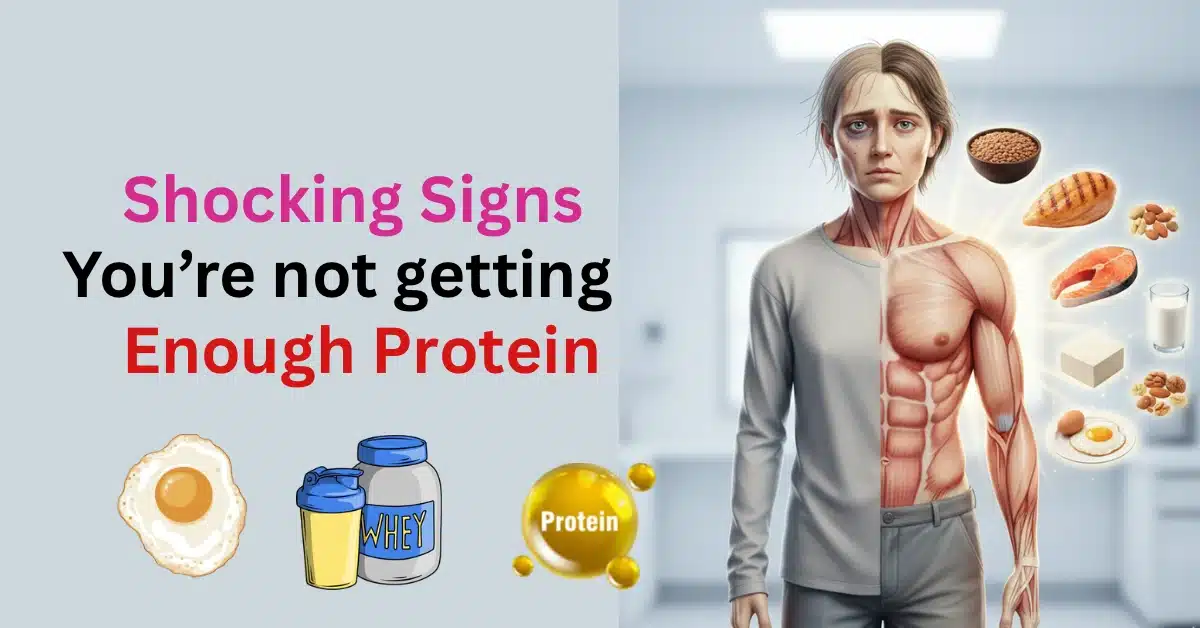
9 Shocking Signs You’re Not Getting Enough Protein — How to Fix It Today – A staggering number of people worldwide suffer from protein deficiency, often without realizing it. Protein is a crucial nutrient for the human body, playing a key role in building and repairing tissues, including muscles, bones, and skin.

The importance of protein cannot be overstated. It helps in producing enzymes, hormones, and other bodily chemicals. A deficiency can lead to a range of health issues, from mild fatigue to severe conditions like muscle wasting.
This article will explore 9 shocking signs that indicate you’re not getting enough protein and provide practical advice on how to fix it today.
Key Takeaways
- Understanding the critical role protein plays in overall health.
- Identifying the signs of protein deficiency.
- Practical tips to increase protein intake.
- The impact of protein deficiency on different age groups.
- How to maintain a balanced diet rich in protein.
Why Protein Matters for Your Health
Protein is essential for various bodily functions, making it a crucial part of a healthy diet. It is a fundamental component that helps in building and repairing tissues, producing enzymes and hormones, and maintaining fluid balance.
The Essential Functions of Protein in Your Body
Protein plays a vital role in numerous bodily functions, including muscle growth and repair, producing enzymes and hormones, and maintaining overall health. It is also necessary for maintaining healthy skin, hair, and nails.
Recommended Protein Intake for Indians
The Recommended Dietary Allowance (RDA) for protein varies based on factors such as age, sex, and activity level. For Indians, the RDA is about 0.8-1 gram of protein per kilogram of body weight per day. Including protein-rich foods like lentils, beans, and nuts in your diet can help meet this requirement.
9 Warning Signs You’re Not Getting Enough Protein
Protein deficiency can manifest in various ways, and recognizing the signs is crucial for maintaining overall health. When you’re not getting enough protein, your body may start to show signs that can range from mild to severe. Understanding these signs can help you take corrective action before the condition worsens.
Physical Energy and Strength Issues
Protein is essential for building and repairing muscles, organs, and tissues in the body. A lack of it can lead to several physical symptoms.
1. Persistent Fatigue and Weakness
Feeling tired and weak all the time can be a sign that you’re not getting enough protein. Protein is vital for producing enzymes, transport proteins, and muscle proteins. Without sufficient protein, your body can’t function optimally. To fix this, include a 20–30 g protein source at breakfast, such as eggs or Greek yogurt.
Why: protein is essential for enzymes, transport proteins and muscle—low intake → low energy and weakness.
Fix: add a 20–30 g protein source at breakfast (eggs, Greek yogurt, protein shake). National Academies+1
2. Muscle Loss or Poor Recovery After Exercise
Protein is crucial for muscle repair and growth. If you’re not consuming enough protein, you might experience muscle loss or find that you’re not recovering well after workouts. Increase your protein intake to support muscle health, aiming for 1.2-1.6 grams of protein per kilogram of body weight daily.
Why: without amino acids, body breaks down muscle for fuel.
Fix: aim for 1.0–1.2 g/kg/day if older or active; include protein within 60 minutes post-workout. ScienceDirect+1
3. Slow Wound Healing
Protein plays a key role in the healing process. It helps in repairing tissues and fighting off infections. If your wounds are taking longer than usual to heal, it might be due to a lack of protein. Boost your protein intake to support the healing process, including protein-rich foods like chicken, fish, or legumes in your diet.
Why: tissue repair requires amino acids (collagen synthesis).
Fix: boost daily protein and include vitamin C + zinc–rich foods to support healing. PubMed Centr

Immunity and Body Maintenance Problems
Apart from physical energy, protein is also vital for maintaining a healthy immune system and overall body maintenance.
4. Frequent Infections and Poor Immunity
Protein is necessary for producing antibodies that help fight off infections. If you’re frequently falling ill, it could be a sign that your immune system is compromised due to insufficient protein intake. Enhance your immunity by consuming protein-rich foods like nuts, seeds, and dairy products.
Why: antibodies and immune cells are protein-based; deficiency impairs immune response.
Fix: prioritize complete proteins (eggs, dairy, poultry, soy/legume combos). PubMed Central
5. Hair, Skin, and Nail Problems
Protein is essential for the health of your hair, skin, and nails. A deficiency can lead to issues like hair loss, brittle nails, or skin problems. To address this, ensure you’re getting enough protein from sources like lean meats, fish, and eggs.
Why: structural proteins (keratin, collagen) need amino acids.
Fix: add varied protein sources and omega-3s; check for deficiencies (biotin, iron). Healthlin
6. Swelling in Hands, Feet, or Ankles
Protein helps maintain fluid balance in the body. Low protein levels can cause swelling in various parts of the body. If you notice unexplained swelling, consider increasing your protein intake to alleviate the issue.
Mental and Metabolic Symptoms
Protein deficiency can also affect your mental health and metabolic rate.
7. Increased Hunger and Cravings
Protein takes longer to digest than carbohydrates, keeping you fuller for longer. If you’re not getting enough protein, you might experience increased hunger and cravings. Include protein-rich snacks like nuts or protein shakes to curb hunger.
Why: protein increases satiety; low protein can cause cravings and overeating of carbs.
Fix: add a protein snack (nuts + Greek yogurt) mid-afternoon to blunt cravings. Eat Right
8. Mood Changes and Brain Fog
Protein is necessary for producing neurotransmitters that regulate mood and cognitive function. A lack of protein can lead to mood swings and brain fog. Support your mental health by consuming protein-rich foods that promote neurotransmitter production.
9. Hormonal Imbalances
Protein is vital for hormone production. Insufficient protein can lead to hormonal imbalances, affecting various bodily functions. Ensure you’re getting enough protein to support hormone production, including foods like lean meats and fish in your diet.
Conclusion: Simple Ways to Boost Your Protein Intake Today
Understanding the importance of protein is crucial for maintaining overall health. As discussed, a lack of sufficient protein can lead to various health issues, including physical energy and strength problems, immunity issues, and mental symptoms.
To boost your protein intake, start by incorporating best high protein foods into your meals, such as lean meats, fish, eggs, dairy, and legumes. For older adults, it’s essential to consume the right amount of protein to prevent muscle loss and maintain strength. Be aware of the signs of malnutrition adults may experience, such as fatigue and weakness, and adjust your diet accordingly.
Determining how much protein per day you need depends on factors like age, weight, and activity level. Generally, the recommended daily intake is about 0.8 grams of protein per kilogram of body weight. You can also consider using protein supplements if you’re struggling to meet your daily needs through food alone.
By making a few simple changes to your diet, you can ensure you’re getting enough protein to support your overall health and well-being.
FAQ
What are the signs of protein deficiency?
Signs of protein deficiency include persistent fatigue and weakness, muscle loss or poor recovery after exercise, slow wound healing, frequent infections, hair, skin, and nail problems, swelling in hands, feet, or ankles, increased hunger and cravings, mood changes and brain fog, and hormonal imbalances.
How much protein should I consume daily?
The recommended daily protein intake varies based on factors such as age, sex, weight, and activity level. Generally, the Recommended Dietary Allowance (RDA) is about 0.8 grams of protein per kilogram of body weight per day for adults. However, athletes or those who are physically active may require more protein.
What are some high protein foods I can include in my diet?
High protein foods include lean meats like chicken, turkey, and fish, eggs, dairy products like milk, cheese, and yogurt, legumes like lentils, chickpeas, and black beans, nuts and seeds like almonds, chia seeds, and hemp seeds, and whole grains like quinoa and farro.
Can I take protein supplements to boost my protein intake?
Yes, protein supplements can be a convenient way to boost your protein intake, especially for those who have busy lifestyles or have trouble consuming enough protein through whole foods. Whey protein, casein protein, and plant-based proteins like pea and rice protein are popular options.
How can I increase my protein intake at breakfast?
To increase your protein intake at breakfast, you can include protein-rich foods like eggs, Greek yogurt, cottage cheese, or a scoop of protein powder in your smoothie. Adding nuts or seeds like almonds or chia seeds can also help boost protein.
Are there any specific protein intake guidelines for older adults?
Yes, older adults may require more protein to maintain muscle mass and overall health. The recommended protein intake for older adults is about 1.0-1.2 grams of protein per kilogram of body weight per day.
Can protein deficiency cause hair loss?
Yes, protein deficiency can cause hair loss as protein is essential for hair growth. Hair is made of a protein called keratin, and a lack of protein can lead to hair loss, brittle hair, or slow hair growth.
references
- Institute of Medicine (US) Committee on Dietary Reference Intakes. (2005). Dietary Reference Intakes for Energy, Carbohydrate, Fiber, Fat, Fatty Acids, Cholesterol, Protein, and Amino Acids (Chapter 10: Protein and Amino Acids). The National Academies Press. https://doi.org/10.17226/10490. Available: https://www.nationalacademies.org/read/10490/chapter/12. National Academies
- World Health Organization / FAO / UNU. (2007). Protein and amino acid requirements in human nutrition: Report of a Joint FAO/WHO/UNU Expert Consultation (WHO Technical Report Series 935). Geneva: WHO. Available: https://iris.who.int/handle/10665/43411. IRIS
- Bauer, J., Biolo, G., Cederholm, T., et al. (2013). Evidence-based recommendations for optimal dietary protein intake in older people: the PROT-AGE Study Group. Clinical Nutrition, 32(4), 459–468. (Recommendations: ~1.0–1.2 g/kg/day for older people). https://doi.org/10.1016/j.clnu.2013.04.007. (Summary: PROT-AGE). ScienceDirect
- Campbell, B., & others. (2007). International Society of Sports Nutrition Position Stand: protein and exercise. Journal of the International Society of Sports Nutrition, 4:8. https://www.ncbi.nlm.nih.gov/pmc/articles/PMC2117006/. PubMed Central
- Sato, H., et al. (2020). Protein deficiency-induced behavioral abnormalities and physiological alterations in aged mice. Frontiers / PMC article. https://www.ncbi.nlm.nih.gov/pmc/articles/PMC7079559/. (Use for immunity/brain/muscle effects). PubMed Central

Dr. Shabbir Hussain, BPT
Registered Physiotherapist | Clinical Rehabilitation Specialist
Maharashtra OTPT Council Reg. No.: PR-2021/08/PT/009532
Society of Onco Physiotherapists Reg. No.: SOP/00033/LM
Dr. Shabbir Hussain, BPT, Registered Physiotherapist with over 8 years of experience in physiotherapy, kidney rehabilitation, oncological rehabilitation, and lymphedema management. He specializes in balance disorders, pain management, musculoskeletal rehabilitation, strengthening programs, and VR-based rehabilitation.