
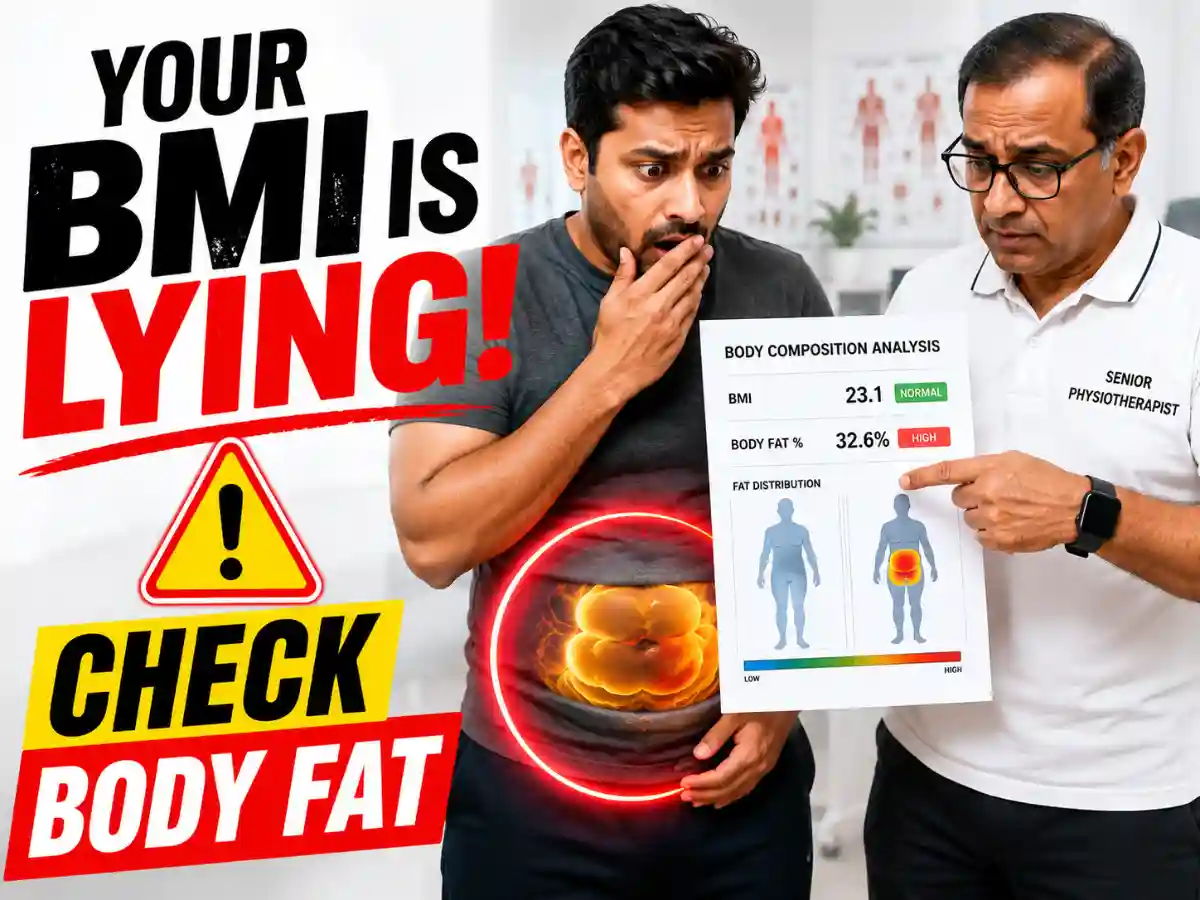
You step on the weighing scale, see a “normal” number, and feel relieved. But what if that number is hiding an important health risk?
One of the biggest mistakes I see in physiotherapy practice is people judging their health only by their body weight. In reality, two people with exactly the same weight can have completely different body fat percentages—and therefore very different health risks.
In my clinical experience as a physiotherapist, many patients are surprised when their body composition reveals excess body fat despite having a normal Body Mass Index (BMI). This condition, often called “normal-weight obesity,” can affect energy levels, joint health, posture, exercise performance, and long-term metabolic health.
A Body Fat Calculator helps estimate the proportion of your body made up of fat tissue. While no online calculator replaces advanced body composition testing, it provides a practical starting point for understanding your health and making informed lifestyle decisions.
💡 Did You Know?
Many people focus only on their weight, but research shows that body fat percentage is often a better indicator of metabolic health. Here are some eye-opening facts:
- 📊 Nearly 1 in 3 adults may have an unhealthy body fat percentage despite having a normal BMI (often called normal-weight obesity).
- ❤️ Excess visceral fat (fat around internal organs) is strongly associated with a higher risk of type 2 diabetes, heart disease, and metabolic syndrome.
- 🪑 Sitting for more than 8 hours a day is linked to poorer metabolic health and gradual increases in body fat—especially when combined with low physical activity.
- 💪 Increasing muscle mass through regular strength training can improve body composition even if your body weight changes very little.
Body Fat Calculator
Your Results
Estimated Body Fat: %
Fat Mass: kg
Lean Body Mass: kg
Category:
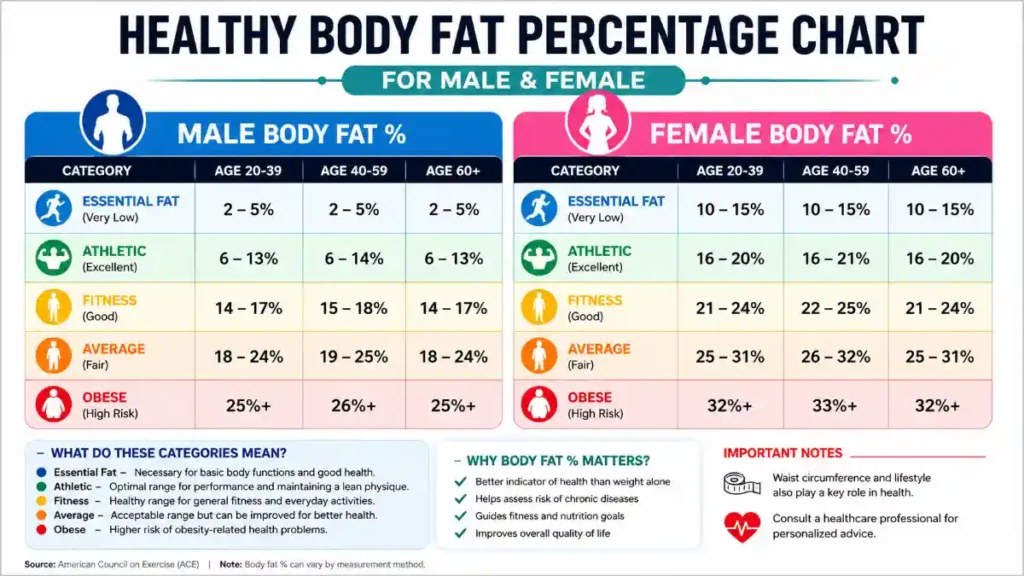
What Is a Body Fat Calculator?
A Body Fat Calculator is a tool that estimates the percentage of fat in your body using measurements such as age, sex, height, weight, waist circumference, neck circumference, and sometimes hip circumference.
Unlike BMI, which only compares weight with height, body fat percentage offers a clearer picture of body composition by distinguishing fat mass from lean muscle.
This distinction is important because muscle, bone, organs, and body fat all contribute differently to overall health. A person with high muscle mass may have a high BMI but a healthy body fat percentage, while another person with a normal BMI may carry excess body fat.
Organizations such as the World Health Organization (WHO) and the National Institutes of Health (NIH) emphasize that body composition is an important component of overall health assessment, especially when evaluating obesity-related risks.
Doctor Explains
Many people believe that looking slim automatically means they are healthy. Unfortunately, that isn't always true.
Personally, I have seen many office workers and college students who appear lean but have poor muscle mass and higher-than-expected body fat. Because they don't consider themselves overweight, they often delay making lifestyle changes.
Another common misunderstanding is that body fat is "bad." In reality, the human body needs essential fat for hormone production, brain function, insulation, and organ protection. Problems begin when body fat accumulates beyond healthy levels, particularly around the abdomen.
Why This Problem Is Becoming More Common
Modern lifestyles have dramatically changed the way our bodies function.
Many Indians now spend eight to ten hours each day sitting at desks, attending online meetings, studying on laptops, or scrolling through smartphones. Daily physical activity has declined, while calorie intake from processed foods has increased.
Work-from-home routines often eliminate walking, stair climbing, and commuting. Students spend long hours preparing for competitive examinations with little physical movement. Long urban commutes leave people mentally exhausted, reducing motivation for exercise.
Clinically, many patients tell me they "don't eat much," yet body composition testing reveals increasing body fat. Often, the issue isn't simply overeating—it is insufficient muscle-building activity combined with prolonged sitting.
Hidden Dangers Most People Don't Realize
Excess body fat is not just about appearance.
Fat stored around internal organs—known as visceral fat—is strongly associated with insulin resistance, cardiovascular disease, fatty liver disease, and metabolic syndrome.
From a rehabilitation perspective, higher body fat also places additional stress on the knees, hips, ankles, and lower back. Many patients seek physiotherapy for persistent knee pain without realizing that excess body fat is contributing to joint overload.
Over time, reduced muscle mass combined with increasing fat can decrease balance, endurance, mobility, and overall quality of life.
Common Mistakes People Make
One common mistake is relying only on the bathroom scale. Weight alone cannot distinguish between muscle and fat.
Another frequent error is following extreme social media diets that promise rapid fat loss. These approaches often reduce muscle mass instead of body fat, making long-term weight management even more difficult.
Many people also avoid strength training because they fear becoming "too muscular." In reality, resistance exercise is one of the most effective ways to improve body composition while supporting healthy joints.
Delaying lifestyle changes until health problems appear is another pattern I frequently observe. Small, consistent improvements are far more sustainable than drastic short-term efforts.
Finally, many individuals perform random online workouts without considering their age, fitness level, or existing medical conditions, increasing the risk of injury rather than improving health.
🔬 Research Highlights
Current scientific evidence supports the importance of improving body composition rather than focusing only on body weight.
WHO Recommendation
Adults should aim for 150–300 minutes of moderate-intensity physical activity every week for better overall health.
Strength Training
Research shows resistance training helps preserve lean muscle mass while reducing body fat, leading to healthier long-term results.
Beyond BMI
Studies indicate that body fat percentage often predicts metabolic health risks better than BMI alone, especially in people with normal body weight.
Causes and Risk Factors
Body fat accumulation usually develops through a combination of biological, lifestyle, and environmental factors rather than a single cause.
Sedentary occupations, prolonged sitting, inadequate sleep, chronic stress, irregular meal timing, highly processed diets, sugary beverages, hormonal disorders, advancing age, and reduced physical activity all contribute to increased body fat.
Indian dietary habits also play a role. Frequent consumption of refined carbohydrates, deep-fried snacks, sweetened beverages, and oversized restaurant portions can gradually increase calorie intake without providing adequate protein.
As people age, muscle mass naturally declines unless regular resistance training is performed. This shift in body composition makes maintaining a healthy body fat percentage increasingly important throughout adulthood.
Early Warning Signs
Body fat often increases gradually, making early changes easy to overlook.
You may notice reduced stamina while climbing stairs, increasing waist circumference despite stable body weight, frequent fatigue, poor exercise tolerance, difficulty fitting into older clothes, or persistent lower back and knee discomfort during daily activities.
🚨 Don't Ignore These Signs
If abdominal fat continues increasing, physical activity becomes progressively difficult, or you develop high blood pressure, elevated blood sugar, breathlessness with minimal activity, or persistent joint pain, seek professional medical evaluation. These may indicate underlying metabolic or cardiovascular risks rather than simple weight gain.
Diagnosis
A Body Fat Calculator is a useful screening tool, but it is not considered the gold standard for measuring body composition. If your calculated body fat percentage is outside the healthy range, it should be interpreted alongside your medical history, lifestyle, waist circumference, BMI, and physical examination.
In clinical practice, healthcare professionals assess body composition using a combination of methods rather than relying on a single number.
Medical Evaluation
Your doctor may ask about:
- Weight changes over the past few years
- Dietary habits
- Physical activity levels
- Family history of obesity, diabetes or heart disease
- Sleep quality
- Medications
- Existing medical conditions such as thyroid disorders or PCOS
Physiotherapy Assessment
As a physiotherapist, I rarely focus only on body weight. Instead, I assess how excess body fat affects movement and daily function.
In my clinical assessment, I commonly evaluate:
- Posture
- Walking pattern (Gait)
- Balance
- Muscle strength
- Joint mobility
- Functional endurance
- Core stability
- Flexibility
- Sit-to-Stand performance
- Stair climbing ability
These assessments provide valuable information about how body composition is influencing mobility and overall health.
Body Composition Tests
If a more accurate measurement is needed, your healthcare provider may recommend:
- Bioelectrical Impedance Analysis (BIA)
- Skinfold thickness measurements
- Dual-energy X-ray Absorptiometry (DEXA) Scan (considered one of the most accurate clinical methods)
- Air displacement plethysmography
- Hydrostatic weighing (mainly research settings)
Is Imaging Required?
Imaging such as X-rays, CT scans, or MRI is not routinely required simply to assess body fat percentage. However, these investigations may be recommended if obesity has contributed to joint damage or other medical complications.
Treatment & Physiotherapy Management
Many people assume the goal is simply to "lose weight." Clinically, the real objective is to reduce excess body fat while preserving or increasing lean muscle mass.
This approach improves long-term health, metabolism, and physical function.
Lifestyle Modification
Healthy body composition starts with sustainable lifestyle habits rather than quick fixes.
A balanced eating pattern rich in vegetables, fruits, whole grains, lean proteins, legumes, nuts, and healthy fats supports gradual fat loss while maintaining muscle.
Crash dieting should be avoided because rapid calorie restriction often results in muscle loss rather than fat loss.
Exercise Rehabilitation
Exercise remains the most effective long-term strategy for improving body composition.
In physiotherapy practice, I usually recommend a combination of:
Resistance Training
Strength training helps preserve muscle while reducing body fat.
Aerobic Exercise
Cardiovascular exercise increases calorie expenditure and improves heart health.
Good options include:
- Brisk walking
- Cycling
- Swimming
- Jogging
- Dancing
- Stair climbing
The World Health Organization recommends at least 150–300 minutes of moderate-intensity physical activity per week for adults.
Recovery Expectations
Many people expect dramatic changes within a few weeks.
Realistically:
- Initial improvements in energy may appear within 2–4 weeks.
- Strength usually improves over 4–8 weeks.
- Noticeable body fat reduction often requires several months of consistent effort.
In my clinical experience, patients who focus on consistency rather than perfection achieve the most sustainable results.
Myth vs Fact
| Myth | Fact |
|---|---|
| BMI tells the whole story. | Body fat percentage provides additional information about body composition. |
| Thin people cannot have excess body fat. | Normal-weight obesity is well recognized in medical research. |
| Fat loss and weight loss are identical. | Weight includes muscle, water, bone, and fat. |
| Spot reduction removes belly fat. | Fat loss occurs throughout the body—not only where you exercise. |
| Cardio alone is enough. | Combining resistance training with aerobic exercise produces better body composition. |
| Rapid dieting is the fastest solution. | Sustainable lifestyle changes produce healthier long-term results. |
My Clinical Tips
Based on my clinical experience as a physiotherapist, these practical habits can help you improve body composition safely and sustainably:
A normal body weight does not always mean a healthy body composition. Monitor body fat percentage and waist circumference as well.
A gradually increasing waist size may indicate excess abdominal fat, even if your weight remains unchanged.
Aim to reduce body fat while preserving or increasing lean muscle mass instead of simply losing weight.
Regular resistance exercises help improve metabolism, support healthy joints, and maintain muscle during fat loss.
Monitor body fat percentage, waist circumference, and strength instead of relying only on the weighing scale.
Small, sustainable improvements in nutrition, physical activity, sleep, and daily movement produce better long-term results than extreme diets.
Real Patient Scenario
A 35-year-old software engineer visited my clinic complaining of persistent knee pain and fatigue during short walks.
His BMI was only slightly elevated, so he believed his weight was "not a problem." However, his estimated body fat percentage was considerably higher than expected, while his muscle strength was below average.
Instead of recommending only pain relief, we developed a rehabilitation program focusing on progressive strengthening, posture correction, walking progression, nutritional counseling, and gradual lifestyle modification.
Over the following months, he reported reduced knee pain, improved stamina, better posture, and greater confidence in daily activities. More importantly, he learned that improving body composition—not simply lowering body weight—was the key to long-term health.
When Should You See a Doctor?
A higher body fat percentage may increase the risk of metabolic and cardiovascular diseases. Seek medical evaluation if you experience any of the following warning signs:
Your waist circumference continues to increase despite maintaining a stable body weight.
Ongoing tiredness, reduced stamina, or difficulty performing everyday activities.
High fasting blood sugar or a recent diagnosis of prediabetes or diabetes.
Repeated blood pressure readings above the normal range.
Chest discomfort, pressure, or pain during activity or at rest requires prompt medical assessment.
Shortness of breath during mild activity or while resting should not be ignored.
Conclusion
A Body Fat Calculator is much more than an online fitness tool—it offers valuable insight into your overall health. Unlike body weight alone, body fat percentage helps reveal how much of your body is made up of fat versus lean tissue, making it a more meaningful indicator of metabolic and physical health.
As a physiotherapist, I have seen many individuals become discouraged by the number on the weighing scale while overlooking the progress they were making in strength, endurance, and body composition. Sustainable improvements come from building healthy habits—not chasing rapid weight loss.
If your body fat percentage is higher than recommended, don't panic. Think of it as an opportunity to make positive changes. Regular physical activity, strength training, balanced nutrition, adequate sleep, and consistency can significantly improve your body composition and reduce your risk of chronic diseases over time.
Remember, the healthiest body is not necessarily the lightest—it is the one that moves well, feels strong, and supports an active, fulfilling life.
✅ Key Takeaways
- Body fat percentage provides a more complete picture of health than body weight or BMI alone.
- Normal-weight individuals can still have excess body fat and increased metabolic health risks.
- Regular strength training combined with aerobic exercise is one of the most effective ways to improve body composition.
- Small lifestyle changes such as walking after meals, increasing protein intake, and reducing sitting time can produce lasting improvements.
- Track your waist circumference and body fat percentage regularly instead of relying only on the weighing scale.
- If your body fat remains high despite lifestyle changes, consult a healthcare professional for further evaluation.
FAQ SECTION
1. What is a healthy body fat percentage?
Healthy body fat percentage varies by age and sex. Generally, adult men have lower healthy body fat ranges than women because women naturally require more essential body fat.
2. Is body fat percentage better than BMI?
Yes. BMI estimates weight relative to height, whereas body fat percentage provides a clearer picture of body composition by distinguishing fat from lean muscle.
3. Can I have normal weight but high body fat?
Yes. This condition is often called normal-weight obesity, where a person has a normal BMI but an unhealthy amount of body fat.
4. How accurate is an online Body Fat Calculator?
It provides an estimate and is useful for screening. For greater accuracy, methods such as DEXA scans or professional body composition analysis are recommended.
5. How can I reduce my body fat naturally?
The most effective approach includes balanced nutrition, regular strength training, aerobic exercise, adequate sleep, stress management, and long-term consistency.
6. Does walking reduce body fat?
Yes. Regular brisk walking helps burn calories and supports fat loss, especially when combined with healthy eating and resistance exercise.
⚕️ Medical Disclaimer
This article is intended for educational and informational purposes only. It should not be considered a substitute for professional medical advice, diagnosis, or treatment.
A Body Fat Calculator provides only an estimate of body composition and should not replace a comprehensive clinical assessment.
If you have persistent health concerns, obesity-related complications, unexplained weight changes, chest pain, breathing difficulty, severe fatigue, or any other concerning symptoms, consult a qualified healthcare professional for individualized evaluation and treatment.
REFERENCES (APA Style)
- World Health Organization. (2024). Obesity and overweight. https://www.who.int/news-room/fact-sheets/detail/obesity-and-overweight
- National Institutes of Health. Body Weight Planner and Healthy Weight Resources. https://www.niddk.nih.gov
- Centers for Disease Control and Prevention. (2024). About Adult BMI. https://www.cdc.gov/bmi/
- American College of Sports Medicine. (2022). ACSM's Guidelines for Exercise Testing and Prescription (11th ed.).
- Heymsfield SB, Lohman TG, Wang Z, Going SB. Human Body Composition (2nd ed.). Human Kinetics.
- National Institute for Health and Care Excellence (NICE). Obesity: Identification, assessment and management. https://www.nice.org.uk
- World Health Organization. Guidelines on Physical Activity and Sedentary Behaviour. https://www.who.int/publications/i/item/9789240015128

Dr. Shabbir Hussain, BPT
Licensed Physiotherapist | Clinical Rehabilitation Specialist
Maharashtra OTPT Council Reg. No.: PR-2021/08/PT/009532
Society of Onco Physiotherapists Reg. No.: SOP/00033/LM
Dr. Shabbir Hussain, BPT, Registered Physiotherapist with over 8 years of experience in physiotherapy, kidney rehabilitation, oncological rehabilitation, and lymphedema management. He specializes in balance disorders, pain management, musculoskeletal rehabilitation, strengthening programs, and VR-based rehabilitation.