Published: July 27, 2026
Last Updated: July 27, 2026
Evidence-Based Review: Reviewed using recommendations from WHO, NIH, National Academies of Medicine and current hydration research.
Reading Time: Approximately 12 minutes
Daily Water Intake Calculator: Are You Really Drinking Enough Water?
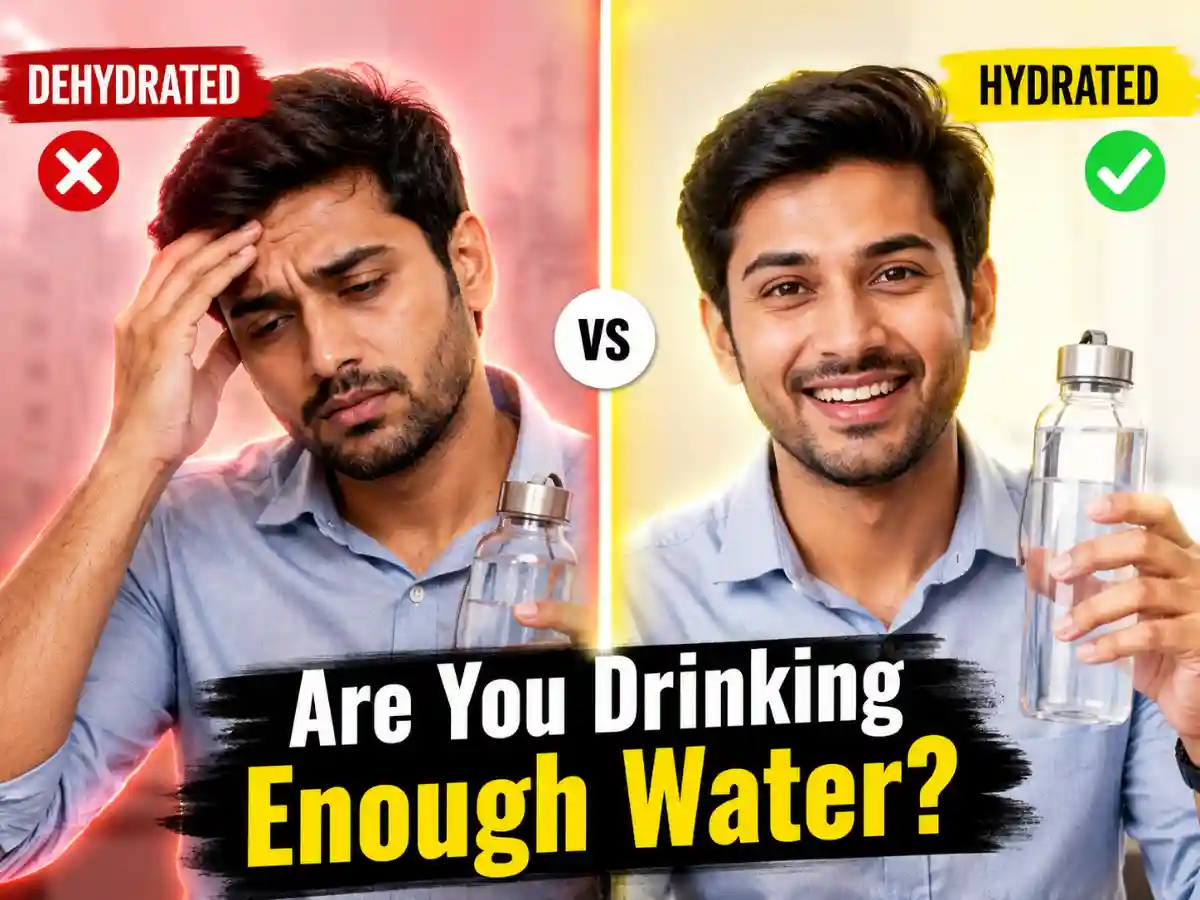
Most people believe that everyone should drink exactly 8 glasses of water every day. Surprisingly, this popular advice isn’t scientifically accurate for everyone.
In my clinical experience as a physiotherapist, I’ve met many patients who complain of fatigue, headaches, muscle cramps, poor concentration, or slower recovery after exercise. Often, they assume these problems are due to stress, age, or lack of sleep. However, one simple factor frequently goes unnoticed—inadequate hydration.
The opposite can also happen. Some health-conscious individuals force themselves to drink excessive amounts of water, believing “more is always better.” Unfortunately, both dehydration and overhydration can negatively affect your body’s normal functioning.
⚡ Quick Summary
Main Risk: Drinking too little—or even too much—water may affect energy, concentration, physical performance and overall health.
Key Symptom: Persistent thirst, dark urine, fatigue, headaches and reduced exercise performance.
Best Solution: Calculate your daily water requirement based on your body weight, activity level and climate instead of following one-size-fits-all advice.
Prevention Tip: Drink water regularly throughout the day and increase intake during exercise, hot weather or illness.
Did You Know?
Even mild dehydration—losing just 1–2% of your body weight through fluid loss—may reduce concentration, memory, mood, alertness, and physical performance. Many people mistake these early signs for stress, fatigue, or lack of sleep without realizing that drinking enough water may help support normal brain and body function.
💧 Daily Water Intake Calculator
Estimate how much water you should drink daily.
Note: This calculator provides an estimate for healthy adults. Pregnant women, breastfeeding mothers, athletes, and people with kidney or heart disease should consult their healthcare provider for individualized advice.
What Is a Daily Water Intake Calculator?
A Daily Water Intake Calculator is an evidence-informed tool designed to estimate how much water your body needs in a typical day.
Unlike the old “8 glasses a day” rule, modern hydration recommendations recognize that water requirements vary considerably between individuals. Factors such as body size, physical activity, weather, diet, pregnancy, breastfeeding, and certain medical conditions all influence daily fluid needs.
Most calculators consider variables including:
- Body weight
- Age
- Sex
- Physical activity level
- Climate or temperature
- Exercise duration
- Special health conditions (when applicable)
The result is an individualized estimate rather than a universal recommendation.
It’s important to remember that this estimate includes fluids obtained from beverages and water-rich foods, not just plain drinking water.
According to international health organizations, healthy hydration supports:
- Normal body temperature regulation
- Blood circulation
- Joint lubrication
- Digestion
- Kidney function
- Brain performance
- Physical endurance
- Muscle recovery
💧 Hydration Facts You Should Know
Research shows that even mild dehydration can affect your physical performance, concentration, and overall health. Here are some evidence-based hydration facts:
~60%
The average adult human body is composed of approximately 60% water, although this varies by age, sex, and body composition.
2% Water Loss
Losing just 2% of body weight through dehydration may reduce exercise performance, concentration, and mental alertness.
Higher Risk
Older adults are at increased risk of dehydration because the sensation of thirst naturally decreases with age.
Hot Weather
Children and physically active adults lose water more quickly in hot weather due to increased sweating and higher metabolic demands.
Why This Problem Is Becoming More Common
Modern lifestyles have quietly changed the way many people consume water.
One common pattern observed in physiotherapy practice is that patients remain seated for long hours, become deeply focused on screens, and simply forget to drink water.
Several lifestyle changes contribute to poor hydration:
Smartphone Dependence
Many people spend hours scrolling through social media, gaming, or watching videos without taking hydration breaks. Unlike outdoor activities, prolonged screen time rarely reminds us to drink water.
Laptop-Based Jobs
Office professionals often prioritize deadlines over their own health. Back-to-back meetings, continuous computer work, and limited movement can result in significantly reduced water intake throughout the day.
Long Daily Commutes
In Indian cities, many commuters intentionally drink less water because they worry about limited restroom access during travel. Over time, this habit may contribute to chronic underhydration.
Sedentary Lifestyle
Physical inactivity reduces natural reminders to hydrate. People who rarely exercise may not notice how little water they actually consume.
Hidden Dangers Most People Don’t Realize
Hydration affects nearly every organ system in the body.
Many people associate dehydration only with extreme heat or sports, but even mild fluid deficits may influence daily performance.
In real rehabilitation settings, I frequently notice that patients recovering from injuries often perform better when hydration is optimized alongside exercise therapy.
Some potential consequences of inadequate hydration include:
Reduced Physical Performance
Even mild dehydration can contribute to early fatigue, decreased endurance, slower recovery after exercise, and reduced exercise tolerance.
Poor Concentration
Many individuals experience difficulty focusing, reduced alertness, headaches, or mental fatigue without recognizing hydration as a contributing factor.
Increased Risk of Kidney Stones
Chronically low fluid intake can increase urine concentration, which may contribute to kidney stone formation in susceptible individuals.
Constipation
Adequate fluid intake supports normal bowel function, particularly when combined with sufficient dietary fiber.
Common Mistakes People Make
One of the most common mistakes is waiting until intense thirst develops before drinking water.
Other frequent hydration mistakes include:
Ignoring early warning signs: Many people dismiss headaches, fatigue, dry mouth, or dizziness as normal tiredness rather than considering hydration.
Following social media challenges: Drinking excessively large amounts of water within a short time simply because it is trending online can be unsafe.
Depending only on tea or coffee: While these beverages contribute to fluid intake, replacing most water with caffeinated drinks is generally not an ideal long-term habit.
Drinking huge amounts at once: Consuming most of your daily water intake in one sitting is less effective than spreading fluids consistently throughout the day.

Recent Research Highlights
Hydration science has evolved considerably over the past decade. Researchers now recognize that there is no universal “one-size-fits-all” water intake recommendation. Your body’s fluid needs depend on body size, physical activity, environmental temperature, diet, health conditions, and even certain medications.
One surprising finding is that losing as little as 1–2% of body weight through dehydration can reduce physical performance, concentration, and cognitive function, particularly during prolonged exercise or hot weather. This may explain why some people feel unusually tired, develop headaches, or struggle to focus despite eating well.
Recent studies have also shown that maintaining adequate hydration supports:
- Better exercise performance
- Improved temperature regulation
- Normal kidney function
- Healthier digestion
- Better mood and mental alertness
- Reduced risk of kidney stone recurrence in susceptible individuals
Clinically, this is something I observe frequently. Patients who improve their hydration habits alongside physiotherapy often report feeling more energetic during rehabilitation sessions and recover more comfortably after exercise.
However, recent research also reminds us that drinking excessive water can be harmful. Overhydration may dilute sodium levels in the blood (hyponatremia), which can become a medical emergency, especially among endurance athletes or individuals who consume very large amounts of water in a short period.
The key message from current evidence is simple:
Healthy hydration is about drinking the right amount—not the maximum amount.
Causes and Risk Factors
Poor hydration rarely has a single cause. Instead, it usually develops because of multiple lifestyle, environmental, and health-related factors working together.
Hot and Humid Climate
India experiences prolonged periods of high temperatures, particularly during summer. Sweating increases fluid loss, making dehydration much more likely if water intake isn’t adjusted accordingly.
Construction workers, traffic police, farmers, delivery personnel, and outdoor laborers often require substantially more fluids than office workers.
Physically Demanding Occupations
Heavy lifting, sports, gym workouts, and manual labor increase water loss through sweat and breathing. Unfortunately, many people don’t replace these losses adequately.
Sedentary Office Lifestyle
Ironically, inactivity can also contribute to poor hydration. Office workers often become so focused on meetings or deadlines that they forget to drink water for several hours.
Early Warning Signs
Your body often provides subtle clues before dehydration becomes severe.
Recognizing these early symptoms can help prevent complications.
Early Symptoms
Initially, you may notice:
- Increased thirst
- Dry mouth
- Dark yellow urine
- Reduced urine output
- Mild headache
- Fatigue
- Difficulty concentrating
- Dry lips
Many people mistakenly attribute these symptoms to lack of sleep or work stress.
Don’t Ignore These Signs
Seek medical evaluation if you experience:
- Persistent vomiting with inability to drink fluids
- Severe diarrhea lasting more than 24 hours
- Blood in urine
- High fever with dehydration
- Confusion or altered consciousness
- Severe dizziness causing falls
- Chest pain
- Difficulty breathing
These symptoms may indicate a condition more serious than simple dehydration.
Treatment & Physiotherapy Management
The treatment depends entirely on the underlying cause and severity of dehydration.
Mild Dehydration
Most healthy adults improve by:
- Drinking water regularly
- Increasing fluids during hot weather
- Consuming fruits and vegetables with high water content
- Reducing sugary beverages
Moderate Dehydration
Oral Rehydration Solution (ORS) may be recommended, particularly after diarrhea or vomiting, to replace both fluids and electrolytes.
Severe Dehydration
Severe dehydration often requires hospital treatment with intravenous (IV) fluids and careful monitoring.
Physiotherapy’s Role
Many people don’t associate hydration with physiotherapy, but it plays an important supporting role.
In my clinical experience, adequate hydration helps patients tolerate rehabilitation sessions more comfortably and may reduce exercise-related fatigue.
Physiotherapy management may include:
Exercise Rehabilitation
Patients recovering from injury or surgery are encouraged to maintain hydration before and after exercise to support safe participation.
Manual Therapy
Hydration does not replace manual therapy, but well-hydrated tissues often tolerate movement and stretching more comfortably.
Strength Training
Exercise programs are progressed gradually while encouraging appropriate fluid replacement during and after activity.
Postural Education
Many office workers spend hours seated without drinking water.
One simple strategy I recommend is pairing hydration with movement:
Drink a glass of water every time you stand up for a short walking break.
This habit supports both hydration and reduced sedentary time.
Myth vs Fact
| Myth | Fact |
|---|---|
| Everyone should drink exactly 8 glasses daily. | Water needs vary depending on body size, activity, climate, age, and health. |
| If you’re thirsty, you’re already perfectly hydrated. | Thirst can be a delayed signal; mild dehydration may already be present. |
| Coffee and tea don’t count as fluids. | They contribute to total fluid intake, though plain water remains the best choice for most people. |
| Clear urine always means perfect hydration. | Very clear urine all the time may indicate excessive water intake in some individuals. |
| More water is always healthier. | Drinking excessive water can lead to dangerous electrolyte imbalances in rare cases. |
| Sports drinks are necessary for everyone. | Most people exercising for short durations only need water; sports drinks are mainly useful during prolonged or intense exercise. |
Real Patient Scenario
A 34-year-old software engineer visited my clinic with complaints of persistent fatigue, neck stiffness, recurring headaches, and reduced productivity at work. He had already undergone eye examinations and changed his office chair, yet his symptoms continued.
During the assessment, I discovered that he spent nearly 10 hours a day at his computer but drank only three small glasses of water because he wanted to avoid frequent restroom breaks.
Along with correcting his workstation ergonomics and prescribing exercises for his neck and upper back, we developed a simple hydration routine. He set reminders to drink water every two hours and carried a one-liter bottle to work.
Within a few weeks, he reported fewer headaches, improved concentration, and better tolerance for his rehabilitation exercises. While hydration wasn’t the only reason for his recovery, addressing it became an important part of his overall rehabilitation plan.
This scenario reflects a pattern I commonly see among office workers across India.
👨⚕️ Doctor’s Clinical Insight
In my clinical experience, many patients believe hydration only matters during summer. However, I frequently see office workers, students, and older adults who remain mildly dehydrated throughout the year because they become absorbed in work or simply ignore thirst. Consistent hydration—not excessive water intake—is one of the easiest habits to support energy, concentration, and physical recovery.
Who Should Avoid Certain Hydration Advice?
While a Daily Water Intake Calculator is helpful for most healthy adults, some individuals should not follow generic hydration recommendations without medical advice.
These include people with:
- Chronic kidney disease
- Heart failure
- Liver cirrhosis with fluid retention
- Hyponatremia (low sodium levels)
- Patients on dialysis
- Individuals taking certain diuretics
- People recovering from major surgery with fluid restrictions
When to See a Doctor Immediately
Although mild dehydration can often be managed at home, certain symptoms require urgent medical attention.
Seek immediate medical care if you experience:
- Confusion or altered mental status
- Persistent vomiting preventing fluid intake
- Severe diarrhea lasting more than 24 hours
- Fainting
- Very little or no urine output
- Blood in urine
- High fever with signs of dehydration
- Chest pain
Conclusion
Hydration is one of the simplest yet most overlooked pillars of good health. A Daily Water Intake Calculator provides a practical estimate based on your body weight, activity level, and lifestyle instead of relying on outdated myths like “everyone needs 8 glasses of water.”
In my clinical experience, patients who combine proper hydration with balanced nutrition, regular physical activity, good sleep, and evidence-based rehabilitation often report better energy levels and improved recovery.
Remember that water needs are personal. Listen to your body, adjust your intake according to the weather and your activity level, and don’t ignore persistent symptoms such as fatigue, dizziness, or dark urine.
Small daily habits can make a meaningful difference over time. Staying consistently hydrated is not about perfection—it’s about building a sustainable routine that supports your long-term health.
✅ Key Takeaways
- Water requirements vary based on body weight, activity level, climate, and overall health.
- A Daily Water Intake Calculator offers a personalized estimate rather than relying on the “8 glasses a day” myth.
- Drink water consistently throughout the day instead of consuming large amounts at once.
- Increase fluid intake during exercise, hot weather, fever, or prolonged outdoor activities.
- People with kidney disease, heart failure, or fluid restrictions should follow medical advice instead of general recommendations.
- Persistent dehydration symptoms require professional medical evaluation.
Frequently Asked Questions (FAQs)
1. How much water should I drink daily?
There is no single amount that suits everyone. Your daily water requirement depends on your body weight, physical activity, climate, diet, and health conditions. A Daily Water Intake Calculator provides a more personalized estimate.
2. Is drinking 8 glasses of water a day enough?
Not necessarily. Some people need less, while others—especially athletes or those living in hot climates—may need significantly more.
3. Can tea and coffee count toward daily fluid intake?
Yes. Tea and coffee contribute to total fluid intake, although plain water should remain your primary source of hydration for most healthy adults.
4. What are the first signs of dehydration?
Common early symptoms include thirst, dark yellow urine, dry mouth, headache, fatigue, and reduced concentration.
5. Can drinking too much water be harmful?
Yes. Excessive water intake over a short period can lead to low blood sodium levels (hyponatremia), which can become a serious medical condition.
⚕️ Medical Disclaimer
This article is intended for educational and informational purposes only and should not be considered a substitute for professional medical advice, diagnosis, or treatment.
Every individual has unique health needs. Fluid requirements may vary depending on age, medical conditions, medications, pregnancy, physical activity, and environmental factors.
If you have persistent symptoms, chronic kidney disease, heart disease, liver disease, or any other significant medical condition, consult a qualified healthcare professional before making major changes to your fluid intake.
References
- World Health Organization. (2023). Healthy hydration and nutrition. https://www.who.int/
- National Institutes of Health, Office of Dietary Supplements. (2024). Water and Hydration. https://ods.od.nih.gov/
- National Academies of Sciences, Engineering, and Medicine. (2005). Dietary Reference Intakes for Water, Potassium, Sodium, Chloride, and Sulfate. https://nap.nationalacademies.org/
- European Food Safety Authority (EFSA). (2010). Scientific Opinion on Dietary Reference Values for Water. https://www.efsa.europa.eu/

Dr. Shabbir Hussain, BPT
Licensed Physiotherapist | Clinical Rehabilitation Specialist
Maharashtra OTPT Council Reg. No.: PR-2021/08/PT/009532
Society of Onco Physiotherapists Reg. No.: SOP/00033/LM
Dr. Shabbir Hussain, BPT, Registered Physiotherapist with over 8 years of experience in physiotherapy, kidney rehabilitation, oncological rehabilitation, and lymphedema management. He specializes in balance disorders, pain management, musculoskeletal rehabilitation, strengthening programs, and VR-based rehabilitation.