🔄 Last Updated: August 1, 2026
🩺 Evidence-Based Review: Medically Reviewed
📖 Reading Time: 9 Minutes
Ideal Weight Calculator: Find Your Healthy Weight Before It Affects Your Health
Introduction
Have you ever stepped on a weighing scale and wondered, “Is this actually the right weight for me?” Surprisingly, many people judge their health only by the number they see. In my clinical experience as a physiotherapist, I frequently meet patients who believe they are healthy simply because they are slim—or assume they are unhealthy because they weigh more than their friends.
The truth is far more complex.
Your ideal weight depends on several factors, including your height, age, sex, body composition, muscle mass, and overall health. Ignoring these factors can lead to unnecessary dieting, nutritional deficiencies, poor fitness, or an increased risk of chronic diseases.
At Physio Talk Official, we believe that understanding your ideal weight is the first step toward better health—not chasing unrealistic numbers influenced by social media.
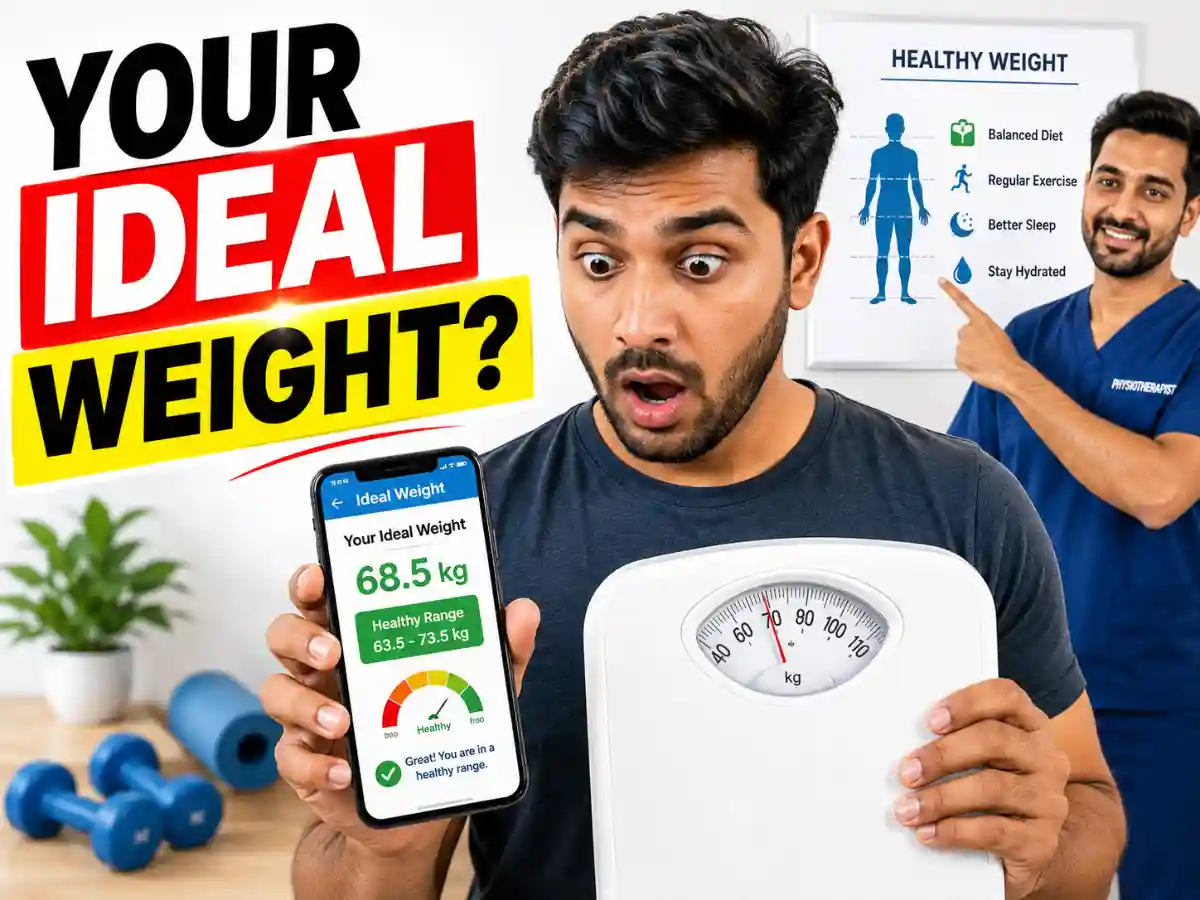
Whether your goal is weight loss, muscle gain, or simply living a healthier life, an Ideal Weight Calculator provides a practical starting point for making informed decisions.
⚡ Quick Summary
⚠ Main Risk: Being significantly underweight or overweight increases the risk of diabetes, heart disease, joint pain, poor mobility, and nutritional deficiencies.
📍 Key Indicator: Weight outside the recommended range for your height.
✅ Best Solution: Use an evidence-based Ideal Weight Calculator along with professional health assessment.
💡 Prevention Tip: Combine regular exercise, balanced nutrition, quality sleep, and routine health check-ups to maintain a healthy weight.
📊 Did You Know?
- Over 1 billion adults worldwide live with overweight or obesity.
- Maintaining a healthy weight lowers the risk of diabetes and heart disease.
- Even losing 5–10% of body weight can improve health outcomes.
⚖️ Ideal Weight Calculator
🎯 Ideal Weight Risk Guide
🟢 Healthy
Your weight is within the recommended range. Continue regular exercise, balanced nutrition, and healthy lifestyle habits.
🟡 Slightly Above
Your weight is mildly above the ideal range. Small lifestyle changes can help prevent future health problems.
🟠 Moderately High
Your weight may increase the risk of joint pain, diabetes, and cardiovascular disease. Consider a structured fitness plan.
🔴 High Risk
Your weight is significantly above the recommended range. Consult a healthcare professional for a personalized assessment.
Calculator Accuracy & Trust
Designed using an evidence-based formula and reviewed for educational health guidance.
Uses the Devine Formula
Ideal Body Weight is estimated using the widely recognized Devine Formula, commonly used in clinical settings.
Evidence-Based
Content is supported by established medical guidelines and reputable health organizations.
Educational Tool
Intended to help users understand healthy weight ranges and support informed health decisions.
Medical Review Completed
Reviewed by a licensed physiotherapist to improve accuracy, readability, and clinical relevance.
👥 Who Should Use This Calculator?
Whether you’re trying to maintain, lose, or gain weight, this calculator provides a useful starting point for understanding your healthy weight range.
Adults
Check whether your current weight falls within the recommended healthy range for your height.
Teenagers
Useful for general awareness, but results should always be interpreted with guidance from a healthcare professional.
Fitness Enthusiasts
Compare your weight with ideal estimates while also considering muscle mass and body composition.
Physiotherapy Patients
Monitor weight as part of rehabilitation, mobility improvement, and recovery planning.
Weight-Loss Programs
Set realistic goals and track healthy progress instead of focusing on rapid weight loss.
Preventive Health Checkups
Identify potential weight-related health risks early and adopt healthier lifestyle habits.
What Is an Ideal Weight Calculator?
An Ideal Weight Calculator is a health assessment tool that estimates the weight range considered healthiest for an individual based on scientific formulas and anthropometric measurements, primarily height and sex.
Unlike simply looking at your current weight, this calculator compares your measurements with established medical standards to estimate where your body weight ideally falls.
Different formulas have been developed over decades, including:
- Devine Formula
- Robinson Formula
- Miller Formula
- Hamwi Formula
Many modern calculators also consider:
- Body Mass Index (BMI)
- Waist circumference
- Body fat percentage
- Muscle mass
- Lifestyle and physical activity
According to organizations such as the World Health Organization (WHO) and the National Institutes of Health (NIH), maintaining a healthy weight significantly lowers the risk of conditions such as:
- Type 2 diabetes
- High blood pressure
- Heart disease
- Stroke
- Osteoarthritis
- Sleep apnea
- Certain cancers
However, ideal weight should never be interpreted as a single “perfect” number. Instead, it represents a healthy range that supports long-term well-being.
Doctor Explains
One of the biggest misconceptions I encounter in physiotherapy practice is that lighter always means healthier.
That simply isn’t true.
Personally, I have seen many patients who were underweight but suffered from poor muscle strength, fatigue, low endurance, and recurrent injuries. On the other hand, I have also treated athletes whose BMI classified them as overweight despite having excellent cardiovascular fitness and high muscle mass.
Another common misunderstanding is relying only on social media transformation videos. Many people compare themselves with influencers without considering genetics, muscle distribution, bone structure, or medical conditions.
Clinically, weight should always be interpreted alongside physical performance, nutrition, mobility, and overall health—not in isolation.
An Ideal Weight Calculator is best viewed as a guide rather than a diagnosis. If your calculated weight falls outside the recommended range, it is an opportunity to evaluate your lifestyle rather than panic.
Early awareness often leads to better long-term outcomes because small lifestyle changes are easier to maintain than drastic weight-loss attempts later.
Why Is Maintaining an Ideal Weight Becoming More Important Today?
Over the past decade, lifestyle changes have dramatically altered how our bodies function.
Many Indians now spend long hours sitting at desks, commuting in traffic, attending online classes, or working from home. Daily movement has decreased while calorie intake has often increased.
One common pattern observed in physiotherapy practice is that patients with desk jobs frequently report back pain, neck stiffness, knee discomfort, and reduced stamina—even when they are relatively young.
Smartphone usage has also contributed to a more sedentary lifestyle. Instead of walking outdoors or participating in sports, many people now spend several hours each day sitting with poor posture.
Students face similar challenges. Extended study hours, online coaching, gaming, and reduced physical activity contribute to unhealthy weight changes during adolescence and early adulthood.
In real rehabilitation settings, excess body weight often slows recovery from knee injuries, low back pain, ligament injuries, and joint replacements. Likewise, being significantly underweight can delay healing due to reduced muscle mass and inadequate nutrition.
Hidden Dangers Most People Don’t Realize
Many people only become concerned about their weight after visible changes occur. Unfortunately, the body often undergoes silent changes long before symptoms appear.
Being overweight can gradually increase stress on the knees, hips, ankles, and spine. Even a modest increase in body weight can place significantly greater mechanical load on weight-bearing joints during walking or climbing stairs. Over time, this may contribute to osteoarthritis, chronic low back pain, plantar fasciitis, and reduced mobility.
Conversely, being underweight carries its own risks. In my clinical experience, patients with low body weight often have reduced muscle strength, poorer balance, slower recovery after injury, and a higher likelihood of fatigue during rehabilitation exercises.
Another hidden danger is the loss of muscle mass despite maintaining a “normal” weight—a condition sometimes referred to as normal-weight obesity. These individuals may appear healthy externally but have excess body fat and reduced lean muscle, increasing their risk of metabolic disorders.
Common Mistakes People Make
One of the biggest mistakes is assuming that crash diets are the fastest way to achieve an ideal weight. While rapid weight loss may reduce the number on the scale, it often leads to muscle loss, nutritional deficiencies, and weight regain.
Another frequent error is relying solely on social media advice. Trending diets, detox drinks, or “fat-burning” supplements are rarely tailored to an individual’s medical condition, activity level, or nutritional needs.
Many people also ignore early warning signs such as increasing waist circumference, declining stamina, or unexplained fatigue because their overall weight seems “normal.”
Self-medicating with over-the-counter weight-loss products or skipping meals without professional guidance can further disrupt metabolism and overall health.
Finally, incorrect exercise techniques remain a common issue. In physiotherapy practice, I often see patients performing high-impact workouts despite poor joint mechanics or existing injuries, which can worsen pain rather than improve fitness.
Achieving and maintaining an ideal weight is not about quick fixes—it requires sustainable lifestyle habits, balanced nutrition, regular physical activity, and, when necessary, guidance from qualified healthcare professionals.
Causes and Risk Factors
Your ideal weight is influenced by much more than calories alone. In clinical practice, I often explain to patients that weight is the result of a combination of genetics, metabolism, hormones, physical activity, nutrition, sleep, and medical conditions.
A sedentary lifestyle is one of the biggest contributors. Sitting for long hours at work, studying, driving, or using smartphones significantly reduces daily energy expenditure. Over months and years, even a small calorie surplus can lead to gradual weight gain.
Dietary habits also play a major role. Frequent consumption of processed foods, sugary beverages, deep-fried snacks, and oversized portions has become increasingly common in urban India. These foods are often high in calories but low in essential nutrients.
Certain medical conditions can also affect body weight. Thyroid disorders, polycystic ovary syndrome (PCOS), diabetes, chronic kidney disease, liver disease, depression, and some medications may contribute to either weight gain or weight loss.
Age is another important factor. As people grow older, muscle mass naturally declines while body fat tends to increase unless regular strength training and adequate protein intake are maintained. This change can slow metabolism and make weight management more challenging.
Early Warning Signs
Your body often gives subtle signals before weight-related health problems become serious.
Early signs may include:
- Clothes fitting tighter or becoming loose unexpectedly
- Reduced stamina during daily activities
- Mild breathlessness while climbing stairs
- Frequent fatigue
- Difficulty maintaining physical activity
- Reduced flexibility
- Mild knee or back discomfort
As weight-related issues progress, people may notice:
- Persistent joint pain
- Poor balance
- Sleep disturbances
- Increased waist circumference
- Elevated blood pressure
- Reduced exercise tolerance
In advanced stages, excess or inadequate body weight may contribute to chronic diseases, reduced independence, and slower recovery from illness or injury.
Don’t Ignore These Signs
Seek medical evaluation if you notice:
- Rapid unexplained weight gain or loss
- Persistent fatigue lasting several weeks
- Shortness of breath with minimal activity
- Swelling in the legs
- Frequent falls
- Severe muscle weakness
- Loss of appetite without explanation
- Sudden reduction in physical performance
These symptoms may indicate an underlying medical condition rather than a simple weight issue.
Diagnosis
An Ideal Weight Calculator provides an estimate—but it does not replace a professional assessment.
Healthcare providers usually evaluate weight using several tools together.
A medical evaluation begins with your height, weight, medical history, lifestyle, medications, dietary habits, and family history.
Physiotherapists also perform a functional assessment that may include:
- Walking analysis
- Balance assessment
- Muscle strength testing
- Joint mobility
- Functional movement screening
- Posture evaluation
Additional measurements may include:
- Body Mass Index (BMI)
- Waist circumference
- Waist-to-height ratio
- Body fat percentage
- Muscle mass analysis
If an underlying disease is suspected, your doctor may recommend blood investigations such as thyroid function tests, blood sugar, lipid profile, vitamin deficiencies, liver function tests, or kidney function tests.
There is no single “gold-standard” test for ideal weight. Instead, healthcare professionals combine multiple measurements to understand overall health.
Treatment & Physiotherapy Management
The goal is not simply losing or gaining weight—it is improving overall health and physical function.
Treatment begins with identifying the underlying cause.
For overweight individuals, evidence-based management usually includes gradual weight reduction through balanced nutrition, increased physical activity, and sustainable lifestyle modifications.
For underweight individuals, the focus shifts toward improving nutrition, increasing muscle mass, and addressing any medical conditions contributing to weight loss.
Role of Physiotherapy
Physiotherapy plays a significant role in healthy weight management.
Rather than encouraging extreme exercise, physiotherapists design individualized programs based on mobility, pain levels, fitness, and medical history.
Treatment may include:
- Progressive strengthening exercises
- Walking programs
- Low-impact aerobic exercise
- Flexibility training
- Core stability exercises
- Functional movement retraining
- Balance training
For individuals with obesity and joint pain, water-based exercises or cycling may reduce stress on the knees while improving cardiovascular fitness.
Patients recovering from surgery or injury often require carefully supervised rehabilitation before beginning higher-intensity exercise.
Myth vs Fact
| Myth | Fact |
|---|---|
| Everyone should have the same ideal weight. | Ideal weight varies depending on height, sex, body composition, and health status. |
| BMI alone determines health. | BMI is useful but should be combined with other assessments. |
| Thin people are always healthy. | Many underweight individuals have poor muscle strength and nutritional deficiencies. |
| Losing weight quickly is better. | Gradual weight loss is safer and more sustainable. |
| Exercise alone is enough. | Nutrition, sleep, stress management, and physical activity all matter. |
| Weight-loss supplements are harmless. | Many products lack strong scientific evidence and may have side effects. |
Real Patient Story
A 36-year-old software engineer visited my clinic with persistent knee pain that had gradually worsened over the previous year.
He believed the problem was simply “getting older.”
After assessment, we discovered he had gained nearly 14 kilograms since starting work from home during the pandemic. His quadriceps muscles had become weak, his posture had deteriorated, and he had significantly reduced daily physical activity.
Instead of recommending aggressive workouts, we developed a structured rehabilitation program including strengthening exercises, walking progression, posture correction, and gradual weight reduction.
Within four months, his knee pain decreased substantially, his endurance improved, and everyday activities such as climbing stairs became much easier.
This case illustrates that improving physical function often matters more than focusing solely on the number displayed on the weighing scale.
Expert Clinical Insights
Over the past several years of physiotherapy practice, one observation has remained remarkably consistent.
People usually seek help only after pain begins interfering with daily life.
Many patients delay lifestyle changes because weight gain occurs slowly. Since the increase is gradual, they often adapt without realizing how much strength, endurance, and mobility they have lost.
One surprising pattern I frequently observe is that patients become far more motivated after experiencing improvements in movement rather than changes in appearance.
Clinically, better posture, stronger muscles, reduced pain, improved balance, and increased confidence often occur before significant weight changes become visible.
This is why rehabilitation should focus on health—not simply aesthetics.
When Should You See a Doctor Immediately?
Although weight management is usually not an emergency, certain symptoms require prompt medical attention.
Seek immediate medical evaluation if you experience:
- Rapid unexplained weight loss
- Rapid unexplained weight gain with swelling
- Chest pain during physical activity
- Severe shortness of breath
- Fainting episodes
- Blood in stool or persistent vomiting
- Persistent fever with weight loss
📈 Your Journey to Better Health
Conclusion
Your weight is far more than a number on a weighing scale—it reflects your overall health, mobility, nutrition, and physical function.
An Ideal Weight Calculator is an excellent starting point for understanding where you stand, but it should never be viewed as the final answer. True health depends on body composition, muscle strength, physical activity, lifestyle habits, and underlying medical conditions.
In my clinical experience, patients who focus on sustainable habits—regular exercise, balanced nutrition, quality sleep, and gradual lifestyle changes—consistently achieve better long-term outcomes than those searching for quick fixes.
Remember, your goal shouldn’t be to look like someone else. It should be to become the healthiest version of yourself.
Small changes made today can protect your joints, improve your energy, reduce your disease risk, and enhance your quality of life for years to come.
✅ Key Takeaways
- Know your ideal weight, but don’t rely on one number alone.
- Body composition and muscle strength are just as important as body weight.
- Avoid crash diets and unrealistic social media trends.
- Regular physical activity and balanced nutrition provide lasting results.
- Seek professional advice if you experience unexplained weight changes or persistent health symptoms.
- Healthy habits are more effective than quick fixes for long-term wellness.
Frequently Asked Questions (FAQs)
1. What is an ideal weight calculator?
It is a tool that estimates a healthy weight range based on your height, sex, and established medical formulas.
2. Is BMI the same as an ideal weight calculator?
No. BMI assesses weight relative to height, while ideal weight calculators estimate a recommended healthy weight range using different formulas.
3. Can athletes have a higher weight and still be healthy?
Yes. Athletes often have greater muscle mass, which can increase body weight without increasing health risks.
4. How often should I check my ideal weight?
Checking every few months is usually sufficient unless your doctor recommends more frequent monitoring.
5. Does age affect ideal weight?
Yes. Aging influences muscle mass, metabolism, and body composition, which should be considered during health assessments.
6. Can I rely only on an online ideal weight calculator?
No. It is a helpful screening tool, but it does not replace professional medical or physiotherapy evaluation.
⚠️ Medical Disclaimer
This article is intended for educational and public health awareness purposes only. It should not be considered a substitute for professional medical advice, diagnosis, or treatment.
An Ideal Weight Calculator provides an estimate based on scientific formulas but cannot assess your complete health status, body composition, medical conditions, or nutritional needs.
Always consult a qualified healthcare professional, physician, dietitian, or physiotherapist before making significant changes to your diet, exercise routine, or weight management plan. Individual recommendations require a comprehensive medical assessment.
References
- World Health Organization. (2024). Obesity and overweight. https://www.who.int/news-room/fact-sheets/detail/obesity-and-overweight
- National Institutes of Health. Aim for a Healthy Weight. https://www.nhlbi.nih.gov/health/educational/lose_wt/
- Centers for Disease Control and Prevention. Healthy Weight, Nutrition, and Physical Activity. https://www.cdc.gov/healthyweight/
- Jensen, M. D., et al. (2014). 2013 AHA/ACC/TOS Guideline for the Management of Overweight and Obesity in Adults. Journal of the American College of Cardiology. https://pubmed.ncbi.nlm.nih.gov/24239920/
- National Institute for Health and Care Excellence (NICE). Obesity: identification, assessment and management. https://www.nice.org.uk/guidance/cg189

Dr. Shabbir Hussain, BPT
Licensed Physiotherapist | Clinical Rehabilitation Specialist
Maharashtra OTPT Council Reg. No.: PR-2021/08/PT/009532
Society of Onco Physiotherapists Reg. No.: SOP/00033/LM
Dr. Shabbir Hussain, BPT, Registered Physiotherapist with over 8 years of experience in physiotherapy, kidney rehabilitation, oncological rehabilitation, and lymphedema management. He specializes in balance disorders, pain management, musculoskeletal rehabilitation, strengthening programs, and VR-based rehabilitation.