

Is Your Child Fully Vaccinated? A Vaccine Calculator Makes It Easy
It often starts with a simple question.
“Did my child already receive that vaccine?”
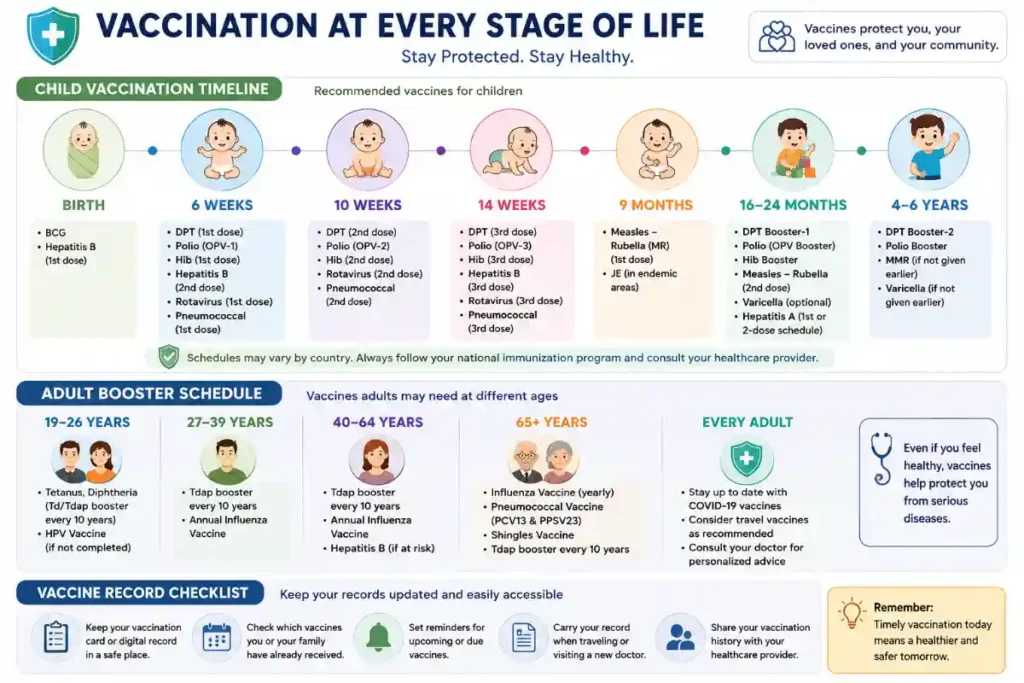
Many parents search through old hospital files, vaccination cards or mobile photos, only to realize they are unsure which vaccine was given and which one is still due. Adults face the same confusion. Years pass, booster doses are forgotten, and many people assume they remain protected for life.
In reality, missing even one recommended vaccine can leave a person vulnerable to infections that are largely preventable. This is where a vaccine calculator becomes incredibly useful. Instead of guessing, it helps estimate which vaccines are recommended according to age, previous immunizations, and national guidelines.
In my physiotherapy practice, I frequently work with people recovering from illnesses that could have been prevented through timely vaccination. While rehabilitation helps restore function after disease, prevention through immunization remains one of the most effective ways to protect long-term health.
Quick Summary
Main Risk: Missing scheduled vaccines increases the risk of preventable infectious diseases.
Key Benefit: A vaccine calculator helps identify vaccines due based on age and previous immunizations.
Best Solution: Follow your doctor’s advice and maintain an updated vaccination record.
Prevention Tip: Never wait for an outbreak before checking your vaccination status.
💉 Vaccine Calculator
👨⚕️ Doctor Explains
Many people assume vaccines are only for children. In clinical practice, adults frequently miss important booster doses that continue protecting them from serious infections. Keeping track of your vaccination schedule is just as important as treating illness.
Latest Vaccine Recommendations (2026)
Vaccination recommendations may change as new scientific evidence emerges and public health authorities update their immunization schedules. In 2026, experts continue to recommend that children receive vaccines according to the national immunization schedule, while adults should stay up to date with booster doses and age-specific vaccines where appropriate.
Recommendations can vary depending on your age, pregnancy, medical conditions, travel plans, occupation, previous vaccinations, and your country's immunization guidelines. Always consult a qualified healthcare professional before making vaccination decisions.
Why Keeping Track of Vaccines Matters More Than Ever
Vaccination has dramatically reduced illnesses that once caused widespread disability and death.
Diseases such as polio, measles, diphtheria, tetanus, hepatitis B, and several forms of meningitis have become far less common because vaccination programs have protected millions of people.
However, vaccine protection is only effective when doses are received at the recommended time.
Clinically, many patients assume that once childhood vaccinations are completed, no further immunizations are required. In reality, several vaccines require booster doses during adolescence or adulthood to maintain protection.
A vaccine calculator serves as a reminder that preventive healthcare continues throughout life.
Who Can Benefit from a Vaccine Calculator?
Parents of newborns often find vaccination schedules overwhelming during the first two years of life. A calculator helps them understand which vaccines are due and when.
School-going children may need additional vaccines depending on national recommendations.
Teenagers frequently require booster doses that are easy to overlook.
Adults may need tetanus boosters, influenza vaccines, hepatitis vaccines, or travel-related immunizations.
Older adults often benefit from vaccines that reduce the risk of pneumonia, shingles, influenza, and other infections.
Healthcare workers, teachers, international travelers, and individuals with chronic illnesses may also have additional vaccine recommendations.
Common Reasons People Miss Vaccines
In my clinical experience, missed vaccinations rarely happen because people refuse them. More often, they occur because life becomes busy.
Parents become occupied with work.
Families relocate.
Vaccination cards are misplaced.
People assume previous immunity lasts forever.
Some avoid vaccines due to misinformation shared on social media.
One common pattern observed in rehabilitation settings is that individuals often prioritize treatment after becoming ill but postpone preventive healthcare. Unfortunately, infections do not wait until life becomes convenient.
Are Vaccine Calculators Always Accurate?
A vaccine calculator provides useful guidance but cannot replace an individual medical assessment.
Every person's medical history is unique.
Previous infections, allergies, immune disorders, pregnancy, cancer treatment, organ transplantation, or chronic diseases may influence vaccination recommendations.
For this reason, healthcare providers always review vaccination records before making final recommendations.
Think of the calculator as a roadmap rather than a final prescription.
Common Vaccine Myths vs Facts
Misinformation about vaccines can make it difficult to know what is true. Understanding the facts can help you make informed decisions and stay protected.
Myth: Vaccines are only important for children.
Fact: Adults also need vaccines and booster doses, including tetanus, influenza, shingles, and other vaccines based on age, health conditions, occupation, or travel plans.
Myth: If you miss a scheduled vaccine, you must start the entire vaccination series again.
Fact: In most cases, healthcare providers can follow a catch-up vaccination schedule rather than restarting the entire series. Your doctor can recommend the appropriate schedule.
Myth: Healthy people don't need vaccines.
Fact: Vaccination helps protect healthy individuals from preventable diseases and also reduces the spread of infections within the community, helping protect people who are more vulnerable.
Myth: A vaccine calculator can replace medical advice.
Fact: A vaccine calculator is a helpful educational tool, but it cannot consider every person's medical history, allergies, pregnancy, immune status, or previous vaccinations. Always confirm recommendations with a qualified healthcare professional.
Treatment Isn't the Goal—Prevention Is
Unlike many medical conditions, vaccines are designed to prevent illness before it develops.
Once diseases such as measles, tetanus, or meningitis occur, treatment becomes far more difficult and complications may still develop despite excellent medical care.
Prevention remains one of the safest, most cost-effective public health strategies available.
Personally, I've observed that patients recovering from serious infections often wish they had known more about preventive healthcare earlier. While rehabilitation can improve quality of life, avoiding preventable disease is always the better outcome.
Healthy Habits That Support Vaccination
Vaccination works best as part of a healthy lifestyle.
Adequate sleep, balanced nutrition, regular physical activity, good hand hygiene, and routine medical check-ups all contribute to a stronger immune response and better overall health.
Indian families can benefit from maintaining a dedicated vaccination file, saving digital copies of vaccination records, and setting mobile reminders for future doses.
These simple habits reduce the chances of missing important immunizations.
Real Patient Story
A young couple brought their three-year-old son to the clinic because they were unsure whether he had completed all recommended vaccines. During the discussion, they realized the child's vaccination card had been misplaced after moving to another city.
Using his birth details and available medical records, the pediatric healthcare team reconstructed his vaccination history and identified one missed booster dose. After reviewing national immunization guidelines, the child received the appropriate catch-up vaccine and the parents were advised to maintain a digital record going forward.
This situation is more common than many families realize and highlights why organized vaccination records are so valuable.
WHEN TO SEE A DOCTOR
Consult a healthcare professional if your child has missed scheduled vaccines, your vaccination history is incomplete, you are planning pregnancy, have a weakened immune system, are traveling internationally, or are unsure whether booster doses are needed. Immediate medical advice is also important if you experience a severe allergic reaction after vaccination.
WHO SHOULD AVOID CERTAIN VACCINES?
Not every vaccine is suitable for everyone. Individuals with severe allergic reactions to a previous vaccine dose, certain immune deficiencies, people receiving chemotherapy, transplant recipients, or pregnant women (for some live vaccines) may require modified vaccination schedules. Vaccine decisions should always be individualized by a qualified physician based on medical history and current health status.
Final Thoughts
Checking your vaccination status takes only a few minutes, but it can help protect you, your family, and your community from diseases that are often preventable through timely immunization.
Whether you're a parent keeping track of your child's vaccines, an adult due for a booster, or an older adult reviewing age-related immunizations, staying up to date is an important part of preventive healthcare.
A vaccine calculator is a helpful starting point, but your healthcare provider is the best person to confirm which vaccines are right for you based on your age, medical history, lifestyle, and local immunization guidelines.
A few minutes spent checking your vaccination status today may help protect you or your loved ones from illnesses that can lead to serious complications. Prevention is always better than treatment.
Frequently Asked Questions (FAQs)
1. What is a vaccine calculator?
A vaccine calculator is an online tool that estimates which vaccines are recommended based on your age, date of birth, vaccination history, and sometimes medical conditions. It is designed to help you understand your immunization schedule but should never replace medical advice from a qualified healthcare professional.
2. Can adults use a vaccine calculator?
Yes. Vaccines are not only for children. Many adults require booster doses such as tetanus, influenza, COVID-19 (if recommended), hepatitis B, shingles, or pneumococcal vaccines depending on their age, health conditions, occupation, and travel plans.
3. What if I don't have my vaccination records?
If your vaccination record is missing, consult your doctor. They may reconstruct your vaccination history using available medical records, recommend catch-up vaccines, or occasionally perform blood tests to check immunity for certain diseases.
4. Is it safe to receive a missed vaccine later?
In many situations, yes. Most missed vaccines can be given using a catch-up vaccination schedule. Your healthcare provider will determine the correct timing based on your age and previous doses.
5. Are vaccine calculators accurate?
Trusted vaccine calculators are generally based on recognized immunization guidelines. However, they cannot account for every individual medical condition, allergy, pregnancy, or immune disorder. Always confirm recommendations with your healthcare provider.
6. Which vaccines do adults commonly forget?
Many adults overlook tetanus boosters, influenza vaccines, hepatitis B vaccines, shingles vaccines (for older adults), and pneumococcal vaccines. Travel-related vaccines are also commonly missed.
7. Can pregnant women use vaccine calculators?
Yes, but the final vaccination plan should always be reviewed by an obstetrician or another qualified physician because some vaccines are recommended during pregnancy while others should be postponed.
8. Is vaccination still important if diseases are now uncommon?
Yes. Many infectious diseases remain under control because vaccination rates are high. When vaccination coverage falls, outbreaks of preventable diseases can occur.
References
World Health Organization. (2025). Immunization.
https://www.who.int/health-topics/vaccines-and-immunization
World Health Organization. Essential Programme on Immunization.
https://www.who.int/teams/immunization-vaccines-and-biologicals
Centers for Disease Control and Prevention (CDC). Recommended Adult Immunization Schedule.
https://www.cdc.gov/vaccines/schedules
Centers for Disease Control and Prevention. Childhood Immunization Schedule.
https://www.cdc.gov/vaccines/schedules
Medical Disclaimer
This article is intended for educational and public health awareness purposes only. A vaccine calculator provides general guidance and should not replace consultation with a qualified healthcare professional. Vaccination recommendations vary depending on age, medical history, pregnancy, allergies, immune status, previous vaccinations, and national immunization guidelines. Always consult your doctor before making vaccination decisions.

Dr. Shabbir Hussain, BPT Licensed Physiotherapist | Clinical Rehabilitation SpecialistMaharashtra OTPT Council Reg. No. PR-2021/08/PT/009532Society of Onco Physiotherapists Reg. No. SOP/00033/LM
He is a licensed physiotherapist with over 8 years of experience in physiotherapy, kidney rehabilitation, oncological rehabilitation, and lymphedema management. He specializes in balance disorders, pain management, musculoskeletal rehabilitation, strengthening programs, and VR-based rehabilitation.
Dr. Shabbir Hussain (BPT)