
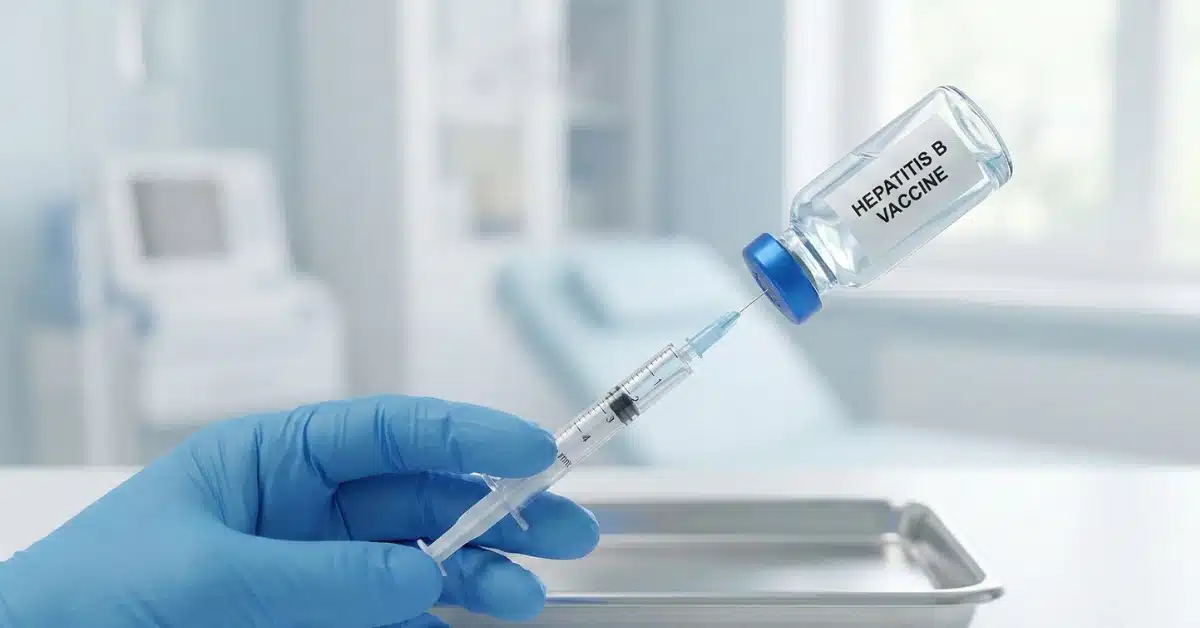
The hepatitis b vaccine is a crucial immunization that has been saving lives for decades. As we step into 2025, it’s essential to understand the life-saving benefits and shocking facts surrounding this vaccine.
Prevention is key, and the hepatitis b vaccine is a significant step in preventing the spread of the disease. With the rise in hepatitis B cases, it’s more important than ever to get vaccinated and protect yourself and your loved ones.

Delaying vaccination can have severe consequences. By understanding the importance of the hepatitis b vaccine, you can take the first step towards a healthier life.
Key Takeaways
- Understanding the life-saving benefits of the hepatitis b vaccine
- Recognizing the shocking facts surrounding hepatitis B
- The importance of hepatitis b prevention
- Consequences of delaying hepatitis b vaccination
- Protecting yourself and your loved ones through vaccination
Understanding Hepatitis B: A Silent but Deadly Threat in 2025
In 2025, the importance of understanding Hepatitis B cannot be overstated, given its potential to cause severe health complications. Hepatitis B is a viral infection that attacks the liver, potentially leading to chronic disease, cirrhosis, and liver cancer.
What is Hepatitis B and How Does It Spread?
Hepatitis B is caused by the Hepatitis B virus (HBV), which is transmitted through bodily fluids, including blood, semen, and other fluids. The virus can spread through various means, such as:
- Unprotected sex with an infected person
- Sharing needles or other equipment for injecting drugs
- Mother-to-child transmission during birth
- Exposure to infected blood through needlesticks or other sharp instruments
The Hepatitis B virus is highly contagious and can survive outside the body for at least 7 days, making it a significant risk in various settings.
The Alarming Statistics of Hepatitis B in the United States
The United States has seen a concerning trend in Hepatitis B cases, with certain populations being disproportionately affected. Key statistics include:
- Over 2 million people are living with chronic Hepatitis B infection
- Approximately 70% of people with chronic Hepatitis B are unaware of their infection
- Hepatitis B-related liver cancer and cirrhosis result in significant healthcare costs and mortality
These statistics underscore the need for increased awareness and hepatitis b immunization to prevent new infections and protect public health.
The Hepatitis B Vaccine: Your Shield Against a Dangerous Disease
The Hepatitis B vaccine has revolutionized the way we approach this serious health threat. By providing a reliable defense against the Hepatitis B virus, the vaccine has become a crucial tool in preventing the spread of the disease and protecting public health.
How the Hepatitis B Vaccine Works
The Hepatitis B vaccine works by introducing a small, harmless piece of the virus to the body, which triggers the immune system to produce antibodies. These antibodies are then able to recognize and fight the virus, providing long-term protection against Hepatitis B infection. The vaccine is typically administered in a series of shots, with the number of doses depending on the specific vaccine and individual factors.
Vaccination is a simple and effective way to safeguard against Hepatitis B. By stimulating the body’s natural defenses, the vaccine provides a powerful shield against this potentially life-threatening disease.
Types of Hepatitis B Vaccines Available in the US
In the United States, there are several Hepatitis B vaccines available, including single-antigen vaccines and combination vaccines that protect against multiple diseases. The most commonly used Hepatitis B vaccines are manufactured by reputable pharmaceutical companies and have undergone rigorous testing to ensure their safety and efficacy.
| Vaccine Type | Doses | Age Range |
|---|---|---|
| Single-antigen Hepatitis B vaccine | 3 | Birth to adult |
| Combination Hepatitis B vaccine (e.g., Twinrix) | 3 | 18 years and older |
| Combination vaccine (e.g., Pediarix) | 3 | 6 weeks to 7 years |
The Impressive Safety Profile of the HBV Vaccine
The Hepatitis B vaccine has an impressive safety profile, with extensive research and monitoring confirming its safety for use in individuals of all ages. Common side effects are typically mild and temporary, such as soreness at the injection site or mild fever. Serious adverse reactions are extremely rare, and the benefits of vaccination far outweigh the risks.
The safety and efficacy of the Hepatitis B vaccine make it a vital tool in the prevention of Hepatitis B infection.
Life-Saving Benefits of the Hepatitis B Vaccine
The Hepatitis B vaccine offers numerous life-saving benefits that make it an essential part of your health regimen. By understanding these benefits, you can make informed decisions about your health and the health of those around you. The vaccine is not just a precaution; it’s a powerful tool in preventing serious health issues.
Prevention of Acute and Chronic Hepatitis B Infection
The Hepatitis B vaccine is highly effective in preventing both acute and chronic Hepatitis B infections. Acute Hepatitis B is a short-term illness that can cause significant discomfort and health complications. If the infection becomes chronic, it can lead to severe liver damage over time. By getting vaccinated, you significantly reduce your risk of contracting both forms of the disease.
Protection Against Liver Cancer and Cirrhosis
One of the most severe consequences of chronic Hepatitis B infection is the development of liver cancer and cirrhosis. The Hepatitis B vaccine plays a crucial role in protecting against these conditions by preventing the initial infection. Studies have shown that widespread vaccination can lead to a significant reduction in liver cancer cases, making it a vital component of public health strategies.
Community Protection Through Herd Immunity
When a significant portion of a community is vaccinated against Hepatitis B, it creates a protective barrier that prevents the spread of the disease. This concept, known as herd immunity, is crucial in safeguarding individuals who cannot be vaccinated due to medical reasons. By getting vaccinated, you not only protect yourself but also contribute to the overall health of your community.
Long-Term Protection with Minimal Boosters
The Hepatitis B vaccine provides long-term protection against the virus, often lasting a lifetime with just a few doses. This makes it a convenient and effective way to ensure ongoing protection. Booster shots may be recommended in certain cases, but for most people, the initial series is sufficient for long-term immunity.
Shocking Facts About Hepatitis B You Need to Know in 2025
As we dive into the world of Hepatitis B, it’s crucial to uncover some shocking facts that could change your perspective on this silent killer. Hepatitis B is a viral infection that affects millions worldwide, and there are several misconceptions surrounding it.

Hepatitis B is 100 Times More Contagious Than HIV
Hepatitis B is significantly more contagious than HIV, with the virus being 100 times more likely to spread through bodily fluids. This high contagion rate makes it essential to understand how the virus spreads and how to protect yourself.
The virus can be transmitted through various means, including blood, semen, and other bodily fluids. This makes it crucial for individuals to practice safe sex, avoid sharing needles, and ensure that any medical procedures are done with sterile equipment.
The Virus Can Survive Outside the Body for Days
One of the most alarming facts about Hepatitis B is its ability to survive outside the human body for up to seven days. This means that the virus can remain contagious on surfaces and objects that have come into contact with infected bodily fluids.
This characteristic of the virus highlights the importance of proper hygiene and sterilization practices, especially in healthcare settings and among individuals who are at high risk of exposure.
Many People Have Hepatitis B Without Knowing It
A significant number of individuals infected with Hepatitis B are unaware of their condition. The virus can be asymptomatic for years, during which time it can cause significant liver damage.
This underscores the importance of getting tested for Hepatitis B, especially for those who are at high risk due to their medical history, sexual practices, or other factors.
Rising Hepatitis B Cases Due to Delayed Vaccination
Despite the availability of an effective vaccine, Hepatitis B cases continue to rise in some areas due to delayed or missed vaccinations. This trend is particularly concerning as it leaves individuals unprotected against a potentially life-threatening disease.
It’s crucial for individuals, especially those in high-risk groups, to get vaccinated against Hepatitis B. The vaccine is safe, effective, and provides long-term protection against the virus.
Why You Should Not Delay Your Hepatitis B Immunization in 2025
As we approach 2025, it’s crucial to understand the importance of timely Hepatitis B immunization. Hepatitis B is a serious liver infection that can lead to severe complications, including liver cancer and cirrhosis. The good news is that vaccination is highly effective in preventing this disease.
At-Risk Groups Who Need the Vaccine Most Urgently
Certain groups are at a higher risk of contracting Hepatitis B and should prioritize getting vaccinated. These include:
- Healthcare workers who are exposed to blood and bodily fluids
- Individuals with multiple sexual partners
- People who inject drugs
- Those traveling to regions with high Hepatitis B prevalence
- Infants born to infected mothers
For these individuals, delaying vaccination can lead to serious health consequences.
The Hepatitis B Vaccination Schedule: What You Need to Know
The Hepatitis B vaccination schedule varies depending on the individual’s age and risk factors. Typically, the vaccine is administered in a series of three to four doses over a period of six months. It’s essential to adhere to this schedule to ensure optimal protection.
Addressing Common Misconceptions About the Hep B Shot
Despite its proven safety and efficacy, some people still harbor misconceptions about the Hepatitis B vaccine. Common myths include:
- The vaccine is not safe
- The vaccine is not effective
- The vaccine is only for high-risk groups
These misconceptions can lead to delayed or foregone vaccination, putting individuals at risk.
New Initiatives Making Vaccination More Accessible in 2025
In 2025, various initiatives are underway to make Hepatitis B vaccination more accessible. These include:
- Expanded insurance coverage for vaccination
- Community outreach programs to educate the public
- Increased availability of vaccines in pharmacies and clinics
These efforts aim to reduce barriers to vaccination and protect more people against Hepatitis B.
In conclusion, timely Hepatitis B immunization is crucial for preventing a serious and potentially life-threatening disease. By understanding the risks, following the recommended vaccination schedule, and taking advantage of new initiatives, individuals can protect themselves and their communities.
Conclusion: Taking Action for Your Health
As we have seen, hepatitis B is a serious health threat that can be effectively prevented with the hepatitis B vaccine. By understanding the risks and benefits of hepatitis B immunization, you can take proactive steps to protect your health and the health of those around you.
The Centers for Disease Control and Prevention (CDC) recommends hepatitis B vaccination for individuals of all ages, especially for those at high risk of infection. By getting vaccinated, you not only safeguard your own health but also contribute to community protection through herd immunity.
Don’t wait until it’s too late. Consult with your healthcare provider today about getting your hepatitis B immunization. Together, we can work towards a future where hepatitis B is no longer a public health threat.
FAQ
What is the Hepatitis B vaccine, and how does it work?
The Hepatitis B vaccine is a series of shots that help prevent Hepatitis B infection. It works by introducing a small, harmless piece of the virus to the body, which triggers the immune system to produce antibodies that fight the infection.
Who should get the Hepatitis B vaccine?
The Hepatitis B vaccine is recommended for people of all ages, especially those at high risk of infection, such as healthcare workers, individuals with multiple sex partners, and people with certain medical conditions. It’s also crucial for newborns and children to receive the vaccine as part of their routine immunization schedule.
What are the side effects of the Hepatitis B vaccine?
Common side effects of the Hepatitis B vaccine are mild and may include soreness or redness at the injection site, fatigue, and headache. Serious side effects are rare but can occur. It’s essential to discuss any concerns with a healthcare provider.
How many doses of the Hepatitis B vaccine are required?
Typically, the Hepatitis B vaccine is administered in a series of 2, 3, or 4 doses, depending on the specific vaccine and the individual’s age and health status. The standard schedule for most Hepatitis B vaccines is 3 doses, given at 0, 1, and 6 months.
Can the Hepatitis B vaccine prevent liver cancer?
Yes, the Hepatitis B vaccine can help prevent liver cancer by protecting against Hepatitis B infection, which is a significant risk factor for liver cancer. By preventing the infection, the vaccine reduces the risk of developing liver cancer and other liver diseases.
Is the Hepatitis B vaccine safe for pregnant women?
Yes, the Hepatitis B vaccine is considered safe for pregnant women, especially those at high risk of Hepatitis B infection. In fact, pregnant women with Hepatitis B can pass the infection to their newborns, so vaccination is crucial to prevent mother-to-child transmission.
Can I get the Hepatitis B vaccine if I have a weakened immune system?
Yes, individuals with weakened immune systems, such as those with HIV/AIDS or undergoing chemotherapy, can receive the Hepatitis B vaccine. However, the vaccine’s effectiveness may be reduced, and additional doses or a different vaccination schedule may be recommended.
How can I get vaccinated against Hepatitis B?
You can get vaccinated against Hepatitis B by consulting your healthcare provider, visiting a local health clinic, or contacting your state’s health department. Many pharmacies and healthcare organizations also offer Hepatitis B vaccination services.
What is the Hepatitis B vaccination schedule for adults?
The typical Hepatitis B vaccination schedule for adults is 3 doses, given at 0, 1, and 6 months. However, there are alternative schedules available, and some vaccines may require only 2 doses. It’s best to consult a healthcare provider to determine the most suitable schedule.

Dr. Shabbir Hussain, BPT
Registered Physiotherapist | Clinical Rehabilitation Specialist
Maharashtra OTPT Council Reg. No.: PR-2021/08/PT/009532
Society of Onco Physiotherapists Reg. No.: SOP/00033/LM
Dr. Shabbir Hussain, BPT, Registered Physiotherapist with over 8 years of experience in physiotherapy, kidney rehabilitation, oncological rehabilitation, and lymphedema management. He specializes in balance disorders, pain management, musculoskeletal rehabilitation, strengthening programs, and VR-based rehabilitation.