Written by Dr. Shabbir Hussain, BPT, Registered Physiotherapist | Clinical Rehabilitation Specialist
This article explains veterinary physical rehabilitation from a physiotherapy and rehabilitation education perspective. Veterinary diagnosis, treatment decisions and animal-specific rehabilitation programmes should be guided by qualified veterinary professionals.
A dog struggling to stand, an older cat avoiding stairs, or a pet recovering from surgery may need more than medication alone. In selected cases, structured rehabilitation can help animals regain strength, improve movement and maintain a better quality of life.
Physical therapy for pets, also known as veterinary physical rehabilitation, uses individually planned therapeutic exercises and clinical interventions to support recovery, improve mobility and manage certain musculoskeletal and neurological conditions.
Unlike general exercise, veterinary rehabilitation begins with an assessment of the animal’s diagnosis, pain, movement limitations and functional goals. The treatment programme should be developed under veterinary supervision and adapted to the pet’s response.
Physical Therapy for Pets: Why Is It Becoming Important?
When a pet struggles to walk, climb stairs, stand up or move comfortably, the problem may involve more than an injury. Muscle weakness, joint disease, surgery and neurological conditions can all affect an animal’s ability to move.
Similar to human physiotherapy, veterinary rehabilitation focuses on restoring functional movement while supporting recovery and managing pain.
Which Conditions Can Benefit from Veterinary Physical Rehabilitation?
Veterinary physical rehabilitation may be considered for pets experiencing movement difficulties due to:
- Osteoarthritis: Helps maintain joint movement, muscle strength and functional mobility.
- Hip dysplasia: May support muscle conditioning and improve movement in appropriately selected cases.
- Intervertebral Disc Disease (IVDD): Can form part of recovery following veterinary treatment for spinal cord and nerve-related problems.
- Cruciate ligament injuries: Helps restore strength and controlled limb function following appropriate treatment or surgery.
- Post-surgical weakness: Supports gradual recovery of movement and muscle function.
- Neurological conditions: May help selected animals improve coordination, balance and functional movement.
The suitability and expected outcomes of rehabilitation depend on the diagnosis, severity and overall health of the animal.
What Are the Key Benefits of Physical Therapy for Pets?
Veterinary rehabilitation may offer several benefits depending on the animal’s diagnosis and overall health.
- Post-surgical recovery: Helps rebuild muscle strength and restore movement following appropriate orthopaedic or neurological procedures.
- Pain management: May improve comfort in pets with osteoarthritis, hip dysplasia and certain spinal conditions.
- Better mobility: Helps improve joint movement, muscle function and walking ability.
- Improved balance: Targeted exercises can help develop coordination and body awareness.
- Reduced muscle weakness: Appropriate activity can help limit muscle loss associated with inactivity.
Rehabilitation outcomes vary depending on the condition, severity, age and consistency of treatment.
Can You Do Physical Therapy on a Dog?
Yes. Dogs can undergo physical rehabilitation under professional guidance. Treatment may be recommended after ligament injuries, joint surgery, spinal conditions, neurological problems or age-related mobility difficulties.
However, exercises should never be selected randomly. A dog recovering from a spinal injury may require a very different rehabilitation programme from one with osteoarthritis.
Is There Physiotherapy for Animals?
Yes. Veterinary physiotherapy is an established area of animal healthcare. It may involve therapeutic exercise, manual techniques, hydrotherapy and other rehabilitation interventions.
Dogs are common candidates, but appropriately selected rehabilitation programmes are also used for cats and other animals.
What Techniques Are Used in Veterinary Physical Rehabilitation?
The rehabilitation programme depends on the pet’s condition, age, mobility and treatment goals.
1. Hydrotherapy
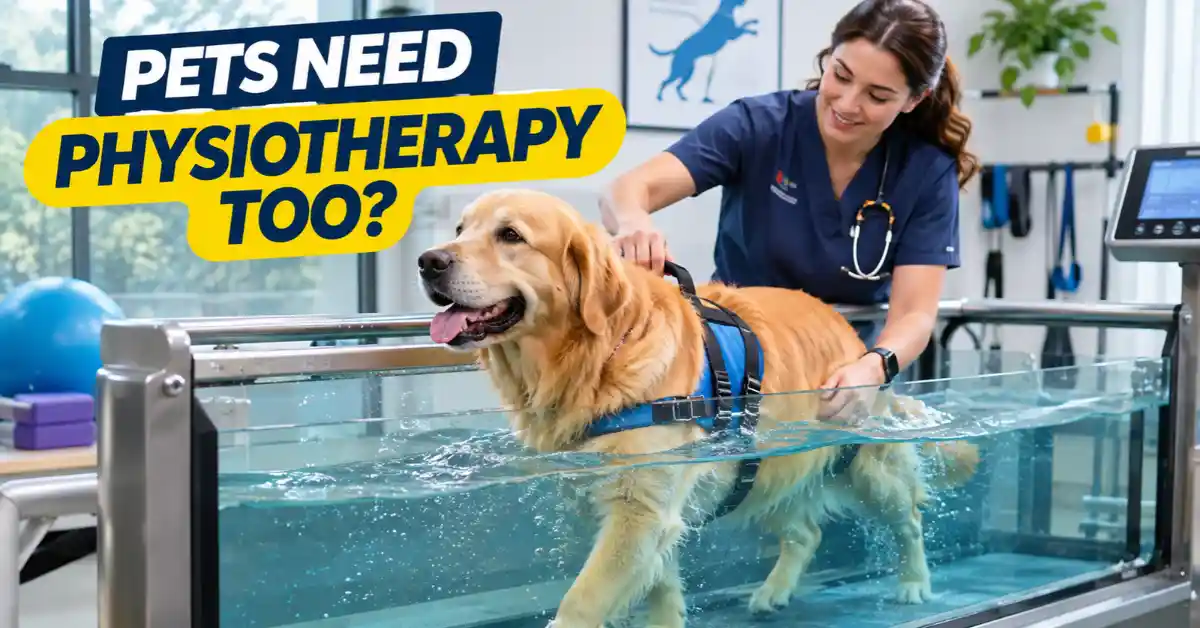
Swimming and underwater treadmill exercises allow controlled movement with reduced weight-bearing stress on joints. They may help improve strength, endurance and mobility.
2. Manual Therapy
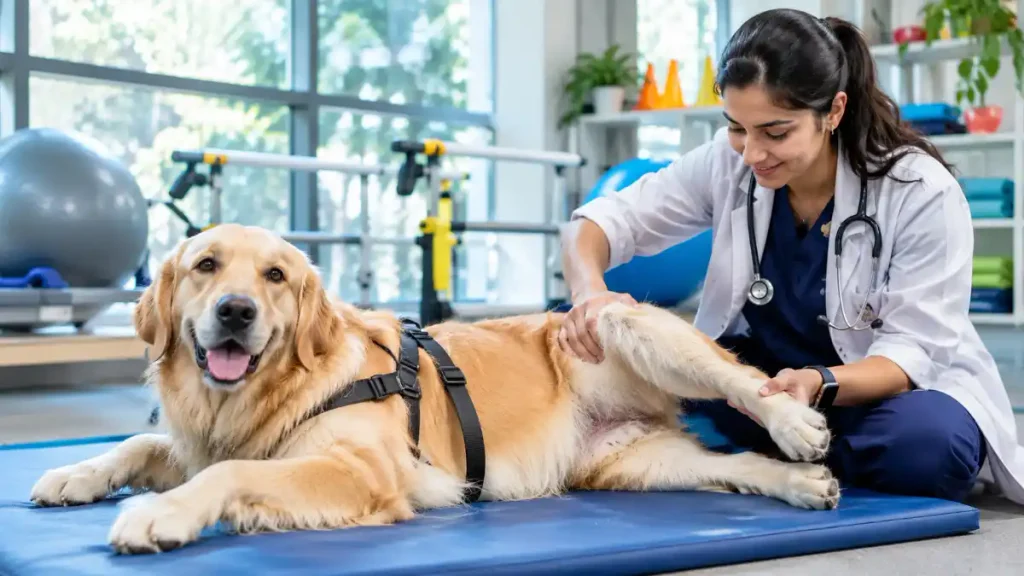
Gentle massage, stretching and passive range-of-motion exercises may help manage muscle tightness and joint stiffness.
3. Therapeutic Exercises
Walking drills, cavaletti poles, controlled weight shifting and balance exercises help improve coordination, muscle strength and body awareness.
4. Physical Agent Modalities
Depending on the diagnosis, professionals may use therapeutic laser, ultrasound, heat or cold therapy, and electrical stimulation. Acupuncture may also be considered in selected cases.
Is Physical Therapy for Dogs Expensive?
The cost varies according to the dog’s condition, location, rehabilitation centre, equipment and number of sessions required.
An initial assessment may cost more than a routine follow-up session. Hydrotherapy and specialised equipment can also increase treatment expenses.
In India, pet owners should request a consultation fee and a complete treatment estimate before starting rehabilitation. There is no single standard price applicable to every clinic.
Which Is Better: Veterinary Treatment or Physiotherapy?
They serve different but complementary purposes.
- Veterinary treatment: Identifies the underlying disease or injury, provides medical management, performs surgery when necessary and monitors overall health.
- Veterinary rehabilitation: Focuses on improving physical function, strength, coordination, mobility and recovery.
Physiotherapy should not replace veterinary diagnosis or necessary medical treatment. The best approach is coordinated care between a veterinarian and a suitably trained rehabilitation professional.
When Should You Consider Physical Therapy for Your Pet?
Consider asking your veterinarian about rehabilitation if your pet:
- Struggles to stand, walk or climb stairs.
- Develops stiffness or limping.
- Has difficulty moving because of arthritis.
- Is recovering from orthopaedic surgery.
- Experiences weakness following a neurological condition.
- Shows reduced activity because of age-related mobility problems.
Important precautions: Sudden inability to walk, severe pain, dragging limbs, breathing difficulty or loss of bladder control requires prompt veterinary assessment. Do not start exercises, swimming or spinal manipulation without professional clearance.
How Physiotherapy Can Help
Veterinary physical rehabilitation follows principles similar to human physiotherapy, but animal anatomy, behaviour and clinical requirements are different.
A qualified rehabilitation professional can assess functional limitations and develop an individual programme. Depending on the diagnosis, it may include:
- Strengthening and controlled mobility exercises.
- Balance and coordination training.
- Joint range-of-motion exercises.
- Gait retraining.
- Hydrotherapy when appropriate.
- Pain-management interventions.
Pet owners can also be taught safe home exercises to support clinic-based rehabilitation.
The rehabilitation plan should be regularly reviewed, and exercises should be adjusted according to the animal’s response and stage of recovery.
Is Physical Therapy Safe for Every Pet?
No. Physical therapy is not suitable for every animal or every stage of an illness or injury.
Before starting rehabilitation, a veterinarian should assess the pet’s condition and determine whether exercise, hydrotherapy or other interventions are appropriate.
Some animals may need modified treatment or temporary restrictions because of acute injuries, unstable fractures, uncontrolled pain, cardiovascular or respiratory problems, or other medical complications.
Never force an animal to perform an exercise that causes pain, distress or worsening symptoms.
Final Takeaway
Physical therapy for pets is an important supportive approach in modern veterinary rehabilitation. It can help dogs and other animals improve mobility, manage certain chronic conditions and regain functional independence following injuries or surgery.
However, successful rehabilitation requires an accurate veterinary diagnosis, individualised treatment and supervision by appropriately trained professionals. Never force a pet to exercise through pain.
MEDICAL SOURCES
1. American Animal Hospital Association (AAHA) — Veterinary Physical Rehabilitation: Physical Therapy for Pets
Read AAHA Guidelines and Information
2. American Association of Rehabilitation Veterinarians — Rehabilitation Therapies
Explore Veterinary Rehabilitation Techniques
3. PetMD — Dog Physical Therapy: Everything a Pet Parent Should Know
4. PubMed — Physical Rehabilitation for Small Animals (2022)
5. American Association of Rehabilitation Veterinarians — Find a Rehabilitation Professional
Find a Qualified Rehabilitation Professional
MEDICAL DISCLAIMER
This article is intended for general educational and informational purposes only. It does not replace veterinary diagnosis, professional veterinary advice or individualised animal healthcare. Every pet has different rehabilitation needs, and treatment suitability depends on its medical condition and clinical assessment.
Always consult a qualified veterinarian before starting physical rehabilitation, therapeutic exercises, hydrotherapy or other treatment for your pet. If your pet suddenly becomes unable to walk, experiences severe pain, develops breathing difficulties or loses bladder control, seek immediate veterinary attention.

Dr. Shabbir Hussain, BPT
Registered Physiotherapist | Clinical Rehabilitation Specialist
Maharashtra OTPT Council Reg. No.: PR-2021/08/PT/009532
Society of Onco Physiotherapists Reg. No.: SOP/00033/LM
Dr. Shabbir Hussain, BPT, Registered Physiotherapist with over 8 years of experience in physiotherapy, kidney rehabilitation, oncological rehabilitation, and lymphedema management. He specializes in balance disorders, pain management, musculoskeletal rehabilitation, strengthening programs, and VR-based rehabilitation.