
Last medically reviewed and updated on: 02 June 2026
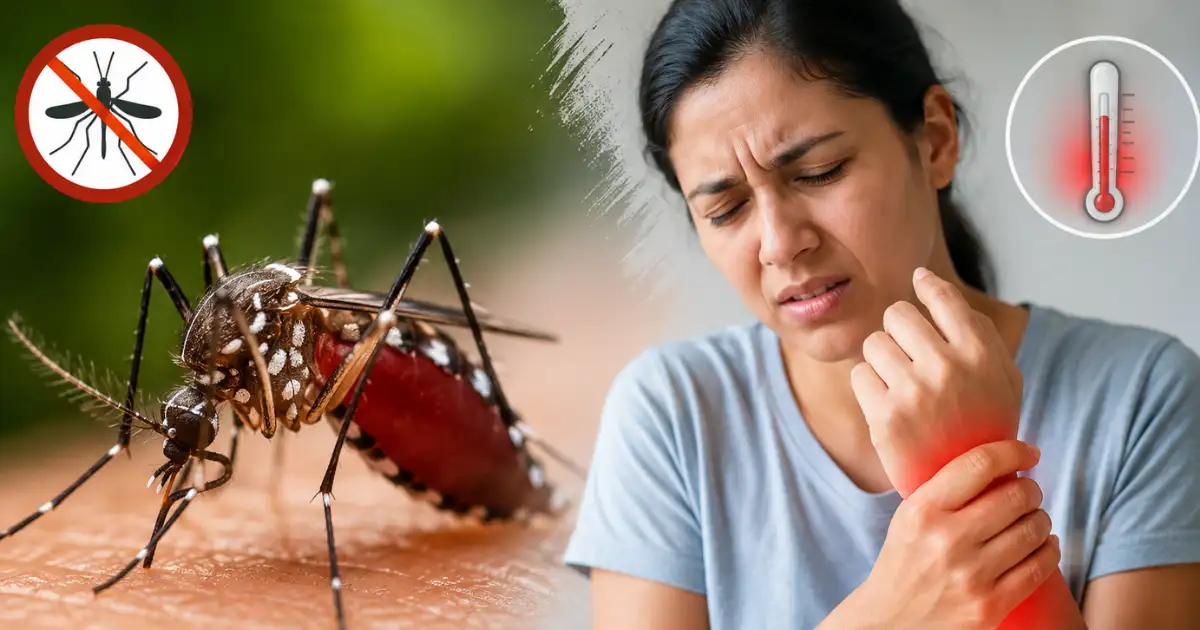
Sudden fever, unbearable joint pain and mosquito outbreaks are once again raising concern across several regions. Health experts warn that Chikungunya cases may rise rapidly during mosquito season
How many days does chikungunya last? – Chikungunya is a mosquito-borne virus that causes sudden high fever and intense joint pain. It matters in India now because Aedes mosquitoes thrive in warm, crowded urban areas with standing water.
Common symptoms include joint swelling, muscle pain, headache, nausea, fatigue, and a rash. Incubation is short—usually four to eight days, sometimes two to twelve.
🦟 Chikungunya Quick Facts
- Virus Spread: Aedes Mosquito
- Incubation: 2–12 Days
- Main Symptoms: Fever + Severe Joint Pain
- Diagnosis: RT-PCR & Antibody Test
- Treatment: Rest, Fluids & Paracetamol
- Recovery: Usually 1–2 Weeks
⚠️ Health Alert: Chikungunya cases usually increase during mosquito breeding seasons. Early symptoms include sudden fever, severe joint pain, body ache, fatigue and rash.
Early diagnosis helps with better management. RT-PCR detects the chikungunya virus in the first week; antibody tests appear after that and can last weeks.
There is no specific antiviral. First-line treatment is paracetamol/acetaminophen, fluids, and rest. Avoid NSAIDs until dengue is ruled out, since co-infection can change care.
Most people recover, though some have lingering joint pain. Newborns, older adults, and those with other health issues face higher risk of complications. Vaccines have approvals in some countries, but prevention in India still relies on vector control and personal protection.
Medically Reviewed By
Dr. Shabbir Hussain Bohra (BPT)
Consultant Physiotherapist with 7+ years of clinical experience in rehabilitation and evidence-based healthcare.
Specialized Training: Tata Memorial Hospital, Mumbai
Last Medical Review: June 2026

Key Takeaways
- Chikungunya causes abrupt fever and severe joint pain; watch for other symptoms like rash and fatigue.
- RT-PCR is best in week one; antibody tests follow after the first week.
- Treatment focuses on paracetamol, fluids, rest; avoid NSAIDs until dengue is excluded.
- Prevention in India depends on controlling Aedes mosquitoes and using personal protection.
- Most recover, but newborns, older adults, and people with chronic conditions need prompt care.
Quick Summary
- Chikungunya usually lasts 1–2 weeks initially
- Joint pain may continue for weeks or months
- High fever + severe stiffness are common symptoms
- Paracetamol, fluids, and rest are usually recommended
- See a doctor if breathing issues or dehydration occur
What is the chikungunya virus and why India should stay alert right now
Chikungunya is an RNA alphavirus that causes a mosquito-borne disease with sudden fever and severe joint pain.
The virus spreads through day‑biting Aedes species, mainly aedes aegypti and aedes albopictus. These mosquitoes live around homes, feed indoors and outdoors, and lay eggs in containers with standing water.
Since 2004, global outbreaks have risen. CHIKV has been found in over 110 countries, and travel between states can bring new cases into local areas.
Typical onset is 4–8 days after mosquito bites (range 2–12). Early fever and joint pain after exposure are key clues, but symptoms often mimic dengue and Zika, so professional testing matters.
While WHO notes two vaccines with regulatory traction in some places, limited availability means India must focus on stopping transmission at the source. People with chronic conditions and older adults have higher risk of complications and should take extra precautions.
📈 Why Chikungunya Cases Rise During Monsoon
Mosquito breeding increases rapidly during monsoon season due to stagnant water accumulation, leading to higher chikungunya transmission in many Indian cities.
Recognizing symptoms: from sudden fever to severe joint pain
Within days of a mosquito bite, many people notice a sudden spike in fever paired with intense joint pain. Onset is usually 4–8 days after exposure (range 2–12 days). The illness often begins abruptly and can feel disabling at first.
Typical timeline of illness
The acute phase usually lasts about a week. Most recover fully, but pain in joints can persist for weeks or months in some people.
Common signs to watch for
Look for: joint swelling, muscle pain, headache, nausea, fatigue, and a rash. These symptoms often occur together and help clinicians identify the cause.
When symptoms mimic dengue or Zika
Chikungunya symptoms overlap with dengue and Zika, which can lead to misdiagnosis. Seek medical advice if you have high fever, worsening bleeding, severe abdominal pain, or breathing trouble.
- Document the day your symptoms began—this helps doctors pick the right test.
- Even mild cases should consider testing to protect vulnerable family members.
- Clinical testing matters during mosquito season to rule out co-infections.
🚨 Symptoms You Should Never Ignore
- Sudden high fever
- Severe joint pain
- Extreme fatigue
- Skin rash
- Muscle pain and headache
- Difficulty walking due to joint stiffness
Transmission explained: Aedes aegypti and Aedes albopictus mosquitoes
A single infected mosquito can start a chain of local cases when it feeds on people across homes and workplaces. This simple cycle drives most community transmission.
How a mosquito bite leads to infection and local outbreaks
When a mosquito feeds on someone with the virus in their blood, the virus multiplies inside the insect and reaches its salivary glands. The next person bitten can then become infected, and repeated bites sustain local outbreaks in nearby areas.
Day‑biting behavior, indoor/outdoor feeding, and breeding in standing water
Aedes aegypti and aedes albopictus bite mainly during daylight and often feed indoors and outdoors. Their behavior increases contact at home, school, and work.
- Eggs survive dry spells for months, so unused containers can seed new mosquitoes when rains return.
- The full life cycle can finish in 7–10 days; adults live about 4–6 weeks.
- Buckets, tires, drums and pots are common fast-breeding spots and must be emptied or covered.
These species also carry other arboviral diseases, so removing breeding sites and reducing daytime bites cuts risk across multiple threats in vulnerable countries.
chickengunya diagnosis and testing options
Timely lab testing clarifies whether a patient has a chikungunya virus infection or another illness. Knowing the exact days since symptoms began helps clinicians pick the right test.
Early testing: RT-PCR during the first week of illness
RT‑PCR detects the virus directly in blood during the first 7 days of illness. Choose RT‑PCR when symptoms are recent to get the most reliable direct detection data.
After the first week: antibody tests and what results mean
After day seven, IgM and IgG antibody tests show the immune response. Antibodies are often detectable by the first week and may persist for about two months.
“Note the day your symptoms began—lab timing affects which test is valid.”
- Record symptom onset date to guide testing choice.
- Differentiate from dengue early—this affects safe pain management.
- Clinicians interpret results with local cases and exposure history.
- Use accredited labs and follow health provider instructions for sampling and reporting.
| Test | When to use | What it shows | Notes |
|---|---|---|---|
| RT‑PCR | Days 0–7 | Direct detection of chikungunya virus RNA | Best early; requires timely blood sample |
| IgM antibody | After day 7 to ~2 months | Recent infection | Helps confirm cases when PCR is negative |
| IgG antibody | From week 2 onward | Past exposure or later-stage response | Useful for serosurveys and follow-up |
🦟 How To Protect Yourself From Chikungunya
- Use mosquito repellents regularly
- Do not allow water stagnation near home
- Wear full-sleeve clothes
- Use mosquito nets during sleep
- Keep windows protected with screens
Treatment and management: easing pain, fever, and fatigue
There is no specific antiviral for chikungunya, so care focuses on symptom relief, rest, and watching for warning signs. Early supportive steps help most people recover within a week.
Safe first-line relief
Use paracetamol/acetaminophen for fever and pain. Drink plenty of fluids and rest to support recovery. These simple measures are the backbone of home care.
Why avoid NSAIDs until dengue is excluded
Avoid NSAIDs such as ibuprofen or aspirin until a clinician rules out dengue. NSAIDs can increase bleeding risk if dengue is present, so follow health‑care advice before taking additional pain medicines.
Home care vs. hospital care
Most people can manage at home with paracetamol, fluids, and pacing daily activities. Use cooling methods, protect sore joints, and keep a symptom diary to share with your provider.
- Seek urgent care for persistent high fever, severe dehydration, or uncontrolled pain.
- Newborns, older adults, and those with chronic conditions may need hospital monitoring.
- Joint pain can last weeks, months, or even years; arrange follow-up if pain persists.
“Keep a simple symptom diary — it helps clinicians tailor ongoing management.”
Prevention and control: protect your family and reduce mosquito breeding
Simple daily habits can cut mosquito numbers and lower the chance of transmission in your neighborhood.

Personal protection
Use repellents with DEET, IR3535, or icaridin on exposed skin and clothing for reliable protection against bites.
Apply sunscreen first, then repellent, and follow label directions for children. Wear long sleeves and pants during the day when Aedes aegypti is active.
Fit screens on doors and windows and use insecticide-treated nets if people rest during daylight hours.
Home and community actions
Empty, scrub, and cover water containers weekly to break the mosquito life cycle. Dispose of old tyres, cans, and other waste that hold water.
Coordinate with neighbors for clean-up drives and proper water storage to lower local risk and protect people across nearby areas.
During outbreaks
Expect targeted spraying to reduce adult mosquitoes and larval control in containers. Support local health programs and follow public health advice promptly.
“Best protection is avoiding mosquito bites and preventing breeding around your home.”
Who is at higher risk and possible complications
Certain groups face higher risks of complications and need closer monitoring if infected.
Newborns, older adults, and people with chronic conditions
Newborns can become infected around the time of delivery or in the weeks after birth and may need neonatal care.
Older adults and people with chronic medical conditions are at greater risk of severe illness and must be observed closely.
Chronic pain, organ issues, and rare severe outcomes
Most people recover, but some develop persistent joint pain or ongoing stiffness.
In rare cases, the disease affects the eyes, heart, or nervous system and can lead to serious complications.
- Watch for red flags: worsening fever, poor feeding in infants, confusion, chest pain, or breathlessness.
- Discuss medication choices with your clinician—balance pain relief and safety, especially if other conditions exist.
- Deaths are uncommon, but early care and follow-up reduce the chance of deterioration.
“Early recognition and careful follow-up in high‑risk groups reduce complications and improve outcomes.”
India and global context: cases, outbreaks, and vaccine status
Global surveillance shows the virus has expanded its range, driven by travel and established Aedes populations.
Where chikungunya occurs and how travel influences risk
CHIKV has been identified in over 110 countries across Asia, Africa, Europe, and the Americas. Local mosquito‑borne transmission occurs wherever aedes aegypti or albopictus are established.
Travel can seed new cases and trigger local outbreaks in areas with these vectors. In India, warm urban and peri‑urban areas face recurring risk, especially during and after rainy years.
Current status of vaccines and immunity evidence
The World Health Organization notes two chikungunya vaccine products have regulatory approvals or recommendations in some countries, but availability is limited. For now, prevention still depends on vector control and personal protection.
Growing evidence suggests many people develop long‑lasting immunity after recovery from chikungunya virus infection. This finding will help shape future vaccine policy and delivery planning.
“Check travel advisories and use bite prevention during and after trips to reduce risk.”
- Action for travelers: Verify health guidance before travel and follow bite prevention.
- Local focus: Strengthen surveillance and coordinate prevention control with public health teams.
- Community role: Reduce breeding sites to limit cases and stop outbreaks.
Conclusion
Early recognition plus practical prevention steps can limit spread and speed recovery for most people.
Recognize common symptoms—sudden fever, severe joint pain, muscle aches, headache, nausea, or fatigue—and seek timely testing to confirm infection and guide care.
Home management relies on paracetamol/acetaminophen, fluids, and rest. Avoid NSAIDs until dengue is excluded to keep treatment safe.
Most recover fully, but some people have persistent pain or joint stiffness for months. Follow-up and targeted management help daily function.
Reduce bites and stop breeding sites to protect your household from Aedes aegypti mosquitoes. Support local clean-ups, use repellents and screens, and stay informed about regional updates in India and other countries.
Related Health Articles
- Hantavirus Cases Are Raising Concern
- China Chikungunya Virus Outbreak
- Ignoring Joint Pain Warning Signs
FAQ
What is the chikungunya virus and why should India stay alert right now?
Chikungunya virus is a mosquito-borne virus spread mainly by Aedes aegypti and Aedes albopictus. It causes sudden fever and severe joint pain that can disable people for days to months. India should stay alert because these Aedes species are common across urban and rural areas, seasonal outbreaks occur after heavy rains, and travel can quickly introduce cases into new communities.
How soon do symptoms appear after a bite?
Symptoms usually appear 2–12 days after an infected mosquito bite. Most people develop fever and joint pain within three to seven days. The incubation period and prompt recognition matter for testing, early care, and limiting local spread.
What are the common signs I should watch for?
Typical signs include sudden high fever, severe joint pain often in hands and feet, muscle pain, headache, nausea, fatigue, and a rash. Joint swelling and intense stiffness are common and can last weeks or longer in some people.
When do symptoms look like dengue or Zika and when should I see a doctor?
Chikungunya shares fever, rash, and aches with dengue and Zika. Seek medical care if you have very high fever, bleeding, severe abdominal pain, dehydration, difficulty breathing, or altered consciousness. Clinicians can order tests to differentiate infections and advise urgent care.
How does a mosquito bite lead to local outbreaks?
An infected person carries virus in their blood for a few days. When a local Aedes mosquito bites that person, the mosquito becomes infected and can transmit the virus to others. Because these mosquitoes bite during the day and live near people, a single infected traveler can trigger local transmission.
Do Aedes mosquitoes bite indoors or outdoors and where do they breed?
Aedes aegypti and Aedes albopictus bite mainly during daylight hours and feed both indoors and outdoors. They breed in small collections of standing water—flower pots, discarded tires, water storage containers, gutters—so removing or covering these breeding sites reduces risk.
What tests detect chikungunya and when should they be done?
RT-PCR testing detects viral RNA best during the first week of illness when viremia is highest. After the first week, antibody tests (IgM and IgG) help confirm recent or past infection. Your doctor will choose tests based on illness timing and local lab availability.
How is chikungunya treated?
There’s no specific antiviral treatment. Management focuses on relieving symptoms with paracetamol (acetaminophen), rest, fluids, and physical therapy for joint stiffness. Most people recover in days to weeks, though joint pain can persist in some cases.
Why should I avoid NSAIDs until dengue is ruled out?
Nonsteroidal anti-inflammatory drugs (NSAIDs) like ibuprofen and aspirin can increase bleeding risk in dengue, a disease that may present similarly. Use paracetamol first and wait for a clinician to rule out dengue before taking NSAIDs.
When is hospital care needed?
Seek urgent care for severe dehydration, very high fever, difficulty breathing, persistent vomiting, confusion, severe bleeding, or if a newborn, elderly person, or someone with chronic illness becomes ill. Most other cases can be managed at home with proper support.
What personal protection works best to prevent infection?
Use EPA-registered repellents containing DEET, icaridin, or IR3535 on exposed skin, wear long sleeves and pants, use window screens and bed nets, and consider treating clothing with permethrin. Avoid outdoor activity during peak biting hours if possible.
What household actions help control mosquitoes?
Regularly empty and scrub water containers, cover tanks, clean gutters, dispose of containers that hold water, and introduce larval control where recommended. Community clean-up and source reduction are essential during outbreak response.
Are there vaccines or long-term immunity after infection?
Several vaccines are under development, but widespread licensed vaccines are not yet available. After infection, most people develop long-lasting immunity to that chikungunya strain, reducing risk of repeat infections.
Who faces higher risk of complications?
Newborns, older adults, and people with underlying conditions such as diabetes or cardiovascular disease face higher risk for severe disease or prolonged recovery. Chronic joint pain can persist, and rare severe cases or deaths occur mainly in those high-risk groups.
How do travel and local outbreaks affect risk in India?
Travel can introduce the virus to new areas where Aedes mosquitoes live. India’s climate and urban water storage practices create favorable conditions for Aedes breeding, so vigilance, surveillance, and rapid public health response help limit outbreaks.
About the Reviewer
Dr. Shabbir Hussain Bohra (BPT) is a physiotherapist and healthcare content reviewer with experience in rehabilitation, pain management and evidence-based patient education.
Focused on creating medically accurate and easy-to-understand health awareness content.
📅 Last Updated: June 2026
This article is regularly updated according to WHO, CDC and public health recommendations.

Dr. Shabbir Hussain, BPT
Registered Physiotherapist | Clinical Rehabilitation Specialist
Maharashtra OTPT Council Reg. No.: PR-2021/08/PT/009532
Society of Onco Physiotherapists Reg. No.: SOP/00033/LM
Dr. Shabbir Hussain, BPT, Registered Physiotherapist with over 8 years of experience in physiotherapy, kidney rehabilitation, oncological rehabilitation, and lymphedema management. He specializes in balance disorders, pain management, musculoskeletal rehabilitation, strengthening programs, and VR-based rehabilitation.