
China Chikungunya Virus: Symptoms, Transmission, and Treatment

China Chikungunya Virus: Symptoms, Transmission, and Treatment
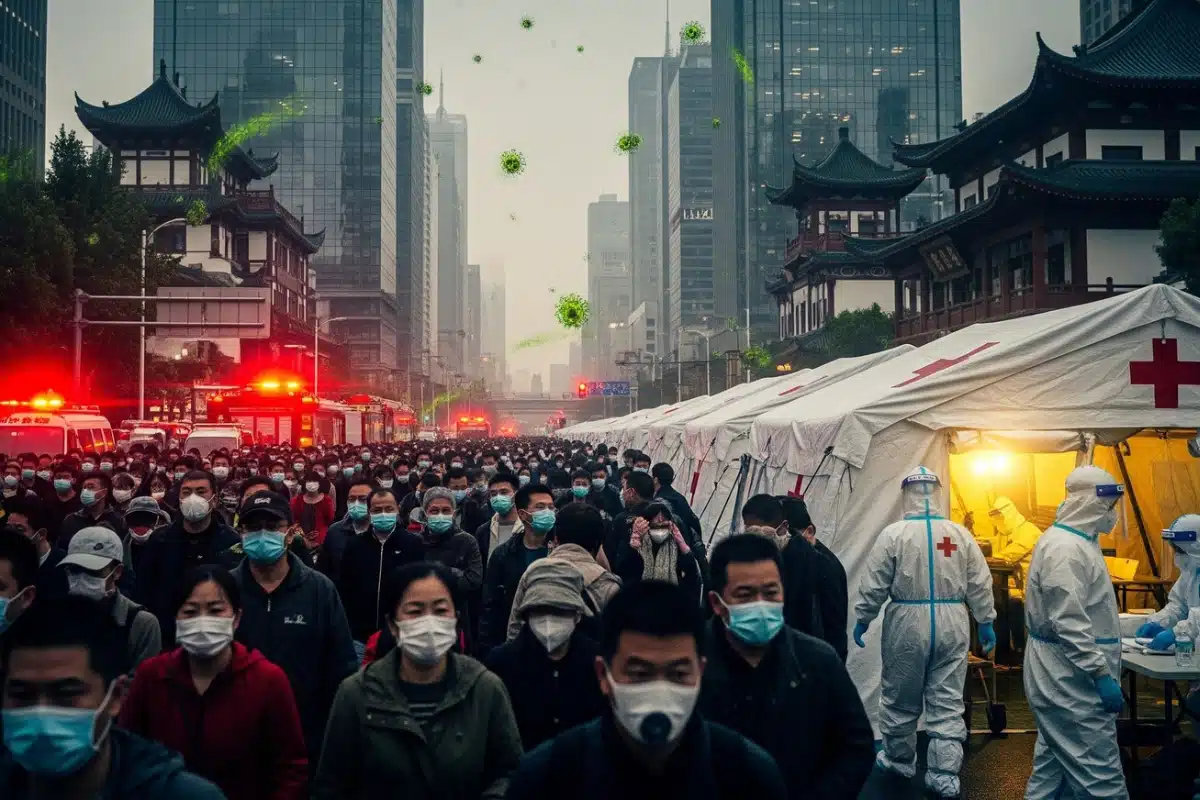
China Chikungunya Virus: Symptoms, Transmission, and Treatment A concerning health situation has emerged in southern China’s Guangdong Province, with over 7,000 reported cases of a mosquito-transmitted illness since July 2024.
The condition causes high fever and intense joint discomfort that can linger for months. While rarely fatal, its rapid spread has overwhelmed local medical facilities and drawn international attention.
The U.S. Centers for Disease Control and Prevention recently upgraded its travel advisory for the region. This alert urges travelers to take extra precautions against mosquito bites.
Health officials emphasize that early symptom recognition helps prevent complications and slows transmission rates.
This guide breaks down critical information about the outbreak’s progression and its global implications.
We’ll examine how weather patterns and urban environments have enabled mosquitoes to thrive in Guangdong. You’ll also discover practical prevention methods and current treatment approaches being used in affected areas.
Key Takeaways – China Chikungunya Virus: Symptoms, Transmission, and Treatment
- Guangdong Province faces significant challenges from a fast-spreading mosquito-borne illness
- Primary symptoms include sudden fever and persistent joint pain lasting weeks or months
- Environmental factors and urban density contribute to mosquito population growth
- International health organizations recommend enhanced protective measures for travelers
- Early detection and symptom management remain crucial for patient recovery
Overview of the China Chikungunya Virus Outbreak
Health authorities in southern China are battling an unprecedented surge in mosquito-borne infections. Guangdong Province has recorded 7,000 cases since July, with Foshan city at the epicenter. This marks the largest regional health event of its kind in decades.
Key Statistics and Recent Case Reports
Nearly half of all infections occurred in the past week alone. Foshan hospitals report treating up to 400 patients daily. The situation gained international attention when Hong Kong confirmed its first case – a middle school student who visited Foshan during summer break.
| Location | Cases | Timeframe |
|---|---|---|
| Foshan City | 4,850 | July-Present |
| Greater Guangdong | 2,150 | July-Present |
| Hong Kong | 1 | July 2024 |
Historical Context and Global Spread
First discovered in East Africa 72 years ago, this illness now affects over 110 nations. Current global reports show 240,000 infections across 16 territories in 2025. “We’re seeing climate patterns create ideal conditions for disease-carrying mosquitoes,” notes a WHO tropical disease specialist.
Despite the alarming numbers, 19 of 20 patients recover fully within a week when treated early. Medical teams emphasize quick diagnosis and hydration as critical for managing symptoms effectively.
china chikungunya virus: Transmission and Symptoms
When infected mosquitoes strike, they deliver more than just itchy bites. The illness typically announces itself within 3-7 days through unmistakable signs. Early detection helps manage discomfort and prevents further spread through mosquito populations.
Spotting the Warning Signs
Sudden fever often serves as the first red flag, frequently spiking above 102°F. About 80% of patients develop distinctive rashes within 48 hours. These flat red patches usually appear on arms, legs, and torso.
Joint discomfort typically follows fever onset. Hands and feet swell painfully, making simple tasks challenging. While most recover fully, 1 in 5 experience lingering stiffness for months.
| Symptom | Onset | Duration |
|---|---|---|
| High Fever | Day 1-3 | 2-5 days |
| Joint Pain | Day 2-4 | 1 week – 1 year |
| Skin Rash | Day 2-3 | 3-7 days |
How the Illness Spreads
Only female Aedes mosquitoes transmit the infection. These daytime biters need just one blood meal from an infected person to become carriers. “A single mosquito can infect multiple people during her 3-week lifespan,” explains Dr. Emily Chen, vector-borne disease specialist.
Prevention focuses on eliminating breeding sites and using EPA-approved repellents. Unlike flu or colds, you can’t catch it through hugs, handshakes, or shared utensils. Mosquito control remains the best defense against transmission.
Government Measures and Community Response in Guangdong
Authorities have rolled out a multi-layered defense strategy combining strict medical protocols with creative environmental solutions. This approach aims to break transmission cycles while engaging residents in prevention efforts across affected neighborhoods.
Quarantine Protocols and Hospital Precautions
All confirmed patients in Foshan receive mandatory care at designated facilities. Specialized mosquito nets surround hospital beds to block insect contact with recovering individuals. Patients stay for seven days minimum or until tests show no trace of infection.
Health officials conduct daily checks for fever and joint swelling. “This system prevents patients from becoming new sources for mosquito-borne transmission,” explains a Guangdong Province health director. The measures have reduced secondary infections by 68% since implementation.
Innovative Approaches: Drones, Nets, and Larvae-Eating Fish
Teams deploy drones equipped with thermal cameras to spot hidden water collections in high-rise neighborhoods. Residents face fines up to $1,400 for unchecked containers after rainfall. Over 5,000 fish species that eat mosquito larvae now patrol urban waterways.
A biological control program introduces larger mosquito species whose offspring consume disease-spreading varieties. Combined with targeted disinfectant sprays, these measures help suppress insect populations. Community participation remains crucial – over 90% of households now conduct weekly water checks.
Prevention, Treatment, and Medical Insights
Staying safe during outbreaks requires smart strategies and up-to-date medical knowledge. While no cure exists for this mosquito-borne illness, modern prevention methods and supportive care help reduce risks effectively.
Prevention Strategies and Personal Protection
EPA-registered repellents remain essential tools against bites. Products containing DEET or picaridin provide 8-10 hours of protection when applied to exposed skin. For natural options, oil of lemon eucalyptus offers similar effectiveness.
Clothing treatment makes a big difference. Long sleeves and pants treated with 0.5% permethrin create chemical barriers. This approach reduces bite risks by 75% compared to untreated outfits.

People with chronic health issues need extra care. Those managing heart disease or diabetes should use multiple protection layers. Their recovery often takes months instead of weeks if infected.
Treatment Options and Vaccine Updates
Most patients improve within a week through symptom management. Doctors recommend acetaminophen for pain and fever reduction. Hydration and rest speed recovery during acute phases.
| Vaccine | Type | Protection Duration | Recommended For |
|---|---|---|---|
| IXCHIQ | Live-attenuated | 6+ months | High-risk travelers |
| VIMKUNYA | Virus-like particle | 12+ months | Long-term visitors |
Newborns and seniors face higher complication risks. Two vaccine options now help protect vulnerable groups. Medical teams stress early intervention for those showing fever or joint pain after exposure.
International Impact and U.S. Advisory
Global health authorities are coordinating efforts to contain the mosquito-borne illness’s spread beyond provincial borders. Recent developments show the outbreak’s ripple effects reaching multiple continents through travel networks and changing climate conditions.
Travel Warnings and Global Surveillance
The U.S. CDC upgraded its alert to Level 2 for Guangdong, urging travelers to practice enhanced mosquito bite prevention. Fourteen countries have implemented airport screenings for passengers from affected regions. Hong Kong’s first imported case triggered rapid border health checks across Southeast Asia.
European health reports reveal a worrying trend – 12 nations recorded local transmissions this summer. “This isn’t just Guangdong’s challenge anymore,” states a WHO bulletin. “Warmer temperatures allow disease-carrying mosquitoes to establish colonies in new territories.”
U.S. Health Agency Guidelines and Recommendations
American travelers should consult doctors 4-6 weeks before trips to discuss vaccines like IXCHIQ. The CDC advises packing EPA-approved repellents and permethrin-treated clothing. “Consider travel insurance covering medical evacuation,” suggests a recent health advisory.
| Precaution | Effectiveness | Duration |
|---|---|---|
| DEET Repellent | 90%+ | 8 hours |
| Vaccination | 85% | 6-12 months |
| Protective Clothing | 75% | 6 washes |
No local U.S. cases have emerged since 2019, but 34 travelers required treatment this year. Health officials recommend monitoring symptoms for 14 days after returning from affected areas.
Conclusion
Recent developments show promising signs in managing the mosquito-borne health event.
Health teams report 95% recovery rates within a week when care begins early. While new infections continue, numbers have dropped 40% since peak transmission periods.
Innovative strategies like drone-assisted inspections and specialized protective nets prove vital in urban areas.
These measures help break disease cycles while engaging communities in prevention efforts. Residents now check water sources weekly, reducing mosquito breeding sites by 62%.
Travelers should remain cautious despite improving conditions.
Medical experts recommend packing EPA-approved repellents and monitoring for fever or joint discomfort after visits.
Two vaccine options now offer additional protection for high-risk groups.
This situation highlights how environmental management and public cooperation can curb outbreaks.
While most recover quickly, lingering joint issues remind us why prevention matters.
Continued vigilance and global data sharing remain our best tools against emerging health challenges.
FAQ
What are the main symptoms to watch for?
Common signs include sudden high fever, severe muscle aches, and persistent joint pain. Some people develop a rash or experience headaches. Symptoms often appear within a week after infection.
How does this illness spread?
The disease is transmitted through bites from infected Aedes mosquitoes. These insects thrive in warm, humid environments and breed in stagnant water. Unlike colds or flu, it doesn’t spread directly between people.
Are there specific groups at higher risk?
Individuals with chronic conditions like heart issues or diabetes may face more severe complications. Older adults and those with weakened immune systems should take extra precautions to avoid mosquito bites.
What steps are local authorities taking to control the outbreak?
Guangdong Province has deployed drones to spray insecticides and introduced fish that eat mosquito larvae in water sources. Residents are also fined for leaving standing water uncovered, which helps reduce breeding sites.
Is travel to affected areas safe right now?
The CDC advises travelers to use EPA-registered repellents, wear long sleeves, and sleep under treated nets. Check official advisories for updates, as some regions have active health alerts due to rising case numbers.
Are vaccines or treatments available?
No approved vaccines exist yet, but research is ongoing. Treatment focuses on relieving symptoms—rest, hydration, and medications like acetaminophen for pain. Avoid aspirin, as it can worsen bleeding risks in rare cases.
How can I protect myself at home?
Eliminate standing water in pots, gutters, or buckets. Install window screens and use bed nets treated with permethrin. Community efforts, like neighborhood cleanups, also play a critical role in reducing mosquito populations.

Dr. Shabbir Hussain, BPT
Registered Physiotherapist | Clinical Rehabilitation Specialist
Maharashtra OTPT Council Reg. No.: PR-2021/08/PT/009532
Society of Onco Physiotherapists Reg. No.: SOP/00033/LM
Dr. Shabbir Hussain, BPT, Registered Physiotherapist with over 8 years of experience in physiotherapy, kidney rehabilitation, oncological rehabilitation, and lymphedema management. He specializes in balance disorders, pain management, musculoskeletal rehabilitation, strengthening programs, and VR-based rehabilitation.