👨⚕️ Reviewed By: Dr. Shabbir Hussain, BPT (Licensed Physiotherapist)
📋 Maharashtra OTPT Council Registration No.: PR-2021/08/PT/009532
Russian Current in Physiotherapy – Electrotherapy is revolutionizing the field of physiotherapy, especially in India, where it’s becoming an indispensable tool for muscle rehabilitation. Among the various electrotherapy techniques, Russian Current therapy stands out for its effectiveness.
⚡ Russian Current Therapy at a Glance
- ✅ Helps activate weak or inactive muscles
- ✅ Commonly used after surgery and injury rehabilitation
- ✅ Widely utilized in sports physiotherapy programs
- ✅ Usually combined with strengthening exercises
- ✅ Non-invasive treatment with no surgical procedure required
👤 A Common Rehabilitation Challenge
Many patients recovering from knee surgery, sports injuries, or prolonged periods of bed rest struggle with muscle weakness despite performing regular exercises. In such cases, muscles may not contract efficiently, slowing the recovery process. Russian Current therapy is increasingly being used by physiotherapists to help activate these weakened muscles, improve contraction quality, and support faster strength recovery during rehabilitation.

⚡ Quick Fact
Russian Current therapy can produce stronger muscle contractions than voluntary exercise alone in certain rehabilitation settings, making it useful for patients recovering from injury or surgery.
The use of Russian Current in physiotherapy has gained significant attention due to its numerous benefits, including enhanced muscle strength and accelerated recovery. This therapy involves the application of electrical currents to stimulate muscle contractions, thereby aiding in the rehabilitation process.
As physiotherapy practices continue to evolve, understanding the potential benefits of Russian Current therapy is crucial for healthcare professionals. By integrating this therapy into treatment plans, practitioners can offer patients a more effective path to recovery.
🔬 What Research Says About Russian Current Therapy
Research suggests that Russian Current therapy can be a valuable tool in muscle rehabilitation and strengthening programs when used appropriately by trained physiotherapists.
- ✅ Improves Muscle Recruitment: Electrical stimulation helps activate muscle fibers more effectively, especially in weakened or inactive muscles.
- ✅ May Reduce Rehabilitation Time: By promoting stronger muscle contractions, Russian Current therapy may support faster functional recovery following injury or surgery.
- ✅ Widely Used in Sports Medicine: Athletes and sports rehabilitation specialists frequently use Russian Current to assist with muscle strengthening and neuromuscular re-education.
- ✅ Common in Post-Surgical Rehabilitation: It is often incorporated into recovery programs after orthopedic procedures such as ACL reconstruction and knee surgeries.
- ✅ Best Results with Exercise: Studies indicate that Russian Current therapy is most effective when combined with active exercise, strengthening programs, and functional rehabilitation.
Key Takeaway: Russian Current therapy should be viewed as a rehabilitation aid rather than a standalone treatment. When integrated with a structured physiotherapy program, it may help improve muscle strength, activation, and overall recovery outcomes.
Key Takeaways
- Electrotherapy is increasingly important in Indian physiotherapy practices.
- Russian Current therapy is effective for muscle rehabilitation.
- Russian Current enhances muscle strength and accelerates recovery.
- This therapy stimulates muscle contractions through electrical currents.
- Understanding Russian Current benefits is crucial for healthcare professionals.
👨⚕️ Expert Insight
“Russian Current therapy works best when combined with an active strengthening program rather than used as a standalone treatment. When integrated into a structured rehabilitation plan, it can help improve muscle activation, strength, and functional recovery.”
— Dr. Shabbir Hussain, BPT
Licensed Physiotherapist & Clinical Rehabilitation Specialist
What is Russian Current in Physiotherapy?
The application of Russian Current in physiotherapy represents a significant advancement in electrostimulation therapy, offering a non-invasive method to enhance muscle strength and facilitate rehabilitation.
Russian Current is a form of electrostimulation that has been widely adopted in physiotherapy clinics, including those in India, due to its efficacy in muscle rehabilitation.
The Science Behind Electrostimulation Therapy
Electrostimulation therapy, such as that provided by a Russian Current device, works by sending electrical impulses to stimulate muscle contractions. This process helps in strengthening muscles and improving muscle tone without the need for active exercise, which can be particularly beneficial for patients with limited mobility.
The science is rooted in the principle that electrical stimulation can mimic the natural signals sent by the nervous system to muscles, thereby inducing contractions and promoting muscle activity.
How Russian Current Differs from Other Electrotherapy Methods
Russian Current treatment is distinguished from other forms of electrotherapy by its specific frequency and amplitude, which are tailored to target deep muscle tissues effectively. Unlike some other electrotherapy methods that may focus on surface-level muscle stimulation, Russian Current penetrates deeper, making it particularly effective for rehabilitation and strengthening of larger muscle groups.
This characteristic makes Russian Current a preferred choice among physiotherapists for physiotherapy techniques with Russian Current, especially in rehabilitation settings where deep tissue stimulation is required.
Russian Current vs TENS vs IFT
| Feature | Russian Current | TENS | IFT |
|---|---|---|---|
| Muscle Strengthening | ✅ Excellent | ❌ Limited | ⚠ Moderate |
| Pain Relief | ✅ Good | ✅ Excellent | ✅ Excellent |
| Post-Surgical Rehab | ✅ Common | ⚠ Limited | ✅ Common |
| Athletic Training | ✅ Widely Used | ❌ Rare | ⚠ Moderate |
⚙️ What Happens During a Russian Current Therapy Session?
A Russian Current therapy session is typically performed by a qualified physiotherapist and is designed to stimulate targeted muscles safely and effectively. While treatment protocols may vary depending on the condition being treated, a typical session often includes the following steps:
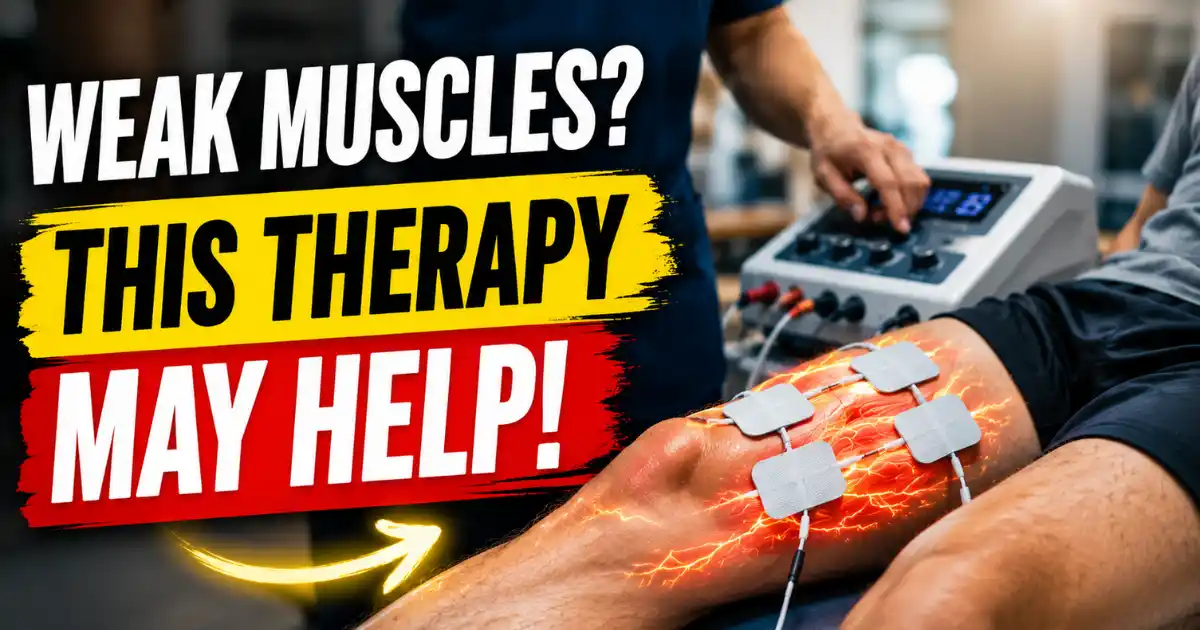
- Electrodes Are Placed on the Target Muscle: Adhesive electrodes are positioned over specific muscles that require strengthening or rehabilitation.
- The Therapist Adjusts Intensity Levels: The electrical stimulation settings are customized according to the patient’s comfort level, treatment goals, and muscle condition.
- Controlled Muscle Contractions Occur: The device delivers electrical impulses that cause the muscle to contract and relax in a controlled manner, helping improve muscle activation.
- Session Duration Is Typically 10–20 Minutes: Most treatments last between 10 and 20 minutes, although the duration may vary based on individual needs.
- Therapy Is Often Combined with Exercise: For optimal results, Russian Current therapy is frequently used alongside strengthening exercises and functional rehabilitation programs.
Remarkable Benefits and Clinical Applications
With its unique characteristics, Russian Current physiotherapy stands out in the realm of electrical muscle stimulation therapy. This form of therapy has been increasingly adopted in clinical settings due to its efficacy in muscle rehabilitation and pain management.
Accelerated Muscle Rehabilitation Results
Russian Current electrotherapy is particularly noted for its ability to accelerate muscle rehabilitation. By enhancing muscle contractions, it facilitates muscle strengthening physiotherapy, leading to quicker recovery times.
Post-Injury Recovery Timelines
Studies have shown that the use of Russian stim therapy can significantly reduce post-injury recovery timelines. Patients undergoing this therapy often report faster progress in their rehabilitation programs.
Strength Gains Compared to Traditional Methods
Compared to traditional physiotherapy methods, Russian Current physiotherapy has been shown to yield greater strength gains in shorter periods. This is attributed to its ability to induce strong muscle contractions without the need for voluntary effort.

Pain Management and Reduction
Another significant benefit of Russian Current electrotherapy is its role in pain management. By stimulating muscle contractions, it helps in reducing muscle spasms and pain, thereby enhancing patient comfort during the recovery process.
Availability and Adoption in Indian Physiotherapy Clinics
Russian Current physiotherapy is gaining popularity in Indian physiotherapy clinics due to its effectiveness and the growing body of clinical evidence supporting its use. As more physiotherapists become trained in this modality, its adoption is expected to increase, making it a staple in muscle rehabilitation programs across the country.
🎯 Ideal Conditions Treated with Russian Current Therapy
Russian Current therapy is commonly incorporated into rehabilitation programs for a variety of conditions involving muscle weakness, reduced muscle activation, and functional recovery challenges.
- 🦵 Quadriceps Weakness: Helps improve muscle activation and strength in patients experiencing weakness of the thigh muscles.
- 🏥 ACL Rehabilitation: Frequently used after anterior cruciate ligament (ACL) reconstruction to assist with quadriceps re-education and strengthening.
- 🚶 Knee Replacement Recovery: May support muscle strengthening and functional recovery following total or partial knee replacement surgery.
- 💪 Muscle Atrophy: Can help stimulate weakened muscles that have lost strength due to immobilization, injury, or prolonged inactivity.
- ⚽ Sports Injuries: Often included in sports rehabilitation programs to aid muscle recovery and restore athletic performance.
- 🤲 Shoulder Rehabilitation: May be used to improve muscle recruitment and support recovery after shoulder injuries or surgical procedures.
🎯 Who May Benefit From Russian Current Therapy?
Russian Current therapy may be recommended by a physiotherapist for individuals experiencing muscle weakness, reduced muscle activation, or difficulty regaining strength after injury or surgery.
- 🏥 Post-Surgical Patients: Individuals recovering from procedures such as ACL reconstruction, knee replacement, shoulder surgery, or other orthopedic surgeries may benefit from improved muscle activation during rehabilitation.
- ⚽ Sports Injury Rehabilitation: Athletes recovering from muscle strains, ligament injuries, or prolonged inactivity can use Russian Current therapy as part of a structured recovery program.
- 🦵 Muscle Weakness After Immobilization: Patients who have worn casts, braces, or experienced extended bed rest may benefit from targeted muscle stimulation to help restore strength.
- 🧠 Neuromuscular Re-Education Programs: Russian Current can assist in retraining muscles to contract properly after injury, surgery, or periods of disuse.
- 🏃 Athletes Seeking Muscle Activation Training: Some sports rehabilitation programs use Russian Current therapy to support muscle recruitment and optimize training outcomes.
⚠️ Who Should Avoid Russian Current Therapy?
Although Russian Current therapy is generally considered safe when administered by a qualified physiotherapist, it may not be appropriate for everyone. Certain medical conditions and circumstances require caution or may make this treatment unsuitable.
- ❤️ People with Pacemakers or Implanted Electronic Devices: Electrical stimulation may interfere with the function of pacemakers, defibrillators, or other implanted medical devices.
- 🤰 Pregnant Individuals (Unless Medically Approved): Russian Current therapy should only be used during pregnancy if specifically recommended and supervised by a qualified healthcare professional.
- 🦠 Active Infections at the Treatment Site: Electrical stimulation should generally be avoided over areas affected by infection, inflammation, or severe skin irritation.
- 🩹 Open Wounds or Damaged Skin: Electrodes should not be placed directly over open wounds, broken skin, or areas with significant tissue damage unless specifically advised by a healthcare provider.
- 🧠 Certain Neurological Disorders: Individuals with specific neurological conditions may require a detailed assessment before undergoing electrical stimulation therapy.
- ⚡ Uncontrolled Epilepsy: Patients with uncontrolled seizure disorders should consult their physician before receiving Russian Current therapy.
Conclusion: The Future of Russian Current in Modern Rehabilitation
Russian Current therapy has emerged as a game-changer in physiotherapy electrotherapy modalities, offering pain-free muscle stimulation and accelerated muscle rehabilitation results. As the demand for advanced physiotherapy treatment continues to grow, the adoption of physiotherapy machines with Russian Current is expected to rise, particularly in sports physiotherapy electrotherapy.
The benefits of Russian Current in post-injury muscle strengthening and pain management have been well-documented, making it an essential tool for physiotherapists. With its ability to provide effective neuromuscular electrical stimulation (NMES) therapy, Russian Current is poised to play a significant role in shaping the future of muscle rehabilitation treatment.
As the field of physiotherapy continues to evolve, the integration of Russian Current with other electrotherapy modalities is likely to lead to even more innovative treatment options, enhancing patient outcomes and satisfaction.
FAQ
What is Russian Current Therapy used for in Physiotherapy?
Russian Current Therapy is used in physiotherapy for muscle strengthening, rehabilitation, and pain management. It is a form of electrostimulation therapy that helps improve muscle function and reduce muscle atrophy.
How does Russian Current differ from other forms of electrotherapy?
Russian Current differs from other forms of electrotherapy in its specific waveform and frequency, which is designed to stimulate muscle contractions. It is particularly effective for strengthening muscles and improving muscle tone.
Is Russian Current Therapy safe?
Yes, Russian Current Therapy is generally considered safe when used properly by a trained physiotherapist. However, it may not be suitable for everyone, particularly those with certain medical conditions or implants.
What are the benefits of using Russian Current in muscle rehabilitation?
The benefits of using Russian Current in muscle rehabilitation include accelerated muscle recovery, improved muscle strength, and reduced muscle atrophy. It can also help manage pain and improve overall muscle function.
Can Russian Current Therapy be used for post-injury recovery?
Yes, Russian Current Therapy can be used for post-injury recovery to help restore muscle function and strength. It is often used in conjunction with other physiotherapy techniques to promote optimal recovery.
How does Russian Current Therapy help with pain management?
Russian Current Therapy can help with pain management by releasing endorphins, the body’s natural pain-relievers, and by reducing muscle spasms. It can also help improve muscle function, which can reduce pain and discomfort.
Is Russian Current Therapy available in Indian physiotherapy clinics?
Yes, Russian Current Therapy is available in many Indian physiotherapy clinics. It is a widely used modality in physiotherapy practices, particularly for muscle rehabilitation and pain management.
Can I use a Russian Current device at home?
While it is possible to purchase a Russian Current device for home use, it is generally recommended to use this therapy under the guidance of a trained physiotherapist to ensure safe and effective treatment.
📚 References
The information presented in this article is based on established principles of physiotherapy, neuromuscular electrical stimulation (NMES), and muscle rehabilitation. Readers interested in learning more may refer to the following resources:
- Ward AR, Shkuratova N. Russian Electrical Stimulation: The Early Experiments. Physical Therapy. 2002;82(10):1019–1030.
- Laufer Y, Elboim-Gabyzon M. Does Neuromuscular Electrical Stimulation Enhance Muscle Strength and Physical Function? Journal of Strength and Conditioning Research. 2011.
- Snyder-Mackler L, Delitto A, Bailey SL, Stralka SW. Strength of the Quadriceps Femoris Muscle and Functional Recovery After Reconstruction of the Anterior Cruciate Ligament. Journal of Bone and Joint Surgery.
- American Physical Therapy Association (APTA). Clinical Practice Guidelines for Therapeutic Exercise and Rehabilitation.
- National Strength and Conditioning Association (NSCA). Evidence-Based Guidelines for Muscle Strengthening and Neuromuscular Training.
- World Physiotherapy. International Standards and Best Practices for Physiotherapy Rehabilitation.

Dr. Shabbir Hussain, BPT
Registered Physiotherapist | Clinical Rehabilitation Specialist
Maharashtra OTPT Council Reg. No.: PR-2021/08/PT/009532
Society of Onco Physiotherapists Reg. No.: SOP/00033/LM
Dr. Shabbir Hussain, BPT, Registered Physiotherapist with over 8 years of experience in physiotherapy, kidney rehabilitation, oncological rehabilitation, and lymphedema management. He specializes in balance disorders, pain management, musculoskeletal rehabilitation, strengthening programs, and VR-based rehabilitation.