
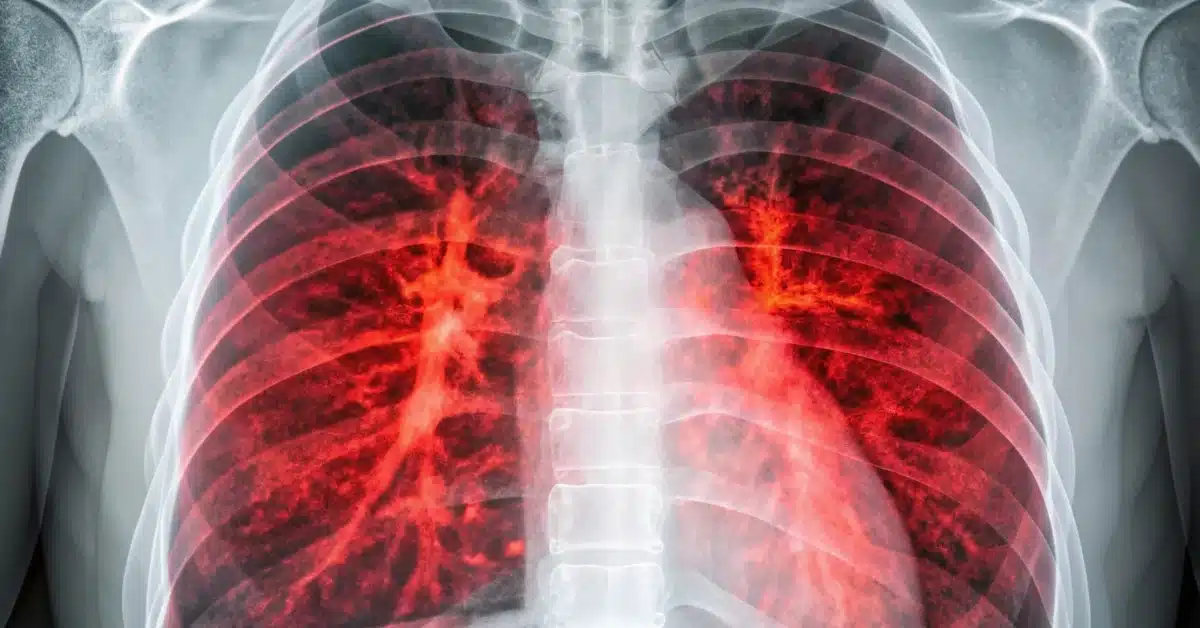
A new study has brought a breakthrough warning in the fight against lung cancer, emphasizing that more screenings are crucial for prevention.

Lung cancer remains one of the leading causes of cancer-related deaths worldwide. However, a recent study has shown that early detection through screenings can significantly improve survival rates.
The study’s findings highlight the importance of increased screenings for high-risk populations, offering a hopeful outlook in the battle against this deadly disease.
Key Takeaways
- Early detection is crucial in fighting lung cancer.
- A new study reveals that more screenings can improve survival rates.
- High-risk populations should undergo regular screenings.
- The study’s findings offer hope in the fight against lung cancer.
- Increased awareness and screenings are key to prevention.
The Growing Threat of Lung Cancer in India
The incidence of lung cancer in India has been on the rise, posing a substantial threat to public health. This growing concern necessitates a closer look at the current statistics, trends, and risk factors associated with lung cancer in the Indian population.
Current Statistics and Trends
Lung cancer is one of the leading causes of cancer-related deaths worldwide, and India is no exception. Recent statistics indicate a significant increase in lung cancer cases, particularly among the urban population.
Risk Factors Specific to the Indian Population
The risk factors for lung cancer in India can be broadly categorized into environmental factors and lifestyle considerations.
Environmental Factors
Exposure to air pollution, both indoor and outdoor, is a significant risk factor. The use of solid fuels for cooking and heating in rural areas leads to high levels of indoor air pollution.
Lifestyle Considerations
Smoking is a major risk factor for lung cancer. Additionally, exposure to secondhand smoke and dietary habits also play a crucial role.
| Risk Factor | Description | Prevalence in India |
|---|---|---|
| Air Pollution | Exposure to poor air quality | High |
| Smoking | Use of tobacco products | Moderate to High |
| Dietary Habits | Low intake of fruits and vegetables | Moderate |
Understanding these risk factors is crucial for developing effective prevention and early detection strategies. Early detection of lung cancer significantly improves survival rates, making it essential to adhere to lung cancer screening guidelines.
New Study Reveals Promising Results
A new study has brought hope in the fight against lung cancer with its promising results. This breakthrough research not only highlights the importance of early detection but also underscores the benefits of lung cancer screenings in improving survival rates.
Research Methodology and Participants
The study involved a diverse group of participants from across India, with ages ranging from 50 to 75 years. The research methodology included low-dose computed tomography (LDCT) scans for screening, which is known for its effectiveness in detecting lung cancer at an early stage.
Key Findings on Early Detection
The study’s findings were remarkable, showing a significant improvement in early detection rates among participants who underwent regular screenings. The key findings can be summarized as follows:
- Early detection through LDCT scans significantly improves treatment outcomes.
- Regular screenings lead to a reduction in lung cancer mortality rates.
Survival Rate Improvements
One of the most encouraging outcomes of the study was the improvement in survival rates among those who were diagnosed early. The data showed that early detection can lead to a significant increase in survival rates, giving new hope to patients and their families.
Cost-Effectiveness of Regular Screening
The study also examined the cost-effectiveness of implementing regular lung cancer screenings on a larger scale. The findings suggested that while there are initial costs associated with screening, the long-term benefits and cost savings from early detection and treatment far outweigh these expenses.
“The results of this study are a significant step forward in our fight against lung cancer. By adopting lung cancer screening recommendations, we can potentially save thousands of lives in India alone.”
The study’s conclusions emphasize the need for widespread adoption of lung cancer screening programs, particularly in high-risk populations. By doing so, we can harness the benefits of lung cancer screenings to combat this deadly disease more effectively.
The Key to Fighting Lung Cancer Is More Screenings
Regular screenings are the cornerstone in the fight against lung cancer, offering a beacon of hope for early detection and treatment. The importance of these screenings cannot be overstated, as they significantly improve survival chances by identifying the disease at an early stage.
Types of Effective Screening Methods
There are several effective methods for screening lung cancer. The most recommended include:
- Low-Dose CT Scans: This is the most effective method for detecting lung cancer early. It involves a CT scan that uses a low dose of radiation.
- Other Diagnostic Tools: Besides low-dose CT scans, other tools like chest X-rays and sputum cytology are used, although they are less effective for early detection.
Low-Dose CT Scans
Low-dose CT scans are particularly beneficial for individuals at high risk. They provide detailed images of the lungs, helping doctors identify any abnormalities.
Other Diagnostic Tools
While not as effective as low-dose CT scans, other diagnostic tools play a crucial role in diagnosing lung cancer. For instance, chest X-rays can sometimes detect lung tumors, although they might not catch them as early as a CT scan.
Who Should Get Screened and When
Screening is particularly recommended for those at high risk, including:
- Individuals aged 55 to 74 years
- Those with a history of heavy smoking
- People with a family history of lung cancer
Consulting with a healthcare provider can help determine the best screening schedule.
Accessibility of Screening Services in India
In India, screening services are becoming more accessible, with many hospitals and diagnostic centers offering low-dose CT scans. However, awareness and accessibility remain challenges in rural areas.

Efforts to increase awareness and improve access to screening services are crucial in the fight against lung cancer. By understanding the importance of screenings and utilizing available resources, individuals can take proactive steps towards early detection and treatment.
Conclusion: A Hopeful Future Through Proactive Screening
The fight against lung cancer is gaining momentum, and the key to victory lies in proactive screening. By detecting the disease at an early stage, individuals can significantly improve their chances of survival. As highlighted in the new study, increasing survival rates for lung cancer is a realistic goal when screenings become more accessible and widespread.
In India, where lung cancer is a growing concern, adopting effective screening methods can be a game-changer. By identifying those at risk and encouraging them to undergo screenings, we can detect the disease before symptoms appear. This proactive approach can lead to timely interventions, ultimately saving lives.
As we move forward, it is essential to make screening services more accessible to the masses. By doing so, we can empower individuals to take control of their health, leading to a hopeful future where lung cancer is no longer a death sentence. With continued research and awareness, we can make a significant difference in the lives of those affected by this disease.
FAQ
What is the most effective way to detect lung cancer early?
The most effective way to detect lung cancer early is through regular screenings, particularly low-dose CT scans, which have been shown to reduce lung cancer mortality rates.
Who is at high risk for lung cancer and should get screened?
Individuals between the ages of 50 and 74, with a history of smoking, are considered high-risk for lung cancer and should consult their doctor about getting screened. Other risk factors include exposure to carcinogens, family history, and certain genetic mutations.
What are the benefits of lung cancer screenings?
Lung cancer screenings can detect cancer at an early stage, when it is more treatable, improving survival rates and reducing mortality. Regular screenings can also help identify other health issues, such as lung disease.
Are lung cancer screenings widely available in India?
While there is still a need for increased access to lung cancer screenings in India, many major hospitals and diagnostic centers now offer low-dose CT scans and other screening services, particularly in urban areas.
How often should I get screened for lung cancer?
The frequency of lung cancer screenings depends on individual risk factors and medical history. Generally, high-risk individuals should get screened annually, but it’s essential to consult with a doctor to determine the best screening schedule.
Can lung cancer screenings prevent lung cancer?
While screenings can’t prevent lung cancer, they can detect it early, when it’s more treatable. Quitting smoking and avoiding exposure to carcinogens are the most effective ways to prevent lung cancer.
What is the cost-effectiveness of regular lung cancer screenings?
Studies have shown that regular lung cancer screenings, particularly low-dose CT scans, are cost-effective in reducing lung cancer mortality rates and improving survival rates, making them a valuable investment in public health.

Dr. Shabbir Hussain, BPT
Registered Physiotherapist | Clinical Rehabilitation Specialist
Maharashtra OTPT Council Reg. No.: PR-2021/08/PT/009532
Society of Onco Physiotherapists Reg. No.: SOP/00033/LM
Dr. Shabbir Hussain, BPT, Registered Physiotherapist with over 8 years of experience in physiotherapy, kidney rehabilitation, oncological rehabilitation, and lymphedema management. He specializes in balance disorders, pain management, musculoskeletal rehabilitation, strengthening programs, and VR-based rehabilitation.