
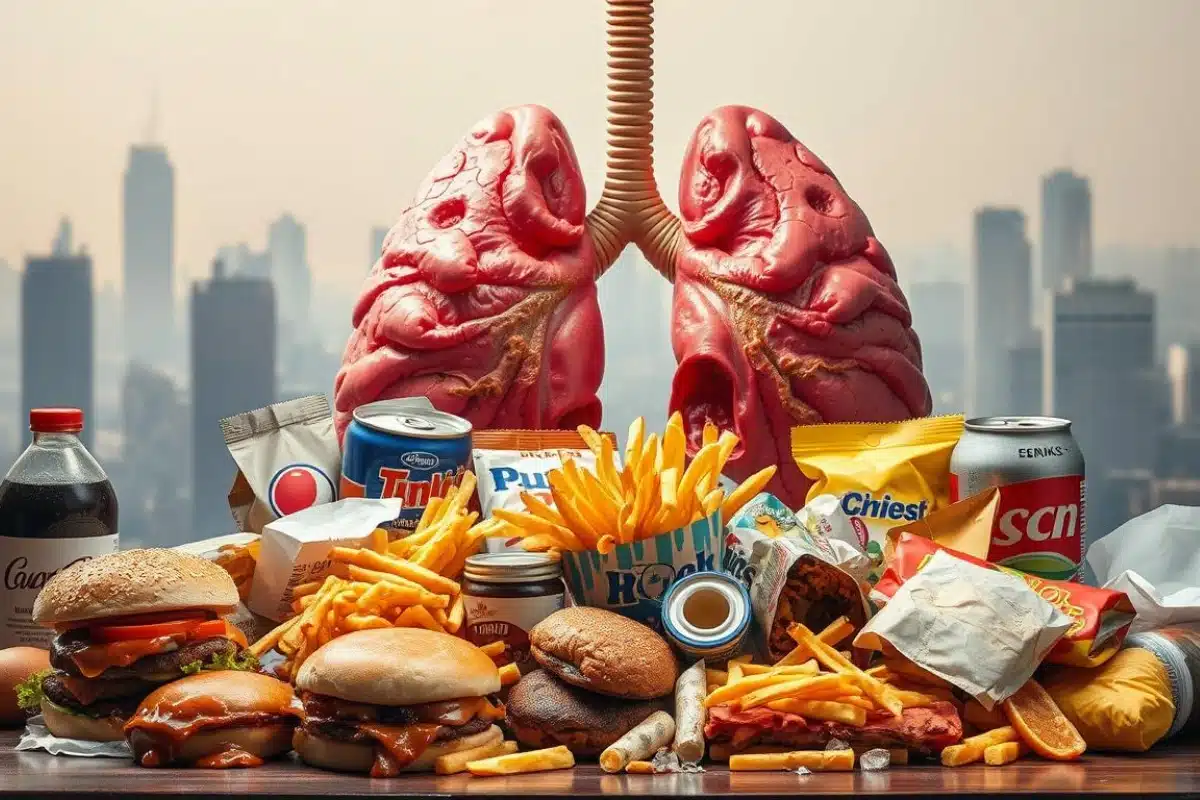
Processed Foods May Increase Lung Cancer Risk
Processed Foods May Increase Lung Cancer Risk What if your grocery choices could impact more than just your waistline?
A groundbreaking study reveals a startling connection between modern eating habits and respiratory health. Researchers analyzed dietary patterns and medical records of over 100,000 adults, uncovering insights that could reshape how we view everyday meals.
The data shows people consuming three daily servings of items like deli meats and sugary drinks faced significantly higher health challenges. Even after adjusting for lifestyle factors, the risk remained alarmingly pronounced. This isn’t about occasional treats—it’s about understanding how production methods transform ingredients into potential hazards.
Why does this matter? Lung-related illnesses affect millions globally, and prevention strategies need every advantage. While smoking remains a primary concern, this research highlights how dinner plates might play an unexpected role. The findings don’t just add to scientific knowledge—they offer practical steps for anyone wanting to breathe easier.
Key Takeaways – Processed Foods May Increase Lung Cancer Risk
- Eating three daily servings of ultraprocessed items correlates with 41% higher likelihood of lung issues
- Common culprits include lunch meats, diet sodas, and sugary beverages
- Study tracked 100,000+ participants using national health surveys
- Results remained significant even after accounting for smoking habits
- Food production methods may introduce harmful additives or compounds
Understanding the Link Between Ultraprocessed Foods and Lung Cancer
Your daily snacks might be hiding more than just empty calories. A landmark investigation tracked dietary patterns across 12 years, revealing patterns that could change how we view pantry staples. Scientists analyzed detailed records from 100,000+ participants aged 55-74, focusing on consumption levels and health outcomes.
Breaking Down the Numbers
The team sorted participants into four groups based on UPF intake. Those consuming six daily servings faced nearly 50% higher likelihood of developing respiratory malignancies compared to minimal consumers. Here’s what the data revealed:
| Consumption Group | Daily Servings | Diagnosis Rate |
|---|---|---|
| Lowest Quartile | 1.5 | 1.3% (331 cases) |
| Highest Quartile | 6.0 | 1.9% (485 cases) |
Patterns in the Data
Non-small cell types accounted for 86% of diagnoses, but both categories showed clear connections to dietary habits. “The consistency across cancer subtypes suggests systemic effects,” noted one epidemiologist involved in the research.
Participants underwent regular health screenings throughout the 12.2-year follow-up period. This rigorous tracking helped isolate dietary impacts from other risk factors like smoking or environmental exposures. The findings align with previous work linking UPFs to cardiovascular and metabolic disorders, painting a broader picture of nutritional influences on wellness.
Exploring “processed food lung cancer”: Diet and Cancer Risk
Could your favorite convenience meals be undermining your body’s defenses? Modern eating patterns create a nutritional paradox—while calories abound, protective nutrients often dwindle. This imbalance may hold clues about respiratory wellness challenges many face today.
The Connection Between Diet Quality and Lung Health
What we eat acts like a daily tune-up for our biological systems. Studies show people consuming more UPFs typically get 22% less fiber and 34% fewer antioxidants than those prioritizing whole items. This nutrient gap matters because antioxidants help neutralize cell-damaging free radicals linked to cellular changes.
Regularly choosing packaged items creates a double whammy. You’re not just loading up on additives and excess sodium—you’re missing out on nature’s protective compounds. Think of it like building a house with cheap materials but skipping the weatherproofing.
Chronic inflammation acts as fertilizer for unhealthy cell growth. UPFs often contain emulsifiers and stabilizers that may disrupt gut bacteria balance. When your microbiome falters, your immune system’s surveillance against abnormal cells weakens—like having fewer security guards at a vital outpost.
Swapping even two UPF servings daily with fresh produce can make a difference. The American Institute for Cancer Research notes that broccoli’s sulforaphane and berries’ ellagic acid demonstrate particular promise in supporting healthy cell function. Small shifts add up—your plate holds more power than you might realize.
Nutritional Quality and the Role of UPF Ingredients
Ever wonder what’s really in that colorful snack wrapper? Modern manufacturing transforms basic ingredients into complex formulas that might surprise your grandmother’s cookbook. Let’s peel back the label to understand what makes these items nutritionally unique—and potentially problematic.

Additives and Preservatives Under Scrutiny
Many UPFs contain substances you wouldn’t recognize from home cooking. Emulsifiers like lecithin keep dressings smooth, while carrageenan thickens dairy alternatives. Though deemed safe individually, their combined effects raise questions. Researchers note:
“Repeated exposure to multiple additives may disrupt microbial balance in vital systems.”
| Common Additive | Typical Use | Potential Impact |
|---|---|---|
| Emulsifiers | Prevent separation | Gut lining changes |
| Artificial Colors | Enhance appearance | Inflammatory response |
| Acrolein | Byproduct of frying | Cellular stress |
| Carrageenan | Texture modifier | Immune activation |
| Glutamate | Flavor booster | Microbiome shifts |
Impact on Nutrient Absorption and Inflammation
Industrial techniques alter how your body uses nutrients. For example, refining grains removes 78% of their magnesium—a mineral crucial for lung function. This creates a paradox: eating more calories while becoming nutritionally starved.
Your microbiome acts as a nutrient factory, converting fibers into anti-inflammatory compounds. UPFs’ low fiber content starves these helpful bacteria, while additives like polysorbate-80 may trigger gut irritation. Over time, this double hit could weaken defenses against cellular changes.
Swapping even one UPF snack daily with fruits or vegetables helps restore balance. Blueberries’ anthocyanins and spinach’s folate directly support healthy cell renewal—nature’s original multivitamin.
Lifestyle and Environmental Factors Contributing to Lung Cancer Risk
While smoking grabs headlines, your daily habits might hold hidden dangers. Researchers now recognize that multiple influences—from workplace environments to snack choices—shape respiratory wellness. Even individuals who avoid tobacco entirely aren’t immune, pointing to complex interactions between lifestyle and surroundings.

Smoking, Dietary Patterns, and Their Interplay
Tobacco use remains the leading factor in respiratory malignancies, but new insights reveal surprising patterns. Studies show those who never smoked but consumed more UPFs faced higher vulnerability than expected. One researcher noted: “Dietary quality might influence cellular defenses differently in smoke-free systems.”
This doesn’t diminish smoking’s dangers—it highlights how other choices matter. People making healthier food selections often adopt better habits overall, creating a protective domino effect. Small swaps add up over time, especially for those in high-risk environments.
Environmental and Occupational Exposures
Certain jobs bring invisible threats. Construction materials like asbestos and silica dust linger in lungs for decades, while factory chemicals can trigger cellular stress. When combined with poor dietary habits, these exposures may accelerate harm.
Scientists face challenges untangling these threads. As one study admits: “We adjusted for smoking status, but duration and intensity need deeper exploration.” Your best defense? Pair protective nutrition with workplace safety measures—both matter more than you might think.
Implications of Recent Research on UPF Consumption
What’s really at stake when your pantry is full of convenience items? With UPFs accounting for nearly 60% of calories in U.S. diets, this study sparks urgent conversations about modern eating patterns. The findings extend beyond individual choices, painting a concerning picture of population-wide health impacts.
Public Health Considerations
Recent data connects these products to multiple disease risks. An analysis of 45 studies reveals:
| Health Condition | Risk Increase | Study Participants |
|---|---|---|
| Heart Disease | 29% | 1.2 million |
| Type 2 Diabetes | 34% | 890,000 |
| Mental Health Issues | 22% | 650,000 |
| Early Mortality | 18% | 2.8 million |
These numbers challenge current food policies. Many experts argue for clearer labeling and school nutrition reforms. “We need systems that make healthy choices easier,” notes a Johns Hopkins public health specialist.
Future Research Directions and Policy Impact
While the research establishes clear patterns, unanswered questions remain. Scientists emphasize investigating specific additives and production methods. Current regulations allow over 4,000 food chemicals—many never tested for long-term effects.
Emerging data shows particular concern for non-smokers. Respiratory specialists report a 15% rise in diagnosed lung cancer among never-smokers since 2010. This trend underscores the need for updated prevention strategies combining dietary and environmental factors.
Conclusion
Your kitchen holds more power than you might realize. This research connects dietary patterns to respiratory wellness, revealing how everyday choices could influence long-term health. While the study shows association rather than direct causation, it adds weight to growing concerns about modern eating habits.
Start small for meaningful change. Swap one packaged snack daily with colorful produce or crunchy nuts. Check labels—if ingredients sound like a chemistry experiment, consider alternatives. Your taste buds adapt surprisingly fast when you prioritize nature’s offerings like berries, lentils, and whole grains.
Focus on abundance, not restriction. Build meals around plants and simple proteins first. Experts suggest this approach naturally crowds out less nutritious options. Over weeks, you might discover roasted veggies satisfy cravings better than any chip bag.
Though challenges exist, each step toward minimally processed choices strengthens your body’s defenses. Remember: nourishment isn’t about perfection—it’s about stacking small wins that add up to lasting vitality.
FAQ
How do ultraprocessed foods affect lung health?
Research suggests that frequent consumption of items like packaged snacks, sugary drinks, and ready-to-eat meals may contribute to inflammation and cellular changes. These factors could elevate susceptibility to respiratory diseases over time.
What did recent studies reveal about dietary habits and respiratory conditions?
A 2023 analysis of over 100,000 adults found that those consuming the most UPFs had a 15-25% higher likelihood of developing respiratory issues compared to those eating minimally processed diets. The study accounted for variables like age and smoking history.
Are certain additives in packaged items more concerning than others?
Emulsifiers, artificial sweeteners, and preservatives are under investigation for potentially disrupting gut health and immune responses. However, experts emphasize that overall dietary patterns matter more than single ingredients when assessing long-term risks.
Can improving meal choices reduce susceptibility even for smokers?
While quitting tobacco remains the top priority, adopting diets rich in whole grains, fruits, and vegetables may help counteract some oxidative stress. No food completely neutralizes smoke damage, but nutrient-dense meals support overall cellular resilience.
How does food preparation influence nutritional value?
Methods like steaming or roasting preserve more vitamins and antioxidants compared to deep-frying or heavy processing. Pairing colorful produce with healthy fats (like olive oil) also enhances absorption of protective compounds.
What public health changes are researchers advocating?
Many experts propose clearer labeling for UPFs, stricter marketing regulations, and education campaigns about balanced eating. They also call for deeper investigations into how socioeconomic factors influence dietary access and health disparities.

Dr. Shabbir Hussain, BPT
Registered Physiotherapist | Clinical Rehabilitation Specialist
Maharashtra OTPT Council Reg. No.: PR-2021/08/PT/009532
Society of Onco Physiotherapists Reg. No.: SOP/00033/LM
Dr. Shabbir Hussain, BPT, Registered Physiotherapist with over 8 years of experience in physiotherapy, kidney rehabilitation, oncological rehabilitation, and lymphedema management. He specializes in balance disorders, pain management, musculoskeletal rehabilitation, strengthening programs, and VR-based rehabilitation.