
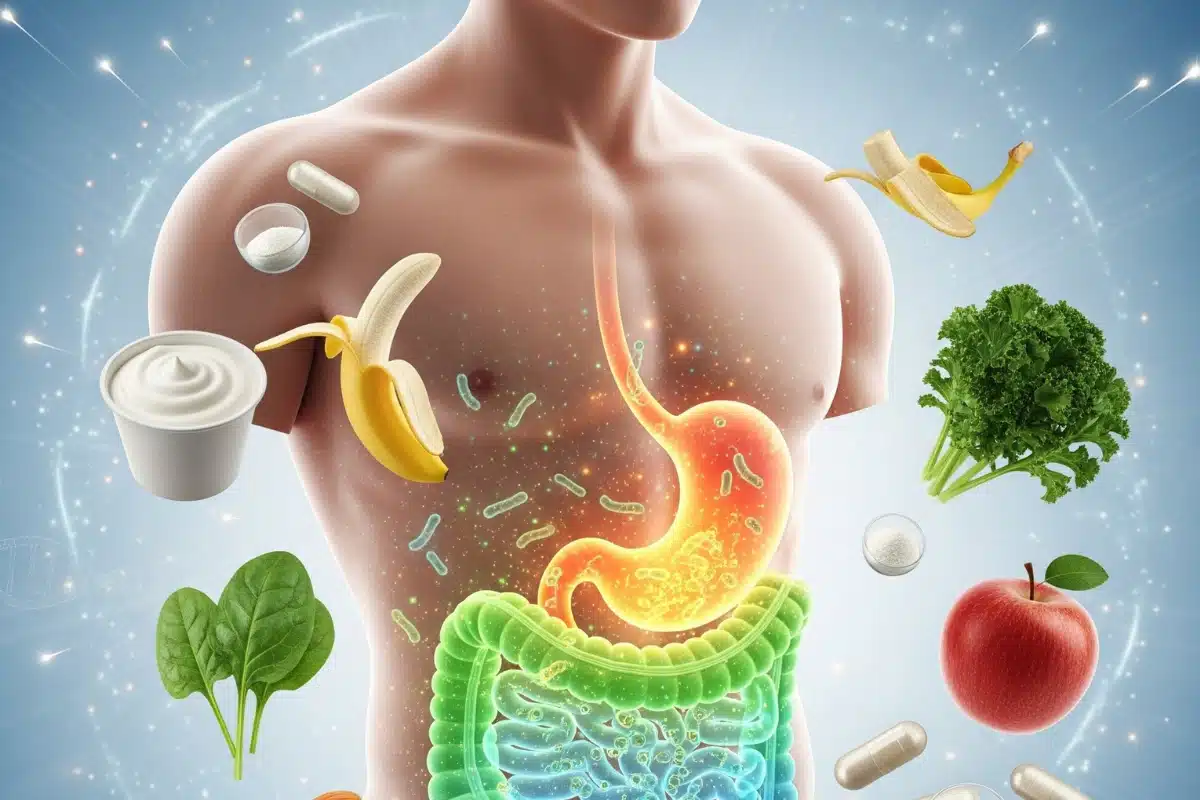
How to improve your gut health ? – Simple Steps
How to improve your gut health ? – Simple Steps A healthy gut microbiome plays a vital role in overall wellness.
It helps digest food, supports the immune system, and even influences mental health.
When your digestive system is balanced, it can prevent many diseases and keep you feeling your best.

Dr. Rachel Schiesser from Houston Methodist emphasizes that modern lifestyles often disrupt this balance. Stress, poor diet, and lack of sleep can lead to common digestive issues. Instead of relying on quick-fix supplements, focus on sustainable changes like eating fiber-rich foods and managing stress.
This article provides evidence-based, actionable advice to help you nurture your digestive system. Small, consistent steps can make a big difference in maintaining a healthy gut and improving your overall health.
Key Takeaways – How to improve your gut health ? – Simple Steps
- A balanced gut microbiome supports digestion and immunity.
- Modern lifestyle factors can disrupt digestive health.
- Dr. Rachel Schiesser recommends sustainable changes over quick fixes.
- Diet adjustments and stress management are key steps.
- Avoid relying solely on supplements for gut health.
Introduction to Gut Health
Your digestive system houses trillions of microbes essential for vitality. These microbes, collectively known as the gut microbiome, include over 200 species that influence everything from digestion to mental health.
A balanced microbiome supports immunity, metabolism, and overall well-being.
Unfortunately, modern diets often disrupt this balance. Studies show that 60% of Americans consume ultra-processed foods, which can harm beneficial bacteria and lead to digestive issues.
Beyond digestion, the microbiome plays a critical role in regulating inflammation and supporting mental health.
An imbalance can trigger systemic inflammation, increasing the risk of conditions like obesity and autoimmune disorders.
The Victorian health department warns against unverified treatments and quick fixes. A food-first approach, rich in fiber and fermented foods, is a safer and more effective way to nurture your microbiome.
Prioritizing whole foods over supplements can help restore balance and unlock the full health benefits of a thriving gut.
What is Gut Health?
The gut microbiome is a complex ecosystem that impacts overall wellness. It consists of trillions of microbes, including bacteria, fungi, and viruses, that reside in your digestive tract. These microbes play a vital role in maintaining a healthy system.
While the stomach is just one part of the digestive tract, the gut refers to the entire gastrointestinal system. This includes the stomach, small intestine, and large intestine. The microbes in your gut help break down fiber into short-chain fatty acids, which provide energy and reduce inflammation.
The Role of the Gut Microbiome
The gut microbiome is essential for nutrient absorption and vitamin production. It also produces serotonin, a neurotransmitter that regulates mood. In fact, 95% of serotonin is made in the gut. An imbalance in the microbiome can lead to conditions like irritable bowel syndrome (IBS) and inflammatory bowel disease (IBD).
Another important concept is “leaky gut,” where the intestinal lining becomes permeable, allowing toxins to enter the bloodstream. This can trigger systemic inflammation and increase the risk of chronic diseases. A diverse microbiome, on the other hand, reduces the risk of diabetes and arthritis.
Some factors affecting the microbiome are inherited, but many are modifiable. Diet, stress, and lifestyle choices can significantly influence its composition. A healthy microbiome supports digestion, immunity, metabolism, and neurotransmission.
| Function | Description |
|---|---|
| Digestion | Breaks down food and absorbs nutrients. |
| Immunity | Supports the immune system to fight infections. |
| Metabolism | Regulates energy production and storage. |
| Neurotransmission | Produces neurotransmitters like serotonin. |
Understanding the role of the gut microbiome is key to maintaining a balanced digestive system. Small changes in diet and lifestyle can have a big impact on your overall health.
Signs of an Unhealthy Gut
Your body often sends signals when your digestive system is out of balance. Recognizing these signs unhealthy gut can help you take corrective action before issues escalate. A disrupted microbiome can manifest in various ways, affecting both physical and mental health.
From digestive discomfort to unexpected weight changes, these symptoms are your body’s way of signaling that something is off. Paying attention to these red flags can help you restore balance and maintain overall wellness.
Common Symptoms to Watch For
Here are seven key signs unhealthy gut to look out for:
- C: Bloating, gas, and diarrhea often indicate hydrogen sulfide overgrowth.
- Sugar Cravings: An imbalance in gut bacteria can increase cravings for sugary foods.
- Weight Changes: Unexpected weight loss may be linked to Small Intestinal Bacterial Overgrowth (SIBO).
- Fatigue: Chronic tiredness can result from poor nutrient absorption.
- Skin Issues: Psoriasis and eczema are often tied to reduced Akkermansia levels.
- Autoimmune Conditions: A leaky gut can trigger systemic inflammation and autoimmune responses.
- Food Intolerances: Difficulty digesting certain foods may stem from microbial imbalances.
Dr. Rachel Schiesser highlights that chronic diarrhea or constipation lasting more than three weeks are significant red flags. These persistent issues often indicate a deeper imbalance that requires attention.
| Symptom | Microbial Imbalance |
|---|---|
| Bloating | Hydrogen sulfide overgrowth |
| Constipation | Low Bifidobacteria levels |
| Psoriasis | Reduced Akkermansia levels |
| Nighttime Reflux | Disrupted circadian gut rhythms |
| Brain Fog | Bacterial endotoxins crossing the blood-brain barrier |
Understanding these signs unhealthy gut and their microbial connections can help you take proactive steps toward better digestive health.
How to Improve Your Gut Health?
Making small adjustments to your diet can have a big impact on your digestive system. The foods you eat directly influence the balance of your microbiome, which plays a crucial role in overall wellness. By focusing on nutrient-rich choices and avoiding harmful additives, you can support a healthier digestive tract.
Dietary Changes for a Healthier Gut
Start by incorporating more fiber-rich foods into your meals. Fiber acts as fuel for beneficial bacteria, helping them thrive. For example, a cup of chickpeas contains 12 grams of fiber, while a slice of white bread has only 2 grams. This simple swap can make a significant difference.
Fermented foods like kefir and kimchi are also excellent choices. They introduce beneficial bacteria into your system, promoting a balanced microbiome. A 7-day meal plan could include oatmeal with kefir for breakfast and kimchi salads for lunch.
Be mindful of hidden sugars in seemingly healthy options. Some yogurts contain up to 25 grams of sugar per serving. Dr. Rachel Schiesser recommends choosing yogurts with less than 6 grams of added sugar.
The Impact of Processed Foods
Ultra-processed foods make up 60% of the average American diet, but they can harm your microbiome. These foods often contain additives like maltodextrin, which disrupt the balance of beneficial bacteria. Reading labels carefully can help you avoid these harmful ingredients.
A case study showed that reducing processed foods improved IBS symptoms in just six weeks. Common offenders include deli meats, sugary cereals, and microwave meals. Cutting these out can lead to noticeable improvements in digestive health.
| Food | Fiber Content |
|---|---|
| Chickpeas (1 cup) | 12g |
| White Bread (1 slice) | 2g |
| Oatmeal (1 cup) | 4g |
| Kimchi (1 cup) | 2g |
“Choosing whole, unprocessed foods is one of the simplest ways to support a healthy digestive system.”
By making these dietary changes, you can take meaningful steps toward better digestive health. Focus on whole foods, limit processed options, and enjoy the benefits of a balanced microbiome.
The Role of Probiotics and Prebiotics
Probiotics and prebiotics are essential for maintaining a balanced digestive system. These two components work together to support a thriving microbiome, which plays a key role in overall wellness. Probiotics are live beneficial bacteria, while prebiotics are the fibers that feed them.
Benefits of Probiotic Foods
Probiotic-rich foods introduce beneficial bacteria into your system. For example, sauerkraut contains 28 probiotic strains, while kefir offers up to 30 strains. Yogurt, on the other hand, typically has 2-5 strains. These foods can help restore balance and improve digestion.
Proper storage is crucial for maintaining probiotic potency. Refrigerated sauerkraut retains more live cultures compared to shelf-stable versions. Including these foods in your diet can enhance the benefits of probiotics.
Prebiotic Foods to Support Digestive Health
Prebiotics are equally important, as they fuel the growth of beneficial bacteria. Foods like garlic, jicama, and dandelion greens are excellent sources. Garlic, in particular, has been shown to increase microbiome diversity.
For those with sensitive digestive systems, it’s important to avoid high-FODMAP prebiotics. Instead, opt for options like Sunfiber, which is recommended for IBS sufferers. A prebiotic smoothie with banana, oats, and flaxseed is a delicious way to incorporate these foods into your diet.
“Cooled potatoes are a great source of resistant starch, which promotes butyrate production—a key compound for gut health.”
By combining probiotic and prebiotic foods, you can create a supportive environment for your microbiome. Dr. Rachel Schiesser suggests starting with a one-bottle trial of probiotic supplements to see how your body responds. Small, consistent changes can lead to significant improvements in digestive wellness.
Lifestyle Changes for Better Gut Health
Daily habits play a significant role in maintaining a balanced digestive system. From physical activity to stress management, small adjustments can make a big difference. These changes not only support your microbiome but also enhance overall wellness.

The Importance of Regular Exercise
Physical activity is a powerful tool for supporting digestive health. Studies show that 30 minutes of daily walking can improve microbial diversity by 17%. Light exercises like yoga are particularly effective for managing conditions like IBS.
Walking for 150 minutes weekly can also relieve constipation. This low-impact activity reduces inflammation and promotes healthy motility. Compared to high-intensity workouts, gentler forms of exercise are often better for digestive comfort.
Managing Stress for a Healthier Gut
Stress hormones like cortisol can disrupt gut motility and increase intestinal permeability. Techniques like diaphragmatic breathing stimulate the vagus nerve, which helps calm the digestive system.
The 4-7-8 breathing technique is a simple way to relax during meals. In one case study, stress reduction decreased bloating in 89% of participants. Prioritizing relaxation can have a profound impact gut health.
“Stress management is not just about mental health—it’s a cornerstone of digestive wellness.”
By incorporating regular exercise and managing stress, you can create a supportive environment for your microbiome. These lifestyle changes are simple yet effective steps toward a healthier digestive system.
Should You Take Gut Health Supplements?
Deciding whether to use supplements for digestive wellness can be tricky. While they can be helpful in certain situations, they’re not a one-size-fits-all solution. The American Gastroenterological Association (AGA) advises against universal use of probiotics, emphasizing the importance of individualized care.
When to Consider Probiotic Supplements
Probiotics can be beneficial for acute digestive issues, but not all products are created equal. Look for probiotic supplements with 10-50 billion CFUs (colony-forming units) for short-term use. Soil-based probiotics, however, should only be taken under medical supervision.
Dr. Rachel Schiesser recommends a cost-benefit analysis before starting any supplement. A case study revealed that 68% of participants saw no improvement after a 30-day trial. Always check for strain specificity and avoid proprietary blends or products costing more than $50 per month.
The Pros and Cons of Prebiotic Supplements
Prebiotics, which feed beneficial bacteria, come in various forms like GOS, FOS, and XOS. Sunfiber, for example, is often better tolerated than psyllium for those with sensitive systems. However, it’s crucial to test for Small Intestinal Bacterial Overgrowth (SIBO) before starting prebiotics.
- Pros: Supports microbial diversity and digestive function.
- Cons: May cause bloating or discomfort in some individuals.
“Supplements can be helpful, but they’re not a substitute for a balanced diet and healthy lifestyle.”
By understanding the benefits and limitations of prebiotic supplements, you can make informed decisions about your digestive wellness.
Best Foods for Gut Health
Nourishing your digestive system starts with the right foods. The choices you make at mealtime can significantly impact the balance of your microbiome. By incorporating nutrient-rich options, you can support a thriving digestive tract and overall wellness.
Fermented Foods to Boost Microbial Balance
Fermented foods are a powerhouse for digestive health. They introduce beneficial bacteria into your system, helping to restore balance. For example, kimchi contains Lactobacillus kimchii, a strain known for its digestive benefits.
Here’s a quick ranking of popular fermented options:
- Raw kombucha: Contains live cultures and is more effective than pasteurized versions.
- Tempeh: Proper preparation reduces phytates, making it easier to digest.
- Kefir: Offers a diverse range of probiotic strains.
Try a simple recipe like miso-glazed salmon or a kefir-based salad dressing to incorporate these foods into your meals.
High-Fiber Foods for a Thriving Microbiome
Fiber is essential for feeding beneficial bacteria in your digestive tract. It comes in two main types: soluble (found in apples) and insoluble (found in celery). Both play a crucial role in maintaining balance.
Some fiber superstars include:
- Chia seeds: Pack 10 grams of fiber per ounce.
- Avocados: Provide 9 grams of fiber per half.
- Oats: Rich in beta-glucan, which supports digestive health.
“Gradually increase your fiber intake to 38 grams per day for optimal digestive wellness.” – Dr. Rachel Schiesser
By adding these foods to your diet, you can create a supportive environment for your microbiome. Small, consistent changes can lead to significant improvements in digestive health.
Worst Foods for Gut Health
Certain foods can disrupt the delicate balance of your digestive system. While some choices nourish your microbiome, others can cause inflammation, reduce beneficial bacteria, and lead to long-term issues. Knowing what to avoid is just as important as knowing what to include in your diet.

Foods to Avoid for a Healthier Gut
Not all foods are created equal when it comes to supporting digestion. Here are some common culprits that can negatively affect gut health:
- Hidden Sugars: “Healthy” granola bars can contain up to 12 grams of sugar, which feeds harmful bacteria.
- Emulsifiers: Ingredients like polysorbate 80 damage the mucus layer in your intestines, increasing permeability.
- Artificial Sweeteners: Sucralose reduces the population of beneficial bacteria, disrupting microbial balance.
- Charred Meats: Advanced Glycation End Products (AGEs) formed during high-heat cooking can trigger inflammation.
The Impact of Sugar on Gut Health
Sugar is one of the most harmful substances for your microbiome. It causes inflammation and feeds harmful bacteria, leading to imbalances. Dr. Rachel Schiesser recommends limiting added sugar to less than 25 grams per day to protect your digestive system.
Alcohol is another major offender. Studies show it increases the risk of colon cancer and disrupts the gut lining. For a healthier alternative, try kombucha mocktails or herbal teas.
“Eliminating diet soda reduced bloating by 40% in one case study. Small changes can lead to significant improvements.”
By avoiding these harmful foods and making smarter choices, you can support a thriving microbiome and protect your digestive wellness.
How Physical Activity Supports Gut Health
Movement is a powerful ally for maintaining digestive balance. Regular physical activity not only boosts overall wellness but also plays a crucial role in supporting a healthy microbiome. From improving motility to reducing inflammation, exercise offers a range of exercise benefits for your digestive system.
The Benefits of Exercise for Digestion
Walking for just 30 minutes daily can activate the Migrating Motor Complex (MMC), which helps move food through the digestive tract. This simple activity reduces biomarkers linked to colorectal cancer and enhances overall motility. Timing matters too—morning walks are particularly effective for those with IBS.
Core exercises like planks and seated twists strengthen abdominal muscles, providing better support for your digestive organs. A study found that cyclists have 40% more Akkermansia, a beneficial bacteria linked to a healthy microbiome. Rebounding, or gentle bouncing, also promotes lymphatic and gut synergy.
Light Aerobic Activity and Gut Health
Light aerobic activities like yoga and walking are especially beneficial for those with bowel disease. In one case study, daily yoga reduced IBD flares by 22%. These low-impact exercises are easy to incorporate into your routine and can be done anywhere.
Here are five office-friendly moves to keep you active during the workday:
- Seated twists to stimulate digestion.
- Desk planks for core strength.
- Leg lifts under your desk.
- Standing stretches to improve circulation.
- Deep breathing exercises to reduce stress.
“Regular movement is not just about fitness—it’s a cornerstone of digestive wellness.”
By incorporating these activities into your daily routine, you can support a thriving microbiome and enjoy better digestive health.
Simple Habits for Better Gut Health
Small daily habits can transform your digestive wellness over time. By focusing on what you eat and drink, you can create a supportive environment for your microbiome. These changes don’t have to be drastic—consistency is key.
Incorporating Fermented Foods into Your Diet
Adding fermented foods to your meals is an easy way to boost microbial diversity. For example, just one tablespoon of sauerkraut daily can improve your microbiome. Start small with a 7-day challenge, like introducing a teaspoon of kimchi to your plate.
When shopping, look for labels that mention “live active cultures.” These products are packed with beneficial bacteria. Dr. Rachel Schiesser suggests fermenting at home for cost savings and freshness.
Here are some simple swaps to try:
- Replace pasta with zoodles (zucchini noodles).
- Choose nuts over chips for a crunchy snack.
- Experiment with homemade kombucha or kefir.
Limiting Processed Foods and Alcohol
Reducing processed foods can have a big impact on your digestive system. Aim to cut back by 10% each week. For example, swap sugary granola bars for whole fruits or nuts.
Alcohol can disrupt your microbiome, so limit intake to two drinks per week. Instead, try refreshing mocktails like mint-cucumber sparkling water. These alternatives are both delicious and gut-friendly.
For those sensitive to nightshades, explore alternatives like sweet potatoes or cauliflower. These options are easier on the digestive system and still packed with nutrients.
“Small, consistent changes are the foundation of a healthy gut. Focus on what you can add, not just what you remove.” – Dr. Rachel Schiesser
By adopting these simple habits, you can support your digestive wellness and enjoy the benefits of a balanced microbiome.
Conclusion – How to improve your gut health ? – Simple Steps
Transforming your digestive wellness starts with simple, consistent steps. Focus on key pillars like diverse plant-based foods, stress management, and regular movement. These practices support a healthy gut and overall well-being.
Avoid “quick fix” microbiome tests, as they often lack reliability. Instead, track your progress with a 30-day food journal. This helps identify patterns and make informed adjustments. Dr. Rachel Schiesser emphasizes that supplements should complement, not replace, a balanced diet.
Start with three immediate changes: add fermented foods, reduce processed options, and increase fiber intake. For guidance, refer to the AGA guidelines or use the FODMAP app. With dedication, you can see positive changes in just six weeks.
Nurturing your microbiome is a journey, not a sprint. Small, consistent efforts can lead to lasting improvements in your gut health and overall vitality.
FAQ
What is the gut microbiome, and why is it important?
The gut microbiome is a community of trillions of bacteria living in your digestive system. It plays a vital role in digestion, immunity, and even mental health. A balanced microbiome supports overall well-being.
What are some signs of an unhealthy gut?
Common signs include bloating, gas, constipation, diarrhea, fatigue, and food intolerances. Persistent symptoms may indicate an imbalance in your gut bacteria.
Can diet really impact gut health?
Absolutely! Eating foods high in fiber, like fruits and vegetables, and incorporating fermented foods like yogurt and kimchi can promote beneficial bacteria growth. Reducing processed foods and sugar also helps.
What are probiotics, and how do they help?
Probiotics are live beneficial bacteria found in foods like yogurt, kefir, and sauerkraut. They help restore balance in the gut microbiome, improving digestion and reducing inflammation.
Should I take probiotic supplements?
Probiotic supplements can be helpful, especially after antibiotics or for specific conditions like irritable bowel syndrome. However, it’s best to consult a doctor before starting any supplement.
What foods should I avoid for better gut health?
Limit processed foods, sugary snacks, and alcohol. These can disrupt the balance of gut bacteria and lead to inflammation or digestive issues.
How does exercise affect gut health?
Regular physical activity, like walking or yoga, can improve digestion and support a healthy gut microbiome. Exercise also reduces stress, which benefits gut health.
Are fermented foods really beneficial?
Yes! Fermented foods like kombucha, miso, and tempeh are rich in probiotics, which help maintain a healthy gut microbiome and improve digestion.
Can stress impact gut health?
Stress can negatively affect the gut microbiome, leading to issues like bloating or irritable bowel syndrome. Managing stress through mindfulness or exercise can help maintain gut balance.
What are prebiotics, and why are they important?
Prebiotics are types of fiber that feed beneficial gut bacteria. Foods like garlic, onions, and bananas are excellent sources and support a healthy gut microbiome.

Dr. Shabbir Hussain, BPT
Licensed Physiotherapist | Clinical Rehabilitation Specialist
Maharashtra OTPT Council Reg. No.: PR-2021/08/PT/009532
Society of Onco Physiotherapists Reg. No.: SOP/00033/LM
Dr. Shabbir Hussain, BPT, Registered Physiotherapist with over 8 years of experience in physiotherapy, kidney rehabilitation, oncological rehabilitation, and lymphedema management. He specializes in balance disorders, pain management, musculoskeletal rehabilitation, strengthening programs, and VR-based rehabilitation.