Last Updated: July 4, 2026
Evidence-Based Review: Reviewed using current recommendations from WHO, CDC and peer-reviewed medical literature.
Estimated Reading Time: 13–15 minutes
Canadian Boy, 11, Dies of Rabies After Waking With a Bat on His Face
It started with something many people would dismiss as a frightening but harmless moment.
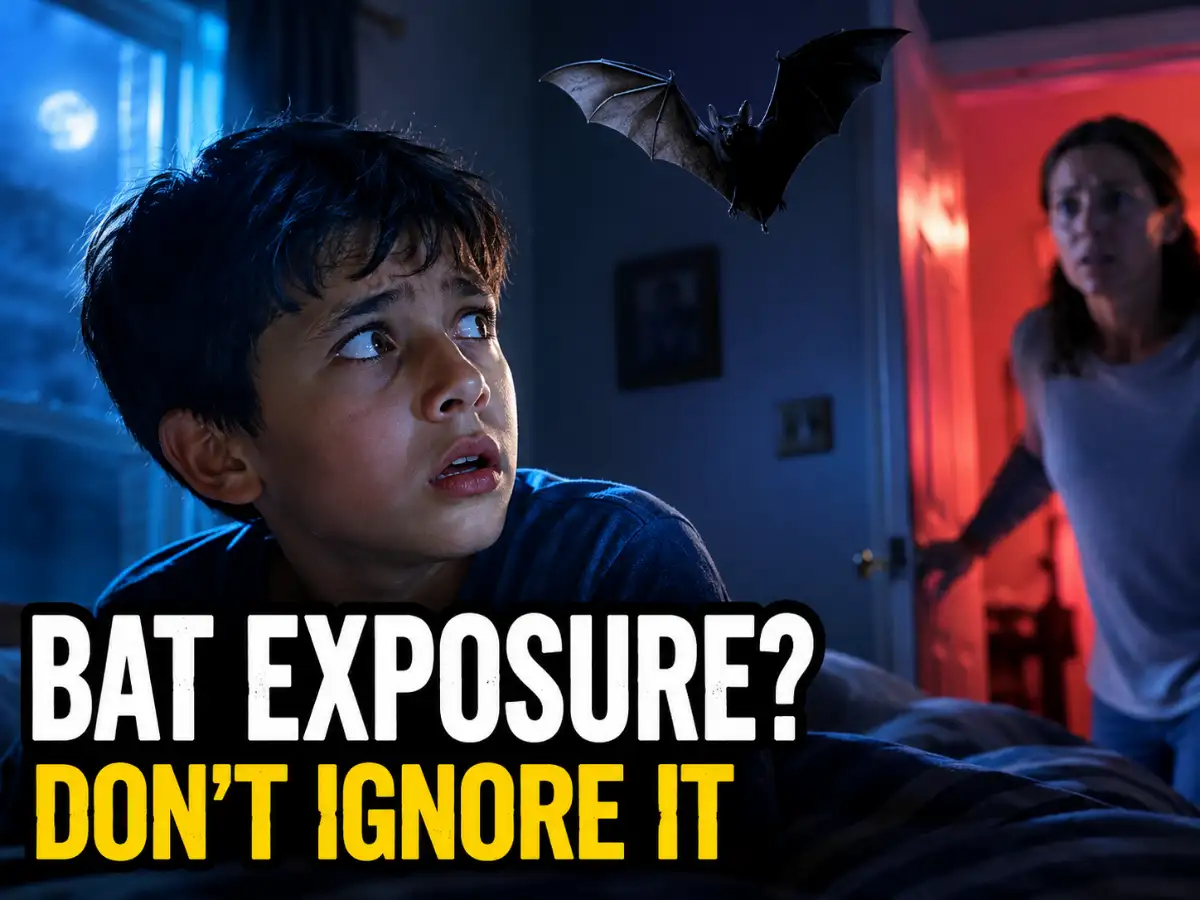
An 11-year-old boy reportedly woke up during the night to find a bat on his face. There was no obvious severe bite, no major bleeding, and nothing that appeared life-threatening. Like many families, it would have been easy to assume the danger had passed once the bat was gone.
Sadly, weeks later, the child developed rabies—a disease that is almost always fatal once symptoms begin.
As a physiotherapist and medical health educator, I have noticed that many people in India associate rabies only with dog bites. Very few realize that bats can also carry the virus and that their bites can be incredibly small, sometimes leaving little or no visible mark. This misunderstanding delays treatment, and unfortunately, delay is the one thing rabies does not forgive.
Quick Facts
✅ Rabies is almost always fatal once symptoms begin, but it is highly preventable with prompt medical treatment after exposure.
✅ Bat bites can be extremely small and may leave little or no visible mark, making them easy to overlook.
✅ Wash any bite or scratch immediately with soap and running water for at least 15 minutes to help reduce the amount of virus at the wound site.
✅ Post-Exposure Prophylaxis (PEP)—which may include rabies vaccination and, in some cases, rabies immunoglobulin—is highly effective when started before symptoms develop.
✅ If you wake up and find a bat in your room, or a bat is found with a sleeping child or someone unable to explain what happened, seek immediate medical evaluation—even if no bite is visible.
✅ Never wait for symptoms to appear. Once clinical rabies symptoms develop, the disease is almost always fatal despite intensive medical care.
What Happened in This Case?
According to public health reports, the child from Canada had awakened during the night after a bat came into contact with his face while he was sleeping.
Because there was no obvious injury, the potential risk of rabies was not fully recognized at the time. Later, after developing neurological symptoms, laboratory testing confirmed rabies infection. Despite intensive medical care, the child died from the disease.
Expert Opinion: Why This Case Matters Beyond Canada
As a physiotherapist and public health educator, I believe this tragic case highlights an important misconception that still exists worldwide: many people associate rabies only with dog bites. In reality, any mammal infected with the rabies virus—including bats—can transmit the infection. Because bat bites can be extremely small or even go unnoticed, people may not realize they have been exposed until it is too late.
In my clinical practice, I have also observed that many patients judge the seriousness of an animal bite by the amount of bleeding. This can create a false sense of security. Rabies risk is determined by the type of exposure and the animal involved—not by the size of the wound. Even a tiny puncture or scratch may require urgent medical evaluation and, in some situations, post-exposure prophylaxis (PEP).
What Most Parents Would Do—And Why That Can Be Dangerous
Imagine waking up in the middle of the night and seeing a bat flying around your bedroom. For most parents, the first instinct would be to get the bat out of the room, check that everyone is okay, and go back to sleep. If there is no visible bite, no bleeding, and the child says they feel fine, it seems reasonable to believe the danger has passed.
Unfortunately, this is exactly where a critical mistake can happen.
Bats have very small, sharp teeth that can leave tiny puncture wounds which may be difficult to see or may not be noticed at all—especially if a person was asleep during the contact. Young children are even less likely to realize they were bitten or scratched or to accurately describe what happened.
As a physiotherapist and public health educator, I often find that parents judge the seriousness of an injury by what they can see. A large bleeding wound naturally causes concern, while a tiny or invisible mark often does not. However, rabies risk is determined by the type of exposure, not by the size of the wound. Even seemingly minor contact with a bat may require urgent medical assessment.
What Is Rabies?
Rabies is a viral infection that attacks the central nervous system. It is caused by the rabies virus, a member of the Lyssavirus family, and spreads through the saliva of infected mammals.
The virus usually enters the body through:
- Animal bites
- Small scratches
- Saliva entering broken skin
- Contact with the eyes, nose, or mouth after exposure to infected saliva
Unlike many infections that stay localized, the rabies virus slowly travels along peripheral nerves toward the brain. This journey may take weeks or even months, depending on where the exposure occurred.
Why This Story Matters in India
Although this incident occurred in Canada, the lessons are highly relevant for Indian families.
India accounts for one of the world’s highest burdens of rabies, primarily due to dog bites. However, bats, cats, monkeys, and other mammals can also transmit the virus under certain circumstances.
In my clinical experience, many patients focus only on whether an animal looked sick. This can be misleading because infected animals may appear healthy during the early stages of infection.
How Can a Tiny Bat Bite Become So Dangerous?
One fascinating—and frightening—feature of the rabies virus is how quietly it behaves.
Unlike bacteria that rapidly multiply at the wound site, the rabies virus initially remains near the entry point before traveling through nerve tissue.
During this phase:
- There may be little or no pain.
- The wound may heal completely.
- No fever may develop.
- The person usually continues normal daily activities.
Everything can appear perfectly normal.
Then, after the virus reaches the nervous system, symptoms can begin suddenly.
These may include anxiety, tingling near the exposure site, fever, headache, weakness, difficulty swallowing, confusion, agitation, excessive salivation, muscle spasms, and eventually paralysis or coma.
Why Early Medical Attention Saves Lives
One encouraging fact often gets overlooked.
Rabies is almost entirely preventable if treatment starts before symptoms appear.
Post-exposure prophylaxis (PEP) usually involves immediate wound cleaning, rabies vaccination, and, for certain higher-risk exposures in previously unvaccinated individuals, rabies immunoglobulin as recommended by healthcare professionals.
In my experience educating patients, many people mistakenly believe vaccination is needed only after obvious animal bites. In reality, doctors evaluate the type of exposure, the animal involved, local rabies risk, and whether the skin may have been broken—even if the injury seems minor.
Common Mistakes People Make
Every year, preventable rabies deaths occur because of delays in recognizing the risk. Most of these delays are linked to misconceptions rather than lack of medical treatment.
1. Ignoring Small Bites or Scratches
Many people only seek medical attention after deep wounds. However, even a small puncture or scratch that breaks the skin can be significant if the animal is infected.
Bat bites deserve special attention because they can be extremely small and difficult to detect.
2. Washing the Wound Too Late—or Not at All
Immediate washing of the wound with soap and running water for at least 15 minutes is one of the simplest yet most effective first-aid measures after a potential rabies exposure. Delaying wound cleaning may increase the risk of viral persistence at the exposure site.
3. Waiting for Symptoms
This is perhaps the most dangerous mistake.
People often think, “If I develop fever later, I’ll see a doctor.”
Unfortunately, once rabies symptoms begin, preventive vaccination is no longer effective because the virus has usually reached the nervous system.
Shocking Findings & Recent Research
Recent public health surveillance continues to reinforce a critical message: although human rabies cases are uncommon in countries with strong vaccination programs, bat-associated rabies remains an important source of infection in North America.
Research has shown that:
- Bat bites can be so small that people may not notice them.
- Many confirmed rabies patients initially reported minimal or no obvious injury.
- Children and sleeping individuals are among the highest-risk groups because they may not recognize or remember contact with a bat.
- Prompt post-exposure prophylaxis (PEP) is highly effective when administered before symptoms develop.
Another surprising finding is that rabies has one of the highest case-fatality rates of any infectious disease. Once clinical symptoms appear, the disease is almost always fatal despite advanced intensive care.
Early Warning Signs
The incubation period for rabies varies considerably. It may range from several weeks to several months, depending on the location of exposure, viral load, and individual factors.
Early Symptoms
The earliest symptoms are often nonspecific and may resemble a viral illness.
Patients may experience:
- Mild fever
- Fatigue
- Headache
- General body aches
- Loss of appetite
A particularly important symptom is tingling, burning, itching, or pain at the site of the original bite or scratch, even after the wound has healed.
Don’t Ignore These Signs
Seek emergency medical care immediately if any of the following occur after a recent animal bite or bat exposure:
- Tingling around the healed wound
- Difficulty swallowing
- Unexplained muscle spasms
- Hydrophobia (fear or painful swallowing of water)
- Sudden confusion
- Hallucinations
- Progressive weakness
- Unusual agitation after an animal exposure
These symptoms require urgent evaluation and should never be managed at home.
Treatment & Physiotherapy Management
The cornerstone of rabies management is prevention immediately after exposure.
Immediate Wound Care
The first step is thorough washing of the affected area with soap and running water for at least 15 minutes. This simple measure can significantly reduce the amount of virus present at the wound site.
Medical professionals may also use antiseptic solutions after cleaning the wound.
Post-Exposure Prophylaxis (PEP)
Depending on the nature of the exposure and vaccination history, treatment may include:
- Rabies vaccination
- Rabies immunoglobulin (RIG) for certain previously unvaccinated individuals with higher-risk exposures
- Appropriate wound care
- Tetanus prophylaxis if indicated
- Antibiotics when clinically necessary for contaminated wounds
It is important to complete the full vaccination schedule exactly as advised.
Role of Physiotherapy
Physiotherapy does not prevent or cure rabies. However, rehabilitation professionals may contribute to supportive care in critically ill patients by helping reduce complications related to prolonged immobility, such as joint stiffness, pressure injuries, muscle wasting, and reduced lung expansion, when medically appropriate.
In broader public health practice, physiotherapists also educate communities about injury prevention, safe animal handling, balance training for older adults, and functional recovery after neurological illnesses.
Myth vs Fact
| Myth | Fact |
|---|---|
| Only dog bites cause rabies. | Bats, cats, monkeys, foxes, raccoons, and other infected mammals can also transmit rabies. |
| If there is no bleeding, there is no danger. | Tiny bites or scratches may still expose a person to the virus. |
| A healthy-looking animal cannot have rabies. | Animals may appear healthy during the incubation period. |
| Waiting a few days before seeing a doctor is harmless. | Delaying medical evaluation may reduce the opportunity for effective prevention. |
| Traditional remedies can replace vaccination. | No home remedy can replace evidence-based rabies post-exposure prophylaxis. |
| Rabies vaccines are only for severe bites. | Doctors recommend vaccination based on the exposure risk, not simply wound size. |
Real Patient Story
A 13-year-old school student was brought to a health center after being scratched while trying to rescue a frightened stray kitten. The scratch was so small that the family cleaned it with plain water and thought nothing more of it.
Nearly two days later, a relative advised them to visit the hospital. After reviewing the incident, doctors determined that the exposure required post-exposure prophylaxis based on local public health recommendations. The child completed the vaccination schedule and remained healthy.
The family later admitted that they nearly ignored the injury because “it was only a tiny scratch.”
This situation illustrates why even apparently minor animal exposures deserve professional assessment.
Act Immediately After Any Bite or Scratch
Time is critical.
If you are bitten or scratched by a potentially rabid animal:
- Wash the wound thoroughly with soap and running water for at least 15 minutes.
- Apply an appropriate antiseptic if available.
- Avoid closing the wound yourself unless advised by a healthcare professional.
Bat Exposure Requires Special Attention
One of the most important public health messages is this:
If you wake up and find a bat in your room—or discover a bat in the room of a sleeping child, an elderly person, or someone who cannot reliably describe what happened—seek immediate medical advice, even if no bite is visible.
When Should You See a Doctor Immediately?
Rabies is one of the few infectious diseases where waiting can have devastating consequences. Medical evaluation should be sought without delay after any potential exposure.
Visit an Emergency Department Immediately If:
- You were bitten or scratched by a bat, dog, cat, monkey, fox, raccoon, or other mammal that could carry rabies.
- A bat was found in the room with a sleeping child or someone unable to explain what happened.
- Saliva from a potentially rabid animal entered your eyes, nose, mouth, or an open wound.
- The biting animal cannot be located or observed.
- The animal was behaving unusually, aggressively, or appeared sick.
- You develop tingling, burning, or unusual sensations near the bite site.
Conclusion
The heartbreaking death of an 11-year-old Canadian boy after waking with a bat on his face is more than a tragic news story—it is a reminder that even seemingly minor animal exposures deserve serious attention.
Rabies remains one of the deadliest infectious diseases known to medicine, yet it is also one of the most preventable when prompt action is taken. Early wound cleaning, timely medical evaluation, and appropriate post-exposure prophylaxis have saved countless lives around the world.
As a physiotherapist and public health educator, I believe that the most effective treatment is often knowledge shared before an emergency occurs. Families who understand the risks are more likely to act quickly, seek medical advice, and protect those they love.
If there is one lesson to remember, let it be this:
Never ignore a possible rabies exposure simply because the wound looks small—or because there is no visible wound at all. When in doubt, let a healthcare professional decide. Acting early could save a life.
✅ Key Takeaways
- Rabies can be transmitted through tiny bites or scratches that may go unnoticed.
- Bat exposure should always be taken seriously, especially if someone was asleep.
- Wash all bites and scratches immediately with soap and running water for at least 15 minutes.
- Seek medical care immediately—do not wait for symptoms to appear.
- Post-exposure prophylaxis (PEP) is highly effective when started promptly.
- Educating children about animal safety is one of the best preventive strategies.
Frequently Asked Questions (FAQs)
1. Can a tiny bat bite really cause rabies?
Yes. Bat bites can be extremely small and may not leave an obvious wound. If a bat has had direct contact with you, especially while you were asleep, seek immediate medical evaluation.
2. Should I get a rabies vaccine if I don’t see a bite?
It depends on the circumstances. Healthcare professionals assess the type of exposure and determine whether post-exposure prophylaxis (PEP) is needed. Do not assume you are safe simply because there is no visible bite.
3. Is rabies always fatal?
Once clinical symptoms develop, rabies is almost always fatal. However, prompt wound cleaning and timely PEP before symptoms appear are highly effective at preventing the disease.
4. What should I do immediately after an animal bite?
Wash the wound thoroughly with soap and running water for at least 15 minutes, apply an antiseptic if available, and seek medical care as soon as possible.
5. Can a healthy-looking animal still spread rabies?
Yes. An infected animal may appear healthy during the incubation period. Appearance alone cannot rule out rabies.
Medical Disclaimer
This article is intended for educational and public health awareness purposes only. It should not be considered a substitute for professional medical advice, diagnosis, or treatment.
If you have been bitten or scratched by an animal—or believe you may have been exposed to rabies—seek immediate evaluation from a qualified healthcare professional or your nearest emergency department. Individual treatment decisions require a clinical assessment based on your specific exposure and medical history.
References (APA Style)
- World Health Organization. (2024). Rabies. https://www.who.int/news-room/fact-sheets/detail/rabies
- Centers for Disease Control and Prevention. (2025). Rabies. https://www.cdc.gov/rabies
- World Health Organization. (2018). WHO Expert Consultation on Rabies: Third Report. https://www.who.int/publications/i/item/9789241210218
- National Institutes of Health. MedlinePlus: Rabies. https://medlineplus.gov/rabies.html
- Rupprecht, C. E., Hanlon, C. A., & Hemachudha, T. (2002). Rabies re-examined. The Lancet Infectious Diseases, 2(6), 327–343.

Dr. Shabbir Hussain, BPT Licensed Physiotherapist | Clinical Rehabilitation SpecialistMaharashtra OTPT Council Reg. No. PR-2021/08/PT/009532Society of Onco Physiotherapists Reg. No. SOP/00033/LM
He is a licensed physiotherapist with over 8 years of experience in physiotherapy, kidney rehabilitation, oncological rehabilitation, and lymphedema management. He specializes in balance disorders, pain management, musculoskeletal rehabilitation, strengthening programs, and VR-based rehabilitation.
Dr. Shabbir Hussain (BPT)