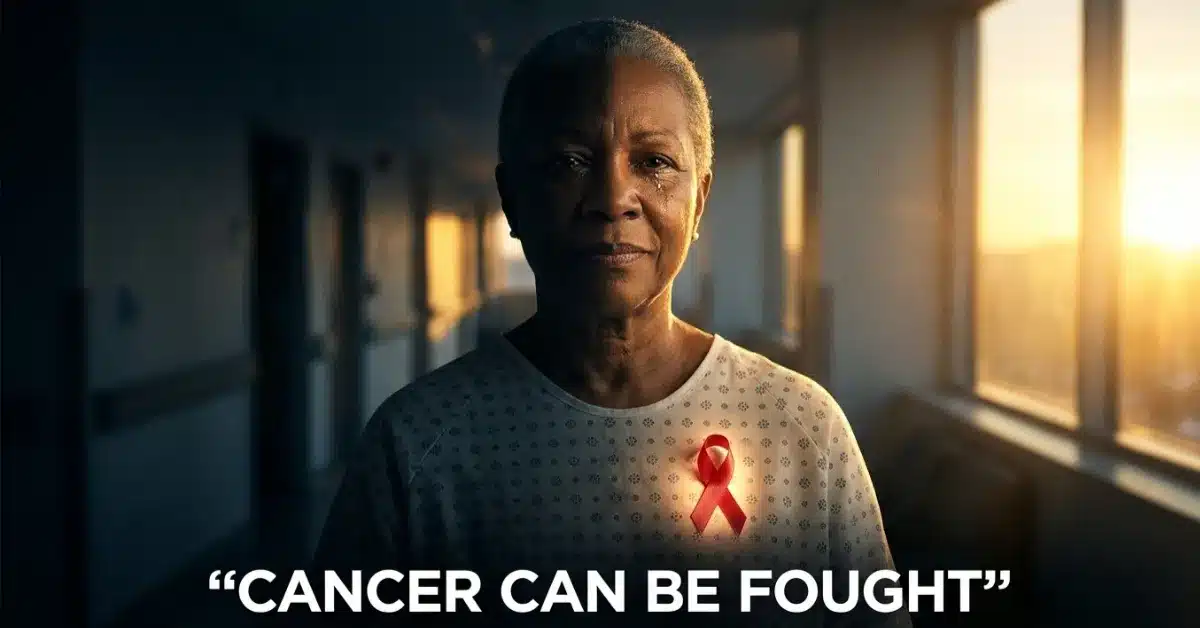
World Cancer Day 2026 – Every year on World Cancer Day, millions share ribbons, quotes, and hashtags.
But here’s the uncomfortable truth: most cancers are still detected too late.
Many people believe:
- “Cancer won’t happen to me.”
- “No symptoms means no disease.”
- “Cancer is just bad luck.”
⚠️ This mindset is dangerous.
Cancer often grows silently, without pain, until it reaches advanced stages—when treatment becomes harder, costlier, and emotionally devastating.
World Cancer Day exists not for symbolism—but for urgent action.
What Is World Cancer Day?
World Cancer Day, observed every year on February 4, is a global initiative led by the Union for International Cancer Control (UICC) to raise awareness, improve education, and drive action against cancer worldwide.
According to the World Health Organization (WHO), cancer is a leading cause of death globally, responsible for nearly 10 million deaths each year.
Cancer is not one disease, but a group of diseases caused by uncontrolled cell growth that can invade surrounding tissues and spread to other organs.
The NEGATIVE ANGLE ⚠️ What Happens When Cancer Awareness Is Ignored
Ignoring cancer awareness doesn’t just delay diagnosis—it costs lives.
🚨 Real-World Consequences
- Over 70% of cancer deaths occur in low- and middle-income countries due to late detection.
- Many cancers like breast, oral, cervical, and colorectal cancer are highly treatable if caught early.
- Late-stage cancer leads to:
- Aggressive treatments
- Permanent disability
- Emotional trauma
- Financial collapse for families
📊 A WHO report confirms that 30–50% of cancers are preventable through lifestyle changes and early screening.
Causes & Risk Factors Doctors Warn About
🧬 Lifestyle-Related Risks
- Tobacco use (smoking & smokeless)
- Alcohol consumption
- Physical inactivity
- Unhealthy diet
- Obesity
🧠 Medical & Biological Risks
- Family history
- Hormonal imbalances
- Chronic inflammation
- Viral infections (HPV, Hepatitis B & C)
🏭 Occupational & Environmental Risks
- Air pollution
- Pesticide exposure
- Industrial chemicals
- Radiation exposure
Warning Signs & Symptoms 🚨 (Early vs Advanced)
⚠️ Early Signs (Often Ignored)
- Unexplained weight loss
- Persistent fatigue
- Lumps or swelling
- Non-healing sores
- Changes in bowel or bladder habits
🚩 Advanced Symptoms
- Chronic pain
- Difficulty swallowing
- Persistent cough or bleeding
- Neurological symptoms
- Organ dysfunction
👉 If symptoms persist beyond 2–3 weeks, medical evaluation is essential.
Diagnosis & Clinical Standards
Doctors follow evidence-based protocols recommended by WHO, NIH, and oncology associations.
🧪 Common Diagnostic Tools
- Blood investigations
- Imaging (CT, MRI, PET scans)
- Biopsy (gold standard)
- Genetic testing (where applicable)
The gold standard remains histopathological confirmation via biopsy.
STRONG SOLUTION SECTION 💪
The most powerful message of World Cancer Day is this:
Cancer is not always inevitable — prevention works.
✅ Evidence-Based Solutions
- Early screening programs (mammography, Pap smear, oral exams)
- Physiotherapy-guided physical activity to reduce inflammation and obesity
- Nutrition-focused lifestyle correction
- Smoking & alcohol cessation
- Vaccinations (HPV, Hepatitis B)
🧠 Research from National Institutes of Health (NIH) confirms regular physical activity can reduce the risk of breast, colon, and endometrial cancers.
Prevention & Daily Habits – World Cancer Day 2026
🌱 Life-Saving Daily Actions
- Exercise at least 150 minutes/week
- Eat fruits, vegetables, whole grains
- Avoid tobacco in all forms
- Limit alcohol
- Maintain healthy body weight
- Get age-appropriate screenings
- Manage stress and sleep
💡 Prevention is the most affordable cancer treatment.
Medical Disclaimer
The information provided on this website is for educational and informational purposes only and is not intended as a substitute for professional medical advice, diagnosis, or treatment.
Always seek the advice of a qualified physician, physiotherapist, or other licensed healthcare provider with any questions you may have regarding a medical condition, symptoms, or treatment options. Do not disregard or delay seeking professional medical advice because of something you have read on this website.
While every effort is made to ensure that the information is accurate and up to date in accordance with current medical guidelines, healthcare knowledge and standards evolve continuously. Therefore, no guarantee is given regarding the completeness, accuracy, or applicability of the content to individual cases.
Use of any information provided on this website is solely at your own risk. The authors, publishers, and associated healthcare professionals are not responsible for any adverse outcomes resulting from reliance on this content.
FAQ
Q1. Is cancer always fatal?
No. Many cancers are curable if detected early.
Q2. Can physiotherapy help in cancer prevention?
Yes. Physical activity reduces inflammation, obesity, and hormonal imbalance.
Q3. How often should cancer screening be done?
Depends on age, gender, and risk profile. Consult a healthcare provider.
Q4. Are lifestyle changes really effective?
Yes. WHO states up to 50% of cancers are preventable.
Q5. Does stress cause cancer?
Stress alone doesn’t cause cancer, but chronic stress weakens immunity.
Q6. Can young people get cancer?
Yes. Cancer can occur at any age.
📚 Authoritative References (APA)
- World Health Organization. (2023). Cancer Fact Sheet. https://www.who.int/news-room/fact-sheets/detail/cancer
- National Institutes of Health. (2022). Physical Activity and Cancer Prevention. https://www.cancer.gov/about-cancer/causes-prevention/risk/physical-activity
- Union for International Cancer Control. (2024). World Cancer Day Campaign. https://www.worldcancerday.org
- PubMed: Friedenreich, C. M., et al. (2016). Physical activity and cancer outcomes. Journal of the National Cancer Institute. https://pubmed.ncbi.nlm.nih.gov/27112372/

Dr. Shabbir Hussain, BPT
Licensed Physiotherapist | Clinical Rehabilitation Specialist
Maharashtra OTPT Council Reg. No.: PR-2021/08/PT/009532
Society of Onco Physiotherapists Reg. No.: SOP/00033/LM
Dr. Shabbir Hussain, BPT, Registered Physiotherapist with over 8 years of experience in physiotherapy, kidney rehabilitation, oncological rehabilitation, and lymphedema management. He specializes in balance disorders, pain management, musculoskeletal rehabilitation, strengthening programs, and VR-based rehabilitation.