
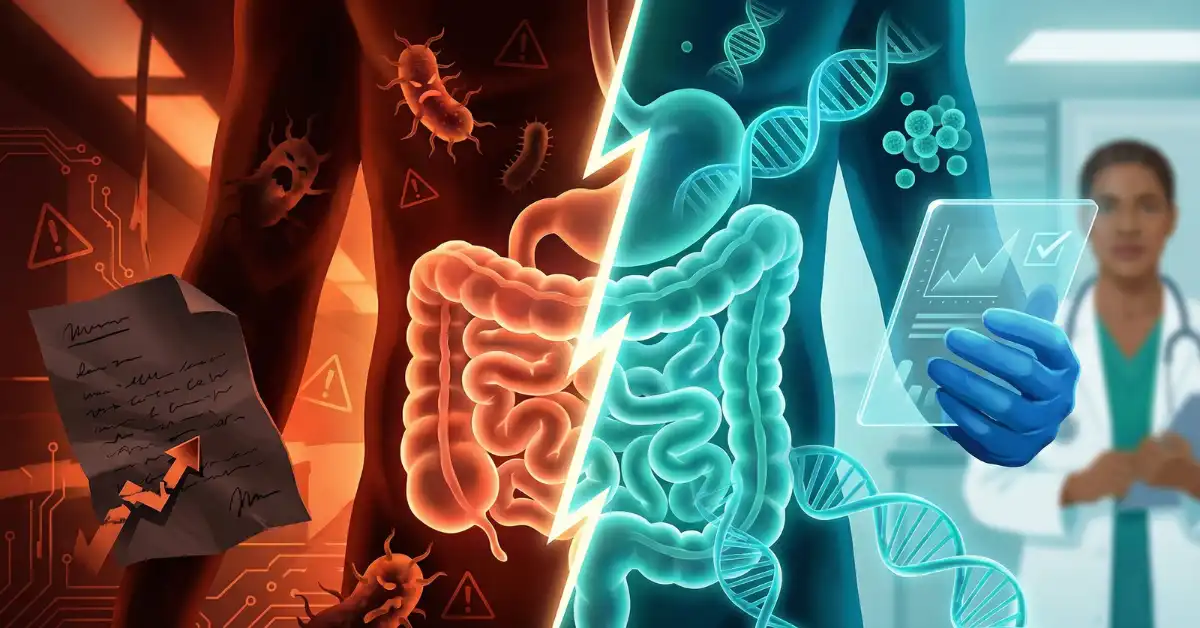
Gut Microbiome Tests – Understanding the intricacies of one’s gut health is crucial in today’s health-conscious world. Many individuals turn to at-home gut microbiome testing to gain insights into their gut bacterial composition. However, most of these tests fall short in providing comprehensive and actionable results.

The limitations of current microbiome analysis techniques mean that individuals are often left with more questions than answers. It’s essential to delve into the reasons behind the failure of these tests to appreciate the need for more accurate and reliable testing solutions.
By exploring the shortcomings of current gut health tests, we can better understand the importance of developing more effective testing methods. This understanding paves the way for discussing actionable medical plans that actually work.
Key Takeaways
- Most at-home gut microbiome tests lack comprehensive insights.
- Current microbiome analysis techniques have significant limitations.
- Understanding gut health is crucial for overall well-being.
- There’s a need for more accurate and reliable gut health testing solutions.
- Actionable medical plans can be developed based on effective testing methods.
The Limitations of Current Gut Microbiome Tests
Gut microbiome testing, including dna sequencing for gut health and stool test microbiome analysis, is crucial for understanding gut health. However, the lack of standardized microbiome clinical guidelines and who microbiome standards hinders the development of effective treatment plans.
Evidence-based gut health practices, such as personalized nutrition microbiome plans and probiotics evidence-based interventions, can enhance gut health. The American Diabetes Association (ADA) has recognized the importance of gut microbiome in diabetes management, highlighting the need for ada gut microbiome diabetes research and microbiome prevention plans.
To overcome the limitations of current gut microbiome tests, it’s essential to develop more robust microbiome diagnostics validation and adhere to evidence-based gut health practices. By doing so, healthcare providers can create effective treatment plans that improve gut health outcomes.
Medical Disclaimer
The information provided in this article is for educational and preventive health purposes only and is not intended as a substitute for professional medical advice, diagnosis, or treatment.
Gut microbiome testing and related interpretations are an evolving area of medical research. Results from at-home or commercial tests may vary and should not be used alone to make health decisions.
Always seek the advice of a qualified healthcare professional regarding any medical condition, dietary change, supplement use, or diagnostic testing.
References cited in this article include peer-reviewed research from PubMed, guidance from the World Health Organization (WHO), and clinical standards from the American Diabetes Association (ADA).
FAQ
What is the purpose of a gut microbiome test?
A gut microbiome test is designed to analyze the composition of bacteria in your gut, providing insights into your gut health and helping identify potential imbalances or issues.
How accurate are at-home gut microbiome tests?
The accuracy of at-home gut microbiome tests can vary significantly due to factors such as sampling methods, DNA sequencing techniques, and analysis protocols. It’s essential to choose a test that adheres to rigorous scientific standards and has been clinically validated.
What is the difference between a gut health test and a microbiome analysis?
While often used interchangeably, a gut health test typically refers to a broader assessment of gut health, which may include markers of inflammation, digestive enzymes, and other indicators. A microbiome analysis, on the other hand, specifically focuses on the genetic material of the microbes present in the gut, providing a detailed snapshot of the gut bacterial composition.
Can gut microbiome tests diagnose specific health conditions?
While gut microbiome tests can provide valuable insights into gut health, they are not typically used as a standalone diagnostic tool for specific health conditions. However, they can be used in conjunction with other diagnostic tests and clinical evaluations to inform treatment decisions.
How do I choose a reliable gut microbiome test?
When selecting a gut microbiome test, look for tests that use robust DNA sequencing methods, have clear and transparent analysis protocols, and are supported by clinical evidence. It’s also essential to consider the test’s ability to provide actionable insights and personalized recommendations.
Are there any clinical guidelines for gut microbiome testing?
While there are emerging clinical guidelines for gut microbiome testing, the field is still evolving, and standardization is limited. It’s crucial to consult with a healthcare professional to determine the best approach for your specific needs and to ensure that any testing is interpreted in the context of your overall health.
Can probiotics be recommended based on gut microbiome test results?
Yes, some gut microbiome tests can provide recommendations for probiotics based on the analysis of your gut bacterial composition. However, it’s essential to consult with a healthcare professional before starting any probiotic regimen to ensure it’s tailored to your specific needs.
How does personalized nutrition relate to gut microbiome testing?
Personalized nutrition plans can be informed by gut microbiome test results, as the composition of your gut bacteria can influence your nutritional needs and responses to different foods. By understanding your gut microbiome, you can make more informed dietary choices to support your overall health.

Dr. Shabbir Hussain, BPT Licensed Physiotherapist | Clinical Rehabilitation SpecialistMaharashtra OTPT Council Reg. No. PR-2021/08/PT/009532Society of Onco Physiotherapists Reg. No. SOP/00033/LM
He is a licensed physiotherapist with over 8 years of experience in physiotherapy, kidney rehabilitation, oncological rehabilitation, and lymphedema management. He specializes in balance disorders, pain management, musculoskeletal rehabilitation, strengthening programs, and VR-based rehabilitation.
Dr. Shabbir Hussain (BPT)