
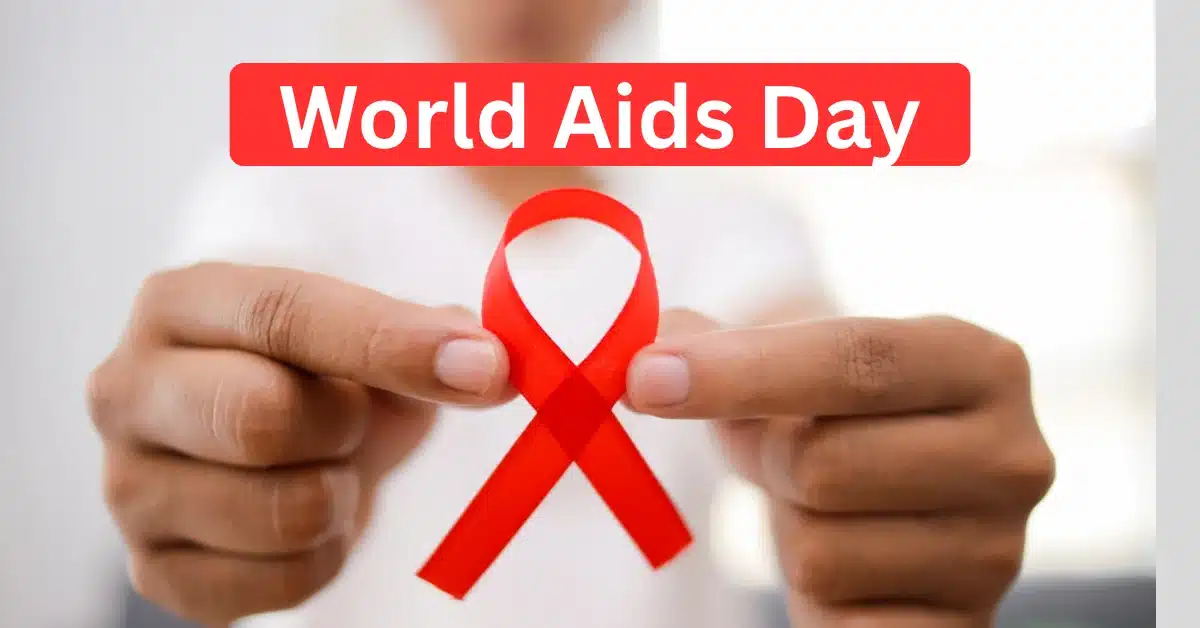
As World AIDS Day 2025 approaches, it’s crucial to reflect on the progress made in the fight against HIV/AIDS and the challenges that still lie ahead. This day serves as a reminder of the importance of continued hiv awareness and support for those affected by the disease.

The global response to HIV/AIDS has been significant, with advancements in prevention and treatment offering hope for a future where the disease is no longer a major public health threat. In India, efforts to combat HIV/AIDS have been underway for decades, with a focus on education, testing, and treatment.
Key Takeaways
- Understanding the current state of HIV/AIDS globally and in India.
- Recognizing the significance of World AIDS Day.
- Exploring the latest advances in HIV prevention and treatment.
- Learning ways individuals can make a difference in the fight against HIV/AIDS.
- The importance of continued hiv awareness and education.
The Global Impact of HIV/AIDS in 2025: Facts and Figures
The HIV/AIDS epidemic continues to be a significant global health challenge, with far-reaching consequences in 2025. As the world marks World AIDS Day, it’s essential to understand the current state of the epidemic, its impact on different regions, and the progress made so far.
Current HIV/AIDS Statistics Worldwide
As of 2025, 38 million people globally are living with HIV, with approximately 1.5 million new infections occurring each year. Despite the challenges, there has been significant progress in HIV treatment and prevention, with over 25 million people accessing antiretroviral therapy (ART) worldwide. According to UNAIDS, “By the end of 2025, 95% of all people living with HIV will know their HIV status, 95% of all people with diagnosed HIV infection will receive sustained antiretroviral therapy, and 95% of all people receiving antiretroviral therapy will have viral suppression.”
The HIV Landscape in India: Progress and Challenges
India, with its vast population, has a significant HIV burden. However, the country has made substantial progress in HIV prevention and treatment. The HIV prevalence in India is estimated to be around 0.2%, with certain high-risk populations facing a much higher risk.
High-Risk Regions and Demographics
Regions such as Manipur, Nagaland, and Mizoram have been identified as high-risk areas due to factors like injecting drug use and unprotected sex among men who have sex with men. Targeted interventions are crucial in these regions to prevent further transmission.
Success Stories in Indian HIV Prevention
India has seen success in HIV prevention through programs like the National AIDS Control Program (NACP), which has implemented effective strategies for HIV testing, treatment, and prevention.
“India’s commitment to ending AIDS by 2030 is evident in its robust HIV prevention and treatment programs,”
said a UNAIDS report, highlighting the country’s progress.
Vulnerable Populations and Health Disparities
Vulnerable populations, including sex workers, injecting drug users, and men who have sex with men, continue to face significant barriers to HIV prevention and treatment services. Addressing these disparities is critical to controlling the epidemic. Efforts to reduce stigma and improve access to healthcare for these populations are underway, with a focus on aids prevention and overall global health improvement.
World AIDS Day: History, Purpose and 2025 Theme
Since its inception in 1988, World AIDS Day has played a crucial role in the global fight against HIV/AIDS. It has been a cornerstone in raising awareness, fighting stigma, and promoting education about the disease.
Origins and Evolution Since 1988
World AIDS Day was first conceived in 1988 by James W. Bunn and Thomas Netter, two public information officers for the WHO Global Programme on AIDS. The day was initially marked on December 1, 1988, by the World Health Organization (WHO). Over the years, it has evolved to address the changing landscape of the HIV/AIDS epidemic, incorporating new themes and strategies to combat the disease.

The 2025 Theme and Global Focus
The theme for World AIDS Day 2025 is expected to highlight the current global focus and priorities in the fight against HIV/AIDS. While the exact theme has not been announced, it is likely to emphasize the importance of hiv/aids education and the need for continued global cooperation in combating the epidemic.
| Year | Theme | Global Focus |
|---|---|---|
| 2023 | Let Communities Lead | Community-led response to HIV/AIDS |
| 2024 | Building a Future Without AIDS | Accelerating progress towards ending AIDS |
| 2025 | TBD | Expected to focus on innovative prevention and treatment methods |
How World AIDS Day is Observed in India
In India, World AIDS Day is observed with various events and campaigns aimed at raising awareness and promoting hiv/aids education. Government agencies, NGOs, and community organizations come together to organize rallies, seminars, and workshops to educate the public about HIV/AIDS and to promote prevention and treatment.
Breakthrough Advances in HIV Prevention and Treatment
Recent years have seen remarkable advances in HIV prevention and treatment, offering new hope to those affected by the virus. These breakthroughs have not only improved the quality of life for individuals living with HIV but have also brought the global community closer to achieving the goal of ending the AIDS epidemic.
Latest Medical Innovations in HIV Treatment
The landscape of HIV treatment has been transformed by the development of long-acting therapies and simplified treatment regimens. These innovations have made it easier for individuals to adhere to their treatment plans, thereby improving health outcomes.
Long-Acting Therapies and Simplified Regimens
Long-acting injectable therapies are revolutionizing HIV treatment by reducing the frequency of dosing from daily to monthly or even less frequent. This shift is significantly improving adherence and quality of life for people living with HIV.
Accessibility of Treatment in India
Efforts to increase the accessibility of HIV treatment in India are underway, with initiatives aimed at expanding treatment coverage and reducing costs. This includes the integration of HIV services into the broader healthcare system and the use of generic medications.
PrEP and Prevention Technologies
Pre-exposure prophylaxis (PrEP) has emerged as a highly effective prevention strategy for individuals at high risk of HIV infection. The availability of PrEP and other prevention technologies is a significant step forward in the fight against HIV.
“PrEP is a game-changer in HIV prevention. When taken as prescribed, it’s highly effective in preventing HIV infection.” –
Dr. Soumya Swaminathan, Chief Scientist, WHO
Research Progress Toward a Cure
Ongoing research toward a cure for HIV continues to advance our understanding of the virus and its interaction with the human body. While a cure remains elusive, the progress made in this area is promising and holds the potential for future breakthroughs.
- Gene editing technologies are being explored for their potential to eliminate HIV from infected cells.
- Research into HIV latency is helping scientists understand how the virus remains dormant in the body, paving the way for strategies to eradicate it.
As we continue to push the boundaries of HIV research and treatment, the future looks brighter for those affected by the virus. The advances made in prevention and treatment are a testament to the power of global collaboration and scientific innovation.
Taking Action: Ways to Support HIV Awareness and Prevention
There are numerous ways to make a difference in the fight against HIV/AIDS, from individual actions to community initiatives. Every effort counts, and collective action can lead to significant progress in HIV awareness and prevention.
Individual Actions That Make a Difference
Individuals play a crucial role in supporting HIV awareness and prevention. Simple yet effective actions include getting tested, educating oneself and others, and reducing stigma around HIV/AIDS.
Getting Tested: Where and How in India
In India, numerous health centers and clinics offer HIV testing services. NACO (National AIDS Control Organization) provides a locator for testing centers across the country. Getting tested is a critical step in knowing your status and preventing the spread of HIV.
Education and Stigma Reduction
Education is a powerful tool in the fight against HIV/AIDS. By learning and sharing accurate information, individuals can help reduce stigma and promote a more supportive environment for those living with HIV.
Community Initiatives and Organizations in India
Community initiatives and organizations are vital in promoting HIV awareness and providing support. Many NGOs and community groups in India work tirelessly to educate the public, provide counseling, and advocate for the rights of people living with HIV.
“We need to work together to end the AIDS epidemic.” This call to action emphasizes the importance of collective efforts in achieving a future without AIDS.
Digital Advocacy and Social Media Campaigns
Digital advocacy and social media campaigns have become increasingly important in the fight against HIV/AIDS. They offer a platform to raise awareness, share information, and mobilize support on a large scale. Organizations and individuals can use social media to promote HIV awareness, share personal stories, and advocate for policy changes.
“Social media has revolutionized the way we communicate and has become a powerful tool for social change.”
By leveraging these channels, we can reach a wider audience and create a more significant impact.
Conclusion: Building a Future Without AIDS
As we observe World AIDS Day 2025, it’s clear that the fight against HIV/AIDS has made significant progress, but there’s still much work to be done. By understanding the current state of the epidemic and embracing the latest advances in HIV prevention and treatment, we can work together toward a future without AIDS.
The global response to HIV/AIDS has been a testament to the power of collective action. From individual actions that make a difference to community initiatives and digital advocacy, every effort counts. Organizations and initiatives in India are playing a crucial role in this fight, and their work is a beacon of hope.
As we move forward, it’s essential to continue supporting HIV awareness and prevention efforts. By doing so, we can ensure that the progress made so far is sustained and that we get closer to achieving a world where HIV/AIDS is no longer a public health threat. Let’s continue to work together to make this vision a reality on this World AIDS Day and beyond.
FAQ
What is World AIDS Day?
World AIDS Day is an annual event observed on December 1st to raise awareness about HIV/AIDS, commemorate those who have died from the disease, and promote education and support for those living with HIV.
How can I get tested for HIV in India?
In India, HIV testing is available at various government hospitals, clinics, and private laboratories. You can visit a nearby Voluntary Counseling and Testing Centre (VCTC) or a Integrated Counseling and Testing Centre (ICTC) for free or low-cost testing.
What is Pre-Exposure Prophylaxis (PrEP) and how does it work?
Pre-Exposure Prophylaxis (PrEP) is a medication taken by individuals who are at high risk of contracting HIV to prevent infection. When taken as prescribed, PrEP can significantly reduce the risk of HIV transmission.
How can I support HIV awareness and prevention efforts?
You can support HIV awareness and prevention efforts by getting tested, educating yourself and others about HIV/AIDS, reducing stigma around the disease, and participating in or donating to community initiatives and organizations that provide HIV support services.
What are some common misconceptions about HIV/AIDS?
Common misconceptions about HIV/AIDS include the idea that HIV is a death sentence, that it only affects certain groups of people, or that it can be transmitted through casual contact. Education and awareness can help dispel these myths and promote a more accurate understanding of the disease.
How is World AIDS Day observed in India?
In India, World AIDS Day is observed with various events and campaigns, including rallies, seminars, and awareness programs, aimed at promoting education and awareness about HIV/AIDS and reducing stigma around the disease.
What is the significance of HIV/AIDS research?
HIV/AIDS research is crucial for developing new treatments, improving existing ones, and ultimately finding a cure for the disease. Research also informs prevention strategies and helps to address the social and economic impacts of HIV/AIDS.
How can I stay up-to-date with the latest HIV/AIDS news and developments?
You can stay informed about HIV/AIDS by following reputable health organizations, such as the World Health Organization (WHO) and the Joint United Nations Programme on HIV/AIDS (UNAIDS), and by participating in online forums and social media campaigns focused on HIV/AIDS awareness and advocacy.

Dr. Shabbir Hussain, BPT
Registered Physiotherapist | Clinical Rehabilitation Specialist
Maharashtra OTPT Council Reg. No.: PR-2021/08/PT/009532
Society of Onco Physiotherapists Reg. No.: SOP/00033/LM
Dr. Shabbir Hussain, BPT, Registered Physiotherapist with over 8 years of experience in physiotherapy, kidney rehabilitation, oncological rehabilitation, and lymphedema management. He specializes in balance disorders, pain management, musculoskeletal rehabilitation, strengthening programs, and VR-based rehabilitation.