
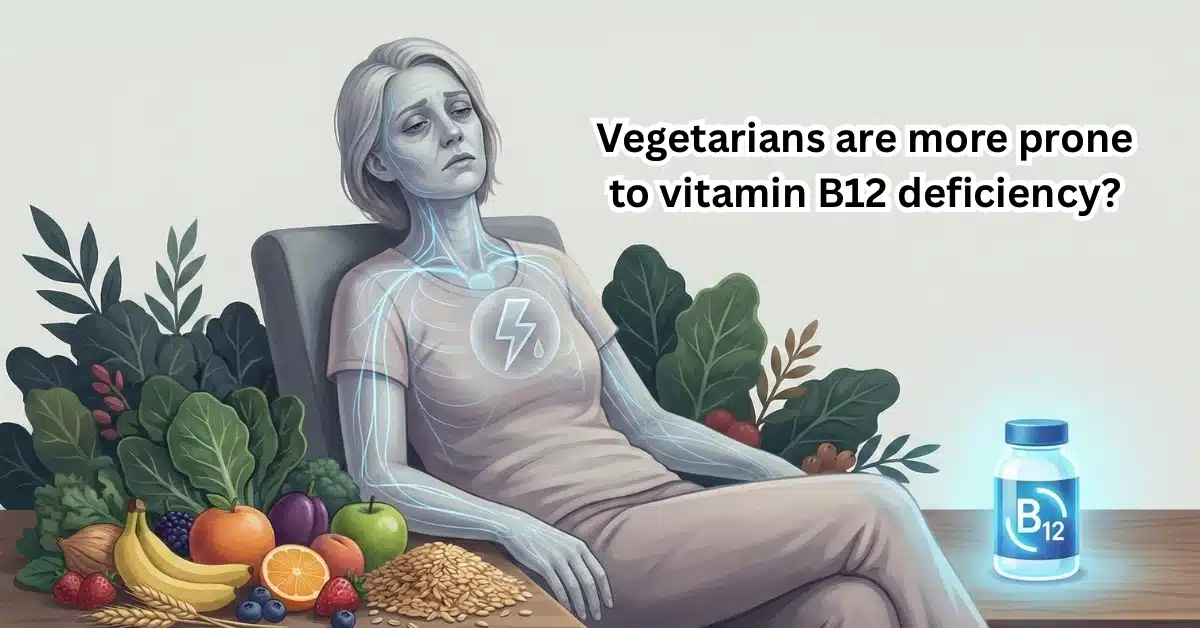
Vegetarians Are More Prone to Vitamin B12 Deficiency – Adopting a vegetarian diet is a significant lifestyle change that can have numerous health benefits. However, it’s crucial to be aware of the potential nutritional gaps, particularly when it comes to Vitamin B12. This vitamin plays a vital role in energy production, nerve function, and the formation of red blood cells.

Individuals following a vegetarian diet are at a higher risk of Vitamin B12 deficiency due to the limited sources of this vitamin in plant-based foods. The consequences of this deficiency can be severe, ranging from fatigue and weakness to neurological problems.
Key Takeaways
- A vegetarian diet can be nutritious but may lack certain essential nutrients.
- Vitamin B12 is crucial for energy production and nerve function.
- Individuals on a vegetarian diet are at a higher risk of Vitamin B12 deficiency.
- A deficiency in Vitamin B12 can lead to severe health issues.
- Awareness and proper planning can help mitigate the risks associated with a vegetarian diet.
The Vital Role of Vitamin B12 in Human Health
Understanding Vitamin B12 is essential for appreciating its impact on our well-being. This vitamin is crucial for various bodily functions, including the production of red blood cells and the maintenance of the nervous system.
What is Vitamin B12 and Why Do We Need It?
Vitamin B12, also known as cobalamin, is a water-soluble vitamin that plays a pivotal role in energy production and the synthesis of DNA. It is necessary for the production of red blood cells, which are vital for carrying oxygen throughout the body. A deficiency in Vitamin B12 can lead to fatigue, weakness, and neurological problems.
The human body cannot produce Vitamin B12 on its own; therefore, it must be obtained through diet or supplements. This vitamin is particularly important for the nervous system, helping to maintain the health of nerve cells.
Natural Sources of Vitamin B12
Vitamin B12 is naturally found in high amounts in animal products, such as meat, fish, poultry, eggs, and dairy products. For individuals following a plant-based diet, obtaining sufficient Vitamin B12 can be challenging. Some plant-based foods are fortified with Vitamin B12, making them a viable option for vegetarians and vegans.
Common natural sources include:
- Liver and kidney meat
- Fish and seafood, especially clams and sardines
- Poultry and meat
- Eggs and dairy products
- Fortified plant-based milk and cereals
For those on a strict plant-based diet, considering B12 supplements or consuming fortified foods regularly is crucial to prevent deficiency.
Vegetarians Are More Prone to Vitamin B12 Deficiency
Adopting a vegetarian lifestyle can be a healthy choice, but it often comes with a hidden risk: Vitamin B12 deficiency. As the number of people embracing plant-based diets continues to grow, understanding the challenges associated with obtaining sufficient Vitamin B12 is crucial.
The Plant-Based Diet Challenge
One of the primary challenges faced by vegetarians is ensuring they get enough Vitamin B12 from their diet. Unlike other vitamins, B12 is unique because it is primarily found in animal products. Vegetarians, especially vegans, need to be particularly mindful of their B12 intake as deficiency can lead to serious health issues.
Why Animal Products Are the Primary B12 Source
Animal products such as meat, fish, and dairy are natural sources of Vitamin B12. For vegetarians who consume dairy, getting enough B12 might be less challenging. However, for vegans, finding alternative sources is critical. The table below highlights some common animal-based sources of Vitamin B12 and their approximate B12 content.
| Food Item | Vitamin B12 Content (mcg) |
|---|---|
| Salmon (3 oz serving) | 2.6 |
| Beef Liver (3 oz serving) | 70.7 |
| Milk (1 cup) | 1.3 |
For vegetarians and vegans, understanding these sources and exploring alternatives is key to maintaining adequate Vitamin B12 levels. Fortified foods and supplements can play a vital role in preventing deficiency.
Shocking Statistics: B12 Deficiency in the Indian Vegetarian Population
Vitamin B12 deficiency is rampant among Indian vegetarians, posing a substantial risk to their health and wellbeing. This condition is particularly concerning given the large number of vegetarians in India. The deficiency can lead to a range of health issues, from fatigue and weakness to neurological problems.
Prevalence Rates Across Different Indian Regions
Studies have shown that the prevalence of vitamin B12 deficiency varies across different regions in India. A comprehensive study conducted across various states revealed that the deficiency is more common in certain regions, particularly where vegetarian diets are more prevalent.
The data indicates that regions with lower consumption of animal products tend to have higher rates of vitamin B12 deficiency. For instance, a study found that in southern India, where vegetarianism is common, the prevalence of vitamin B12 deficiency was significantly higher compared to other regions.
Comparison Between Vegetarians and Non-Vegetarians in India
When comparing vegetarians and non-vegetarians in India, the data shows a stark contrast in vitamin B12 deficiency rates. Vegetarians are more likely to suffer from this deficiency due to their dietary choices.
| Dietary Preference | Prevalence of B12 Deficiency |
|---|---|
| Vegetarians | 62% |
| Non-Vegetarians | 22% |
The table above illustrates the significant difference in vitamin B12 deficiency rates between vegetarians and non-vegetarians. This disparity underscores the need for vegetarians to be aware of their vitamin B12 intake and consider alternatives such as supplements or fortified foods.
Hidden Risks and Warning Signs You Shouldn’t Ignore
The risks associated with vitamin B12 deficiency are often overlooked until it’s too late. Vitamin B12 plays a vital role in maintaining our overall health, and its deficiency can lead to a range of serious health issues.
Early Symptoms of B12 Deficiency
Early detection of vitamin B12 deficiency is crucial to prevent long-term damage. Initial symptoms can be subtle and may include fatigue, weakness, and neurological changes. As Dr. Smith, a renowned nutrition expert, notes, “Vitamin B12 deficiency can masquerade as other conditions, making it challenging to diagnose.” It’s essential to be aware of these early warning signs to seek medical attention promptly.
Serious Health Consequences When Left Untreated
If left untreated, vitamin B12 deficiency can lead to severe health complications. These can be broadly categorized into neurological and cardiovascular issues.
Neurological Complications
Neurological complications can arise due to the damage caused by vitamin B12 deficiency to the nervous system. This can result in numbness, tingling sensations, and difficulty walking. In severe cases, it can lead to irreversible nerve damage.
Cardiovascular and Blood-Related Issues
Vitamin B12 deficiency is also linked to cardiovascular problems, including anemia, heart palpitations, and shortness of breath. The deficiency can lead to an increased risk of heart disease and stroke.
A study published in the Journal of Nutrition found that “Vitamin B12 deficiency is a significant risk factor for cardiovascular disease, particularly in vegetarians.” This highlights the importance of monitoring vitamin B12 levels, especially for those following a plant-based diet.

Being aware of the hidden risks and warning signs of vitamin B12 deficiency is crucial for maintaining overall health. By understanding the early symptoms and potential long-term consequences, individuals can take proactive steps to prevent and treat this condition.
Life-Changing Solutions for Indian Vegetarians
Indian vegetarians have multiple options to ensure they meet their daily vitamin B12 needs without having to consume animal products. With the rise of vegan nutrition and awareness about vegetarian supplements, individuals can now easily maintain a balanced diet.
B12-Fortified Foods Available in Indian Markets
Many food products available in Indian markets are now fortified with vitamin B12, making it easier for vegetarians to get their daily dose. These include breakfast cereals, plant-based milk, and nutritional yeast. Fortified plant-based milk is particularly popular, offering a convenient way to boost B12 intake.
Supplement Types, Brands, and Dosage Guidelines
For those who prefer or need supplements, there are various options available. Brands like Nature’s Bounty and HealthVit offer high-quality vitamin B12 supplements. It’s essential to follow the recommended dosage guidelines, typically ranging from 2.4 to 2.6 mcg per day for adults.
- Choose supplements that are certified by reputable organizations.
- Consult a healthcare professional before starting any supplement regimen.
- Be aware of the different types, such as methylcobalamin and cyanocobalamin.
Traditional Indian Dairy Options for B12 Intake
For lacto-vegetarians, traditional Indian dairy products are an excellent source of vitamin B12. Milk, curd, and paneer are not only rich in B12 but are also staples in many Indian households. Ghee, or clarified butter, is another dairy product that can contribute to B12 intake, although in smaller amounts.
By incorporating these life-changing solutions into their diet, Indian vegetarians can easily avoid vitamin B12 deficiency and maintain overall health.
Special Considerations for Different Life Stages
Different life stages bring unique nutritional needs, and vitamin B12 is particularly significant for certain groups. As people transition through various life stages, their dietary requirements change, making it essential to understand these needs to prevent deficiency.
Pregnancy and Lactation: Critical B12 Needs
During pregnancy and lactation, the demand for vitamin B12 increases to support the health of both mother and child. A deficiency in vitamin B12 during this period can lead to serious health complications, including neurological problems in the infant. Vegetarian mothers, in particular, need to be aware of their vitamin B12 levels and consider supplementation or consume fortified foods to meet their increased needs.
Children Following Vegetarian Diets
Children on vegetarian diets are at a higher risk of vitamin B12 deficiency due to their high nutritional demands for growth and development. Ensuring adequate vitamin B12 intake is crucial for preventing developmental delays and maintaining overall health. Parents should consult with a healthcare provider to determine the best approach for meeting their child’s vitamin B12 needs.
Elderly Vegetarians: Increased Absorption Challenges
Elderly individuals, particularly those following a vegetarian diet, face challenges in vitamin B12 absorption due to decreased digestive efficiency and other age-related factors. This can lead to a higher risk of deficiency, emphasizing the need for regular monitoring and appropriate supplementation. Elderly vegetarians should be aware of the potential risks and work with their healthcare provider to manage their vitamin B12 levels effectively.
Conclusion: Embracing a Healthy Vegetarian Lifestyle
A well-planned vegetarian diet can be incredibly nutritious, but it’s crucial for vegetarians to be aware of the risk of vitamin B12 deficiency. As discussed, vegetarians are more prone to vitamin B12 deficiency due to the absence of animal products in their diet.
To mitigate this risk, vegetarians can incorporate B12-fortified foods, supplements, or traditional Indian dairy options into their diet. Being mindful of vitamin B12 intake is particularly important during critical life stages such as pregnancy, lactation, and childhood.
By making informed choices and taking proactive steps, vegetarians can maintain optimal vitamin B12 levels and enjoy the numerous benefits of a balanced vegetarian diet. With the right knowledge and planning, vegetarians can thrive and lead a healthy, balanced lifestyle.
FAQ
What are the common symptoms of vitamin B12 deficiency in vegetarians?
Common symptoms include fatigue, weakness, pale skin, and neurological problems like numbness or tingling in the hands and feet. If left untreated, it can lead to serious health issues.
Can vegetarians get enough vitamin B12 from plant-based sources?
While some plant-based foods are fortified with vitamin B12, it is challenging to get enough from these sources alone. Vegetarians may need to consider supplements or B12-fortified foods to meet their daily needs.
Are there any vegan-friendly vitamin B12 supplements available?
Yes, there are several vegan-friendly vitamin B12 supplements available in the market, made from bacteria-derived B12 or other synthetic sources. Brands like Garden of Life and Nature’s Bounty offer vegan B12 supplements.
How can pregnant vegetarians ensure they are getting enough vitamin B12?
Pregnant vegetarians should consume B12-fortified foods, consider supplements, and consult their healthcare provider for personalized recommendations to ensure they meet their critical B12 needs.
What are some traditional Indian dairy options that are rich in vitamin B12?
Traditional Indian dairy products like milk, curd (yogurt), and ghee are good sources of vitamin B12. However, it’s essential to choose products from grass-fed or pasture-raised animals for better nutritional quality.
Can vitamin B12 deficiency be reversed with treatment?
Yes, vitamin B12 deficiency can be treated and often reversed with supplements or B12 injections, depending on the severity of the deficiency. Early diagnosis and treatment can help alleviate symptoms and prevent long-term damage.
Are there any specific B12-fortified foods available in Indian markets?
Yes, many Indian food brands now offer B12-fortified foods like cereals, plant-based milk, and nutritional yeast. Look for products with labels indicating they are fortified with vitamin B12.

Dr. Shabbir Hussain, BPT
Licensed Physiotherapist | Clinical Rehabilitation Specialist
Maharashtra OTPT Council Reg. No.: PR-2021/08/PT/009532
Society of Onco Physiotherapists Reg. No.: SOP/00033/LM
Dr. Shabbir Hussain, BPT, Registered Physiotherapist with over 8 years of experience in physiotherapy, kidney rehabilitation, oncological rehabilitation, and lymphedema management. He specializes in balance disorders, pain management, musculoskeletal rehabilitation, strengthening programs, and VR-based rehabilitation.