
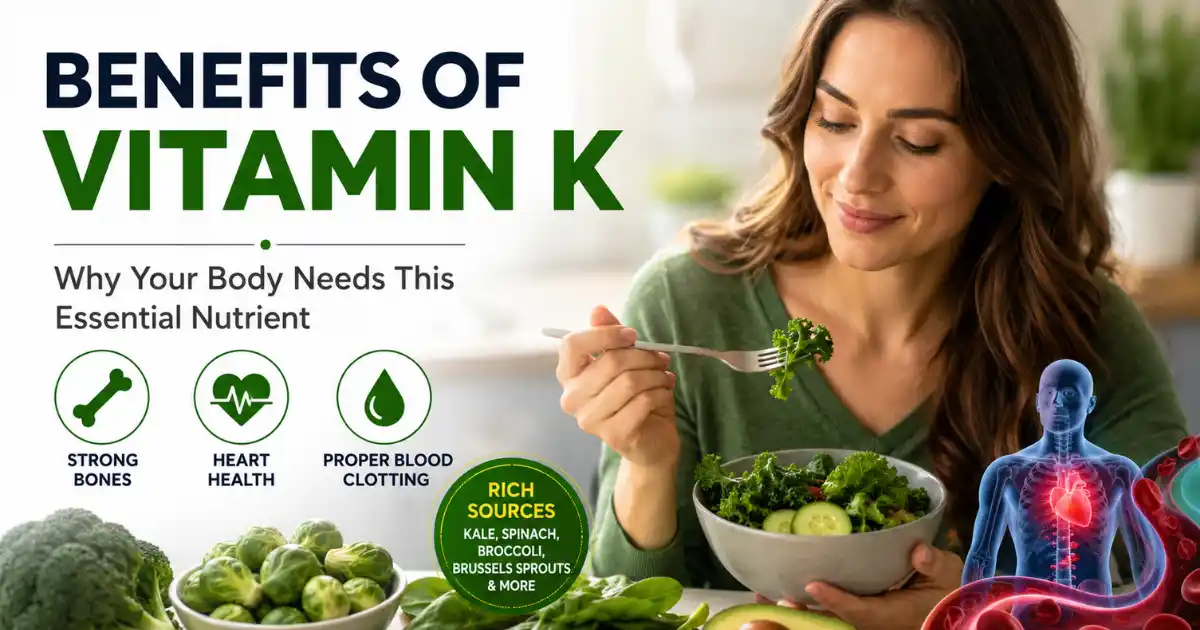
Many people don’t realize they may be low in Vitamin K until symptoms like easy bruising, weak bones, or slow healing start appearing.
Benefits of Vitamin K
Vitamin K, often overshadowed by its more well-known counterparts like Vitamin C and Vitamin D, plays a crucial role in maintaining optimal health and wellness.
Discovered in the 1920s, this fat-soluble vitamin has gained recognition for its diverse functions, ranging from blood clotting to bone health.
In this article, we will delve into the various forms of Vitamin K, its sources, benefits, and the importance it holds for our overall well-being.
Physio Talk Official Medical Review Team
Last Updated: May 17, 2026
This article is medically reviewed and backed by evidence-based health information to ensure accuracy and reliability for readers.
Forms of Vitamin K: (The Benefits of Vitamin K Everything You Need to Know)
There are two main forms of Vitamin K: K1 (phylloquinone) and K2 (menaquinone).
Vitamin K1 is primarily found in leafy green vegetables, while Vitamin K2 is present in fermented foods and animal products.
Both forms are essential for different biological processes in the body.
- Vitamin K1 (Phylloquinone): Found in green leafy vegetables such as kale, spinach, and broccoli, Vitamin K1 plays a vital role in the process of blood clotting. It contributes to the synthesis of various proteins responsible for coagulation, preventing excessive bleeding in case of injuries.
- Vitamin K2 (Menaquinone): Vitamin K2, on the other hand, is crucial for bone health and calcium metabolism. It activates proteins that help regulate the deposition of calcium in bones and teeth, preventing its accumulation in arteries and soft tissues.
Sources : Benefits of Vitamin K
To ensure an adequate intake of Vitamin K, it’s essential to include a variety of foods in your diet.
Here are some excellent sources of both Vitamin K1 and K2:
- Vitamin K1 Sources: vitamin k1 benefits
- Leafy green vegetables: Kale, spinach, collard greens, and Swiss chard
- Cruciferous vegetables: Broccoli, Brussels sprouts, and cabbage
- Other vegetables: Green beans, asparagus, and peas
- Vitamin K2 Sources: vitamin k2 benefits
- Fermented foods: Natto (fermented soybeans), sauerkraut, and miso
- Animal products: Egg yolks, liver, and certain cheeses
- Meats: Chicken, pork, and beef
Health Benefits of Benefits of Vitamin K:
vitamin k benefits – Blood Clotting: Vitamin K’s primary role is in blood clotting, ensuring that wounds heal properly and preventing excessive bleeding.
Individuals with Vitamin K deficiency may experience prolonged bleeding, bruising, or even spontaneous bleeding.
Bone Health: Benefits of Vitamin K
Vitamin K2 plays a important role in bone metabolism.
It helps maintain bone density by regulating the proper deposition of calcium in bones and teeth, reducing the risk of osteoporosis and fractures.
Cardiovascular Health:
Some studies suggest that Vitamin K may contribute to cardiovascular health by preventing the calcification of arteries.
By regulating calcium distribution, Vitamin K2 helps keep arteries flexible and reduces the risk of arterial stiffness.
Cognitive Function: The Benefits of Vitamin K Everything You Need to Know
Emerging research indicates a potential link between Vitamin K and cognitive function.
Adequate levels of Vitamin K may be associated with better cognitive performance and a reduced risk of age-related cognitive decline.
Inflammation: Benefits of Vitamin K
Vitamin K has anti-inflammatory properties that may contribute to overall health.
It may help modulate inflammatory responses in the body, potentially benefiting conditions associated with chronic inflammation.
Cancer Prevention:Benefits of Vitamin K
Research is ongoing, but some studies suggest that Vitamin K may play a role in cancer prevention.
Vitamin K’s anti-inflammatory properties and its influence on cellular processes make it an area of interest in understanding its potential impact on certain types of cancers.
This content is for informational and educational purposes only and does not constitute medical advice, diagnosis, or treatment. Always consult a qualified healthcare professional or physician before making any medical decisions or starting any treatment.
Vitamin K Deficiency:
Insufficient intake of Vitamin K can lead to deficiencies, which may result in health issues.
Individuals taking certain medications that interfere with Vitamin K absorption, such as blood thinners, may be at a higher risk of deficiency.
Symptoms of Vitamin K deficiency include easy bruising, bleeding gums, and excessive bleeding.
Pregnancy and Vitamin K:
Adequate Vitamin K intake is crucial during pregnancy for the proper development of the baby.
Vitamin K helps prevent bleeding disorders in newborns, and a deficiency in pregnant women may pose a risk to the infant.
As always, pregnant women should consult with doctor to ensure they meet their nutritional needs.
Vitamin K2 and Dental Health:
Vitamin K2’s role in calcium metabolism extends to dental health. It helps in the proper mineralization of teeth and may contribute to maintaining healthy gums.
Including Vitamin K2-rich foods in the diet can potentially support overall oral health.
Dietary Recommendations: Benefits of Vitamin K
The recommended daily intake of Vitamin K varies by age, gender and life stage. While there are general guidelines, individual needs may differ.
Consulting with Doctor or registered dietitians can help determine the appropriate intake based on specific health conditions and dietary preferences.
Supplements and Vitamin K:
While it’s preferable to obtain nutrients from food sources, supplements can be considered if dietary intake is insufficient.
However, it’s essential to consult with healthcare providers before starting any supplementation, especially for individuals on medications that may interact with Vitamin K.
Vitamin K and Gut Health:
The absorption of fat-soluble vitamins, including Vitamin K, is dependent on a healthy digestive system.
Maintaining gut health through a balanced diet rich in fiber and probiotics can enhance the absorption of nutrients, contributing to overall well-being.
Vitamin K’s significance
Vitamin K’s significance goes beyond its role in blood clotting, extending to bone health, cardiovascular function, inflammation modulation and potential contributions to cancer prevention and cognitive function.
Recognizing the diverse sources of both Vitamin K1 and K2 and understanding their respective functions, empowers individuals to make informed dietary choices.
As research continues to unveil the intricacies of Vitamin K and its impact on health, staying informed and maintaining a well-balanced diet remains a key component of a proactive approach to overall wellness.
Whether through a vibrant salad, a serving of fermented foods, or a well-prepared meal.
Each bite contributes to harnessing the benefits of this often overlooked but invaluable nutrient – Vitamin K.
Conclusion: (The Benefits of Vitamin K Everything You Need to Know)
In conclusion, Vitamin K is a versatile nutrient with essential roles in blood clotting, bone health, cardiovascular function, cognitive performance, and inflammation regulation.
To maintain optimal health, it’s crucial to include a variety of Vitamin K-rich foods in your diet, ensuring an adequate intake of both Vitamin K1 and K2.
Whether through leafy greens, fermented foods, or animal products, unlocking the power of Vitamin K can lead to a healthier and more resilient body.

Dr. Shabbir Hussain, BPT
Registered Physiotherapist | Clinical Rehabilitation Specialist
Maharashtra OTPT Council Reg. No.: PR-2021/08/PT/009532
Society of Onco Physiotherapists Reg. No.: SOP/00033/LM
Dr. Shabbir Hussain, BPT, Registered Physiotherapist with over 8 years of experience in physiotherapy, kidney rehabilitation, oncological rehabilitation, and lymphedema management. He specializes in balance disorders, pain management, musculoskeletal rehabilitation, strengthening programs, and VR-based rehabilitation.