Sports Rehab – Athletic injuries are an unfortunate reality for athletes worldwide. The road to recovery can be long and arduous, often requiring specialized rehabilitation to regain peak performance. The concept of sports rehabilitation has emerged as a crucial component in the recovery process, helping athletes overcome the physical and mental challenges posed by injuries.

The importance of effective athletic rehabilitation cannot be overstated. It not only aids in the recovery from injuries but also plays a vital role in preventing future occurrences. By understanding the principles behind sports injury rehab, athletes can take the first step towards a safer and more successful career.
Key Takeaways
- Athletic injuries require specialized rehabilitation.
- Sports rehabilitation is crucial for recovery and preventing future injuries.
- Effective athletic rehabilitation aids in regaining peak performance.
- Understanding sports injury rehab is key to a successful athletic career.
- Rehabilitation helps athletes overcome physical and mental challenges.
The Hidden Crisis: Why Sports Injuries Are Skyrocketing in India
The increasing prevalence of sports injuries in India is a hidden crisis that needs to be addressed urgently. As the country continues to produce talented athletes, the number of injuries affecting their careers is also on the rise.
Sports injuries are not just a minor setback; they can have long-term consequences on an athlete’s career and overall well-being. Injury prevention and sports injury treatment are crucial aspects that need attention.
Athletic Injuries on the Rise
The statistics behind athletic injuries in India are alarming. According to recent studies, a significant percentage of athletes suffer from injuries that could have been prevented with proper training and care.
| Sport | Injury Rate (%) | Common Injuries |
|---|---|---|
| Cricket | 35 | Hamstring strains, shoulder injuries |
| Football | 40 | Knee ligament injuries, ankle sprains |
| Athletics | 30 | Muscle tears, stress fractures |
The table above highlights the prevalence of injuries in popular sports in India. It’s clear that athletic training methods need to be re-evaluated to incorporate better injury prevention strategies.
Bridging the Gap Between Training and Prevention
The current gap between athletic training methods and injury prevention is a significant concern. Many training programs focus on enhancing performance without adequately addressing the risk of injury.
To bridge this gap, it’s essential to integrate sports therapy and injury prevention exercises into training routines. This proactive approach can significantly reduce the incidence of sports injuries.
By understanding the causes of sports injuries and implementing preventive measures, athletes, coaches, and trainers can work together to reduce the risk of injuries and ensure a safer, healthier sporting environment.
The Birth and Evolution of Sports Rehab
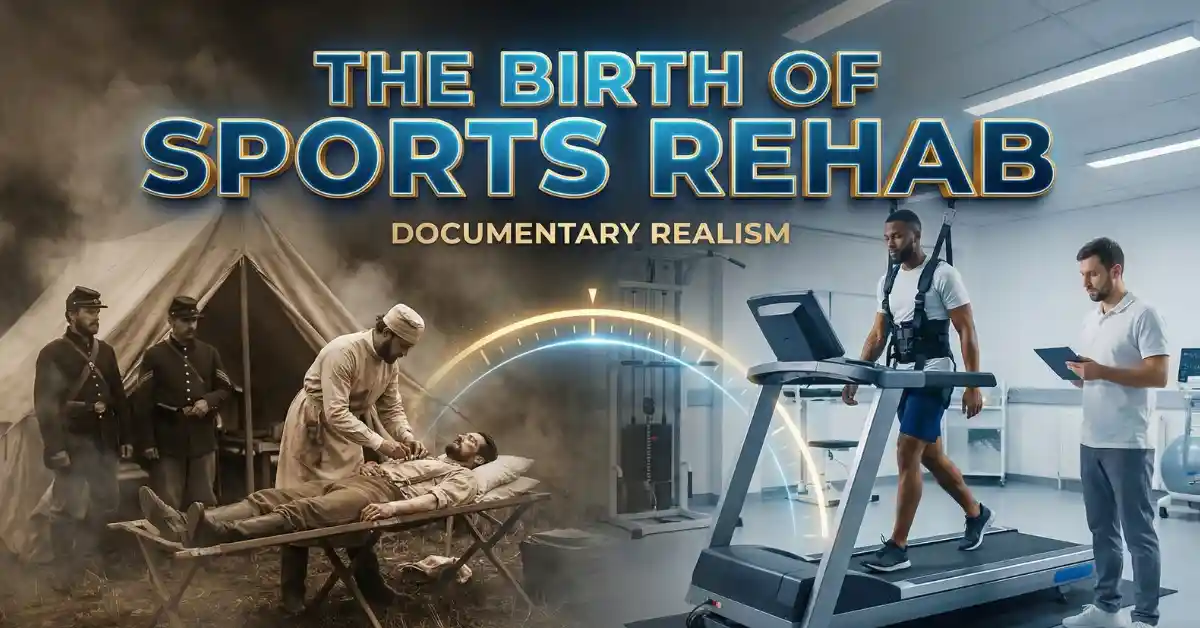
The history of sports rehab is a fascinating narrative that intertwines with the development of sports medicine and rehabilitation techniques. Over the years, the field has undergone significant transformations, driven by advancements in medical science and a deeper understanding of athlete needs.

Advancements in Sports Medicine
Sports medicine has come a long way since its inception, evolving from basic injury treatment to sophisticated rehabilitation programs. The establishment of rehabilitation centers has played a crucial role in this evolution, providing athletes with comprehensive care that addresses both physical and psychological aspects of recovery.
The history of physiotherapy is particularly noteworthy, as it has contributed significantly to the development of sports rehab. Techniques such as manual therapy, exercise prescription, and modalities like ultrasound and electrical stimulation have become cornerstone treatments in sports rehabilitation.
The Shift from Treatment to Prevention
In recent years, there has been a paradigm shift in sports rehab from treatment to prevention. This change is driven by the realization that preventing injuries is more effective than treating them after they occur. Programs like FIFA 11+ have been instrumental in this shift, focusing on exercises and training methods that enhance athlete resilience and reduce the risk of injury.
The integration of sports physiotherapy into training routines has also been pivotal. By identifying potential risk factors and implementing preventive measures, athletes can significantly lower their risk of injury, ensuring a longer and healthier career.
As sports medicine continues to evolve, the future of sports rehab looks promising, with ongoing research and innovation set to further enhance athlete care and performance.
FIFA 11+: The Simple, Proven Fix Every Indian Athlete Needs
With its comprehensive approach to injury prevention, FIFA 11+ is revolutionizing the way athletes train and compete. This program, designed by experts in sports medicine, has been shown to significantly reduce injuries among athletes by focusing on prehabilitation and exercise therapy.

The Science Behind This Revolutionary Program
The FIFA 11+ program is built on a foundation of scientific research and evidence-based practices. It includes a series of exercises designed to improve strength, flexibility, and coordination, all of which are critical for acl rehabilitation and overall athletic performance. By incorporating this program into their training routine, athletes can significantly reduce their risk of injury.
One of the key components of FIFA 11+ is its focus on proper warm-up and cool-down techniques, as well as exercises that improve core strength and balance. This comprehensive approach helps athletes prepare for the demands of their sport and recover more effectively after training or competition.
Implementing FIFA 11+ in Your Training Routine
Implementing the FIFA 11+ program into a training routine is straightforward. Coaches and athletes can follow a structured plan that includes a series of exercises to be performed before training or competition. The program is designed to be adaptable, allowing it to be tailored to the specific needs of the athlete or team.
Step-by-Step Guide for Coaches and Athletes
- Step 1: Begin with a dynamic warm-up to prepare the muscles for training.
- Step 2: Incorporate strength exercises targeting the core and lower limbs.
- Step 3: Focus on balance and coordination exercises to enhance overall athletic ability.
- Step 4: Finish with a cool-down session to aid in recovery.
By following this step-by-step guide, athletes can effectively integrate the FIFA 11+ program into their training, enhancing their return to sport capabilities after injury and improving overall performance. For athletes and coaches looking for more information or guidance on implementing FIFA 11+, consulting with a sports medicine clinic can provide valuable insights and support.
Conclusion
As India’s athletes continue to push their limits, the importance of sports rehabilitation cannot be overstated. The alarming rate of sports injuries in the country demands a proactive approach to preventive health. Programs like FIFA 11+ have shown significant promise in reducing injury rates and improving overall athletic performance.
By integrating physical therapy and sports rehabilitation into their training regimens, athletes can significantly reduce their risk of injury. As we look towards rehabilitation 2030, it’s clear that preventive measures will play a crucial role in shaping the future of sports medicine.
Adopting a preventive mindset is not just about avoiding injuries; it’s about unlocking an athlete’s full potential. By prioritizing sports rehab and preventive health, Indian athletes can perform at their best, both on and off the field.
Medical Disclaimer
The information provided on this website is for educational and informational purposes only and is not intended as a substitute for professional medical advice, diagnosis, or treatment.
All content related to sports rehabilitation, physiotherapy, injury prevention, and exercise therapy is based on publicly available research, clinical guidelines, and recommendations from authoritative organizations such as the World Health Organization (WHO), peer-reviewed journals indexed in PubMed, and professional physiotherapy associations.
Always seek the advice of a qualified physician, physiotherapist, or other licensed healthcare provider before starting any rehabilitation, exercise, or injury-prevention program. Never disregard professional medical advice or delay seeking it because of something you have read on this website.
If you experience pain, injury, or a medical emergency, consult a healthcare professional immediately.
FAQ
What is sports rehab and how does it help athletes?
Sports rehab is a specialized form of physical therapy designed to help athletes recover from injuries, regain strength and mobility, and return to their sport safely. It involves a tailored program of exercises, manual therapy, and education to address the specific needs of each athlete.
What are the most common sports injuries that require rehab?
Common sports injuries that often require rehab include ACL tears, hamstring strains, knee ligament sprains, ankle sprains, and shoulder injuries such as dislocations or rotator cuff strains. Effective rehab programs can help athletes recover from these injuries and prevent future occurrences.
How does the FIFA 11+ program help prevent injuries?
The FIFA 11+ program is a comprehensive warm-up and training program designed to improve strength, flexibility, and coordination, reducing the risk of injuries. It includes exercises that target key muscle groups, improve balance and proprioception, and enhance overall athletic performance.
Can sports rehab help with injury prevention?
Yes, sports rehab is not just about treating injuries; it’s also about preventing them. By identifying potential weaknesses and imbalances, sports rehab professionals can help athletes develop strategies to reduce their risk of injury and maintain optimal performance.
What is the role of prehabilitation in sports rehab?
Prehabilitation, or “prehab,” involves proactive measures to prevent injuries before they occur. This can include exercises, stretches, and other interventions designed to strengthen vulnerable areas, improve flexibility, and enhance overall athleticism, ultimately reducing the risk of injury.
How can athletes incorporate evidence-based rehab practices into their training?
Athletes can work with sports rehab professionals to develop personalized training programs that incorporate evidence-based practices, such as the FIFA 11+ program. By staying informed about the latest research and best practices in sports rehab, athletes can take a proactive approach to injury prevention and optimal performance.
What is the significance of ACL rehabilitation in sports rehab?
ACL rehabilitation is a critical aspect of sports rehab, as ACL injuries are common and can have significant consequences for athletes. Effective ACL rehabilitation programs involve a combination of exercises, manual therapy, and education to help athletes regain strength, stability, and function in the knee.
How can coaches and athletes implement the FIFA 11+ program in their training routine?
Coaches and athletes can implement the FIFA 11+ program by following a step-by-step guide that outlines the exercises, warm-up routines, and training protocols. This can involve working with a qualified professional to develop a customized program that meets the specific needs of the team or individual athlete.

Dr. Shabbir Hussain, BPT
Registered Physiotherapist | Clinical Rehabilitation Specialist
Maharashtra OTPT Council Reg. No.: PR-2021/08/PT/009532
Society of Onco Physiotherapists Reg. No.: SOP/00033/LM
Dr. Shabbir Hussain, BPT, Registered Physiotherapist with over 8 years of experience in physiotherapy, kidney rehabilitation, oncological rehabilitation, and lymphedema management. He specializes in balance disorders, pain management, musculoskeletal rehabilitation, strengthening programs, and VR-based rehabilitation.