
📅 Article Information
Last Updated: June 13, 2026
Reviewed By: Dr. Shabbir Hussain (BPT), Licensed Physiotherapist
Category: Physiotherapy, Rehabilitation, Space Medicine, Mobility & Recovery
Reading Time: 8–10 Minutes
This article is periodically reviewed and updated to reflect current rehabilitation research, physiotherapy practices, and developments in space medicine and recovery science.
What if the same rehabilitation techniques used to help astronauts walk again after space missions could help patients recover faster on Earth?
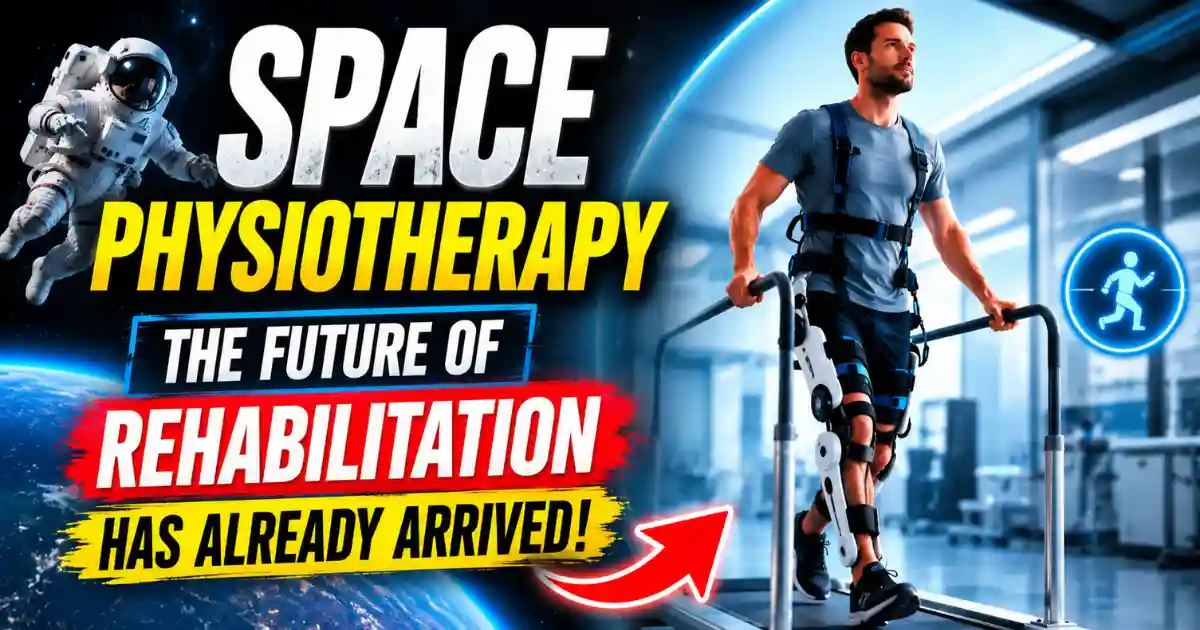
From anti-gravity treadmills to advanced movement tracking systems, space physiotherapy is bringing NASA-inspired innovations into modern rehabilitation clinics and changing how people recover from injuries, surgery, and mobility problems.
By leveraging the unique conditions of space, researchers have developed new methods to enhance rehabilitation services, making them more effective and efficient. These advancements are not only beneficial for astronauts but also for individuals on Earth who require physical therapy.
🚀 5 Surprising Things Space Physiotherapy Can Do
Originally developed to help astronauts recover after space missions, these advanced rehabilitation techniques are now helping patients on Earth move better, recover faster, and regain independence.
Anti-gravity rehabilitation systems can help patients walk and exercise with less stress on knees, hips, and ankles.
Advanced movement training may help improve coordination, stability, and confidence during daily activities.
Space-inspired rehabilitation tools can assist patients in safely rebuilding strength and mobility.
Performance-focused recovery techniques can accelerate rehabilitation while reducing physical strain.
Targeted balance and mobility training may help reduce fall risk and support independent living.
💡 Why This Matters to You
Whether you’re recovering from surgery, struggling with balance problems, dealing with chronic pain, or looking to improve mobility, some of the most advanced rehabilitation methods today are inspired by research originally developed for astronauts.
🚀 Did You Know?
The same rehabilitation principles developed for astronauts after space missions are now being used to help patients recover from injuries, surgery, balance disorders, and mobility problems on Earth.
📊 Key Takeaway
Space physiotherapy is no longer limited to astronauts. Techniques originally designed for recovery after space missions are now helping patients improve mobility, regain strength, and return to daily activities more effectively.
The impact of NASA rehabilitation programs can be seen in the improved recovery rates of patients undergoing therapy. As the field continues to evolve, it holds great promise for the future of physiotherapy.
🔬 Quick Fact
Astronauts can experience significant muscle weakness and balance issues after spending extended periods in microgravity. Researchers developed specialized rehabilitation techniques to restore strength and mobility—many of which are now being adapted for patient care on Earth.
What Makes Space Physiotherapy Different: Core Principles Explained
Space physiotherapy represents a groundbreaking approach to rehabilitation, leveraging techniques developed for space exploration to enhance recovery on Earth. This innovative field combines the latest research in space medicine with advanced physiotherapy techniques to provide more effective treatment options.
The Science Behind Aerospace Therapy Techniques
Aerospace therapy techniques are rooted in the unique challenges faced by astronauts in space. For instance, motion analysis plays a crucial role in understanding how the body moves in microgravity environments, which can inform treatment protocols for patients with similar movement disorders on Earth.
Breaking Down the Methodology
The methodology behind space physiotherapy involves a comprehensive assessment of the patient’s condition, utilizing tools like advanced motion capture technology. This allows for precise diagnosis and tailored treatment plans.
How Microgravity Changes the Human Body: The Challenge for Therapists
Microgravity’s impact on human physiology is profound, necessitating specialized knowledge for therapists working in space health and wellness. When individuals are exposed to microgravity, their bodies undergo significant changes that can affect their rehabilitation and mobility.
Muscle and Bone Adaptations in Space
In microgravity environments, muscles and bones adapt by losing mass and density due to the reduced need for weight-bearing activities. This adaptation can lead to challenges such as muscle atrophy and osteoporosis upon return to Earth’s gravity.
Cardiovascular and Neurological Effects
Microgravity also affects the cardiovascular system by altering blood distribution and reducing the heart’s workload, potentially leading to orthostatic intolerance. Neurologically, the lack of gravitational pull can disrupt balance and coordination.
Recovery Challenges After Space Missions
After returning from space missions, individuals often face significant recovery challenges, including regaining muscle strength, bone density, and cardiovascular endurance. Therapists must develop tailored rehabilitation programs to address these challenges.
⭐ Who Can Benefit From Space Physiotherapy?
- ✔ People recovering from surgery
- ✔ Patients with balance disorders
- ✔ Athletes recovering from injuries
- ✔ Older adults with mobility limitations
- ✔ Individuals with chronic pain conditions
📝 Quick Self-Check
Do any of these apply to you?
☐ Recovering from surgery?
☐ Chronic pain?
☐ Balance problems?
☐ Sports injury?
☐ Difficulty walking confidently?
If you answered yes to one or more questions, space-inspired rehabilitation techniques may be worth discussing with your physiotherapist.
🚀 Why NASA’s Rehabilitation Research Matters for Everyday Patients
Many people assume NASA’s rehabilitation research is only relevant to astronauts. In reality, the same technologies and recovery principles developed to help astronauts regain strength, balance, and mobility after space missions are now influencing modern physiotherapy and rehabilitation programs around the world.
Anti-gravity rehabilitation systems can help patients exercise and walk with reduced pressure on the knees, hips, and ankles.
Space-inspired rehabilitation methods may allow patients to begin movement training earlier while minimizing strain on healing tissues.
Advanced movement analysis and balance exercises can help improve coordination and reduce the risk of falls.
Specialized rehabilitation tools can support safer mobility training for older adults and people recovering from injuries.
By focusing on strength, movement quality, and functional recovery, patients may regain independence sooner.
Breakthrough Space Physiotherapy Techniques Transforming Patient Recovery
Revolutionary techniques derived from space research are now enhancing physiotherapy practices. The integration of space-age technologies into rehabilitation services is significantly improving patient outcomes. Certified physiotherapists are at the forefront of adopting these innovative methods.
Antigravity Training Systems
Antigravity training systems are one of the breakthrough techniques transforming patient recovery. These systems allow for low-impact rehabilitation, reducing the stress on patients’ joints and muscles. This is particularly beneficial for patients recovering from surgery or those with chronic pain.
Advanced Motion Analysis for Precise Treatment
Advanced motion analysis is another critical technique in space physiotherapy. It enables precise assessment and treatment of movement disorders. By analyzing a patient’s movement patterns, certified physiotherapists can develop targeted rehabilitation programs.
🚨 Why Experts Are Paying Attention
Space physiotherapy combines advanced motion analysis, anti-gravity training systems, wearable monitoring tools, and innovative rehabilitation strategies to improve patient outcomes and accelerate recovery.
Cutting-Edge Equipment Powering Modern Rehabilitation Services
Modern rehabilitation services are now leveraging advanced equipment developed from NASA’s research. This integration of space technology has significantly enhanced the recovery process for patients, offering more effective and personalized treatment options.
Next-Generation Anti-Gravity Treadmills
One of the most significant advancements in rehabilitation equipment is the development of next-generation anti-gravity treadmills. These treadmills, inspired by NASA’s research on astronauts’ muscle loss in microgravity, allow patients to exercise in a weightless environment, reducing the strain on their joints and muscles.
Benefits of Anti-Gravity Treadmills:
- Reduced impact on joints
- Enhanced muscle strength training
- Improved cardiovascular rehabilitation
| Equipment | Benefit | Application |
|---|---|---|
| Anti-Gravity Treadmills | Reduced joint impact | Rehabilitation after surgery or injury |
| Resistance Devices | Personalized strength training | Muscle rehabilitation and strengthening |
| Wearable Monitoring Tools | Continuous patient monitoring | Ongoing assessment and treatment adjustment |
The use of these cutting-edge equipment in rehabilitation services is transforming patient recovery, making it more efficient and effective. As technology continues to evolve, we can expect even more innovative solutions to emerge in the field of sports medicine and NASA rehabilitation.
🧠 The Future of Rehabilitation
As technologies inspired by space research continue to evolve, rehabilitation may become more personalized, data-driven, and effective than ever before. AI, wearable sensors, and advanced movement tracking are expected to play a major role in the future of physiotherapy.
Beyond Recovery: Space Physiotherapy for Enhanced Mobility and Performance
Space physiotherapy is revolutionizing the way we approach mobility and performance enhancement. By applying the principles derived from space research, therapists can now offer treatments that not only aid in recovery but also significantly improve patients’ overall mobility and performance.
Improving Functional Movement Patterns
Space physiotherapy also focuses on improving functional movement patterns, which are crucial for daily activities and overall mobility. By utilizing antigravity training systems and advanced motion analysis, therapists can help patients regain natural movement patterns.
Long-Term Mobility Benefits for Patients
The long-term benefits of space physiotherapy for patients include sustained improvements in mobility and a reduction in the risk of future injuries. A table illustrating the benefits is shown below:
| Benefit | Description | Long-term Impact |
|---|---|---|
| Improved Mobility | Enhanced range of motion and flexibility | Reduced risk of injury |
| Chronic Pain Management | Effective management of chronic pain conditions | Improved quality of life |
| Enhanced Performance | Better functional movement patterns | Increased independence |
By embracing space physiotherapy, patients can experience a new level of mobility and performance, enhancing their overall quality of life.
Sports Medicine Advances: How Athletes Benefit from Space Science Therapy
Athletes are now leveraging the cutting-edge technology developed for space exploration to enhance their performance and recovery. The application of space science in sports medicine has opened new avenues for athlete care, from advanced training protocols to accelerated injury recovery.
Elite Training Protocols Derived from Astronaut Programs
Training programs designed for astronauts have been adapted for elite athletes, providing them with rigorous and highly effective conditioning. These protocols focus on optimizing physical performance under extreme conditions, which translates well to the demands of competitive sports.
Key Components of Elite Training Protocols:
- High-intensity interval training
- Resistance exercises tailored to individual athlete needs
- Advanced cardiovascular conditioning
Accelerated Recovery Techniques for Sports Injuries
Space science has contributed significantly to the development of recovery techniques for sports injuries. Technologies such as antigravity treadmills and advanced cryotherapy are being used to accelerate healing and reduce downtime for athletes.
Preventative Applications for Athletic Longevity
Preventative care is a crucial aspect of sports medicine, and space science therapy offers several strategies to enhance athletic longevity. By incorporating predictive analytics and personalized medicine, athletes can reduce their risk of injury and maintain peak performance over their careers.
By embracing the advancements in space science therapy, athletes and sports medicine professionals are witnessing significant improvements in training, recovery, and overall performance.

The effectiveness of space physiotherapy is evident in the measurable outcomes. For example, a study comparing traditional physiotherapy methods with space physiotherapy techniques showed a significant improvement in recovery times for patients undergoing space physiotherapy.
- Improved mobility and strength
- Enhanced overall well-being
These success stories underscore the potential of space physiotherapy to revolutionize rehabilitation practices in India and beyond.
Finding Certified Physiotherapists Specialized in Aerospace Techniques in India
For individuals seeking rehabilitation services in India, finding the right physiotherapist is crucial. Aerospace physiotherapy, with its advanced techniques, offers new hope for recovery and mobility.
Required Qualifications and Certifications
Physiotherapists specializing in aerospace techniques must undergo rigorous training. They typically require a degree in physiotherapy followed by specialized certifications in aerospace or space physiotherapy. These programs equip them with the knowledge to handle unique challenges posed by microgravity environments.
Leading Physical Therapy Clinics Offering Space-Based Rehabilitation in India
Several top-notch physical therapy clinics in India are now offering cutting-edge space-based rehabilitation programs. These clinics are equipped with state-of-the-art facilities and staffed by highly trained professionals who have specialized in space-based therapy techniques.
State-of-the-Art Facilities Across Major Cities
Major cities like Delhi, Mumbai, and Bangalore are home to some of the most advanced physical therapy clinics in the country. These clinics boast anti-gravity treadmills and resistance devices inspired by space technology, providing patients with comprehensive rehabilitation programs.
The Future of Space Health and Wellness: What’s Coming Next
As we venture further into the cosmos, the future of space health and wellness is unfolding with unprecedented innovations. The convergence of space research and healthcare is creating new avenues for rehabilitation and wellness, particularly in India.
Emerging Research from ISRO
The Indian Space Research Organisation (ISRO) is at the forefront of space research, contributing significantly to the field of space health and wellness. Recent studies have focused on the effects of microgravity on the human body, leading to breakthroughs in our understanding of muscle and bone adaptations in space.
“The research being conducted by ISRO is not only advancing our knowledge of space physiology but also translating into practical applications for healthcare on Earth.” – Dr. K. Sivan, Former Chairman, ISRO
Global Innovations on the Horizon
Globally, the field of space health is witnessing significant innovations. Advanced motion analysis systems and antigravity training facilities are being developed to improve rehabilitation outcomes.
| Innovation | Application |
|---|---|
| Advanced Motion Analysis | Precise treatment planning |
| Antigravity Training Systems | Rehabilitation and sports training |
Conclusion
As we have explored, space physiotherapy has transformed the landscape of rehabilitation services, offering cutting-edge techniques and equipment that enhance recovery and mobility. By leveraging the unique conditions of space, therapists can now provide more effective treatment protocols that benefit patients on Earth.
The Indian space research community, including the Indian Space Research Organisation (ISRO), is playing a significant role in advancing space physiotherapy. With state-of-the-art facilities and specialized training programs, India is becoming a hub for innovative rehabilitation services.
As research continues to evolve, we can expect to see even more groundbreaking developments in space physiotherapy. With its potential to transform lives, this field is poised to make a lasting impact on the future of rehabilitation services.
🚀 Could Space Physiotherapy Become Common in Future Clinics?
Many technologies originally developed for astronauts are gradually finding their way into rehabilitation centers worldwide. As innovation continues, experts believe space-inspired physiotherapy could become a routine part of patient care in the coming years.
Artificial intelligence may help therapists analyze movement patterns, track recovery progress, and create more personalized rehabilitation programs.
Smart wearable devices can provide real-time feedback on posture, balance, gait, and physical activity, helping patients and therapists make data-driven decisions.
Advanced monitoring systems may allow rehabilitation plans to be tailored to each patient’s specific needs, goals, and recovery timeline.
Immersive VR environments could make rehabilitation more engaging while improving balance, coordination, mobility, and motor learning.
FAQ
What is space physiotherapy and how does it differ from traditional physiotherapy?
Space physiotherapy is a revolutionary approach to physical therapy that leverages techniques and technologies developed for space exploration to enhance recovery and mobility. It differs from traditional physiotherapy in its use of advanced equipment and methodologies, such as antigravity training systems and motion analysis, to provide more effective treatment.
How does microgravity affect the human body and what are the implications for physiotherapy?
Microgravity causes significant changes to the human body, including muscle and bone loss, cardiovascular adaptations, and neurological effects. Physiotherapists must understand these changes to develop effective treatment plans for patients who have experienced microgravity or have similar conditions.
What are some of the breakthrough techniques used in space physiotherapy?
Some breakthrough techniques used in space physiotherapy include antigravity training systems, advanced motion analysis, and virtual reality and biofeedback applications. These techniques help patients recover more quickly and effectively, and can also be used to improve mobility and performance.
Are there certified physiotherapists in India who specialize in aerospace techniques?
Yes, there are certified physiotherapists in India who specialize in aerospace techniques. To find them, look for professionals with specialized training and certifications in space physiotherapy or aerospace therapy. Some top training programs are available in India, and it’s essential to ask the right questions when choosing a specialist.
What kind of equipment is used in space physiotherapy clinics?
Space physiotherapy clinics use cutting-edge equipment, including next-generation anti-gravity treadmills, resistance devices inspired by space technology, and wearable monitoring tools. This equipment helps patients recover more effectively and can also be used to improve mobility and performance.
Can space physiotherapy be used for chronic pain management?
Yes, space physiotherapy can be used for chronic pain management. Protocols developed for astronauts can be adapted for patients with chronic pain, helping to improve functional movement patterns and reduce pain.
How does space physiotherapy benefit athletes?
Space physiotherapy benefits athletes by providing elite training protocols derived from astronaut programs, accelerated recovery techniques for sports injuries, and preventative applications for athletic longevity. These techniques can help athletes improve performance, recover more quickly, and maintain their overall health.
Is space physiotherapy covered by insurance?
Insurance coverage for space physiotherapy varies depending on the provider and the specific treatment plan. Some clinics offer accessibility options and financing plans to make space physiotherapy more affordable. It’s essential to check with your insurance provider and the clinic to determine the costs and coverage.

Dr. Shabbir Hussain, BPT Licensed Physiotherapist | Clinical Rehabilitation SpecialistMaharashtra OTPT Council Reg. No. PR-2021/08/PT/009532Society of Onco Physiotherapists Reg. No. SOP/00033/LM
He is a licensed physiotherapist with over 8 years of experience in physiotherapy, kidney rehabilitation, oncological rehabilitation, and lymphedema management. He specializes in balance disorders, pain management, musculoskeletal rehabilitation, strengthening programs, and VR-based rehabilitation.
Dr. Shabbir Hussain (BPT)