
Experience: 8+ years | Physiotherapy & Rehabilitation
Last Updated: May 12, 2026
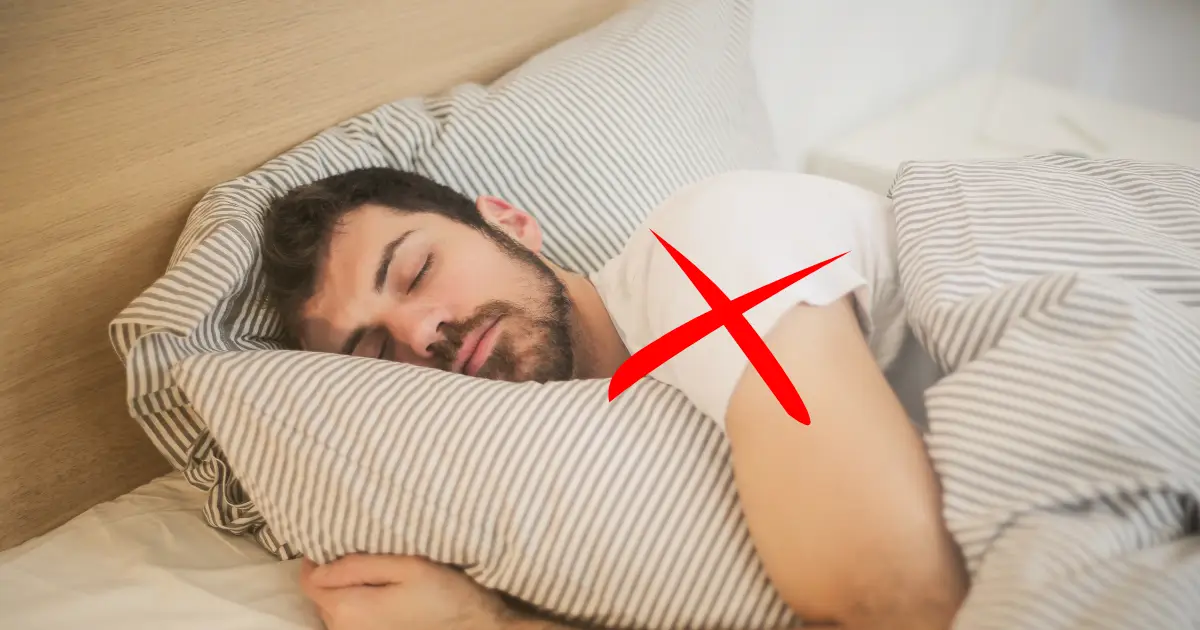
Millions of people unknowingly make sleep mistakes every night that can increase fatigue, back pain, headaches, and poor concentration.
You think you’re sleeping fine… but what if your sleep habits are silently damaging your brain and heart every single night?
Every night, millions unknowingly make small sleep mistakes: scrolling late, using the wrong pillow, irregular sleep timing. These seem harmless… but over time, they can lead to chronic fatigue, weight gain, heart problems, and even mental health disorders.
The scary part?
Most people don’t realize the damage until symptoms become serious.
Disclaimer: This content is for educational purposes only and does not replace professional medical advice, diagnosis, or treatment. Always consult a qualified healthcare provider regarding any medical condition or sleep-related concern.
What Is Sleep Health?
Sleep health refers to the quality, duration, and consistency of sleep, essential for physical and mental recovery.
According to the World Health Organization, poor sleep is linked to non-communicable diseases, reduced immunity, and impaired cognitive function.
The National Institutes of Health states that adults need 7–9 hours of quality sleep for optimal functioning.
What Happens If You Ignore Sleep Mistakes?
Ignoring poor sleep habits is not just about feeling tired.
🚨 Serious Health Risks:
- Increased risk of heart disease and hypertension
- Higher chances of type 2 diabetes
- Weakened immunity → frequent illness
- Memory decline & brain fog
- Increased risk of anxiety & depression
📊 Evidence-Based Insight:
A PubMed study shows that chronic sleep deprivation increases mortality risk by up to 12%.
Another study published in Sleep Medicine Reviews found that irregular sleep patterns disrupt circadian rhythm, leading to metabolic disorders.
👉 Real-world impact:
You may gain weight, lose productivity, and experience constant fatigue—even if you think you’re sleeping “enough.”
Causes & Risk Factors
🔹 Lifestyle Factors
- Late-night screen exposure (blue light)
- Irregular sleep schedule
- Excess caffeine or alcohol
- Sleeping immediately after heavy meals
🔹 Medical Causes
- Sleep apnea
- Chronic pain
- Anxiety or depression
🔹 Occupational Risks
- Night shifts
- Sedentary desk jobs
- High-stress work environments
🔹 Age-Related Factors
- Hormonal changes
- Reduced melatonin production
Warning Signs & Symptoms
Early Signs (Don’t Ignore These)
- Feeling tired even after sleep
- Difficulty falling asleep
- Frequent waking at night
- Morning headaches
Advanced Symptoms
- Chronic fatigue
- Mood swings / irritability
- Weight gain
- Poor concentration
- Reduced immunity
Diagnosis & Clinical Standards
Doctors assess sleep problems using:
- Sleep history & questionnaires
- Polysomnography (Sleep Study) – gold standard
- Actigraphy (sleep tracking devices)
Clinical guidelines from:
- World Health Organization
- National Institutes of Health
These emphasize sleep duration, quality, and circadian rhythm stability.
Evidence-Based Fixes
✅ What Actually Works
1. Fix Your Sleep Timing
- Sleep and wake at the same time daily
- Align with natural circadian rhythm
2. Screen Detox Before Bed
- Avoid screens 60 minutes before sleep
- Blue light suppresses melatonin
3. Correct Sleeping Posture (Physiotherapy Insight)
- Use neutral spine alignment
- Avoid overly high pillows (neck strain risk)
4. Optimize Sleep Environment
- Dark, cool, quiet room
- Use blackout curtains
5. Limit Stimulants
- Avoid caffeine after 4 PM
- Reduce alcohol intake
6. Evidence-Based Relaxation Techniques
- Deep breathing
- Progressive muscle relaxation
- Mindfulness meditation
👉 Physiotherapy plays a key role in:
- Posture correction
- Pain reduction
- Sleep ergonomics
- Sleep calculator
Prevention & Daily Habits
- Maintain consistent sleep schedule
- Get morning sunlight exposure
- Exercise regularly (but not late night)
- Avoid heavy meals before bed
- Manage stress proactively
Public health guidelines from WHO emphasize sleep as a pillar of preventive healthcare, alongside diet and exercise.
FAQs
1. Is poor sleep reversible?
Yes, with lifestyle changes and proper sleep hygiene, most sleep issues can improve significantly.
2. How long does recovery take?
Typically 2–4 weeks of consistent habits can restore sleep patterns.
3. Can physiotherapy help with sleep?
Yes. It improves posture, reduces pain, and enhances relaxation—leading to better sleep.
4. What is the biggest sleep mistake?
Irregular sleep timing and excessive screen exposure before bed.
5. Does poor sleep cause weight gain?
Yes. It disrupts hormones like leptin and ghrelin, increasing appetite.
6. When should I see a doctor?
If sleep issues persist beyond 2–3 weeks or affect daily life.
REFERENCES
World Health Organization. (2023). Sleep and health guidelines. https://www.who.int/publications/i/item/9789241550536
National Institutes of Health. (2022). Sleep deprivation and deficiency. https://www.nih.gov
Medic, G., Wille, M., & Hemels, M. (2017). Short- and long-term health consequences of sleep disruption. Sleep Medicine Reviews. https://doi.org/10.1016/j.smrv.2017.01.001
Irwin, M. R. (2015). Why sleep is important for health. Annual Review of Psychology. https://pubmed.ncbi.nlm.nih.gov
Reviewed by: Senior Physiotherapy Expert
Dr. Shabbir Hussain, BPT
Licensed Physiotherapist | Clinical Rehabilitation Specialist
Maharashtra OTPT Council Reg. No.: PR-2021/08/PT/009532
Society of Onco Physiotherapists Reg. No.: SOP/00033/LM
Dr. Shabbir Hussain, BPT, Registered Physiotherapist with over 8 years of experience in physiotherapy, kidney rehabilitation, oncological rehabilitation, and lymphedema management. He specializes in balance disorders, pain management, musculoskeletal rehabilitation, strengthening programs, and VR-based rehabilitation.