Rubella Alert – For pregnant-age women, the risk of rubella infection poses a significant threat to their health and the health of their unborn child. Rubella vaccination is a crucial step in preventing this risk.

Contracting rubella during pregnancy can lead to serious complications, including miscarriage, stillbirth, and birth defects. Ensuring that women of childbearing age are vaccinated against rubella is vital to preventing these outcomes.
Vaccination not only protects the individual but also contributes to herd immunity, safeguarding those who are most vulnerable.
Key Takeaways
- Rubella infection during pregnancy can cause severe complications.
- Vaccination is key to preventing rubella infection.
- Ensuring herd immunity protects vulnerable populations.
- Rubella vaccination is non-negotiable for pregnant-age women.
- Vaccination contributes to a healthier community.
Understanding Rubella: The “German Measles” Threat
Understanding rubella, or “German Measles,” is crucial due to its potential to cause severe complications during pregnancy. Rubella is a viral infection that spreads through respiratory droplets, making it highly contagious.
What is Rubella and How Does it Spread?
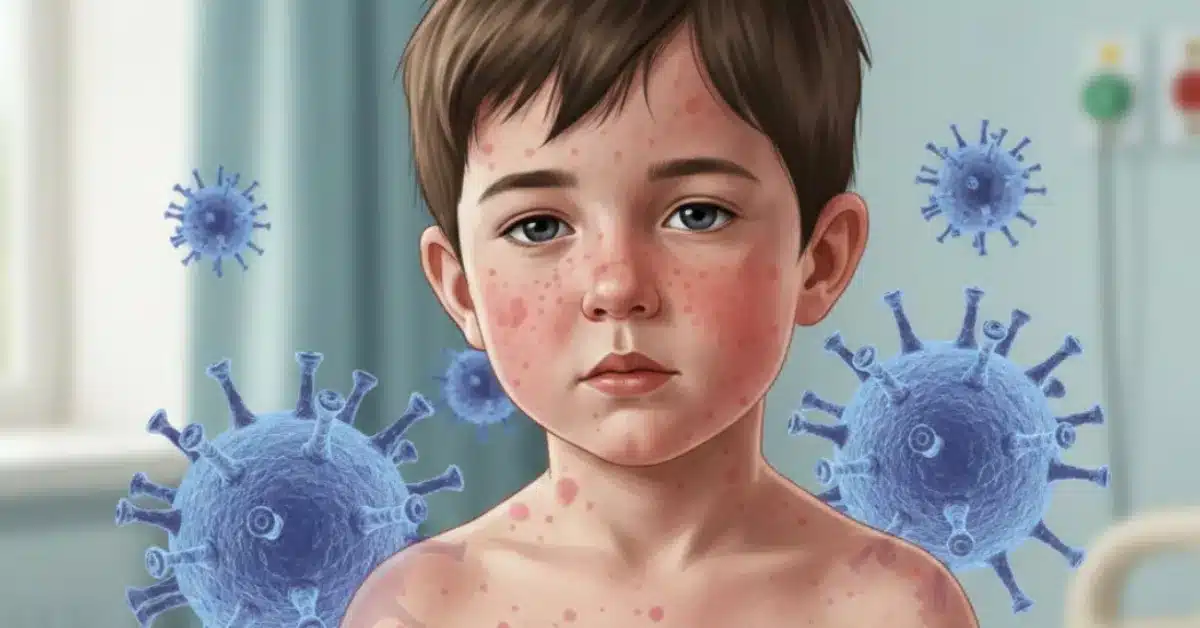
Rubella is caused by the rubella virus and is characterized by a low-grade fever, sore throat, and a rash that starts on the face and spreads to other parts of the body. The virus spreads through direct contact with respiratory secretions or by airborne transmission when an infected person coughs or sneezes.
Current Rubella Status in India
India has seen significant efforts to control rubella through vaccination programs. However, outbreaks still occur, particularly in areas with low vaccination coverage. According to the World Health Organization (WHO), rubella vaccination is crucial for preventing Congenital Rubella Syndrome (CRS).
“Rubella vaccination is a critical component of public health strategies to prevent CRS, a condition that can lead to severe birth defects.”
Recognizing Rubella Symptoms
Rubella symptoms can vary between children and adults. In children, the disease is often mild, with symptoms including a rash, low-grade fever, and swollen lymph nodes.
In Children vs. Adults
In adults, rubella can cause more severe symptoms, including joint pain and swelling. Adults are also more likely to experience complications.
When to Seek Medical Attention
If you suspect you have been exposed to rubella or are experiencing symptoms, especially during pregnancy, it is crucial to seek medical attention immediately. Early diagnosis can help prevent serious complications.
Rubella Alert: Why Pregnant Women Face Critical Risks
The risk of rubella infection during pregnancy is a significant concern, potentially resulting in Congenital Rubella Syndrome (CRS) in newborns. CRS is a condition that occurs when the rubella virus infects a pregnant woman, causing a range of serious health problems for the baby.
Congenital Rubella Syndrome (CRS) Explained
CRS is a serious condition that can lead to multiple birth defects and complications. When a pregnant woman contracts rubella, especially during the first trimester, the virus can be transmitted to the fetus, potentially causing CRS.
Birth Defects and Complications
Babies born with CRS may suffer from various birth defects, including heart problems, hearing and vision loss, and developmental delays. The severity of these defects can vary, but they often require lifelong medical care and intervention.
Statistics in Unvaccinated Populations
In areas with low vaccination rates, the incidence of CRS can be significantly higher. For instance, during rubella outbreaks, the risk of CRS among infected pregnant women can be as high as 90% if the infection occurs during the first trimester.

First Trimester Dangers
The first trimester is the most critical period for rubella infection during pregnancy. The risk of CRS is highest when the infection occurs within the first 12 weeks of gestation. “The risk of congenital defects is greatest when the infection occurs during the first 16 weeks of pregnancy”, as noted by health experts.
Long-term Health Consequences for Babies
Babies born with CRS may face long-term health consequences, including ongoing medical issues, developmental challenges, and potential disabilities. Early diagnosis and intervention are crucial to managing these conditions and improving the quality of life for affected children.
As
“Rubella infection during pregnancy can have devastating consequences for the unborn child, emphasizing the importance of vaccination before pregnancy”
, healthcare providers stress the need for pre-conception vaccination to prevent such outcomes.
Rubella Vaccination: Your Essential Protection
For women planning to conceive, understanding the significance of rubella vaccination is essential. Rubella vaccination is a crucial step in preventing congenital rubella syndrome (CRS), a condition that can lead to severe birth defects.
The MMR Vaccine: Efficacy and Safety Profile
The MMR (measles, mumps, and rubella) vaccine is widely used to protect against rubella. It has a proven track record of efficacy and safety. The vaccine is administered in two doses, typically given to children at the ages of 9 months and 15 months.
Efficacy: The MMR vaccine is highly effective in preventing rubella infection. Studies have shown that two doses of the vaccine are approximately 88% effective against rubella.
Safety: The MMR vaccine is considered safe for most individuals. Common side effects are mild and may include fever, rash, or swelling at the injection site.

India’s National Vaccination Program
India has implemented a comprehensive national vaccination program to combat rubella and other vaccine-preventable diseases. The program includes the MMR vaccine and has been expanded to cover more areas and populations.
MR Vaccination Campaigns
The MR (measles and rubella) vaccination campaign is a key component of India’s efforts to eliminate rubella. These campaigns target children aged 9 months to 15 years and aim to achieve high coverage to prevent outbreaks.
Accessing Vaccines in Urban vs. Rural Areas
Access to vaccines can vary significantly between urban and rural areas. Urban areas typically have better infrastructure and more accessible healthcare facilities, making it easier for residents to receive vaccinations. In contrast, rural areas often face challenges such as limited healthcare access and awareness, which can hinder vaccination efforts.
| Area | Vaccination Coverage | Challenges |
|---|---|---|
| Urban | High | Limited awareness about vaccine importance |
| Rural | Variable | Limited healthcare access, awareness, and infrastructure |
Pre-Conception Vaccination Guidelines
For women planning to conceive, it is recommended to check their rubella immunity status before pregnancy. If a woman is not immune, she should receive the MMR vaccine at least 28 days before becoming pregnant to ensure protection against rubella.
It’s crucial for healthcare providers to counsel women on the importance of pre-conception vaccination and to ensure that they are adequately protected against rubella.
Prevention Strategies and Testing for Women of Childbearing Age
Understanding rubella immunity and taking preventive measures can significantly reduce risks for pregnant women. Prevention strategies are multifaceted, involving both testing to determine immunity status and precautions to avoid exposure.
Rubella IgM Testing: Understanding Your Immunity Status
Rubella IgM testing is a critical tool for determining a woman’s immunity status. IgM antibodies indicate a recent infection, while IgG antibodies suggest past infection or vaccination and subsequent immunity. Women of childbearing age should undergo testing to understand their status and take appropriate measures.
A study published in the Journal of Infectious Diseases highlights the importance of rubella IgM testing:
“Rubella IgM testing is essential for diagnosing acute rubella infection, which is crucial for managing the risk of congenital rubella syndrome.”
| Test Type | Result Interpretation |
|---|---|
| Rubella IgM Positive | Recent or current infection |
| Rubella IgG Positive | Immune due to past infection or vaccination |
Precautions During Rubella Outbreaks
During rubella outbreaks, avoiding contact with infected individuals is crucial. Women who are not immune should take extra precautions, including avoiding areas where outbreaks are occurring.
Managing Potential Exposure During Pregnancy
If a pregnant woman is exposed to rubella, immediate action is necessary. Healthcare providers should be informed to assess the risk and determine the appropriate course of action.
Communication with Healthcare Providers
Effective communication with healthcare providers is vital. Women should inform their providers about any potential exposure to ensure timely intervention.
Monitoring and Follow-up Protocols
Monitoring for symptoms and follow-up testing are essential protocols following potential exposure. This ensures early detection and management of any potential infection.
Conclusion: Why Rubella Vaccination is Non-Negotiable
Rubella vaccination is a critical measure for protecting pregnant-age women and their unborn babies from the risks associated with rubella infection. As discussed, rubella can lead to severe complications, including Congenital Rubella Syndrome (CRS), which can result in long-term health consequences for babies.
The World Health Organization (WHO) guidance emphasizes the importance of rubella vaccination in achieving rubella elimination. India’s National Vaccination Program has incorporated the MMR vaccine, which is safe and effective in preventing rubella.
It is essential for women of childbearing age to undergo rubella IgM testing to determine their immunity status and receive vaccination if necessary. By taking these precautions, individuals can significantly reduce the risk of rubella infection and its associated complications.
Staying informed about rubella alert and rubella vaccination information is vital in preventing outbreaks and ensuring public health. By prioritizing rubella vaccination, we can work towards rubella elimination and protect the health of mothers and babies.
This content is published for educational and awareness purposes only and is not intended as a substitute for professional medical advice, diagnosis, or treatment. Rubella is a serious viral infection, particularly dangerous during pregnancy due to the risk of Congenital Rubella Syndrome (CRS).
Information presented in this article is based on guidance from authoritative medical sources including the World Health Organization (WHO), PubMed, and Centers for Disease Control and Prevention (CDC).
Always consult a qualified physician, gynecologist, or healthcare provider regarding vaccination status, pregnancy planning, or suspected symptoms. Do not delay or ignore professional medical advice because of something you have read here.
FAQ
What is rubella and how does it spread?
Rubella, also known as “German measles,” is a viral infection that spreads through respiratory droplets, such as those produced by coughing or sneezing, and through direct contact with an infected person’s mucus or saliva.
What are the symptoms of rubella and how do they differ in children and adults?
Rubella symptoms include a low-grade fever, sore throat, and a rash that starts on the face and spreads to other parts of the body. In children, the symptoms are often mild, while in adults, they can be more severe and include joint pain and swelling.
What is Congenital Rubella Syndrome (CRS), and what are its complications?
Congenital Rubella Syndrome (CRS) occurs when a pregnant woman contracts rubella during the first trimester, causing birth defects and complications in the baby, such as deafness, heart defects, and developmental delays.
How effective is the MMR vaccine in preventing rubella, and what is its safety profile?
The MMR (measles, mumps, and rubella) vaccine is highly effective in preventing rubella, with two doses providing about 88% effectiveness. The vaccine has a good safety profile, with common side effects including pain, redness, or swelling at the injection site.
What is the recommended vaccination schedule for rubella, and who should get vaccinated?
The recommended vaccination schedule for rubella is two doses of the MMR vaccine, typically administered at 12-15 months and 4-6 years of age. Women of childbearing age who are not immune to rubella should get vaccinated before becoming pregnant.
How can women of childbearing age determine their immunity status to rubella?
Women of childbearing age can determine their immunity status to rubella through a blood test that measures the level of rubella IgG antibodies. If the test shows that they are not immune, they should consider getting vaccinated.
What precautions should be taken during a rubella outbreak, especially for pregnant women?
During a rubella outbreak, pregnant women should avoid close contact with anyone who has rubella, practice good hygiene, such as frequent handwashing, and stay away from crowded areas. They should also consult their healthcare provider for guidance.
What are the long-term health consequences for babies born to mothers infected with rubella during pregnancy?
Babies born to mothers infected with rubella during pregnancy are at risk of Congenital Rubella Syndrome (CRS), which can lead to long-term health consequences, such as developmental delays, hearing loss, and vision problems.

Dr. Shabbir Hussain, BPT
Registered Physiotherapist | Clinical Rehabilitation Specialist
Maharashtra OTPT Council Reg. No.: PR-2021/08/PT/009532
Society of Onco Physiotherapists Reg. No.: SOP/00033/LM
Dr. Shabbir Hussain, BPT, Registered Physiotherapist with over 8 years of experience in physiotherapy, kidney rehabilitation, oncological rehabilitation, and lymphedema management. He specializes in balance disorders, pain management, musculoskeletal rehabilitation, strengthening programs, and VR-based rehabilitation.