Low Calcium Can Increase Pre-Eclampsia Risk – Pregnancy is a critical period where the health of both the mother and the baby is of utmost importance. One of the significant concerns during this time is the risk of pre-eclampsia, a condition that can lead to severe complications. Research has shown that calcium plays a crucial role in preventing pre-eclampsia.

A diet rich in calcium is not just beneficial for the mother’s bone health but is also vital for the baby’s development. Ensuring adequate calcium intake can be a powerful preventive measure against pre-eclampsia. Understanding the importance of calcium and how it can mitigate risks during pregnancy is essential for expectant mothers.
Key Takeaways – Low Calcium Can Increase Pre-Eclampsia Risk
- Pre-eclampsia is a significant risk during pregnancy that can lead to severe complications.
- Calcium intake is crucial for preventing pre-eclampsia.
- A diet rich in calcium benefits both the mother and the baby.
- Adequate calcium can mitigate the risk of pre-eclampsia.
- Understanding calcium’s importance is vital for expectant mothers.
Understanding How Low Calcium Can Increase Pre-Eclampsia Risk
Understanding the risks associated with low calcium levels during pregnancy is crucial, especially in relation to pre-eclampsia. Pre-eclampsia is a pregnancy complication that can have severe consequences if not managed properly.
What is Pre-Eclampsia and Its Dangers During Pregnancy
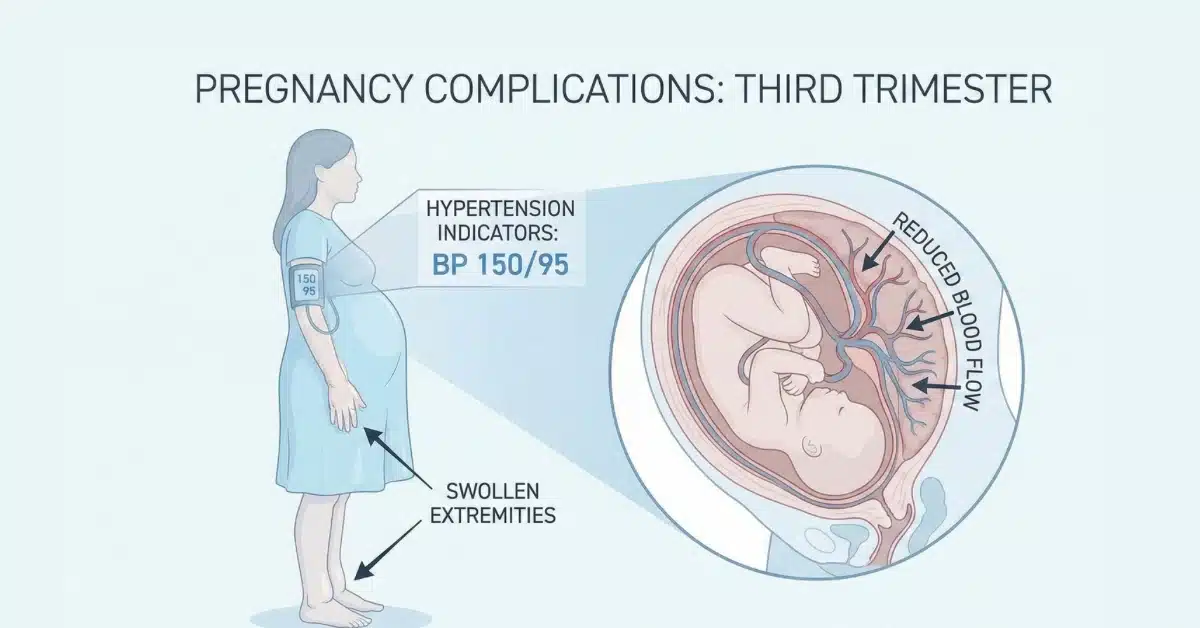
Pre-eclampsia is characterized by high blood pressure and often accompanied by significant amounts of protein in the urine. This condition can lead to premature birth, low birth weight, and other complications for the baby. For the mother, it can cause severe health issues, including kidney and liver damage.
The Scientific Link Between Calcium Deficiency and Hypertensive Disorders
Research has shown that calcium deficiency is linked to an increased risk of hypertensive disorders during pregnancy, including pre-eclampsia. Calcium plays a crucial role in maintaining healthy blood pressure. A deficiency can lead to vascular dysfunction, contributing to hypertension.
Studies have indicated that adequate calcium intake can reduce the risk of pre-eclampsia, particularly in women with low calcium levels. Ensuring sufficient calcium intake through diet or supplements is a critical preventive measure.
Identifying and Addressing Calcium Deficiency in Pregnancy
Calcium deficiency is a critical concern during pregnancy, and identifying it early can be lifesaving. Pregnant women should be aware of the signs that may indicate a lack of sufficient calcium.
Warning Signs Your Body Needs More Calcium
Common symptoms include muscle cramps, fatigue, and weakened nails. Severe calcium deficiency can lead to more serious conditions like pre-eclampsia. If you’re experiencing these symptoms, it’s crucial to consult your healthcare provider.
Why Indian Women Are Particularly Vulnerable
Indian women are at a higher risk due to dietary patterns and lifestyle factors. Lactose intolerance and limited consumption of dairy products can contribute to lower calcium intake. Additionally, cultural dietary preferences may not always align with calcium-rich food consumption.
Simple Tests to Determine Your Calcium Levels
A simple blood test can determine your calcium levels. Regular prenatal check-ups are essential for monitoring calcium and overall health during pregnancy. Your healthcare provider may recommend supplements if your levels are low.
As Dr. Anjali Mahtani, a renowned obstetrician, notes,
“Calcium is crucial for both the mother’s and the baby’s health. Ensuring adequate intake can prevent complications during pregnancy.”
The Powerful Fix: Boosting Calcium Intake to Prevent Pre-Eclampsia
Calcium plays a vital role in pregnancy, and adequate intake can significantly lower the risk of pre-eclampsia. Ensuring that pregnant women consume enough calcium is crucial for their health and the health of their baby.

Optimal Calcium Requirements for Indian Pregnant Women
Indian pregnant women require a daily intake of 1,000 mg of calcium. This can be achieved through a combination of dietary sources and supplements if necessary. Adequate calcium intake helps in maintaining healthy blood pressure levels, which is critical in preventing pre-eclampsia.
Calcium-Rich Indian Foods and Meal Planning
Incorporating calcium-rich foods into the diet is an effective way to boost calcium intake. Some calcium-rich Indian foods include ragi, sajje, and dairy products like milk and paneer. Meal planning can be done by including these foods in daily meals.
Supplement Options and When to Start Taking Them
If dietary sources are insufficient, calcium supplements can be considered. It’s recommended to start taking supplements after consulting a healthcare provider, who can determine the appropriate dosage based on individual needs.
Maintaining a Healthy Pregnancy: The Importance of Calcium
Pregnancy is a critical period where maintaining adequate nutrition is vital for both the mother’s and the baby’s health. As discussed, low calcium levels can increase pre-eclampsia risk, making it essential to focus on preeclampsia prevention through proper maternal health care.
Ensuring sufficient calcium intake is a simple yet powerful fix. By incorporating calcium-rich foods into their diet and considering supplement options when necessary, pregnant women can significantly reduce their risk of developing pre-eclampsia.
By prioritizing maternal health and taking proactive steps towards preeclampsia prevention, women can have a healthier pregnancy. Understanding the link between low calcium and pre-eclampsia risk empowers expectant mothers to make informed decisions about their health, ultimately contributing to a safer and more positive pregnancy experience.
FAQ
What is pre-eclampsia and how does it affect pregnancy?
Pre-eclampsia is a pregnancy complication characterized by high blood pressure and often accompanied by significant amounts of protein in the urine. It can lead to serious complications for both mother and baby if not managed properly.
How does low calcium increase the risk of pre-eclampsia?
Research has shown that low calcium levels during pregnancy can increase the risk of developing pre-eclampsia. Calcium plays a crucial role in maintaining healthy blood pressure, and a deficiency can lead to hypertension and related disorders.
What are the symptoms of calcium deficiency during pregnancy?
Symptoms of calcium deficiency can include muscle cramps, spasms, and weakness. However, many cases may be asymptomatic, making regular prenatal check-ups crucial for detecting low calcium levels.
How can I determine if I have low calcium levels during pregnancy?
Simple blood tests can determine your calcium levels. Your healthcare provider may recommend these tests as part of your prenatal care to monitor your calcium status and overall health.
What are the optimal calcium requirements for pregnant women in India?
Pregnant women in India are generally recommended to have a daily calcium intake of about 1,000 mg. This can be achieved through a combination of calcium-rich foods and supplements, if necessary.
Which Indian foods are rich in calcium and can help prevent pre-eclampsia?
Calcium-rich Indian foods include dairy products like milk, cheese, and yogurt, as well as leafy greens like spinach and kale, and fortified foods. Incorporating these into your diet can help meet your calcium needs.
Can calcium supplements help prevent pre-eclampsia?
Yes, calcium supplements can be beneficial for pregnant women with low calcium levels or those at risk of pre-eclampsia. However, it’s essential to consult with your healthcare provider before starting any supplements to determine the best course for your specific needs.
When should I start taking calcium supplements during pregnancy?
The timing for starting calcium supplements can vary based on individual health needs and the stage of pregnancy. Generally, your healthcare provider may recommend supplements early in pregnancy if you have a history of calcium deficiency or are at risk of pre-eclampsia.

Dr. Shabbir Hussain, BPT
Registered Physiotherapist | Clinical Rehabilitation Specialist
Maharashtra OTPT Council Reg. No.: PR-2021/08/PT/009532
Society of Onco Physiotherapists Reg. No.: SOP/00033/LM
Dr. Shabbir Hussain, BPT, Registered Physiotherapist with over 8 years of experience in physiotherapy, kidney rehabilitation, oncological rehabilitation, and lymphedema management. He specializes in balance disorders, pain management, musculoskeletal rehabilitation, strengthening programs, and VR-based rehabilitation.