Kissing Bug Disease: Symptoms, Causes, and Treatment
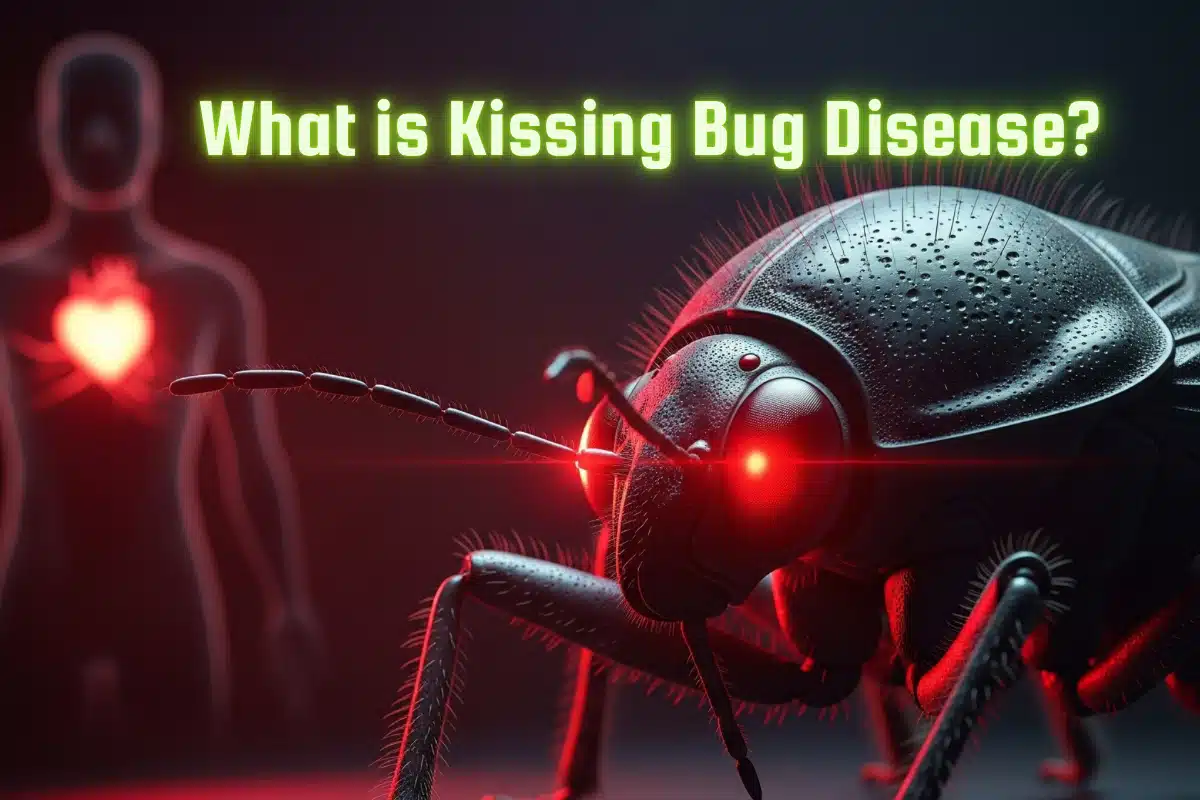
Kissing Bug Disease – Chagas disease, also called American trypanosomiasis, is an infection caused by the parasite Trypanosoma cruzi. It spreads when triatomine insects carry parasite-filled feces that can enter the body after a bite. This condition is common in Mexico, Central and South America and is increasingly recognized in the southern United States.

The illness has an acute phase that may be mild or go unnoticed, and a chronic phase that can affect the heart and digestive system. Early antiparasitic treatment works best, while later care focuses on managing complications and protecting long-term health.
This short guide explains key symptoms to watch for, how transmission happens, and practical steps to lower your risk at home or while traveling. It aims to help people spot warning signs and to start informed conversations with a health professional when exposure is suspected.
Key Takeaways- Kissing Bug Disease
- The guide defines chagas disease and explains transmission by triatomine insects.
- Watch for early symptoms and know when to seek medical advice.
- Early antiparasitic treatment improves outcomes; chronic infection can harm the heart.
- Cases occur mainly in Latin America but can be found in the United States.
- Practical prevention and testing steps help protect your family’s health.
kissing bug disease
Chagas disease is an infection caused by the parasite Trypanosoma cruzi. Many people call it kissing bug disease, while clinicians may use the term american trypanosomiasis.
The parasite lives in the gut of triatomine insects. After a blood meal, these insects can leave feces on skin near the eyes, mouth, or a bite wound. If the feces are rubbed into a break in the skin or a mucous membrane, T. cruzi can enter and start infection.
Triatomine bugs often feed on sleeping people’s faces, so entry points are common near the eyes and mouth. This route explains why early signs or symptoms can be subtle or missed.
- Names: chagas disease = kissing bug disease = american trypanosomiasis.
- Cause: the parasite Trypanosoma cruzi in triatomine feces.
- How it enters: eyes, mouth, skin breaks, or the bite site when contaminated material is rubbed in.
| Item | What to know | Why it matters |
|---|---|---|
| Vector | Triatomine (triatomine bugs) | Targets sleeping people; brings parasite close to entry sites |
| Agent | Trypanosoma cruzi (parasite) | Causes infection that may be silent at first |
| Entry routes | Eyes, mouth, skin breaks, bite wound | Explains need for early testing after exposure |
Where kissing bugs and Chagas disease occur: Central/South America to the United States
Where people live and how homes are built helps explain where Chagas disease is most common. Most transmission happens in Mexico, central america, and south america, where triatomine insects thrive in traditional housing.
Endemic regions
In those regions, triatomine bugs hide in cracks of mud, thatch, or adobe walls. They emerge at night and feed on sleeping people, which raises the risk of parasite entry and early symptoms.
What’s known in the United States today
The united states has reported autochthonous human cases in several states, notably Texas. Triatomine insects are documented in over 30 states. An estimated 8 million people are infected worldwide and about 280,000 live with chagas disease in the United States.
Homes and environments where the vector thrives
Rural areas and peridomestic settings with wood or rock piles, clutter, and poor wall sealing increase encounters with the triatomine vector. Simple home improvements lower risk and help protect the heart and long-term health.
| Region | Typical settings | Why it matters |
|---|---|---|
| Mexico | Thatch, adobe, and rural housing | High vector presence; ongoing transmission |
| Central America | Rural homes, peridomestic shelters | Established transmission cycles |
| United States | Rural and suburban fringes; documented triatomine | Locally acquired cases reported; awareness needed |
Symptoms by phase: acute phase and chronic phase
Symptoms change with time. Early signs can be mild or missed, while later problems may affect the heart and digestion.
Acute phase signs
The acute phase lasts weeks to months and is often mild. Watch for swelling at the bite site, fever, rash, and general body aches.
- Romaña’s sign: painless eyelid swelling when contamination occurs near the eye.
- Headache, loss of appetite, nausea, or swollen glands.
Chronicphase and the heart
Even if early symptoms fade, the parasite can persist. Over 10–20 years some people develop irregular rhythms, heart failure, or sudden cardiac arrest.
Digestive involvement
Damage to the esophagus or colon may cause trouble swallowing, stomach pain, or constipation. These signs point to long-term involvement beyond the heart.
When to seek medical care
“Seek prompt testing if you’ve been in higher-risk areas or notice new symptoms.”
Tell your clinician about the time and place of possible exposure. Early confirmation and treatment can change the course of Chagas disease, so act quickly.
Causes and how infection happens
A night bite can lead to infection if parasite-laden feces reach the skin or a mucous membrane. Triatomine insects feed at night and often defecate near the feeding site.
From bite to infection
The classic route starts when a triatomine feeds and leaves Trypanosoma cruzi on the skin. Parasites enter through small breaks, the eye’s conjunctiva, or the mouth.
Rubbing or scratching while asleep often helps the parasite cross the skin barrier. This is how many early infections begin.
Other transmission routes
Non-vector paths also matter. Eating uncooked or contaminated food has caused outbreaks when feces carried parasites onto produce.
Transmission can occur from an infected pregnant person to a baby, via infected donor blood or organs, or during lab work if safety protocols lapse.
- Key point: casual contact does not spread this illness—specific exposure routes do.
- If you suspect exposure, tell your clinician the setting and timing so the right tests can be ordered.
Who is at risk and why
Risk is highest where homes and daily routines let the vector live close to people.
Rural areas with mud, thatch, or adobe walls let insects hide near sleeping spaces. People who live in or spend long periods in these settings face a higher chance of contact and more reported cases.
Travelers to endemic areas usually have low risk if they stay in well-built lodging. Simple steps—screened rooms, bed nets, and sealed openings—lower exposure during trips.
Screening and protection
Donor screening programs reduce transmission through blood and organ donation, protecting overall health systems and recipients.
If you were born in or spent long time in endemic regions, talk with your clinician about testing even if you feel well. Early detection catches silent infections and guides care before serious problems develop.
- Seal cracks and clear outdoor clutter to reduce household contact with bugs.
- Share travel, housing, and exposure history during medical visits to support appropriate screening.
“Discuss screening if you have lived in or traveled for extended periods to higher-transmission regions.”
Complications and long-term effects on the heart and digestive system
Chronic infection can quietly harm organs over decades, with the heart and gut commonly affected. These late problems may show up years after the initial illness and need ongoing care.

Cardiac outcomes: cardiomyopathy, arrhythmias, and heart failure
Over time, the parasites can damage the heart’s electrical system and muscle. This damage may cause arrhythmias, progressive cardiomyopathy, and eventual heart failure.
People often notice palpitations, shortness of breath, or reduced exercise tolerance as the heart becomes less efficient. Targeted rhythm monitoring and imaging can detect trouble early.
Digestive outcomes: megaesophagus and megacolon
Nerve injury in the digestive tract may lead to a widened esophagus (megaesophagus) and an enlarged colon or megacolon. These changes cause trouble swallowing, bloating, abdominal pain, and chronic constipation.
GI studies and specialist evaluation help confirm the problem and guide treatments to ease symptoms and prevent complications.
- Late effects show how one disease can affect multiple organs in the body.
- Even if local bugs are gone, prior exposure can lead to ongoing issues.
- Regular follow-up with cardiac and GI testing reduces the risk of severe failure and improves quality of life.
Diagnosis and testing in the United States
Diagnosis relies on different methods depending on whether the infection is new or long standing.
Testing during the acute phase versus the chronic phase
In the acute phase, labs aim to detect the parasite directly. Doctors may order microscopy or PCR to find the organism in blood.
During the chronic phase, testing uses serology. Two different antibody tests are often needed to confirm a result because single assays can miss cases.
Confirmatory testing and coordination with public health and specialized labs
Because accuracy matters, clinicians in the United States may work with local public health programs and specialized reference labs. This helps confirm positives and link care to follow-up.
- Follow Centers Disease Control and disease control prevention guidance for testing and reporting.
- Public health partners can arrange confirmatory assays and counseling.
- Prompt results help guide antiparasitic treatment and heart monitoring when needed.
“Share travel, exposure, and symptom details to help choose the right tests.”
Treatment and management from acute to chronic phases
Early treatment aims to kill the parasite and cut the chance of long-term organ harm. Prompt action after diagnosis gives the best chance to stop infection before it settles into later phases.
Antiparasitic therapy: most effective early
Antiparasitic medicines work best in the acute phase. Starting these drugs quickly after diagnosis lowers the risk of lasting problems.
Clinicians monitor for side effects and adjust doses to keep treatment safe and tolerable.
Managing symptoms and complications
When the chronic phase is present, eradication may not be possible. Care focuses on controlling arrhythmias, pacing needs, and heart failure with cardiology support.
Gastroenterology helps with swallowing or bowel issues. Regular heart monitoring and tailored plans help people stay well over time.
- Coordinated care: infectious disease, cardiology, and GI teams.
- Ongoing follow-up: tests, device therapy, and symptom-based treatments.
- Patient education: know warning signs and keep routine visits.
“Early antiparasitic treatment changes outcomes; long-term care prevents complications.”
Prevention and practical tips for avoiding triatomine bugs
Small changes to sleeping areas and food handling can cut the risk of acquiring Chagas infection. Prevention focuses on keeping triatomine out of living spaces and stopping contamination of food and blood routes.
Home measures
Seal cracks in doors, windows, and walls to block places where triatomine can hide. Remove wood, rock, and clutter near the house that attract bugs.
Consider targeted insecticide treatment if infestation is suspected and follow local health guidance. Keep pets’ sleeping areas clean and outdoors tidy to reduce vector shelter.
Travel and personal protection
Choose well-built lodging in higher-risk areas and use bed nets treated with insecticide. Apply EPA-registered repellents to exposed skin at night.
Wear long sleeves and pants while sleeping and elevate beds away from walls to lower bite risk.
Food safety and community action
Avoid raw or unpeeled produce in high-risk areas to reduce oral transmission. There is no vaccine, so community housing improvements and vector control programs help protect many people at once.
- Follow Centers Disease Control advice on personal protection and testing after exposure.
- Simple habits protect your heart and digestive health by preventing infection that can lead to long-term harm.
“Prevention hinges on limiting contact with triatomine and following public health guidance.”
Conclusion
Timely diagnosis and early care make a big difference in chagas disease. Quick testing can find parasites in the right phase and guide effective treatment.
American trypanosomiasis may lie silent for years. It affects about 8 million people worldwide and an estimated 280,000 in the United States, so awareness matters.
If you lived or spent time in central america or south america, or had other exposure risks, tell your clinician and ask about testing. Public health programs and confirmatory testing pathways support accurate results and coordinated care.
With prompt action, monitoring for heart problems can reduce the chance of heart failure or cardiac arrest and help protect long-term health.
FAQ
What is Chagas disease and what causes it?
Chagas disease, also called American trypanosomiasis, is an infection caused by the parasite Trypanosoma cruzi. People typically become infected when the parasite in triatomine insect feces enters through a bite wound, the eyes, mouth, or other skin breaks. Other routes include contaminated food, congenital transmission, blood transfusion, organ transplant, or laboratory exposure.
Where does Chagas disease occur and is it found in the United States?
The illness is endemic across Mexico, Central America, and South America. Triatomine insects and locally acquired cases have also been reported in parts of the southern United States. The vectors thrive in rural or poorly sealed homes, rock or wood piles, and places where wildlife and domestic animals live close to people.
What are the signs during the acute phase of infection?
Early signs may include fever, rash, body aches, and swelling at the bite site. Some people develop Romaña’s sign — swelling of the eyelid near the eye where fecal contamination entered. Blood tests or parasite detection are most useful in this phase because the parasite circulates in blood.
What problems can appear during the chronic phase?
Years or decades after infection, chronic complications can include heart rhythm problems, cardiomyopathy, heart failure, and sudden cardiac arrest. Digestive involvement can cause megaesophagus or megacolon, leading to trouble swallowing, stomach pain, and severe constipation.
How is infection diagnosed in the United States?
During the acute phase, doctors look for the parasite in blood by microscopy or PCR. In the chronic phase, diagnosis relies on specific antibody tests, usually requiring two different assays or confirmatory testing through public health or specialized laboratories to ensure accuracy.
What treatments are available and when are they most effective?
Antiparasitic medications such as benznidazole and nifurtimox are most effective when given early, during or soon after acute infection. In chronic cases, treatment may reduce progression for some patients, but managing cardiac or digestive complications often requires specialized care and supportive therapies.
Who is most at risk of infection?
People living in or traveling to endemic rural areas with poor housing conditions face higher risk, especially when homes allow triatomine insects access. Travelers, blood and organ donors, and pregnant people with exposure history may need screening.
What should I do if I think I was exposed or have symptoms?
Seek medical care promptly. Tell your provider about travel or living in endemic regions, insect exposures, or any transfusion or transplant history. Early testing and treatment improve outcomes, and public health authorities can help with confirmatory testing and guidance.
How can I reduce my risk of exposure at home and while traveling?
At home, seal cracks, screen windows, reduce wood or rock piles near structures, and use approved insecticides when appropriate. While traveling, choose well-built lodging, use bed nets, wear protective clothing at night, and avoid uncooked or unpeeled produce and potentially contaminated food and drink.
Can Chagas disease be transmitted through food or from mother to baby?
Yes. Contaminated food or drink can transmit the parasite if fecal material containing T. cruzi gets in. Congenital transmission from an infected pregnant person to the baby can also occur, so prenatal screening is important for those with exposure history.
Are there long-term monitoring or support options for people with chronic complications?
People with chronic heart or digestive involvement benefit from regular follow-up with cardiology or gastroenterology, rhythm monitoring, imaging, and targeted therapies. Treatment plans often include medications, device therapy for arrhythmias, or surgical options for severe digestive problems.
Where can I find trustworthy information and resources?
Reliable sources include the Centers for Disease Control and Prevention (CDC), local public health departments, and infectious disease specialists. These organizations provide guidance on diagnosis, treatment, prevention, and reporting of cases.

Dr. Shabbir Hussain, BPT Licensed Physiotherapist | Clinical Rehabilitation SpecialistMaharashtra OTPT Council Reg. No. PR-2021/08/PT/009532Society of Onco Physiotherapists Reg. No. SOP/00033/LM
He is a licensed physiotherapist with over 8 years of experience in physiotherapy, kidney rehabilitation, oncological rehabilitation, and lymphedema management. He specializes in balance disorders, pain management, musculoskeletal rehabilitation, strengthening programs, and VR-based rehabilitation.
Dr. Shabbir Hussain (BPT)