
📅 Last Updated: May 30, 2026
🔍
Reviewed according to current preventive healthcare and HPV awareness guidelines.
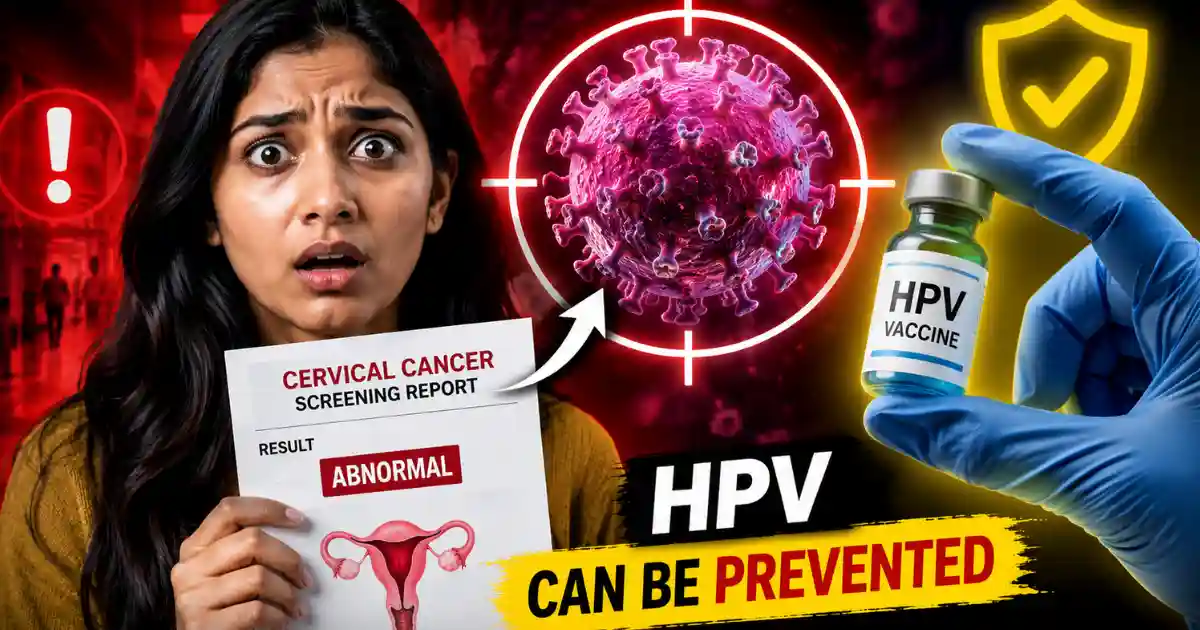
Doctors say early HPV vaccination may help reduce the risk of cervical cancer and other HPV-related diseases
Cervical cancer remains one of the most common cancers affecting women in India. Yet a simple vaccine can prevent most HPV-related cases before they ever begin.
Here’s what doctors want every parent, teenager, and young adult to know.
A surprising number of young adults only hear about HPV after someone close to them develops cancer, abnormal reports, or painful treatment complications. By then, the conversation changes from prevention to survival.
In my physiotherapy practice, many patients recovering from cancer-related surgeries or prolonged treatments often say the same thing: “I wish someone had warned me earlier.”
That sentence stays with healthcare professionals.

Reviewed By – Dr. Shabbir Bohra (BPT)
This article has been medically reviewed by a qualified physiotherapist for factual accuracy, rehabilitation relevance, and public health awareness.
About Reviewer: Dr. Shabbir Hussain Bohra (BPT) is a Qualified Physiotherapist focused on patient education, rehabilitation and evidence-based physiotherapy awareness.
The HPV vaccine is not just another optional injection. It represents something much bigger — the chance to prevent years of physical pain, emotional stress, and difficult medical treatment before they ever begin.
For many Indian families, conversations around sexual health still feel uncomfortable.
Because of that silence, HPV awareness remains dangerously low despite its strong connection with several cancers.
Clinically, many patients don’t realize HPV can remain silent inside the body for years before causing serious complications.
And that is exactly why prevention matters more than treatment.
What Is HPV and Why Are Doctors So Concerned About It?
HPV stands for Human Papillomavirus, a very common viral infection that spreads mainly through skin-to-skin intimate contact.
According to global health organizations, most sexually active individuals may come into contact with HPV at some point in life.
Some HPV strains are considered low-risk and may cause genital warts.
Others are high-risk strains linked to cancers such as cervical cancer, throat cancer, anal cancer, penile cancer, and vulvar cancer.
One of the most dangerous aspects of HPV is its silence.
Many people carry the virus without symptoms for years. During that time, abnormal cellular changes may slowly develop inside the body without obvious warning signs.
The HPV vaccine helps the immune system recognize and block dangerous strains before infection becomes established.
In my clinical experience, preventive healthcare conversations are still uncommon among younger adults in India.
Many patients only start researching HPV after a frightening diagnosis appears within the family.
That delay can become costly.
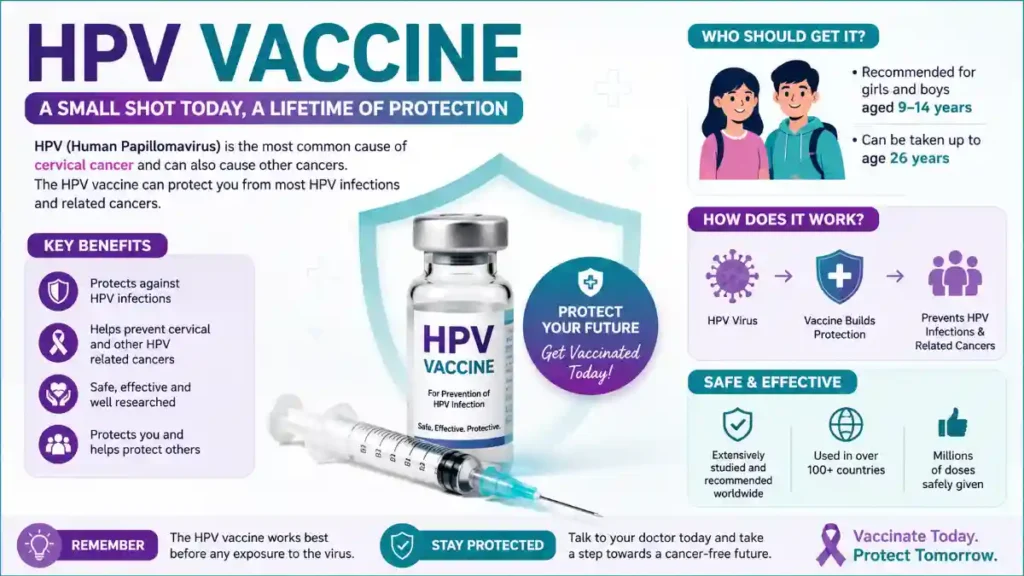
Quick Summary
HPV infection can remain silent for years before causing serious complications like cervical cancer and throat cancer.
The HPV vaccine helps protect against high-risk viral strains before long-term damage begins.
Physiotherapists and rehabilitation experts increasingly emphasize prevention because cancer treatment recovery can be physically and emotionally exhausting.
Why Prevention Matters More Than Treatment
There is a major emotional difference between preventing a disease and fighting it after complications begin.
Treatment for HPV-related cancers may involve surgery, chemotherapy, radiation therapy, prolonged rehabilitation, swallowing difficulties, pelvic pain, fatigue, muscle weakness, reduced mobility, and mental health stress.
In rehabilitation settings, recovery after cancer treatment is rarely just physical. Patients often struggle emotionally, socially, financially, and professionally.
A young office worker undergoing treatment may suddenly lose stamina. A mother recovering from cervical cancer surgery may struggle with daily household activities.
A student receiving therapy may face anxiety, weakness, or body image concerns.
Prevention avoids many of these life-altering experiences before they start.
That is why physiotherapists, oncologists, gynecologists and public health experts strongly support vaccination programs.
Hidden Dangers of Ignoring HPV Awareness
The biggest danger is not pain in the beginning.
The biggest danger is silence.
HPV-related changes may quietly progress for years before symptoms appear. By the time noticeable problems develop, treatment may become more invasive.
Some long-term complications associated with high-risk HPV infections include:
Persistent abnormal cervical changes, fertility concerns after advanced treatment, chronic pelvic discomfort, painful swallowing in throat cancer cases, reduced physical endurance, emotional trauma, and long rehabilitation periods.
One common pattern observed in healthcare settings is delayed screening due to embarrassment or fear.
Many Indian patients avoid discussing reproductive health until symptoms become severe. Unfortunately, delayed intervention often means more aggressive treatment later.
⚠️ Doctor Insight
Many patients only learn about HPV after abnormal reports or cancer treatment begins. In clinical rehabilitation settings, delayed awareness often leads to longer recovery timelines and greater emotional stress.
Causes and Risk Factors
HPV infection is extremely common, but certain lifestyle and behavioral patterns may increase exposure risk.
Urban sedentary lifestyles, poor health awareness, smoking, weakened immunity, multiple intimate partners, lack of vaccination, and delayed screening are major contributors.
Indian working culture also plays an indirect role.
Long office hours, stress, sleep deprivation, unhealthy diet patterns, and neglect of preventive healthcare often push people toward reactive treatment instead of proactive prevention.
In my physiotherapy practice, healthcare professionals increasingly observe younger adults postponing health checkups due to busy schedules. Prevention rarely feels urgent when someone appears healthy.
But HPV often progresses silently.
Medical Disclaimer
This article is intended for educational and public health awareness purposes only. It does not replace professional medical diagnosis, treatment, or personalized healthcare advice. Always consult a qualified doctor, gynecologist, or healthcare provider regarding HPV vaccination, screening, or medical concerns.
Warning Signs You Should Never Ignore
Most HPV infections do not produce symptoms immediately.
However, warning signs may appear later depending on the affected area.
Some symptoms that deserve medical attention include persistent pelvic pain, unusual bleeding, genital warts, pain during intercourse, chronic throat discomfort, difficulty swallowing, unexplained lumps, or non-healing lesions.
Advanced complications may also cause fatigue, weakness, reduced physical activity tolerance, and psychological distress.
Clinically, many patients dismiss early symptoms assuming they are temporary infections or stress-related issues.
That delay can become dangerous.
Why This Article Matters
This content was created with a rehabilitation-focused healthcare perspective to help readers understand the real-life impact of preventable conditions. The goal is to simplify medical awareness using practical clinical observations and patient- centered education.
How HPV-Related Conditions Are Diagnosed
Diagnosis depends on the affected body area and clinical presentation.
Doctors may recommend Pap smear screening, HPV DNA testing, biopsy, colposcopy, or imaging studies if abnormal findings appear.
Physiotherapists are not responsible for diagnosing HPV itself, but rehabilitation professionals often become involved during recovery from surgeries, cancer treatment, pelvic pain, fatigue management, or mobility limitations.
In multidisciplinary rehabilitation settings, physiotherapists work alongside gynecologists, oncologists, and surgeons to improve recovery outcomes.
Treatment and Physiotherapy Management
Treatment varies depending on the stage and severity of HPV-related disease.
Some infections clear naturally with immune response, while precancerous changes may require monitoring or procedures.
Cancer-related treatment may involve surgery, chemotherapy, radiation therapy, or combined approaches.
This is where rehabilitation becomes important.
Many people do not realize cancer treatment can significantly affect physical function.
Fatigue, muscle weakness, posture changes, pelvic floor dysfunction, neck stiffness, reduced shoulder mobility, and swallowing difficulties are common after certain cancer treatments.
In physiotherapy practice, rehabilitation focuses on restoring movement confidence, improving strength, reducing pain, and helping patients return to normal life safely.
Many patients improve faster when physiotherapy begins early during recovery rather than waiting for severe deconditioning.
Lifestyle correction also matters.
Improved sleep, smoking cessation, balanced nutrition, stress reduction, regular activity, and maintaining healthy immunity may support better long-term outcomes.
✔ Evidence-Based Review
Medical information in this article is aligned with guidance from organizations such as WHO, CDC, NIH, and peer-reviewed clinical research related to HPV prevention and public health.
Why Physiotherapists Care About HPV Prevention
Physiotherapists often work with patients recovering from serious illnesses, surgeries, and long-term physical complications.
While HPV infection is primarily linked to cervical cancer and other HPV-related diseases, healthcare professionals increasingly emphasize prevention because cancer treatment itself can place a major physical burden on the body.
Patients undergoing cancer treatment may experience fatigue, muscle weakness, reduced mobility, pain, balance issues, and overall decline in physical function.
Rehabilitation and physiotherapy can play an important role during recovery, especially after surgery, radiation therapy, or prolonged hospitalization.
This is why many physiotherapists and healthcare experts support preventive healthcare measures like HPV vaccination.
Preventing HPV-related diseases early may help reduce the physical, emotional, and rehabilitation challenges associated with cancer treatment later in life.
Physiotherapists also promote awareness about healthy lifestyle habits, posture, mobility, exercise and preventive care.
HPV vaccination aligns with the broader healthcare goal of reducing disease risk before serious complications develop.
Myth vs Fact
Many families still believe HPV vaccination encourages unsafe behavior.
Scientifically, that belief is incorrect.
The vaccine is designed to prevent infection and reduce cancer risk.
It is a preventive healthcare measure similar to other vaccines used to protect long-term health.
Another myth is that only women need protection.
In reality, HPV can affect men as well, including risks related to throat and genital cancers.
Prevention Strategy That Actually Works
The strongest protection comes from vaccination before exposure to high-risk HPV strains.
Health experts generally recommend vaccination during adolescence or early adulthood, though recommendations may vary depending on age and health status.
Regular screening is equally important.
For Indian families, prevention should also include open health communication instead of silence or stigma.
Simple habits matter more than people realize:
Maintaining good immunity, avoiding tobacco, improving sleep quality, staying physically active and seeking timely medical evaluation can all contribute to better long-term health outcomes.
In my clinical experience, prevention becomes easier when healthcare conversations begin early rather than after fear enters the picture.
Real Patient Story
A 32-year-old IT employee visited a rehabilitation clinic after undergoing treatment for HPV-related throat cancer.
Before diagnosis, he ignored persistent throat discomfort for nearly eight months because he assumed it was acidity and work stress from long office hours.
After treatment, he experienced neck stiffness, swallowing difficulty, fatigue, and reduced shoulder mobility.
His rehabilitation program focused on posture correction, breathing exercises, neck mobility work, gradual strengthening, and endurance recovery.
During one session, he quietly admitted something many healthcare professionals hear repeatedly:
“If I had known prevention was possible earlier, I would have taken it seriously.”
That conversation reflects why awareness matters.
When Should You See a Doctor?
You should seek medical evaluation if you notice persistent pelvic symptoms, unusual bleeding, chronic throat discomfort, genital lesions, unexplained pain, or long-lasting swelling.
Early screening can identify abnormal changes before serious complications develop.
Delaying evaluation out of fear or embarrassment can increase long-term risks.
Who Should Avoid Certain Exercises or Treatments?
Patients recovering from surgery, radiation therapy, severe fatigue, active infections, or cancer-related complications should avoid aggressive exercise without professional guidance.
Pelvic pain conditions, advanced weakness, balance problems, or post-treatment complications require individualized rehabilitation planning.
In physiotherapy settings, treatment programs are always adjusted according to medical history, recovery stage, and overall health condition.
Final Thoughts
The HPV vaccine is ultimately about protecting future health before damage begins.
In healthcare, some treatments help patients recover. Prevention helps them avoid suffering altogether.
That difference matters.
For many physiotherapists working with post-surgical patients, cancer survivors, and rehabilitation cases, the message becomes clearer every year: early prevention often saves far more than treatment can restore later.
Frequently Asked Questions
Is the HPV vaccine safe?
Yes. Major global health organizations including WHO and CDC consider HPV vaccines safe and effective when given according to medical guidelines.
Can adults still take the HPV vaccine?
In many cases, yes. Eligibility depends on age, health condition, and medical advice from a doctor.
Does HPV only affect women?
No. Men can also develop HPV-related throat, anal, and genital cancers.
Can physiotherapy treat HPV infection?
No. Physiotherapy does not treat the virus itself, but rehabilitation may help patients recover from cancer treatment complications.
Is HPV infection always sexually transmitted?
HPV mainly spreads through intimate skin-to-skin contact.
Are there early symptoms of HPV?
Often there are no early symptoms, which is why screening and vaccination are important.
References
World Health Organization. (2024). Human papillomavirus (HPV) and cervical cancer. https://www.who.int/news-room/fact-sheets/detail/human-papillomavirus-(hpv)-and-cervical-cancer
National Cancer Institute. Human Papillomavirus (HPV) Vaccines. https://www.cancer.gov/about-cancer/causes-prevention/risk/infectious-agents/hpv-vaccine-fact-sheet
Centers for Disease Control and Prevention. HPV Vaccination Recommendations. https://www.cdc.gov/hpv/hcp/vaccination-considerations/index.html
Dr. Shabbir Hussain, BPT
Licensed Physiotherapist | Clinical Rehabilitation Specialist
Maharashtra OTPT Council Reg. No.: PR-2021/08/PT/009532
Society of Onco Physiotherapists Reg. No.: SOP/00033/LM
Dr. Shabbir Hussain, BPT, Registered Physiotherapist with over 8 years of experience in physiotherapy, kidney rehabilitation, oncological rehabilitation, and lymphedema management. He specializes in balance disorders, pain management, musculoskeletal rehabilitation, strengthening programs, and VR-based rehabilitation.