The concept of Physiotherapy has been around for centuries, long before the advent of modern machines. Ancient healers developed techniques that are still used today to help people recover from injuries and manage chronic conditions.

These early practitioners used natural methods, such as massage, manipulation, and exercise, to promote healing and well-being. Their techniques were often based on observation and a deep understanding of the human body.
Over time, physical therapy evolved, incorporating new ideas and methods. Today, physiotherapy is a recognized healthcare profession, helping millions of people worldwide.
Key Takeaways
- Ancient healers developed physiotherapy techniques without modern machines.
- Natural methods like massage and exercise were used to promote healing.
- Physiotherapy has evolved over time, incorporating new ideas and methods.
- Today, physiotherapy is a recognized healthcare profession.
- Physiotherapy helps millions of people worldwide recover from injuries and manage chronic conditions.
The Roots of Physical Healing: Ancient Approaches to Body Rehabilitation
In ancient times, the philosophy of healing through movement was not just a treatment but a way of life, influencing the course of musculoskeletal therapy. This approach was rooted in the understanding that the body has an innate capacity to heal itself when guided by appropriate therapeutic interventions.
The Philosophy of Healing Through Movement
The ancient philosophy of healing through movement was centered on the belief that physical activity could restore health and vitality. This was not limited to exercise alone but encompassed a holistic approach to well-being, including breathing techniques and meditation. Practitioners believed that by restoring balance to the body, individuals could recover from injuries and ailments more effectively.
- Restoration of physical function
- Promotion of overall well-being
- Use of natural healing processes
Early Documentation of Physical Healing Methods
The early documentation of physical healing methods can be found in ancient texts and artifacts, which reveal a sophisticated understanding of physical rehabilitation. For instance, ancient civilizations documented various techniques, including manual therapy and the use of natural environments for therapeutic purposes.
- Manual therapy techniques
- Use of natural environments for healing
- Early forms of exercise therapy
The rehabilitation history is rich with examples of how ancient cultures used movement and other non-invasive methods to promote healing. These early practices laid the foundation for modern physiotherapy, demonstrating a long-standing recognition of the importance of physical activity in health and recovery.
Ancient Egyptian Contributions to Physical Therapy
Ancient Egyptian civilization made significant contributions to the development of physical therapy, with evidence of their techniques still studied today. Their approach to healing was holistic, incorporating various methods to treat the body and mind.
The use of manual therapy was a hallmark of ancient Egyptian healing practices. This is evident in the hieroglyphics that adorn the walls of their tombs and temples, which depict various forms of massage and physical manipulation.
Hieroglyphic Evidence of Manual Therapy
The hieroglyphics provide a visual narrative of the techniques used by ancient Egyptian practitioners. These images show individuals receiving various forms of manual therapy, including massage and joint mobilization. The presence of these images in sacred and funerary contexts underscores the importance of physical well-being in ancient Egyptian culture.
The Ebers Papyrus: Ancient Physical Treatment Protocols
The Ebers Papyrus is one of the oldest and most important medical texts to have survived from ancient Egypt. It contains a wealth of information on their medical practices, including treatments that can be classified as physical therapy. The papyrus outlines various treatment protocols, including the use of exercise, massage, and other manual therapies to treat a range of conditions.
| Treatment Method | Description | Condition Treated |
|---|---|---|
| Massage Therapy | Manual manipulation of soft tissues | Musculoskeletal pain |
| Exercise | Physical activity tailored to the patient’s condition | Rehabilitation, strengthening |
| Hydrotherapy | Use of water for therapeutic purposes | Pain relief, relaxation |
The contributions of ancient Egypt to physical therapy are a testament to their advanced understanding of human anatomy and their commitment to holistic healing practices. These early practices laid the groundwork for many of the techniques used in modern physiotherapy.
Greek and Roman Foundations of Modern Physiotherapy
The ancient Greeks and Romans laid the groundwork for modern physiotherapy through their innovative approaches to exercise and rehabilitation. Their understanding of the human body and its response to physical activity was remarkably advanced, considering the limited knowledge of anatomy and physiology at the time.
Hippocrates: The Father of Western Medicine and Physical Therapy
Hippocrates, often regarded as the father of Western medicine, made significant contributions to the field of physical therapy. His teachings emphasized the importance of manual therapy, exercise, and other physical modalities in treating various health conditions. The Hippocratic Corpus, a collection of medical texts attributed to Hippocrates and his followers, contains detailed descriptions of physical therapy techniques, including exercise therapy and manual manipulation.
Galen’s Approach to Exercise and Rehabilitation
Galen, a prominent Greek physician, further developed Hippocrates’ ideas and introduced new concepts in exercise and rehabilitation. His approach to sports injury therapy involved the use of exercise to restore function and promote healing. Galen’s work laid the foundation for modern rehabilitation practices, highlighting the importance of tailored exercise programs for different conditions.
Roman Baths as Centers for Physical Recovery
The Romans adopted and expanded upon Greek practices, establishing public bathhouses that served as centers for physical recovery and social interaction. These baths offered various therapeutic modalities, including hydrotherapy, massage, and exercise facilities. The Roman emphasis on pain management through physical means, such as hydrotherapy and thermal treatments, demonstrates an early understanding of the benefits of multimodal treatment approaches.
The combined efforts of Greek and Roman practitioners not only advanced the field of physiotherapy but also left a lasting legacy that continues to influence modern practice. Their emphasis on exercise, manual therapy, and other physical modalities remains at the heart of contemporary physiotherapy.
Traditional Chinese Medicine’s Influence on Physical Rehabilitation
For thousands of years, Traditional Chinese Medicine has played a significant role in shaping physical rehabilitation practices. Its holistic approach to health and wellness has influenced various aspects of physical therapy, from pain management to movement rehabilitation.
Acupuncture and Its Role in Pain Management
Acupuncture is a key component of Traditional Chinese Medicine that has been widely used for pain management. By stimulating specific points on the body, acupuncture can help alleviate pain and promote healing.
Meridian Theory and Its Application in Treatment
The Meridian Theory is fundamental to understanding how acupuncture works. It posits that the body has a network of meridians through which qi (life energy) flows. By applying acupuncture to specific points along these meridians, practitioners can restore balance to the body’s energy.
Ancient Acupressure Techniques
Acupressure, similar to acupuncture but using manual pressure instead of needles, is another technique rooted in Traditional Chinese Medicine. It is used to stimulate the body’s healing processes and relieve pain.
Tai Chi and Qigong: Movement as Medicine
Tai Chi and Qigong are traditional Chinese exercises that combine movement, breathing, and meditation to promote health and well-being. These practices have been shown to improve balance, flexibility, and cardiovascular health, making them valuable tools in physical rehabilitation.
Tui Na: Ancient Chinese Massage Therapy
Tui Na is a form of massage therapy that is part of Traditional Chinese Medicine. It involves manual manipulation of the body’s soft tissues to promote healing, relieve pain, and improve function.
| Therapy | Description | Benefits |
|---|---|---|
| Acupuncture | Stimulates healing through needle insertion | Pain relief, improved function |
| Tai Chi/Qigong | Combines movement, breathing, and meditation | Improved balance, flexibility, cardiovascular health |
| Tui Na | Manual manipulation of soft tissues | Pain relief, improved function, relaxation |
These Traditional Chinese Medicine practices have contributed significantly to the field of physical rehabilitation, offering a range of therapeutic options that are both effective and holistic.
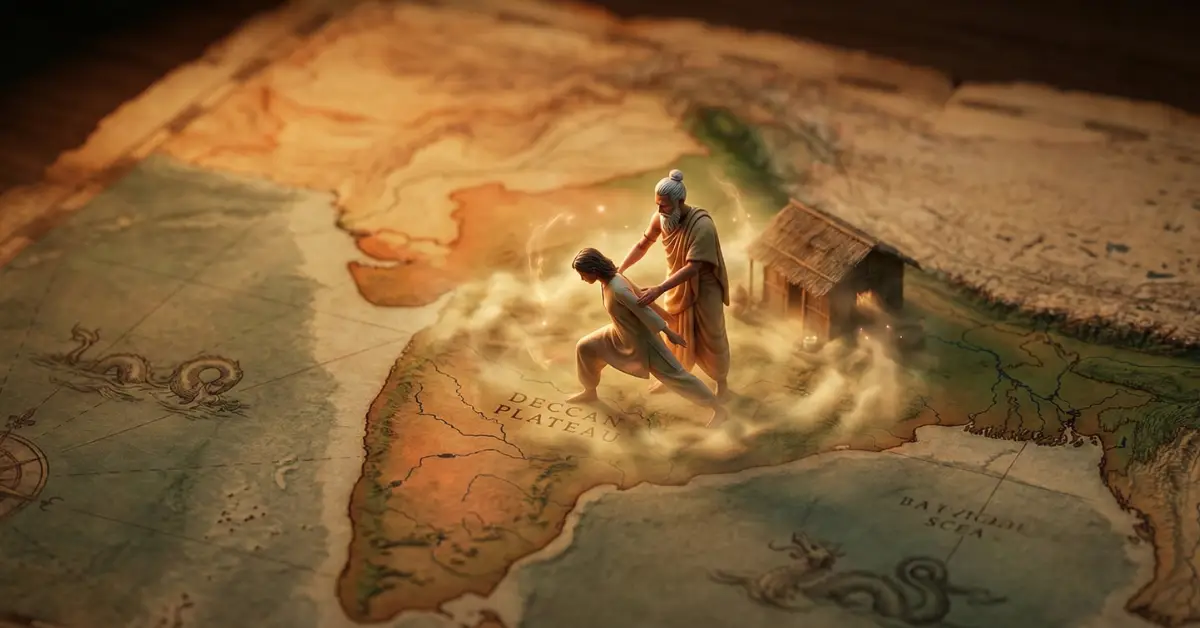
India’s Ancient Contribution to Physiotherapy: Ayurveda and Yoga
India’s rich heritage of Ayurveda and Yoga has played a crucial role in shaping the principles of modern physiotherapy. These ancient practices have been instrumental in developing various techniques for physical rehabilitation and injury prevention.
Ayurvedic Principles in Physical Rehabilitation
Ayurveda, an ancient Indian system of medicine, emphasizes the importance of balance and harmony in the body. Its principles are applied in physical rehabilitation through various methods, including Panchakarma therapies and herbal applications.
Panchakarma Therapies for Musculoskeletal Health
Panchakarma therapies involve a series of detoxifying treatments that help in rejuvenating the body and improving musculoskeletal health. These therapies are designed to remove toxins and restore balance to the body’s energies.
Herbal Applications in Movement Therapy
Herbal applications are used in Ayurveda to enhance the effectiveness of movement therapies. Various herbs are used to create oils and ointments that are applied to relieve pain and inflammation, promoting preventive physiotherapy.
Yoga Asanas as Therapeutic Interventions
Yoga Asanas are an integral part of Ayurvedic practice, used as therapeutic interventions for various physical ailments. The ancient texts, such as Patanjali’s Yoga Sutras, provide insights into the healing potential of Yoga.
Patanjali’s Yoga Sutras and Physical Healing
Patanjali’s Yoga Sutras outline the philosophy and practices of Yoga, including Asanas and Pranayama. These practices are designed to promote physical healing and mental well-being.
Specific Asanas for Different Ailments
Different Yoga Asanas are prescribed for various ailments, ranging from musculoskeletal disorders to respiratory conditions. The practice of specific Asanas helps in improving flexibility, strength, and balance.
Ancient Indian Massage Techniques
Ancient Indian massage techniques, such as Abhyanga and Marma Therapy, are used to promote physical well-being and relaxation. These techniques are integral to Ayurvedic practice and are used in conjunction with other therapies.
Abhyanga and Its Therapeutic Benefits
Abhyanga is a traditional Ayurvedic massage that involves the application of warm oil to the body. It is known for its therapeutic benefits, including relaxation and improved circulation.
Marma Therapy: India’s Pressure Point Healing
Marma Therapy involves the stimulation of specific pressure points on the body to promote healing and balance. It is an ancient practice that is still used today in Ayurvedic medicine.
By understanding and applying these ancient Indian practices, modern physiotherapy can benefit from the rich heritage of Ayurveda and Yoga, enhancing ayurvedic principles in physical rehabilitation and injury prevention strategies.
The Evolution of Physiotherapy Through Medieval and Renaissance Periods
As the ancient world gave way to the medieval period, the practice of physiotherapy continued to evolve through various cultural influences. The preservation and transmission of ancient knowledge played a crucial role in shaping the future of physical therapy.
Arabic Medicine’s Preservation and Advancement of Physical Therapy
Arabic medicine made significant contributions to the field of physiotherapy during the medieval period. Physicians such as Ibn Sina (Avicenna) and Ibn Rushd (Averroes) not only preserved ancient Greek and Roman knowledge but also advanced it through their own observations and treatments. Their works included detailed descriptions of physical therapy techniques, including exercises, massage, and hydrotherapy, laying the groundwork for evidence-based rehab practices.
- Preservation of ancient texts through translation
- Advancements in understanding human anatomy
- Development of new physical therapy techniques
European Developments in Rehabilitation Methods
During the Renaissance, Europe saw a resurgence in the study of classical texts and the development of new rehabilitation methods. The establishment of institutions and the work of pioneers in the field contributed to the growth of physiotherapy. European practitioners began to adopt and adapt the knowledge preserved and advanced by Arabic medicine, integrating it into their own rehabilitation methods. This period marked a significant step towards the modern practice of world physiotherapy.

The evolution of physiotherapy through the medieval and Renaissance periods demonstrates the continuous effort to improve and refine physical therapy practices. The contributions of Arabic medicine and European developments in rehabilitation methods have had a lasting impact on the field, shaping it into the diverse and effective practice we know today.
Traditional Healing Practices That Shaped Modern Physiotherapy
Traditional healing practices have significantly influenced the development of modern physiotherapy, offering a diverse range of therapeutic techniques. These practices, rooted in ancient cultures, have evolved over time and continue to shape the way physiotherapy is practiced today.
Indigenous Healing Methods from Around the World
Indigenous cultures have long used various healing methods that are now recognized as valuable components of physiotherapy. For example, Native American communities have used sweat lodge ceremonies for purification and healing, while Aboriginal Australians have employed bush medicine and traditional dance for physical and spiritual well-being. These methods, though diverse, share a common goal: to restore balance and promote healing.
Traditional healing practices often involve a holistic approach, considering the physical, emotional, and spiritual aspects of an individual’s health. This comprehensive perspective is now being integrated into modern physiotherapy practices, enhancing their effectiveness.
Folk Medicine’s Approach to Physical Recovery
Folk medicine has played a crucial role in the development of physiotherapy, with various cultures contributing their unique approaches to physical recovery. For instance, traditional Chinese medicine includes techniques like Tui Na massage and Qigong exercises, which are now used in physiotherapy to aid recovery and improve mobility.
Similarly, in India, Ayurveda and Yoga have been used for centuries to promote physical and mental well-being. These practices have been incorporated into modern physiotherapy, offering patients a range of therapeutic options.
The Oral Tradition of Passing Down Healing Techniques
The oral tradition has been a vital means of passing down healing techniques from one generation to the next. This tradition allowed for the preservation and evolution of traditional healing practices, which have eventually influenced modern physiotherapy.
By understanding and respecting these traditional practices, modern physiotherapists can provide more culturally sensitive care, enhancing patient outcomes and satisfaction.
The Integration of Ancient Wisdom in Contemporary Physiotherapy
Ancient wisdom has found its way into contemporary physiotherapy, offering a holistic approach to physical rehabilitation. This blend of old and new techniques is not just a nostalgic return to traditional methods but a scientifically-backed approach to enhancing patient care.
Evidence-Based Validation of Traditional Methods
Many ancient practices, such as yoga and tai chi, have been subjected to rigorous scientific study to validate their effectiveness. Research has shown that these practices can significantly improve balance, flexibility, and strength, making them valuable components of modern physiotherapy programs.
For instance, a study on the effects of yoga on patients with chronic lower back pain found significant improvements in pain management and functional ability. Such evidence-based validation supports the integration of these ancient practices into contemporary physiotherapy.

How Modern Practitioners Blend Old and New Approaches
Modern physiotherapists are trained to blend traditional techniques with contemporary methods, creating personalized treatment plans that address the unique needs of each patient. For example, a physiotherapist might combine manual therapy techniques derived from ancient practices with modern exercise programs to enhance recovery and prevent future injuries.
| Traditional Method | Modern Application | Benefits |
|---|---|---|
| Yoga | Physical rehabilitation programs | Improved flexibility and strength |
| Tai Chi | Balance and coordination training | Reduced risk of falls |
| Manual Therapy | Pain management and injury recovery | Enhanced recovery and reduced pain |
By integrating ancient wisdom with modern physiotherapy practices, practitioners can offer a more comprehensive and effective approach to patient care, embodying the principle that “exercise is medicine.”
Conclusion: The Timeless Wisdom of Ancient Physiotherapy
The journey through the history of physiotherapy reveals a rich tapestry of ancient practices that have significantly influenced modern rehabilitation methods. From the manual therapies of ancient Egypt to the holistic approaches of traditional Chinese medicine and Ayurveda, these timeless techniques continue to shape the field of physiotherapy.
The physiotherapy practices of ancient civilizations, such as the Greeks, Romans, and Indians, demonstrate a profound understanding of the human body’s capacity for healing through movement and manual intervention. The integration of these ancient wisdom practices into contemporary physiotherapy not only honors the past but also enhances the effectiveness of modern treatments.
As we reflect on the evolution of physiotherapy, it becomes clear that the core principles of ancient healing practices remain relevant today. The timeless wisdom of these ancient cultures continues to inspire new generations of physiotherapists, who blend traditional methods with modern techniques to provide comprehensive care.
In embracing this rich heritage, we can foster a deeper understanding of the human body and its remarkable capacity for recovery, ultimately enriching the field of physiotherapy and improving patient outcomes.
FAQ
What is physiotherapy and how has it evolved over time?
Physiotherapy, also known as physical therapy, is a healthcare profession that focuses on helping individuals maintain, recover, or improve physical function and mobility. Its evolution spans thousands of years, from ancient civilizations to modern practices, incorporating various techniques and methods.
How did ancient healers contribute to the development of physiotherapy?
Ancient healers, such as those in Egypt, Greece, Rome, China, and India, developed various techniques, including manual therapy, exercise, and massage, which laid the foundation for modern physiotherapy practices. Their contributions, documented in ancient texts and hieroglyphics, demonstrate a deep understanding of human anatomy and the importance of movement in healing.
What role did Hippocrates play in the history of physiotherapy?
Hippocrates, considered the father of Western medicine, emphasized the importance of physical therapy, including manual techniques and exercise, in treating various conditions. His approaches to physical healing and rehabilitation have had a lasting impact on the development of physiotherapy.
How does traditional Chinese medicine, including acupuncture and Tai Chi, influence modern physiotherapy?
Traditional Chinese medicine, with practices like acupuncture, Tai Chi, and Tui Na, has contributed significantly to the development of modern physiotherapy. These techniques, focusing on pain management, movement, and balance, are still used today, often in conjunction with Western physiotherapy methods.
What is the significance of Ayurveda and Yoga in the history of physiotherapy?
Ayurveda and Yoga, originating in ancient India, have played a crucial role in shaping physiotherapy practices. Ayurvedic principles, including Panchakarma therapies and herbal applications, and Yoga Asanas, have been used for centuries to promote physical and mental well-being, and continue to influence modern physiotherapy.
How has the understanding and practice of physiotherapy changed over time?
The understanding and practice of physiotherapy have evolved significantly, from ancient techniques to modern evidence-based practices. The integration of ancient wisdom with contemporary methods has enhanced the effectiveness of physiotherapy, allowing practitioners to provide more comprehensive care.
What is the importance of manual therapy in physiotherapy?
Manual therapy, including techniques like massage and joint mobilization, is a crucial component of physiotherapy. It helps restore normal movement, reduce pain and inflammation, and promote healing, and has been used in various forms throughout history.
How does exercise therapy contribute to physical rehabilitation?
Exercise therapy is a fundamental aspect of physiotherapy, helping individuals regain strength, flexibility, and function. It is tailored to the individual’s needs and goals, and can be used to prevent injuries, manage chronic conditions, and enhance overall physical health.
What is the role of preventive physiotherapy in maintaining physical health?
Preventive physiotherapy focuses on maintaining physical health and preventing injuries or conditions. It involves educating individuals on proper movement techniques, providing exercises to improve strength and flexibility, and promoting healthy lifestyle habits.
References
Terlouw, T. J. A. (2007). Roots of Physical Medicine, Physical Therapy, and Rehabilitation. International Journal of Rehabilitation Research. Retrieved from https://www.ncbi.nlm.nih.gov/pmc/articles/PMC2565611/
Pettman, E. (2007). A history of manipulative therapy. Journal of Manual & Manipulative Therapy. Retrieved from https://www.ncbi.nlm.nih.gov/pmc/articles/PMC2565620/
Tipton, C. M. (2014). The history of “Exercise Is Medicine” in ancient civilizations. Experimental Physiology. Retrieved from https://www.ncbi.nlm.nih.gov/pmc/articles/PMC4056176/
World Health Organization. (2024, April 22). Rehabilitation. WHO Fact sheet. Retrieved from https://www.who.int/news-room/fact-sheets/detail/rehabilitation.
World Health Organization. (2017). Rehabilitation in health systems: Guide for action. Retrieved from https://www.who.int/publications/i/item/9789241549974.
World Physiotherapy. (n.d.). Our history. Retrieved from https://world.physio/history.
American Diabetes Association. (2024). Standards of Care in Diabetes — 2024. Diabetes Care (Supplement). Retrieved from https://diabetesjournals.org/care/article/47/Supplement_1/S5/153943/Summary-of-Revisions-Standards-of-Care-in-Diabetes.
Colberg, S. R., et al. (2016). Physical Activity/Exercise and Diabetes: A Position Statement. Diabetes Spectrum. Retrieved from https://www.ncbi.nlm.nih.gov/pmc/articles/PMC6908414/ (useful for exercise/ prevention claims).

Dr. Shabbir Hussain, BPT
Registered Physiotherapist | Clinical Rehabilitation Specialist
Maharashtra OTPT Council Reg. No.: PR-2021/08/PT/009532
Society of Onco Physiotherapists Reg. No.: SOP/00033/LM
Dr. Shabbir Hussain, BPT, Registered Physiotherapist with over 8 years of experience in physiotherapy, kidney rehabilitation, oncological rehabilitation, and lymphedema management. He specializes in balance disorders, pain management, musculoskeletal rehabilitation, strengthening programs, and VR-based rehabilitation.