Experience: 8+ years | Physiotherapy & Rehabilitation
Introduction
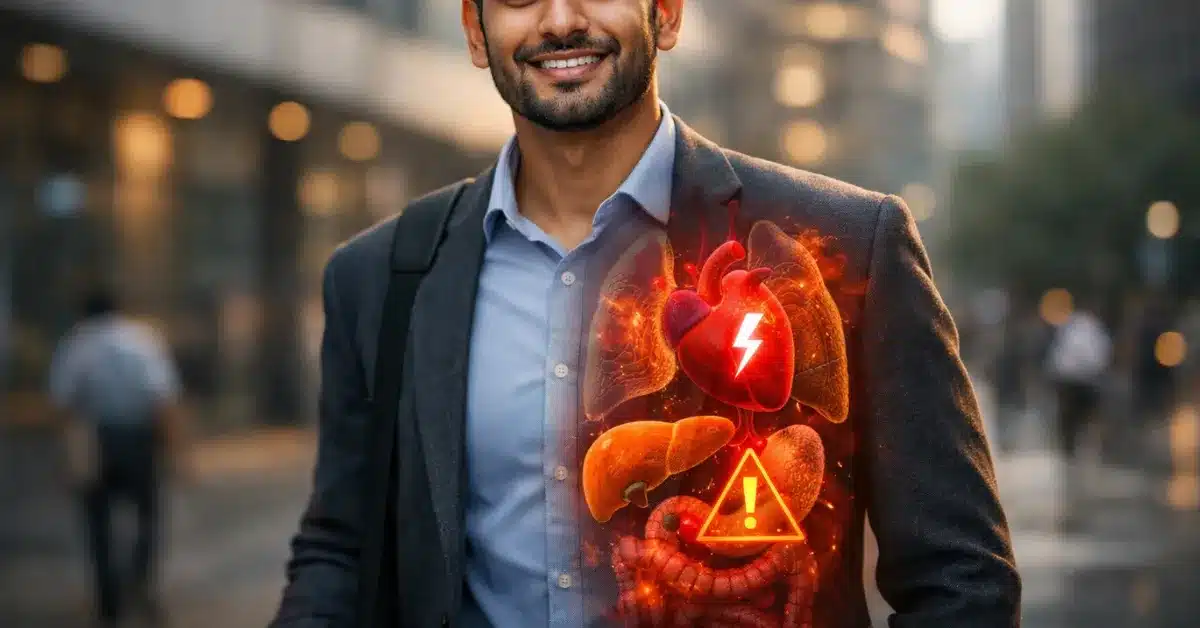
Hidden Health Problems – You look young. You feel fine. But what if your body is silently breaking down?
Across India and globally, a disturbing trend is emerging—young people in their 20s and 30s are developing conditions once seen only in older adults. Heart disease, fatty liver, diabetes, and chronic pain are no longer “old age problems.”
The biggest danger?
Most of these conditions are silent. No pain. No warning. Until it’s too late.
Disclaimer: This content is for educational purposes only and does not replace professional medical advice, diagnosis, or treatment. Always consult a qualified healthcare provider for personalized medical guidance.
Ignoring early signs or assuming “I’m too young for this” is one of the most dangerous misconceptions today.
What Are Hidden Health Problems in Young People?
Hidden health problems refer to chronic conditions that develop silently without obvious symptoms in early stages.
According to the World Health Organization (WHO), non-communicable diseases (NCDs) like cardiovascular disease, diabetes, and obesity are rising rapidly among younger populations.
These include:
- Metabolic disorders (e.g., insulin resistance)
- Early cardiovascular disease
- Musculoskeletal dysfunction (neck, back pain)
- Mental health disorders
- Hormonal imbalances
These conditions often remain undiagnosed until complications appear.
What Happens If You Ignore This?
This is where it gets serious.
🚨 Long-Term Risks:
- Early heart attack (before age 40)
- Type 2 diabetes with lifelong complications
- Chronic back and cervical pain
- Fatty liver progressing to liver damage
- Infertility and hormonal disorders
- Anxiety, depression, burnout
📊 Shocking Data:
- WHO reports that over 70% of deaths globally are due to NCDs, many starting early in life
- A PubMed study shows sedentary young adults have a 2–3x higher risk of metabolic syndrome
- Indian data indicates rising pre-diabetes rates in people under 30
💔 Real Impact:
- Reduced productivity
- Financial burden due to chronic illness
- Poor quality of life in your “prime years”
The scariest part? You may feel completely normal while damage is happening internally.
Causes & Risk Factors
🧍 Lifestyle Factors:
- Sedentary routine (long sitting hours)
- Poor diet (processed, high sugar foods)
- Sleep deprivation
- Excess screen time
🧬 Medical Factors:
- Family history of diabetes or heart disease
- Hormonal imbalances (PCOS, thyroid)
🎯 Occupational Risks:
- Desk jobs → neck/back pain
- Stress-heavy professions → burnout & hypertension
⚡ Behavioral Risks:
- Smoking, alcohol
- Lack of physical activity
Warning Signs & Symptoms
🔍 Early Signs (Often Ignored):
- Constant fatigue
- Mild weight gain (especially belly fat)
- Frequent headaches
- Poor posture pain
- Brain fog
❗ Advanced Symptoms:
- High blood pressure
- Blood sugar imbalance
- Chronic back or neck pain
- Sleep disturbances
- Anxiety or panic attacks
👉 Don’t ignore these signs. They are early alarms—not minor issues.
Diagnosis & Clinical Standards
Doctors use a combination of:
🧪 Tests:
- Blood sugar (Fasting, HbA1c)
- Lipid profile
- Liver function test
- Thyroid profile
- BMI & waist circumference
📏 Clinical Guidelines:
- WHO NCD risk assessment protocols
- American Diabetes Association (ADA) criteria for prediabetes
- Physiotherapy posture & movement screening
🏆 Gold Standard:
Early screening + lifestyle risk evaluation = best prevention strategy
What Actually Works
Here’s the truth:
These conditions are preventable—and often reversible in early stages.
✅ Evidence-Based Solutions:
🏃♂️ 1. Movement is Medicine
- 30–45 mins daily exercise
- Strength + mobility training
- Proven to reduce NCD risk (WHO)
🧘♂️ 2. Physiotherapy Intervention
- Posture correction
- Ergonomic training
- Pain prevention protocols
🥗 3. Nutrition Reset
- Reduce sugar & processed foods
- Increase protein & fiber
- Balanced Indian diet works best
😴 4. Sleep Optimization
- 7–8 hours sleep
- Fix circadian rhythm
🧠 5. Stress Control
- Meditation
- Breathing exercises
- Cognitive behavioral strategies
❌ Myths vs Reality:
- “Gym alone fixes everything” → ❌
- “Pain is normal in youth” → ❌
- “I’ll fix it later” → ❌
Early action = life-saving difference
Prevention & Daily Habits
🌿 Daily Protection Plan:
- Walk 8,000–10,000 steps
- Avoid sitting > 45 minutes continuously
- Eat home-cooked meals
- Hydrate adequately
- Annual health check-up (even if healthy)
🧠 Public Health Insight:
WHO emphasizes lifestyle modification as the most powerful tool against early disease.
FAQs
1. Are hidden health problems reversible?
Yes, many are reversible if detected early and managed properly.
2. How long does recovery take?
3–6 months with consistent lifestyle changes.
3. Can physiotherapy help?
Absolutely. It prevents and treats musculoskeletal and lifestyle-related issues.
4. Why are young people getting sick early?
Sedentary lifestyle, poor diet, stress, and lack of awareness.
5. What is the biggest mistake people make?
Ignoring early symptoms and delaying check-ups.
6. Should I get tested even if I feel fine?
Yes. Many conditions are silent in early stages.
7. Is gym enough for prevention?
No. You need sleep, diet, stress control, and movement balance.
REFERENCES
World Health Organization. (2023). Noncommunicable diseases. https://www.who.int/news-room/fact-sheets/detail/noncommunicable-diseases
American Diabetes Association. (2024). Standards of Medical Care in Diabetes. https://diabetes.org
PubMed Study:
Booth, F. W., et al. (2017). Lack of exercise is a major cause of chronic diseases. Comprehensive Physiology. https://pubmed.ncbi.nlm.nih.gov/
National Institutes of Health. (2022). Lifestyle and metabolic health. https://www.nih.gov
Dr. Shabbir Hussain, BPT
Licensed Physiotherapist | Clinical Rehabilitation Specialist
Maharashtra OTPT Council Reg. No.: PR-2021/08/PT/009532
Society of Onco Physiotherapists Reg. No.: SOP/00033/LM
Dr. Shabbir Hussain, BPT, Registered Physiotherapist with over 8 years of experience in physiotherapy, kidney rehabilitation, oncological rehabilitation, and lymphedema management. He specializes in balance disorders, pain management, musculoskeletal rehabilitation, strengthening programs, and VR-based rehabilitation.