99% of heart attacks and strokes are linked to these four risk factors
Cardiovascular disease is a major health concern worldwide, particularly in India, where it is one of the leading causes of mortality. A staggering statistic reveals that a significant majority of heart attacks and strokes are linked to just four risk factors.

Understanding these risk factors is crucial for heart disease prevention and maintaining overall cardiovascular health. By identifying and managing these factors, individuals can significantly reduce their risk of experiencing a cardiovascular event.
Key Takeaways – Heart attacks
- Four key risk factors contribute to the majority of heart attacks and strokes.
- Understanding these risk factors is crucial for heart disease prevention.
- Managing these risk factors can significantly reduce cardiovascular risk.
- Awareness and prevention are key to maintaining cardiovascular health.
- Lifestyle changes can play a significant role in mitigating these risk factors.
The Growing Threat of heart attacks
The threat of cardiovascular disease is escalating, posing a substantial risk to global health. As the leading cause of death worldwide, it’s imperative to understand the scope of this growing issue.
Global Impact of Heart Disease and Stroke
Cardiovascular disease, encompassing heart disease and stroke, is a major global health concern. According to the World Health Organization (WHO), cardiovascular diseases claim an estimated 17.9 million lives each year, representing 31% of all global deaths. Heart disease and stroke are among the top causes of mortality worldwide, with significant economic and social impacts on individuals, families, and communities.
Cardiovascular Disease in India: A Rising Epidemic
India is experiencing a rising epidemic of cardiovascular disease. The country’s demographic shift, coupled with lifestyle changes, has led to an increase in cardiovascular risk factors. Urbanization and changes in dietary patterns have contributed to this surge. As a result, cardiovascular disease is becoming a significant burden on India’s healthcare system.
Why heart attacks Prevention Matters More Than Treatment
Prevention is crucial in the fight against cardiovascular disease. As noted by a WHO report, “Prevention is the key to reducing the burden of cardiovascular disease.”
“Prevention is the key to reducing the burden of cardiovascular disease.”
Focusing on prevention through lifestyle modifications and management of risk factors can significantly reduce the incidence of heart disease and stroke, ultimately saving lives and reducing healthcare costs.
99% of Heart Attacks and Strokes Are Linked to These Four Risk Factors
Groundbreaking research from the INTERHEART and INTERSTROKE studies has identified four critical risk factors associated with the majority of heart attacks and strokes. This pivotal finding has significant implications for heart attack prevention and overall cardiovascular health.
The Groundbreaking INTERHEART and INTERSTROKE Studies
The INTERHEART and INTERSTROKE studies are landmark research projects that have shed light on the global risk factors for heart attacks and strokes. Conducted across multiple countries and involving thousands of participants, these studies have provided invaluable insights into the causes of cardiovascular disease. The findings from these studies have been instrumental in identifying the four key risk factors that are associated with 99% of heart attacks and strokes.
The INTERHEART study, which focused on heart attacks, and the INTERSTROKE study, which examined stroke risk factors, both employed rigorous methodologies to gather data. Their results have been consistent and compelling, highlighting the importance of addressing modifiable risk factors to reduce the risk of heart attack and stroke.
How These Risk Factors Damage Your Cardiovascular System
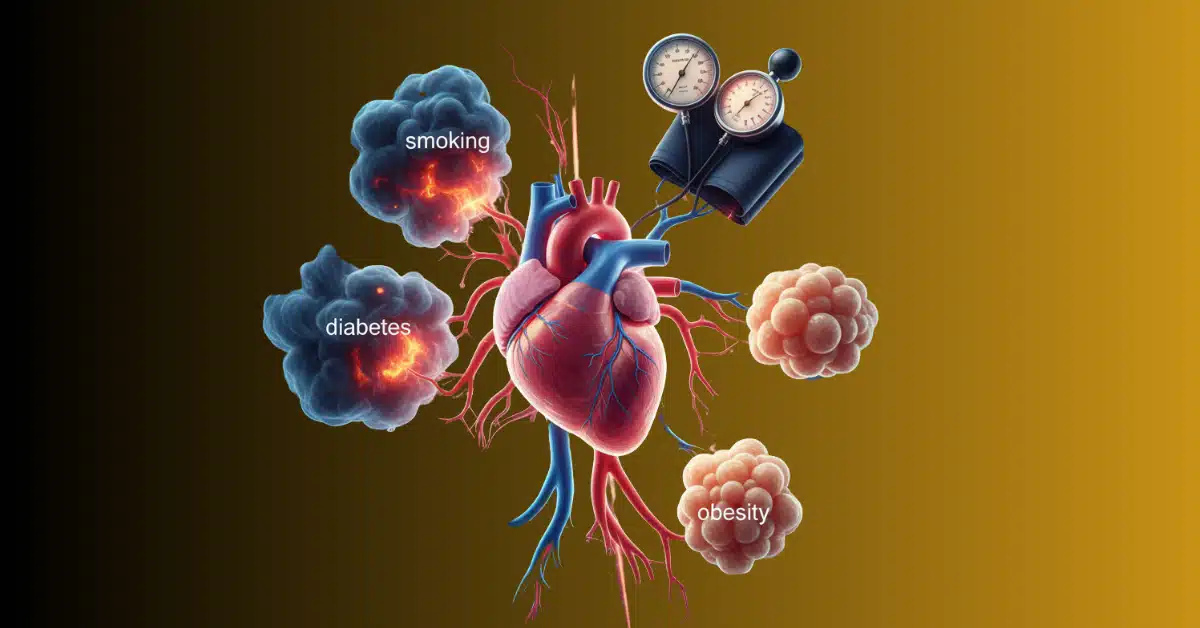
The four risk factors identified by the INTERHEART and INTERSTROKE studies are hypertension, abnormal lipid levels, tobacco use, and diabetes/insulin resistance. Each of these factors can significantly damage the cardiovascular system in distinct ways. For instance, hypertension can lead to the hardening of arteries, making them more susceptible to blockage. Abnormal lipid levels can result in the accumulation of plaque in the arteries, further increasing the risk of cardiovascular events.
Tobacco use is known to damage the inner lining of blood vessels, making them more prone to narrowing and blockage. Diabetes and insulin resistance can lead to chronic inflammation and damage to the vascular system, further elevating the risk of heart disease.
The Compounding Effect: When Multiple Risk Factors Coexist
When multiple risk factors coexist, the danger to cardiovascular health is compounded. For example, an individual with both hypertension and diabetes is at a significantly higher risk of experiencing a heart attack or stroke than someone with just one of these conditions. Understanding the compounding effect of multiple risk factors is crucial for developing effective prevention strategies.
By addressing these risk factors through lifestyle changes and, when necessary, medical interventions, individuals can significantly reduce their risk of heart attack and stroke. The insights from the INTERHEART and INTERSTROKE studies provide a clear roadmap for heart attack prevention and underscore the importance of a comprehensive approach to cardiovascular health.
Risk Factor #1: Hypertension – The Silent Danger
High blood pressure, or hypertension, is a silent threat to cardiovascular health. It affects millions worldwide and is a major risk factor for heart disease and stroke. Understanding and managing hypertension is crucial for maintaining a healthy cardiovascular system.
Understanding Blood Pressure Numbers
Blood pressure is measured in millimeters of mercury (mmHg) and is given as two numbers: systolic pressure (the top number) and diastolic pressure (the bottom number). A reading of 120/80 mmHg is considered normal. Hypertension is diagnosed when blood pressure consistently reads 130/80 mmHg or higher. Understanding these numbers can help you take control of your cardiovascular health.
How Hypertension Damages Your Heart and Blood Vessels
Hypertension puts extra strain on your heart and blood vessels, leading to potential damage over time. The heart has to work harder to pump blood, which can lead to thickening of the heart muscle, reducing its efficiency. Additionally, high blood pressure can cause blood vessels to become narrower and more susceptible to blockage, increasing the risk of heart attack and stroke.
Hypertension in the Indian Population: Prevalence and Causes
Hypertension is a growing concern in India, affecting a significant portion of the population. Lifestyle changes, including diet and physical activity levels, play a crucial role in its prevalence.
Traditional vs. Modern Indian Diet and Blood Pressure
The shift from traditional diets rich in whole grains and vegetables to modern diets high in processed foods and salt has contributed to the rise in hypertension. Adopting a balanced diet that incorporates elements of the traditional Indian diet can help manage blood pressure.
Stress and Urban Lifestyle Contributions
Urbanization and lifestyle changes have led to increased stress levels, contributing to hypertension. Stress management techniques, such as meditation and yoga, can be beneficial in controlling blood pressure and overall cardiovascular health.
Risk Factor #2: Abnormal Lipid Levels – Beyond Just Cholesterol
Understanding abnormal lipid levels is crucial for preventing heart attacks and strokes. Lipid profiles play a significant role in determining cardiovascular health, and abnormal levels can lead to severe complications.
HDL, LDL, and Triglycerides: What They Mean for Your Heart
Lipid profiles are composed of different types of cholesterol and triglycerides. HDL (High-Density Lipoprotein) is known as “good” cholesterol because it helps remove other forms of cholesterol from the bloodstream. On the other hand, LDL (Low-Density Lipoprotein) is considered “bad” cholesterol as it can lead to plaque buildup in arteries. Triglycerides are another form of fat found in the blood, and high levels can also contribute to heart disease.
How Lipids Create Arterial Plaque – heart attacks
When LDL cholesterol levels are high, it can lead to the formation of plaque in the arteries. This process, known as atherosclerosis, can cause arteries to narrow and harden, restricting blood flow. Over time, this can lead to heart attacks and strokes. Maintaining healthy lipid levels is crucial to preventing the buildup of arterial plaque.
Indian Dietary Patterns and Lipid Profiles
Indian dietary patterns can significantly impact lipid profiles. Traditional Indian diets often include fats like ghee and coconut oil, which can affect cholesterol levels.
Impact of Ghee, Coconut Oil, and Other Traditional Fats
Ghee and coconut oil are commonly used in Indian cooking. While they have cultural and culinary significance, they are high in saturated fats, which can raise LDL cholesterol levels. Moderation is key when consuming these fats to lower heart attack risk.
Healthy Alternatives in Indian Cooking
There are several healthier alternatives that can be incorporated into Indian cooking to improve lipid profiles. Using olive oil or mustard oil in place of ghee or coconut oil can help reduce saturated fat intake. Additionally, increasing the consumption of fruits, vegetables, and whole grains can contribute to healthier lipid levels and overall cardiovascular well-being.
By understanding and managing abnormal lipid levels, individuals can significantly reduce their risk of heart disease. Making informed dietary choices and maintaining a healthy lifestyle are crucial steps in preventing heart disease and promoting overall heart health.
Risk Factor #3: Tobacco Use – A Direct Path to Heart Disease
The dangers of tobacco use extend far beyond lung cancer, posing a substantial threat to cardiovascular health. Tobacco consumption is a well-established risk factor for heart disease and stroke, contributing to millions of deaths worldwide each year.
Smoking’s Immediate and Long-term Effects on Cardiovascular Health
Tobacco use has both immediate and long-term effects on cardiovascular health. Immediately after smoking, there is a temporary increase in heart rate and blood pressure, which can lead to cardiac strain. Long-term effects include the development of atherosclerosis, a condition where plaque builds up in the arteries, leading to their hardening and narrowing. This process significantly increases the risk of heart attack and stroke.
The chemicals in tobacco smoke damage the inner lining of blood vessels, making them more susceptible to blockages. Carbon monoxide in tobacco smoke reduces the amount of oxygen delivered to the heart, further increasing the risk of cardiovascular events.
Beyond Cigarettes: Bidis, Hookah, and Smokeless Tobacco
In India, tobacco is consumed in various forms beyond cigarettes, including bidis, hookah, and smokeless tobacco. Bidis, which are small, hand-rolled cigarettes, are particularly popular and just as harmful as regular cigarettes. Hookah smoking, despite its social and cultural appeal, also poses significant cardiovascular risks due to the inhalation of tobacco and other harmful substances.
Smokeless tobacco, consumed orally or by snuffing, is often perceived as safer but still contains harmful chemicals that can lead to cardiovascular disease and other health issues.
Tobacco Use Patterns in India and Cessation Strategies
Tobacco use is widespread in India, with various cultural and social factors influencing its consumption. Cessation strategies are crucial to reducing the prevalence of tobacco use and its associated cardiovascular risks.
Cultural Factors in Tobacco Consumption
Cultural and social norms play a significant role in tobacco use in India. For example, the use of betel quid with tobacco is a common practice in many parts of the country. Understanding these cultural factors is essential for developing effective cessation programs.
Resources for Quitting Available in India
India has various resources available to help individuals quit tobacco, including counseling services, nicotine replacement therapy, and support groups. National Tobacco Quitline Services provide free counseling and support to those looking to quit tobacco.
Quitting tobacco is challenging but highly beneficial for reducing the risk of heart disease and stroke. With the right support and resources, individuals can overcome tobacco addiction and improve their cardiovascular health.
Risk Factor #4: Diabetes and Insulin Resistance
The relationship between diabetes, insulin resistance, and cardiovascular disease is complex and multifaceted. Diabetes is not just a condition affecting blood sugar levels; it’s also a significant risk factor for heart disease.
The Diabetes-Heart Disease Connection
Diabetes and heart disease are closely linked. High blood sugar levels over time can damage blood vessels and the nerves that control the heart. People with diabetes are 2-4 times more likely to develop cardiovascular disease compared to those without diabetes.
Insulin resistance, a precursor to type 2 diabetes, also plays a crucial role in this connection. When the body’s cells become resistant to insulin, it leads to high blood sugar levels, further straining the cardiovascular system.

Prediabetes: The Warning Stage
Prediabetes is a condition where blood sugar levels are higher than normal but not high enough to be classified as diabetes. It’s a warning sign that indicates an increased risk of developing type 2 diabetes and cardiovascular disease. Early intervention through lifestyle changes can prevent the progression to diabetes.
India’s Diabetes Crisis and Heart Health
India is experiencing a diabetes epidemic, with a significant impact on heart health. The prevalence of diabetes in India is rising due to factors like urbanization, changing lifestyles, and genetic predisposition.
Genetic Susceptibility in South Asian Populations
South Asian populations, including Indians, have a higher genetic susceptibility to insulin resistance and diabetes. This genetic predisposition, combined with environmental factors, contributes to the high prevalence of diabetes in India.
Managing Diabetes to Protect Your Heart
Managing diabetes effectively is crucial for protecting heart health. This includes maintaining healthy blood sugar levels through medication, diet, and exercise. A healthy lifestyle can significantly reduce the risk of cardiovascular complications.
| Lifestyle Change | Benefit for Heart Health |
|---|---|
| Regular Physical Activity | Improves insulin sensitivity, reduces blood pressure |
| Healthy Diet | Helps maintain healthy blood sugar and lipid levels |
| Weight Management | Reduces the risk of developing insulin resistance and diabetes |
By understanding the link between diabetes and heart disease, individuals can take proactive steps to manage their condition and protect their cardiovascular health.
Recognizing heart attacks Warning Signs and Taking Action
Understanding the warning signs of heart disease and stroke is crucial for timely medical intervention. Being aware of these symptoms can significantly reduce the risk of severe cardiovascular events.
Early Symptoms of Heart Disease You Shouldn’t Ignore
Heart disease often presents with subtle symptoms that can be easily overlooked. Common early warning signs include:
- Chest pain or discomfort, known as angina
- Shortness of breath during routine activities
- Fatigue or feeling weak
- Swelling in the legs, ankles, or feet
- Pain or discomfort in the arms, back, neck, jaw, or stomach
These symptoms can be indicative of underlying heart disease and should prompt a visit to a healthcare professional.
Differences in heart attacks and Stroke Symptoms Between Men and Women
Symptoms of heart attack and stroke can vary significantly between men and women. While men typically experience chest pain, women are more likely to have:
- Shortness of breath
- Nausea or vomiting
- Pain in the back, neck, or jaw
- Extreme fatigue
For strokes, common symptoms include sudden weakness or numbness in the face, arm, or leg, confusion, trouble speaking, and severe headache. Recognizing these differences is crucial for timely medical intervention.
When to Seek Emergency Medical Care
If you or someone you know is experiencing symptoms of a heart attack or stroke, it is essential to seek emergency medical care immediately. Delaying treatment can result in severe consequences, including death.
Available Emergency Services in India
India has a growing network of emergency services, including ambulance services and emergency departments in hospitals. Services like 108 or 102 provide emergency assistance.
Creating a Personal Emergency Plan
Having a personal emergency plan in place can save precious time in the event of a cardiovascular emergency. This plan should include:
- Knowing the nearest hospital or emergency care facility
- Having emergency contact numbers saved
- Keeping a list of medications and medical history handy
By being prepared and recognizing the warning signs, you can significantly reduce the risk of heart attack and stroke.
Comprehensive Prevention: Your Heart Protection Plan
To significantly reduce the risk of heart disease, it’s essential to implement a combination of dietary changes, regular physical activity, and effective stress management. By making these healthy lifestyle choices, individuals can significantly lower their risk of developing heart disease.
Dietary Modifications for Indian Lifestyles
Indian cuisine is diverse and rich, offering numerous options for heart-healthy eating. By making a few simple changes to traditional recipes, individuals can enjoy their favorite dishes while protecting their heart health.
Heart-Healthy Indian Recipes and Meal Plans
Incorporating more fruits, vegetables, and whole grains into meals can make a significant difference. For example, choosing brown rice over white rice, using olive oil instead of ghee, and adding plenty of vegetables to curries are simple yet effective changes.
Navigating Restaurant Menus and Social Gatherings
When eating out or attending social gatherings, it’s easy to get caught up in less healthy options. However, by being mindful of choices and opting for grilled or baked dishes, limiting portion sizes, and choosing healthier snacks, individuals can stay on track with their heart-healthy diet.
Physical Activity Recommendations for All Fitness Levels
Regular physical activity is crucial for maintaining heart health. The good news is that it doesn’t have to be overly strenuous to be beneficial. Even moderate-intensity activities, such as brisk walking, cycling, or swimming, can significantly reduce the risk of heart disease.
Stress Management Techniques with Roots in Indian Traditions
Stress is an inevitable part of modern life, but chronic stress can have a detrimental impact on heart health. Fortunately, Indian traditions offer a wealth of stress management techniques that can help.
Yoga and Meditation for Heart Health
Yoga and meditation are ancient practices that have been shown to reduce stress, lower blood pressure, and improve overall well-being. Even a few minutes of practice each day can make a significant difference.
Building Healthy Sleep Habits
Adequate sleep is essential for heart health, yet many people struggle to get enough restful sleep. Establishing a consistent sleep schedule, creating a relaxing bedtime routine, and avoiding screens before bed can help improve sleep quality.
Conclusion: Taking Control of Your Heart Health Journey
Understanding and managing the four key risk factors – hypertension, abnormal lipid levels, tobacco use, and diabetes/insulin resistance – is crucial for maintaining good heart health and cardiovascular health. By being aware of these factors, you can take proactive steps to prevent heart disease and lower your heart attack risk.
Adopting a healthy lifestyle is a significant step towards achieving good heart health. This includes making dietary modifications, engaging in regular physical activity, and managing stress. For individuals in India, incorporating traditional dietary patterns and stress management techniques, such as yoga and meditation, can be particularly beneficial.
By taking control of your heart health, you can significantly reduce your risk of heart disease and stroke. It’s essential to work with your healthcare provider to monitor and manage your risk factors. Together, you can develop a personalized plan to improve your heart health and overall well-being.
Empowering yourself with knowledge and making informed choices can lead to a healthier, longer life. Start your journey today by prioritizing your heart health and making the necessary changes to protect your cardiovascular health.
FAQ
What are the four risk factors linked to 99% of heart attacks and strokes?
The four risk factors are hypertension, abnormal lipid levels, tobacco use, and diabetes or insulin resistance. Understanding and managing these risk factors is crucial for preventing heart attacks and strokes.
How can I reduce my risk of heart attack and stroke?
You can reduce your risk by adopting a healthy lifestyle, including a balanced diet, regular physical activity, stress management, and avoiding tobacco. Additionally, managing conditions like hypertension, abnormal lipid levels, and diabetes is vital.
What are the early symptoms of heart disease that I shouldn’t ignore?
Early symptoms can include chest pain or discomfort, shortness of breath, pain or weakness in the arms or legs, and palpitations. Recognizing these symptoms early can help you seek medical care promptly.
How does hypertension damage the heart and blood vessels?
Hypertension can cause the heart to work harder, leading to thickening of the heart muscle, and can damage blood vessels, making them more susceptible to blockages. Managing hypertension through lifestyle changes and, if necessary, medication, is crucial.
What dietary modifications can help protect my heart health?
Focusing on a diet rich in fruits, vegetables, whole grains, and lean proteins can help. For Indian lifestyles, incorporating heart-healthy Indian recipes and being mindful of fat intake, especially from sources like ghee and coconut oil, is advisable.
How can stress management techniques like yoga and meditation help my heart health?
Stress management techniques such as yoga and meditation can help reduce stress, lower blood pressure, and improve overall cardiovascular health. Incorporating these practices into your daily routine can be beneficial.
What should I do if I experience symptoms of a heart attack or stroke?
If you experience symptoms like severe chest pain, difficulty speaking, or sudden weakness, seek emergency medical care immediately. Having a personal emergency plan in place can help you act quickly.
Are there any specific physical activity recommendations for heart health?
Engaging in regular physical activity, such as brisk walking, cycling, or swimming, for at least 150 minutes per week can help improve heart health. It’s also beneficial to include strength training exercises.
How can I manage diabetes to protect my heart?
Managing diabetes involves monitoring blood sugar levels, following a healthy diet, exercising regularly, and adhering to any prescribed medication. This not only helps manage diabetes but also reduces the risk of heart disease.

Dr. Shabbir Hussain, BPT
Licensed Physiotherapist | Clinical Rehabilitation Specialist
Maharashtra OTPT Council Reg. No.: PR-2021/08/PT/009532
Society of Onco Physiotherapists Reg. No.: SOP/00033/LM
Dr. Shabbir Hussain, BPT, Registered Physiotherapist with over 8 years of experience in physiotherapy, kidney rehabilitation, oncological rehabilitation, and lymphedema management. He specializes in balance disorders, pain management, musculoskeletal rehabilitation, strengthening programs, and VR-based rehabilitation.