
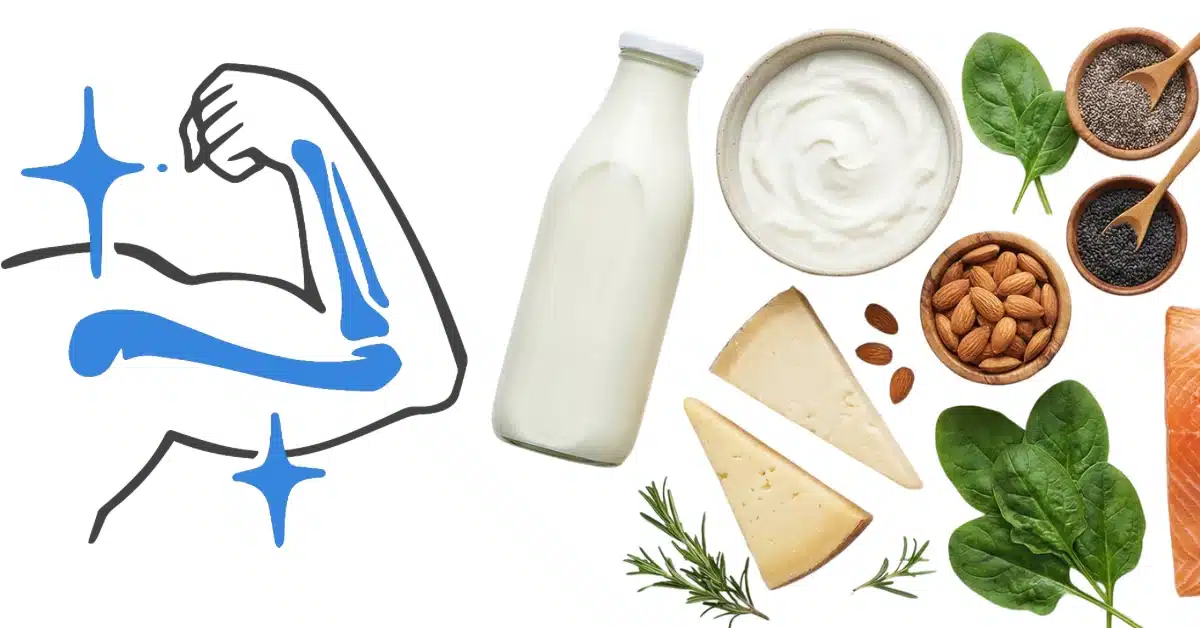
Foods for Bones – Maintaining strong bones is crucial for overall health, and nutrition plays a vital role in achieving this. As we age, our bone health becomes increasingly important, and the right diet can make a significant difference.

A diet rich in the right nutrients can help strengthen bones quickly. Certain bone-strengthening foods are packed with powerful nutrients that support bone density and overall skeletal health.
In this article, we’ll explore the top 10 best foods for bone health, helping you make informed dietary choices to support your bone health.
Key Takeaways
- Understanding the importance of nutrition for bone health
- Identifying the top 10 foods that strengthen bones quickly
- Learning how to incorporate these foods into your diet
- Recognizing the role of powerful nutrients in bone health
- Discovering how diet can impact overall skeletal health
Understanding Bone Health and Why It Matters
Bone health is a critical aspect of our overall well-being, often overlooked until problems arise. Maintaining strong bones is essential for mobility, balance, and overall quality of life.
The Silent Nature of Bone Loss
Bone loss can occur silently, without noticeable symptoms, until a fracture occurs. This highlights the importance of a bone-healthy diet rich in nutrients that support bone density.
Risk Factors for Poor Bone Health in Indian Population
The Indian population is at risk due to factors like inadequate nutrition, lack of physical activity, and genetic predisposition. Consuming foods to improve bone density is crucial. A comparative analysis of risk factors is presented below:
| Risk Factor | Description | Prevalence in India |
|---|---|---|
| Inadequate Calcium Intake | Lack of sufficient calcium in diet | High |
| Vitamin D Deficiency | Insufficient vitamin D levels | Very High |
| Physical Inactivity | Lack of regular exercise | Moderate |
Essential Nutrients That Build Strong Bones
Building strong bones requires a combination of essential nutrients that work together to support bone health. A diet lacking in these critical nutrients can lead to weakened bones and increased risk of osteoporosis.
Calcium: The Foundation of Bone Structure
Calcium is the most abundant mineral in the body and is crucial for building and maintaining bone structure. It is essential to consume enough calcium through nutrient-rich foods for bones like dairy products and leafy greens.
Vitamin D: The Calcium Absorption Helper
Vitamin D plays a vital role in helping the body absorb calcium, making it a critical component of bone health. Foods rich in vitamin D, such as fatty fish, and fortified dairy products, support bone strength.
Magnesium, Phosphorus, and Vitamin K
Other essential nutrients include magnesium, phosphorus, and vitamin K. Magnesium and phosphorus contribute to bone mineralization, while vitamin K helps activate proteins that work with calcium to support bone mineralization.
How These Nutrients Work Together
These nutrients don’t work in isolation; they collaborate to ensure optimal bone health. For instance, calcium and vitamin D work together to support bone density, while magnesium and phosphorus help in the formation of bone structure. Consuming a balanced diet that includes a variety of foods for bone strength is key to maintaining strong bones.
Top 10 Foods for Bones That Promote Rapid Strengthening
Building strong bones requires a diet that includes a variety of nutrient-rich foods. Consuming the right foods can significantly enhance bone density and overall health. Here, we will explore the top 10 foods that are beneficial for bone health.
1. Dairy Products (Milk, Yogort, Cheese)
Dairy products are among the richest sources of calcium, a mineral crucial for bone health. Calcium helps in building and maintaining bone density.
Calcium Content and Bioavailability
The calcium in dairy products is highly bioavailable, meaning it is easily absorbed by the body. This makes dairy an excellent choice for those looking to strengthen their bones.
- Milk is a straightforward source of calcium.
- Yogurt contains probiotics that can aid in calcium absorption.
- Cheese is not only rich in calcium but also in protein.
2. Leafy Greens (Spinach, Kale, Collard Greens)
Leafy greens are packed with calcium and other nutrients beneficial for bone health. They are also rich in vitamins and minerals that support overall well-being.
Plant-Based Calcium Sources
For those who are lactose intolerant or prefer a plant-based diet, leafy greens offer an excellent alternative source of calcium.
- Spinach is rich in calcium, although its bioavailability can be limited due to oxalate content.
- Kale and collard greens offer highly absorbable calcium.
3. Fatty Fish (Salmon, Sardines, Mackerel)
Fatty fish are not only delicious but also rich in vitamin D and omega-3 fatty acids, both of which are crucial for bone health.
Vitamin D and Omega-3 Benefits
Vitamin D helps in the absorption of calcium, while omega-3 fatty acids reduce inflammation, which can be beneficial for bone health.
- Salmon is a rich source of vitamin D and omega-3s.
- Sardines are small, oily fish that are packed with calcium and vitamin D.
4. Seeds and Nuts (Chia, Flax, Almonds)
Seeds and nuts are mineral-rich snacking options that can contribute to bone health. They are rich in magnesium, calcium, and other minerals.
Mineral-Rich Snacking Options
These foods are not only good for bones but also provide healthy fats and protein.
- Chia seeds are rich in calcium and magnesium.
- Almonds are a good source of magnesium.
5. Soy Products (Tofu, Tempeh, Edamame)
Soy products are known for their isoflavones, which may help in maintaining bone density.
Isoflavones and Bone Health
Isoflavones in soy products can mimic the effects of estrogen in the body, potentially aiding in bone health.
- Tofu is a versatile soy product that can be easily incorporated into meals.
- Edamame is a tasty and nutritious snack rich in isoflavones.
6. Fortified Foods (Cereals, Orange Juice, Plant Milks)
Many foods are fortified with calcium and vitamin D, making them excellent options for those looking to boost their bone health.
Reading Labels for Bone Nutrients
When choosing fortified foods, it’s essential to read labels to ensure they contain the necessary nutrients for bone health.
- Fortified cereals can be a great breakfast option.
- Plant milks fortified with calcium and vitamin D are excellent dairy alternatives.
7. Fruits (Figs, Oranges, Prunes)
Certain fruits are beneficial for bone health due to their antioxidant properties and mineral content.
Antioxidants and Bone Protection
Antioxidants in fruits can help protect bones from oxidative stress.
- Figs are a good source of calcium.
- Prunes have been shown to potentially reduce the risk of osteoporosis.
8. Legumes (Chickpeas, Lentils, Beans)
Legumes are rich in protein, magnesium, and other minerals that support bone health.
Protein and Mineral Balance
A diet that includes legumes can help maintain a balance of nutrients necessary for strong bones.
- Chickpeas are versatile and can be used in various dishes.
- Lentils are a good source of magnesium and protein.
9. Whole Grains (Oats, Brown Rice, Quinoa)
Whole grains are rich in magnesium, silicon, and other nutrients that are beneficial for bone health.
Magnesium and Silicon Content
Magnesium and silicon in whole grains contribute to bone density and overall bone health.
- Oats are a good source of magnesium.
- Quinoa is a complete protein and rich in minerals.
10. Indian Superfoods for Bone Health (Ragi, Sesame Seeds, Turmeric)
Indian cuisine offers a variety of superfoods that are beneficial for bone health.
Traditional Wisdom for Modern Bone Health
Incorporating these traditional foods into your diet can provide modern benefits for bone health.
- Ragi (finger millet) is rich in calcium.
- Sesame seeds are a good source of calcium and other minerals.
- Turmeric contains curcumin, which has anti-inflammatory properties.
How to Incorporate Bone-Strengthening Foods Into Your Daily Diet
Incorporating bone-strengthening foods into your daily diet can be simple and delicious. By making a few mindful choices, you can significantly enhance your bone health. Here’s how you can get started.
Simple Meal Planning Strategies
To incorporate bone-healthy foods into your diet, start by planning your meals around the key nutrients discussed earlier, such as calcium, vitamin D, and magnesium. Here are some simple meal planning strategies:
- Begin your day with a calcium-rich breakfast.
- Incorporate leafy greens and nuts into your meals.
- Choose fortified foods and fatty fish.
Bone-Healthy Recipes for Indian Cuisine
Indian cuisine offers a variety of bone-healthy options. Here are some delicious and nutritious recipes you can try:
Breakfast Options
Start your day with a nutritious breakfast. Some ideas include:
- Ragi porridge with nuts and seeds.
- Spinach and cheese omelette.
Lunch and Dinner Ideas
For lunch and dinner, consider these bone-healthy options:
- Lentil soup with a side of brown rice.
- Grilled salmon with roasted vegetables.
- Tofu stir-fry with sesame seeds and spinach.
Cooking Methods That Preserve Nutrients
The way you cook your food can significantly impact its nutritional value. Cooking methods like steaming, roasting, and stir-frying help preserve the nutrients in your food. Avoid overcooking, as it can lead to a loss of essential vitamins and minerals.
By incorporating these strategies and recipes into your daily routine, you can take a significant step towards improving your bone health. Remember, a bone-healthy diet is not just about adding specific foods but also about maintaining a balanced and varied diet.
Common Mistakes That Weaken Your Bones
While incorporating bone-strengthening foods into your diet is crucial, it’s equally important to be aware of the common mistakes that can undermine bone health. Certain dietary habits and lifestyle choices can significantly impact bone density, leading to weakened bones over time.
Foods and Habits That Deplete Bone Minerals
Consuming excessive amounts of certain substances can lead to bone mineral depletion. Excessive salt intake, for instance, can increase calcium excretion in the urine, thereby weakening bones.
Excessive Salt, Caffeine, and Carbonated Drinks
High caffeine intake can also interfere with calcium absorption, while carbonated drinks contain phosphoric acid, which can leach calcium from bones. Limiting these substances is crucial for maintaining strong bones.
| Substance | Effect on Bones | Recommended Limitation |
|---|---|---|
| Salt | Increases calcium excretion | Less than 5g per day |
| Caffeine | Interferes with calcium absorption | Less than 400mg per day |
| Carbonated Drinks | Leaches calcium from bones | Avoid or limit significantly |
Lifestyle Factors That Impact Bone Health
A sedentary lifestyle can significantly contribute to weakened bones. Regular physical activity, especially weight-bearing exercises, is essential for maintaining bone density.
Sedentary Habits and Bone Density
Regular exercise not only strengthens muscles but also stimulates bone growth. Incorporating activities like walking, running, or weightlifting into your daily routine can help maintain strong bones.
Medication Interactions with Bone Nutrients
Certain medications can interact with bone nutrients, affecting bone health. For example, long-term use of corticosteroids can lead to bone loss. It’s essential to discuss potential side effects with your healthcare provider.
Special Considerations for Different Life Stages
As we age, our bones undergo various changes that necessitate tailored nutritional and lifestyle approaches. Ensuring adequate intake of nutrient-rich foods for bones is crucial across different life stages.
Bone Health for Children and Adolescents
During childhood and adolescence, bones are growing and developing. Adequate calcium and vitamin D intake are essential for achieving peak bone mass. Foods like fortified dairy products and leafy greens support bone growth.
Menopausal and Post-Menopausal Women
Menopause marks a significant change in bone health due to hormonal shifts. Women should focus on consuming calcium-rich foods and consider supplements if necessary. Regular exercise, especially weight-bearing activities, is also vital.

Seniors and Bone Preservation
For seniors, maintaining bone density is critical to prevent fractures. A diet rich in nutrient-rich foods for bones, along with regular physical activity, can help preserve bone health.
Vegetarian and Vegan Considerations in India
Vegetarians and vegans can maintain strong bones by consuming plant-based calcium sources like fortified plant milks and dark leafy greens. It’s also important to ensure adequate vitamin D intake through sunlight exposure, supplements, or fortified foods.
Conclusion: Building a Lifetime of Bone Health
Maintaining strong bones requires a lifelong commitment to a healthy diet and lifestyle. By incorporating foods rich in calcium, vitamin D, and other essential nutrients, individuals can significantly enhance their bone strength. The top 10 foods for bones, including dairy products, leafy greens, and fortified cereals, provide the necessary building blocks for a healthy skeletal system.
Building healthy bones through diet is crucial, especially during childhood and adolescence when bone density is developed. A well-balanced diet, combined with regular exercise and a healthy lifestyle, can help prevent bone-related disorders such as osteoporosis. Consuming foods for bone strength, such as fatty fish and nuts, can also support bone health throughout life.
By making informed dietary choices and avoiding detrimental habits, individuals can take control of their bone health. A lifetime of strong bones is achievable with a little planning and commitment to a healthy lifestyle.
FAQ
What are the best foods for improving bone density?
The best foods for improving bone density include dairy products like milk, yogurt, and cheese, leafy greens such as spinach and kale, fatty fish like salmon and sardines, and fortified foods like cereals and plant milks. These foods are rich in calcium, vitamin D, and other essential nutrients that support bone health.
How does vitamin D contribute to bone health?
Vitamin D plays a crucial role in bone health by facilitating the absorption of calcium in the body. It helps maintain strong bones by ensuring that calcium is effectively utilized. Foods rich in vitamin D, such as fatty fish, and fortified dairy products, are essential for optimal bone health.
Can a vegetarian or vegan diet support bone health?
Yes, a well-planned vegetarian or vegan diet can support bone health. Plant-based sources of calcium, such as leafy greens, tofu, and fortified plant milks, are beneficial. Additionally, vitamin D can be obtained through sunlight exposure, supplements, or fortified foods. Ensuring adequate intake of these nutrients is key to maintaining strong bones on a vegetarian or vegan diet.
Are there any specific foods that can weaken bones?
Yes, certain foods and habits can weaken bones. Excessive consumption of salt, caffeine, and carbonated drinks can lead to bone mineral depletion. Additionally, a diet lacking essential nutrients like calcium and vitamin D can negatively impact bone health. Limiting these detrimental factors can help preserve bone strength.
How can cooking methods impact the nutritional value of bone-healthy foods?
Cooking methods can significantly impact the nutritional value of bone-healthy foods. Techniques like steaming, roasting, or grilling can help preserve the nutrients in foods like vegetables and fish. In contrast, overcooking or frying can lead to nutrient loss. Choosing the right cooking methods can maximize the nutritional benefits of bone-strengthening foods.
What are some bone-healthy recipe ideas for Indian cuisine?
Indian cuisine offers a variety of bone-healthy recipe ideas, such as incorporating ragi (finger millet) into breakfast dishes, using sesame seeds in snacks, and adding turmeric to curries. Leafy greens like spinach can be used in saag dishes, and fortified cereals can be part of a nutritious breakfast. These ingredients and recipes can be adapted to support bone health within traditional Indian cooking.
How does lifestyle impact bone health?
Lifestyle factors, including physical activity and sedentary habits, significantly impact bone health. Regular exercise, especially weight-bearing activities, can help strengthen bones. Conversely, a sedentary lifestyle can lead to weaker bones. Maintaining an active lifestyle is crucial for supporting bone health throughout life.
Are there specific considerations for bone health at different life stages?
Yes, bone health considerations vary across different life stages. Children and adolescents require adequate nutrients for bone development, while menopausal and post-menopausal women need to focus on maintaining bone density. Seniors should prioritize bone preservation, and vegetarians and vegans must ensure they get enough calcium and vitamin D from plant-based sources. Tailoring diet and lifestyle to these needs is essential for lifelong bone health.

Dr. Shabbir Hussain, BPT
Registered Physiotherapist | Clinical Rehabilitation Specialist
Maharashtra OTPT Council Reg. No.: PR-2021/08/PT/009532
Society of Onco Physiotherapists Reg. No.: SOP/00033/LM
Dr. Shabbir Hussain, BPT, Registered Physiotherapist with over 8 years of experience in physiotherapy, kidney rehabilitation, oncological rehabilitation, and lymphedema management. He specializes in balance disorders, pain management, musculoskeletal rehabilitation, strengthening programs, and VR-based rehabilitation.