Fasting Style Diet – Recent studies have unveiled the profound impact of a fasting style diet on our cognitive wellness. By adopting an intermittent fasting diet, individuals can experience significant transformations in their brain function and overall mental clarity.

This dietary approach has been shown to not only improve cognitive function but also to have a positive effect on mental health. The science behind this phenomenon is both fascinating and revealing, offering insights into how our dietary choices can influence our brain’s health and functionality.
Key Takeaways – Fasting Style Diet
- Adopting a fasting style diet can lead to improved cognitive function.
- Intermittent fasting diet has been linked to enhanced mental clarity.
- Significant transformations in brain function can occur with dietary changes.
- The science supports the positive impact of fasting on mental health.
- Dietary choices play a crucial role in brain health and functionality.
The Brain Science Behind Caloric Restriction
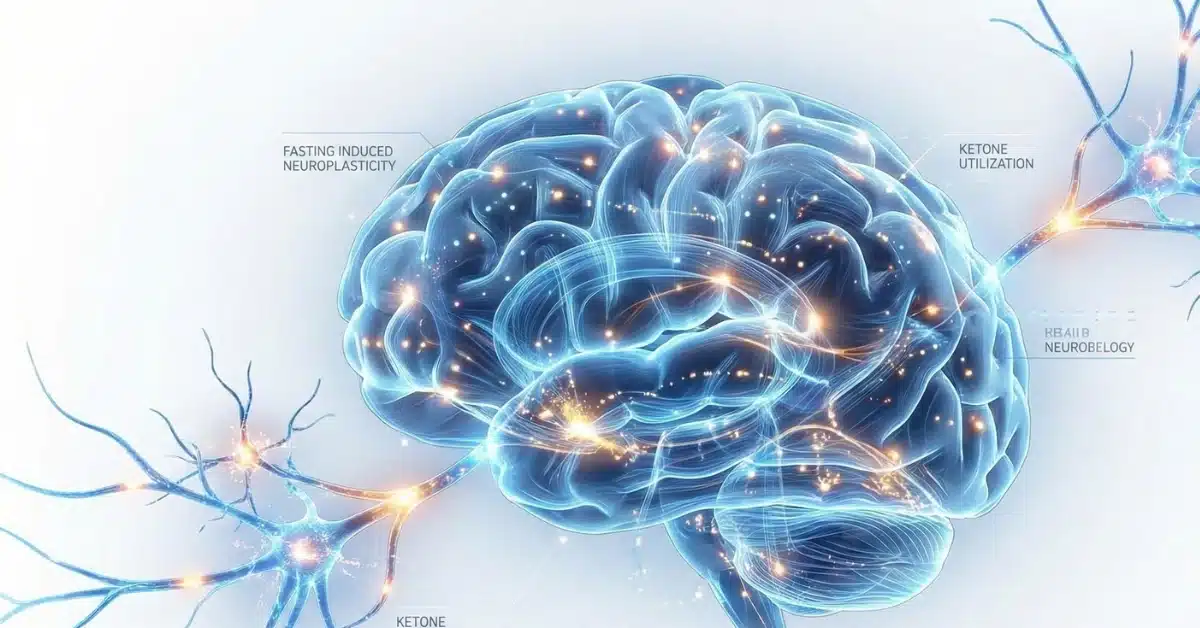
When we fast, our brain undergoes significant changes that can enhance cognitive function. Caloric restriction triggers a series of complex physiological responses that have been shown to have numerous benefits of fasting, including improved mental clarity and enhanced cognitive health.
How Your Brain Responds to Food Deprivation
During fasting, the brain initially responds to the lack of food by activating various survival mechanisms. This response is partly driven by the need to maintain energy homeostasis. The brain begins to utilize stored energy sources, such as glycogen and fat, for fuel. As it adapts to using ketones as a primary energy source, cognitive function can improve, contributing to the benefits of fasting.
The Evolutionary Basis for Cognitive Enhancement During Fasting
From an evolutionary perspective, fasting has been a natural part of human history, with periods of food scarcity driving adaptations that enhance survival. The cognitive enhancements observed during fasting are thought to be linked to these evolutionary pressures.
Survival Mechanisms That Boost Brain Function
Fasting triggers various survival mechanisms that can boost brain function. One key mechanism involves the increased production of brain-derived neurotrophic factor (BDNF), a protein that promotes the growth and maintenance of neurons. This process is crucial for learning and memory, and is a significant aspect of the fasting for weight loss and overall brain health benefits.
| Mechanism | Effect on Brain | Benefit |
|---|---|---|
| Increased BDNF production | Promotes neuronal growth and maintenance | Improved cognitive function |
| Ketone utilization | Alternative energy source for brain cells | Enhanced mental clarity |
| Autophagy induction | Removal of damaged cellular components | Neuroprotection |
By understanding these mechanisms, we can appreciate the complex interplay between caloric restriction and brain function, highlighting the potential benefits of fasting for overall health and cognitive well-being.
Understanding the Fasting Style Diet Framework
The Fasting Style Diet Framework offers a structured approach to incorporating fasting into your lifestyle, promoting overall well-being. This framework is built around several key principles that make fasting safe and effective.
Core Principles of Fasting Approaches
Fasting approaches vary, but they all share common core principles. These include creating a caloric deficit, allowing your body to repair and rejuvenate, and improving metabolic health. The best fasting methods are those that are sustainable and tailored to an individual’s lifestyle.
How Fasting Triggers Metabolic Switching
When you fast, your body undergoes metabolic switching, a process where it shifts from relying on glucose for energy to using stored fat. This switch has numerous health benefits, including improved insulin sensitivity and enhanced cognitive function.
Adapting Traditional Indian Eating Patterns to Modern Fasting Methods
Traditional Indian diets often include periods of fasting, making it easier to adapt to modern fasting methods. By incorporating elements of these traditional patterns, individuals can create a healthy fasting diet that is both effective and sustainable.
| Fasting Method | Description | Benefits |
|---|---|---|
| 16:8 Intermittent Fasting | Fast for 16 hours, eat within 8 hours | Weight loss, improved insulin sensitivity |
| 5:2 Diet | Eat normally for 5 days, restrict calories to 500 on 2 non-consecutive days | Weight loss, reduced inflammation |
| Alternate Day Fasting | Alternate between days of normal eating and days of complete or modified fasting | Improved cardiovascular health, weight loss |
By understanding and applying these principles, individuals can create a personalized fasting plan that suits their needs and promotes long-term health benefits.
5 Remarkable Brain Transformations Backed by Research
Scientific studies have revealed that fasting can dramatically transform the brain in various ways. These transformations are not just theoretical; they are backed by robust research that highlights the profound impact of fasting on brain health.
BDNF Production and Neurogenesis
Fasting has been shown to increase the production of Brain-Derived Neurotrophic Factor (BDNF), a protein that plays a crucial role in neurogenesis—the growth of new neurons. Elevated BDNF levels are associated with improved cognitive function and a reduced risk of neurodegenerative diseases. This process is fundamental to maintaining a healthy brain and is significantly enhanced through fasting.
Enhanced Cognitive Performance and Mental Clarity
Fasting has been linked to enhanced cognitive performance and mental clarity. By inducing a state of ketosis, fasting allows the brain to utilize ketones as an efficient energy source, leading to improved focus and mental acuity. This metabolic shift is crucial for individuals seeking to boost their cognitive capabilities.
Reduced Neuroinflammation and Oxidative Stress
Another significant benefit of fasting is its ability to reduce neuroinflammation and oxidative stress. Research has shown that fasting can decrease the production of pro-inflammatory cytokines and increase the production of anti-inflammatory cytokines, creating a more balanced inflammatory response. This reduction in neuroinflammation is vital for protecting the brain from damage.
Neuroprotection Against Age-Related Decline
Fasting has been demonstrated to offer neuroprotection against age-related decline. By enhancing cellular cleaning processes such as autophagy, fasting helps maintain brain health over time. Autophagy is the process by which cells recycle damaged or dysfunctional components, which is crucial for preventing the accumulation of toxic proteins associated with neurodegenerative diseases.
Improved Mood Regulation and Stress Response
Finally, fasting has been shown to improve mood regulation and stress response. The metabolic changes induced by fasting can lead to increased production of certain neurotransmitters that help regulate mood. A personalized fasting plan can be particularly effective in managing stress and improving overall mental well-being.
In conclusion, the scientific evidence supporting the cognitive benefits of fasting is compelling. By incorporating fasting into one’s lifestyle, individuals can potentially experience these remarkable brain transformations firsthand.
Popular Fasting Methods and Their Unique Brain Benefits
As we explore the world of fasting, it’s essential to understand the various popular fasting methods that can transform your brain health. Fasting has gained significant attention for its potential cognitive benefits, and different approaches can cater to various lifestyles and preferences.
Intermittent Fasting Protocols
Intermittent fasting involves cycling between periods of eating and fasting. Popular protocols include the 16:8 method, where you fast for 16 hours and eat within an 8-hour window, and the 5:2 diet, where you eat normally for five days and restrict calories to 500-600 on the other two days of the week. Alternate-day fasting is another approach, where you alternate between days of normal eating and days of complete or modified fasting.
Extended Fasting Approaches
Extended fasting involves fasting for longer periods, typically 24-72 hours. This approach is believed to promote autophagy, a natural process where the body breaks down and recycles damaged cells and proteins. Extended fasting can be challenging but may offer profound benefits for brain health, including improved mental clarity and reduced inflammation.

Time-Restricted Eating Windows
Time-restricted eating involves limiting your food intake to a specific window each day. This approach can help regulate circadian rhythms and improve metabolic health, which in turn can benefit brain function. By restricting eating to a certain number of hours, individuals can potentially enhance their cognitive performance and overall well-being.
Modified Fasting Diets for Sustained Benefits
Modified fasting diets offer a more sustainable approach to fasting by allowing for some calorie intake during fasting periods. These diets can be tailored to individual needs and preferences, making them more accessible for long-term practice.
Adaptations for Indian Dietary Preferences
For individuals following Indian dietary preferences, modifications can be made to incorporate traditional foods and spices into fasting regimens. For example, using ingredients like ghee, nuts, and seeds can provide necessary nutrients during fasting periods.
| Fasting Method | Description | Potential Brain Benefits |
|---|---|---|
| Intermittent Fasting | Cycling between eating and fasting periods | Improved cognitive function, reduced neuroinflammation |
| Extended Fasting | Fasting for 24-72 hours | Enhanced autophagy, improved mental clarity |
| Time-Restricted Eating | Limiting food intake to a specific daily window | Regulated circadian rhythms, improved metabolic health |
Creating Your Personalized Fasting Style Diet for Optimal Brain Health
To reap the cognitive rewards of fasting, creating a tailored fasting plan is essential. This involves understanding your current health status, lifestyle, and goals to develop a fasting style diet that suits you.
Assessing Your Current Health Status and Goals
Before starting any fasting regimen, it’s crucial to assess your health status and define your goals. Consider factors like your age, health conditions, and what you aim to achieve through fasting, whether it’s weight loss, improved mental clarity, or enhanced overall health.
Selecting the Right Fasting Approach for Your Lifestyle
Different fasting methods suit different lifestyles. For instance, the 16:8 method might be ideal for those with busy schedules, while alternate-day fasting might be better for those who can plan their meals around their fasting days.
Nutrition Strategies to Maximize Cognitive Benefits
Nutrition plays a vital role in maximizing the cognitive benefits of fasting. Focus on consuming nutrient-dense foods during your eating windows to support brain health.
Monitoring Progress and Overcoming Common Challenges
Monitoring your progress and being prepared to overcome challenges is key to successfully maintaining a fasting style diet. Keep track of how your body and mind respond to fasting, and adjust your approach as needed.
Special Considerations for Different Age Groups
Different age groups may require special considerations when adopting a fasting style diet. For example, older adults may need to ensure they’re getting enough nutrients during their eating windows.
| Age Group | Nutritional Considerations | Fasting Approach |
|---|---|---|
| 18-30 | High protein intake for muscle maintenance | 16:8 or 5:2 |
| 31-50 | Balanced diet with emphasis on whole foods | Alternate-day fasting |
| 51+ | Ensure adequate nutrient intake, consider supplements | Time-restricted eating |
Embracing Fasting for Long-term Cognitive Wellness
Adopting an intermittent fasting diet can be a transformative step towards achieving long-term cognitive wellness. By understanding the brain science behind caloric restriction and the various fasting methods available, individuals can make informed choices about their dietary habits.
The benefits of a fasting style diet are multifaceted, ranging from enhanced cognitive performance and mental clarity to reduced neuroinflammation and oxidative stress. By incorporating intermittent fasting into their lifestyle, individuals can potentially improve their overall brain health and well-being.
As we have explored, different fasting approaches, such as intermittent fasting protocols and time-restricted eating windows, offer unique benefits. By selecting the right fasting method and combining it with a balanced nutrition strategy, individuals can maximize the cognitive benefits of their chosen diet.
Embracing a fasting style diet is not just about adopting a new eating pattern; it’s about cultivating a sustainable lifestyle choice that promotes long-term cognitive wellness. By making informed decisions about their dietary habits, individuals can take a proactive approach to maintaining their brain health.
FAQ
What is a fasting style diet and how does it work?
A fasting style diet involves restricting calorie intake for certain periods, which can range from 12 hours to several days. This dietary approach triggers various physiological changes, including metabolic switching, where the body shifts from relying on glucose to relying on stored fat for energy, potentially leading to weight loss and improved cognitive function.
How does intermittent fasting impact brain health?
Intermittent fasting has been shown to have several benefits for brain health, including increased production of brain-derived neurotrophic factor (BDNF), enhanced cognitive performance, reduced neuroinflammation, and improved mood regulation. These effects are thought to be linked to the body’s natural response to fasting, which includes the activation of cellular pathways that promote neuronal survival and plasticity.
What are the most popular fasting methods for weight loss and cognitive benefits?
Popular fasting methods include the 16:8 protocol, where one fasts for 16 hours and eats within an 8-hour window; the 5:2 diet, which involves eating normally for 5 days and restricting calories to 500-600 on the other 2 days of the week; alternate-day fasting; and extended fasting for 24-72 hours. Time-restricted eating windows and modified fasting diets are also gaining popularity.
Can I adapt a fasting style diet to suit my Indian dietary preferences?
Yes, it is possible to adapt a fasting style diet to suit Indian dietary preferences. Traditional Indian diets often include a variety of nutrient-dense foods, such as lentils, vegetables, and whole grains, which can be incorporated into a fasting regimen. For example, one can follow a time-restricted eating pattern, eating nutrient-rich meals within a certain window, or modify the 5:2 diet to include traditional Indian foods on non-fasting days.
How do I create a personalized fasting plan for optimal brain health?
To create a personalized fasting plan, start by assessing your current health status, dietary preferences, and lifestyle. Choose a fasting method that suits your needs, and consider factors like your age, health goals, and any underlying health conditions. It’s also essential to plan your nutrition carefully to ensure you’re getting the necessary nutrients during your eating windows.
Are there any specific considerations for different age groups when it comes to fasting?
Yes, different age groups may require special considerations when it comes to fasting. For example, older adults may need to be cautious about ensuring adequate nutrition, while younger individuals may need to pay attention to their overall calorie and nutrient intake. It’s also crucial for individuals with certain health conditions or taking medications to consult with a healthcare professional before starting a fasting regimen.
What are the benefits of metabolic switching during fasting?
Metabolic switching, which occurs when the body shifts from relying on glucose to relying on stored fat for energy, is a key benefit of fasting. This switch can lead to improved insulin sensitivity, weight loss, and enhanced cognitive function, as the brain adapts to using alternative energy sources.

Dr. Shabbir Hussain, BPT Licensed Physiotherapist | Clinical Rehabilitation SpecialistMaharashtra OTPT Council Reg. No. PR-2021/08/PT/009532Society of Onco Physiotherapists Reg. No. SOP/00033/LM
He is a licensed physiotherapist with over 8 years of experience in physiotherapy, kidney rehabilitation, oncological rehabilitation, and lymphedema management. He specializes in balance disorders, pain management, musculoskeletal rehabilitation, strengthening programs, and VR-based rehabilitation.
Dr. Shabbir Hussain (BPT)