
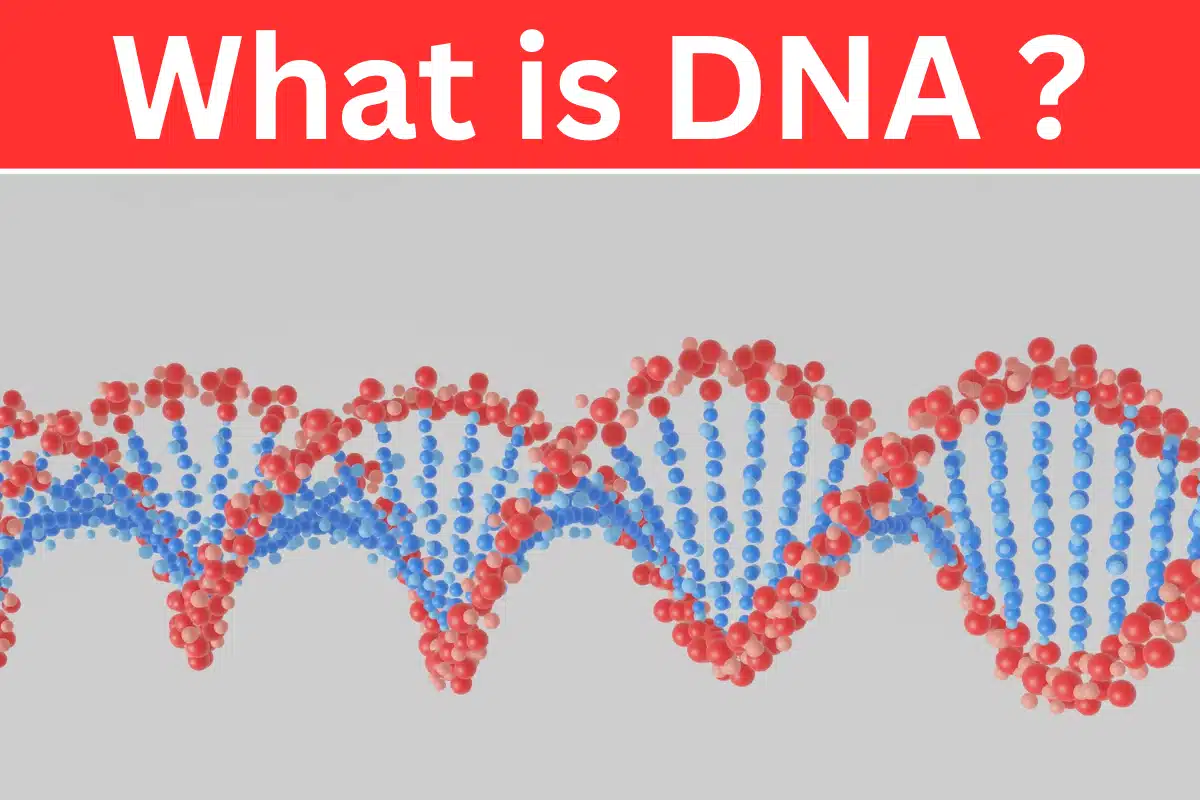
DNA 101: Exploring the Building Blocks of Life
DNA 101: Exploring the Building Blocks of Life Every living organism relies on a microscopic marvel to function: deoxyribonucleic acid.
This complex molecule holds the genetic code that shapes everything from eye color to disease resistance.
Often called life’s instruction manual, it guides the creation of proteins that build and maintain our bodies.

Nearly identical copies of this genetic material exist in almost every cell. While 99% of human DNA is shared across the population, the remaining 1% creates the diversity we see in traits and appearances.
These subtle differences explain why each person’s biological blueprint remains entirely unique.
The molecule’s double-helix structure efficiently stores vast amounts of information. With roughly 3 billion chemical bases, it directs daily cellular activities and long-term growth.
Beyond inheritance, DNA actively participates in repairing tissues, fighting infections, and adapting to environmental changes.
Key Takeaways – DNA 101: Exploring the Building Blocks of Life
- Serves as the biological blueprint for all living organisms
- Contains identical genetic material in nearly every human cell
- Features a unique code that determines individual characteristics
- Transmits hereditary information across generations
- Directs essential cellular processes throughout life
- Stores genetic data efficiently in its compact double-helix form
- Drives advancements in medicine, agriculture, and forensic science
Fundamentals of DNA Structure
The blueprint of life is encoded in a twisted ladder shape visible only through advanced microscopy. This spiral framework contains precise chemical patterns that dictate biological functions across species.
The Double Helix Explained
Two strands wind around each other like vines on a molecular trellis. This double helix arrangement resembles a flexible staircase, with rigid base pairs forming its steps. The sides of this genetic ladder consist of alternating sugar and phosphate molecules.
Twisting occurs naturally due to chemical bonds between complementary strands. This coiled design protects genetic information while allowing easy access during cellular replication. Stability comes from hydrogen bonds between paired bases – nature’s answer to secure data storage.
Understanding Base Pairs and Nucleotides
Four nitrogenous bases – adenine, thymine, cytosine, and guanine – create the ladder’s rungs through specific partnerships. Each nucleotide contains one base attached to a sugar-phosphate unit. These building blocks link vertically to form the helix’s backbone.
Precision in base pairing ensures error-free genetic copying. Adenine always bonds with thymine, while cytosine pairs with guanine. This strict code maintains structural integrity across generations of cell division.
Understanding what is dna and Its Role in Genetics
Genetic material acts as nature’s most sophisticated programming language. Its chemical patterns dictate how cells develop, interact, and sustain life processes. This biological coding system contains precise instructions that influence everything from metabolism to inherited traits.
Defining Genetic Instructions
Four chemical letters – A, T, C, G – form the alphabet of life. Their arrangement creates meaningful biological commands, much like letters forming sentences. Specific sequences determine which proteins get manufactured, directly affecting physical characteristics and bodily functions.
Genes act as distinct chapters in this molecular manual. Each contains complete directions for building particular proteins that repair tissues or regulate growth. For example, one gene might code for collagen production, while another governs hemoglobin creation.
The body relies on accurate interpretation of these genetic messages. Errors in base pair sequencing can alter protein structures, potentially leading to health conditions. Proper translation ensures cells respond correctly to environmental changes and maintain internal balance.
Variations in genetic code explain why individuals exhibit unique traits. Subtle differences in gene sequences account for diverse hair textures, blood types, and disease resistances. These variations highlight how precise molecular instructions shape biological diversity across populations.
DNA: The Blueprint for Life
Life’s molecular machinery operates through precise genetic commands stored in our biological blueprint. This intricate system determines how cells build proteins essential for survival and specialization. From regulating metabolism to defending against pathogens, these molecular directives shape every organism‘s capabilities.
Genes, Proteins, and Cellular Functions
Genes act as molecular architects, holding instructions for constructing specific proteins. These biological workers perform critical tasks:
| Component | Role | Impact |
|---|---|---|
| Genes | Provide assembly instructions | Determine protein structure |
| Proteins | Act as cellular tools | Enable chemical reactions |
| Cells | Utilize protein workers | Maintain bodily functions |
Specialized proteins enable cells to communicate, replicate, and repair damage. Enzymes accelerate chemical processes, while structural proteins maintain tissue integrity. Immune proteins identify invaders, showcasing the system’s defensive capabilities.
Gene expression controls when and where proteins appear in the body. This regulation ensures heart cells produce different tools than brain cells, despite sharing identical genetic blueprints. Errors in these instructions can disrupt cellular operations, highlighting DNA’s vital role in health maintenance.
DNA Replication and Its Importance in Cell Division
Cellular reproduction hinges on a precise molecular process that copies genetic instructions. This mechanism ensures every new cell receives an exact replica of biological data. Without this flawless system, organisms couldn’t grow or repair tissues effectively.
Mechanism of DNA Replication
Specialized enzymes unzip the double helix, separating its two strands. Each original strand serves as a template for building complementary counterparts. DNA polymerase molecules assemble nucleotides in strict A-T and C-G pairings, creating identical strands.
The process resembles a molecular assembly line. Proofreading enzymes scan for errors, correcting mismatches to maintain genetic accuracy. This quality control prevents harmful mutations during cell division.
DNA’s Critical Role in Mitosis
Before cells split, the nucleus doubles its genetic material through replication. Each daughter cell inherits one complete set of instructions. This precision enables tissues to regenerate without losing functional integrity.
Errors in copying can disrupt cellular operations. Faulty replication sometimes triggers uncontrolled growth – a hallmark of cancerous cells. Proper duplication ensures genetic stability across generations of dividing cells.
Chemical Components of DNA
Life’s molecular architecture relies on precise chemical bonds between specialized components. Four nitrogen-rich bases form the core language of genetic coding: adenine, thymine, guanine, and cytosine. These molecular letters combine in specific patterns to store biological instructions.
Building Blocks of Genetic Code
Adenine partners exclusively with thymine through two hydrogen bonds, while guanine links to cytosine via three. This strict pairing rule ensures accurate information transfer during cell division. The bonds create ladder-like rungs within the iconic double-helix structure.
Deoxyribose sugar molecules alternate with phosphate groups to form twisting backbone chains. These covalent bonds provide structural rigidity while allowing flexibility for DNA coiling. The backbone shields delicate base pairs from chemical damage without hindering cellular access.
Each complete nucleotide contains one base attached to a sugar-phosphate unit. Over three billion nucleotides assemble into chromosomes, storing enough data to fill 200 phone books. This compact design maximizes information density while maintaining molecular stability.
Chemical variations between bases enable specialized functions. Guanine-cytosine pairs form stronger connections than adenine-thymine matches, influencing DNA’s physical properties. These subtle differences affect how genetic material unwinds during protein synthesis or repairs damaged sequences.
DNA Mutations and Their Impact on Organisms
Genetic material remains dynamic through constant molecular adjustments. These alterations in base sequences – called mutations – can reshape biological instructions. While some changes go unnoticed, others profoundly affect health and development.

Common Types of Mutations
Three primary mutation categories influence genetic coding:
| Type | Description | Health Impact |
|---|---|---|
| Point Mutation | Single base substitution | May alter protein structure |
| Insertion | Extra bases added | Disrupts reading frame |
| Deletion | Bases removed | Causes functional errors |
Environmental factors like UV radiation often trigger harmful changes. Spontaneous errors during cell division also introduce variations. Most mutations occur in non-coding regions, minimizing consequences.
Beneficial mutations drive evolutionary adaptations. A classic example involves antibiotic resistance in bacteria. Harmful versions may disable critical genes, leading to conditions like cystic fibrosis.
Modern sequencing tools detect sequence variations with precision. This capability aids in personalized medicine and genetic counseling. Researchers analyze mutation patterns to predict disease risks and develop targeted therapies.
DNA in Cellular Processes: Mitochondria vs Nucleus
Cellular energy production and genetic diversity stem from two distinct storage systems. The nucleus houses most genetic material, while mitochondria contain their own specialized code. These structures work in tandem to sustain life at the molecular level.
Genetic Storage Systems Compared
Nuclear DNA forms tightly packed chromosomes protected by a membrane. This arrangement safeguards 99% of cellular instructions for growth and development. In contrast, mitochondrial DNA appears as circular molecules floating freely in energy-producing organelles.
Each human cell contains thousands of mitochondrial DNA copies versus two nuclear sets. This abundance supports constant energy demands through rapid protein synthesis. The nucleus maintains strict replication protocols, while mitochondria replicate their genetic material independently during cell division.
| Feature | Nuclear DNA | Mitochondrial DNA |
|---|---|---|
| Structure | Linear chromosomes | Circular molecules |
| Inheritance | Both parents | Maternal only |
| Copies per cell | 2 | 100-10,000 |
Mutations in mitochondrial DNA often affect energy-intensive organs like muscles and nerves. Nuclear mutations typically influence broader developmental processes. Both systems rely on precise chemical bonds within the acid chains to maintain functional integrity across generations.
Conclusion
The molecular foundation of all biological systems lies in its essential building blocks. These microscopic structures carry information that shapes species survival and individual uniqueness. Their coiled structure – a precise ladder of base pairs – demonstrates nature’s genius in data compression.
Each strand within the double helix acts as a biological archive. Tightly packed into chromosomes, this system preserves genetic instructions across generations. The code directs cellular repair, growth patterns, and evolutionary adaptations.
Understanding these building blocks also unlocks medical breakthroughs. Researchers decode mutations to develop targeted therapies. Forensic experts trace lineages through chemical patterns in the ladder’s rungs.
From identical twins to distinct species, life’s diversity stems from variations in base pairs. Yet all organisms share the same molecular language – proof of our common biological heritage. This universal code continues to reshape science, agriculture, and our grasp of life itself.
FAQ
How does the double helix shape influence genetic stability?
The twisted ladder structure of the double helix protects genetic material. Its two strands are tightly coiled, reducing damage risks while allowing efficient replication during cell division. This design also enables easy access for protein synthesis.
Why are adenine-thymine and guanine-cytosine pairs essential?
These base pairs form specific hydrogen bonds that maintain DNA’s structural integrity. Adenine bonds with thymine, while guanine pairs with cytosine, ensuring accurate replication and minimizing errors during cellular processes like mitosis.
How do mutations in nucleotides affect an organism’s health?
Changes in nucleotide sequences alter genetic instructions. Some mutations disrupt protein production, leading to conditions like sickle cell anemia. Others remain harmless or provide evolutionary advantages, depending on their location in chromosomes.
What distinguishes mitochondrial DNA from nuclear DNA?
Mitochondrial DNA exists in circular structures outside the nucleus and lacks protective proteins. It’s inherited maternally and contains 37 genes critical for energy production, unlike nuclear DNA’s 20,000+ genes stored in linear chromosomes.
How does the sugar-phosphate backbone contribute to DNA function?
This backbone provides structural support, linking nucleotides into chains. Its alternating deoxyribose and phosphate groups create polarity, guiding enzymes during replication and repair processes essential for maintaining genetic fidelity.
Can changes in gene expression occur without DNA sequence alterations?
Yes. Epigenetic modifications like methylation influence gene activity without changing the underlying code. These adjustments affect how cells read genes, impacting traits and disease risks while preserving the original nucleotide sequence.

Dr. Shabbir Hussain, BPT
Registered Physiotherapist | Clinical Rehabilitation Specialist
Maharashtra OTPT Council Reg. No.: PR-2021/08/PT/009532
Society of Onco Physiotherapists Reg. No.: SOP/00033/LM
Dr. Shabbir Hussain, BPT, Registered Physiotherapist with over 8 years of experience in physiotherapy, kidney rehabilitation, oncological rehabilitation, and lymphedema management. He specializes in balance disorders, pain management, musculoskeletal rehabilitation, strengthening programs, and VR-based rehabilitation.