climate change
You may think climate change is just about melting glaciers or rising sea levels—but the real danger is much closer… inside your body.
Every year, millions suffer from heat-related illnesses, breathing disorders, infections, and mental stress—all silently linked to climate change. Most people ignore early signs like fatigue, headaches, breathlessness, or worsening joint pain—until it becomes serious.
The biggest mistake? Treating climate change as an environmental issue, not a health emergency.
If ignored, it doesn’t just affect the planet—it slowly damages your lungs, heart, brain, and overall quality of life.
What Is Climate Change?
Climate change refers to long-term shifts in temperature, weather patterns, and environmental conditions, primarily caused by human activities like fossil fuel burning, deforestation, and industrial pollution.
According to the World Health Organization (WHO), climate change is now “the greatest threat to global health in the 21st century.”
It directly and indirectly impacts:
- Air quality
- Water safety
- Food systems
- Disease patterns
These environmental changes translate into real medical conditions affecting millions worldwide.
🚨 What Happens If You Ignore It?
Climate change is not a future risk—it’s already causing:
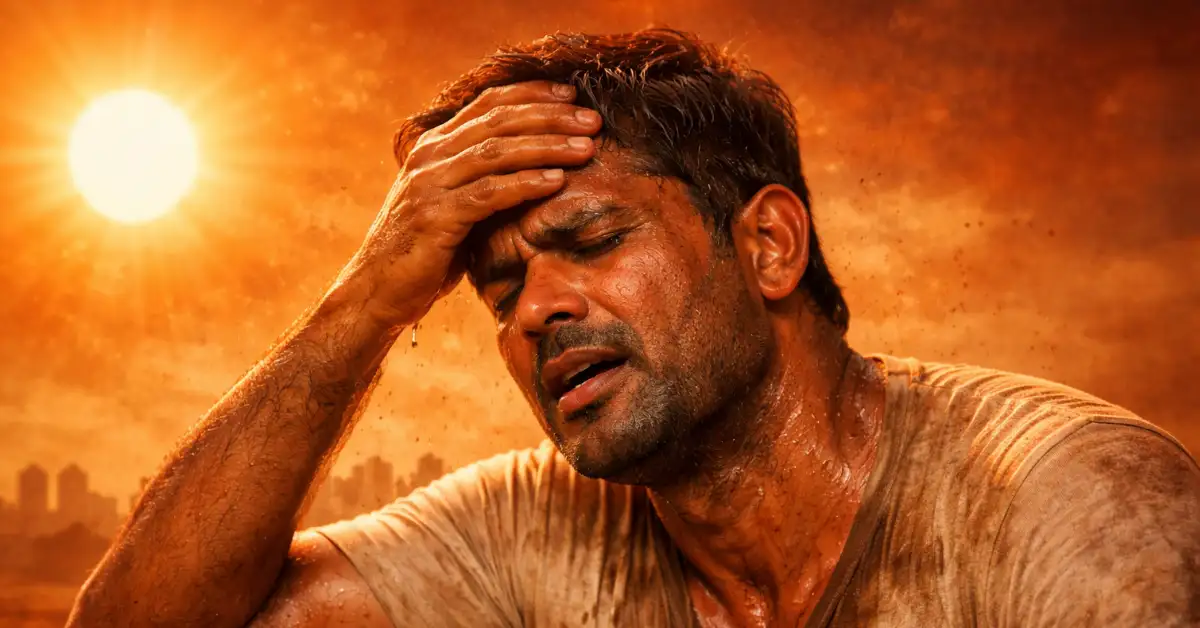
🔥 Heat-Related Illnesses
- Heat exhaustion and heatstroke
- Kidney damage due to dehydration
- Increased mortality during heatwaves
📊 WHO estimates 250,000 additional deaths annually between 2030–2050 due to climate-related health issues.
🌫️ Air Pollution & Lung Damage
- Asthma worsening
- Chronic obstructive pulmonary disease (COPD)
- Increased risk of lung cancer
Fine particulate matter (PM2.5) exposure is linked with cardiovascular and respiratory diseases.
🦠 Spread of Infectious Diseases
- Dengue, malaria, and viral infections increasing
- Warmer climates allow vectors (mosquitoes) to spread faster
🧠 Mental Health Crisis
- Anxiety, depression, and climate stress (“eco-anxiety”)
- Trauma after extreme weather events
🦴 Musculoskeletal & Physiotherapy Impact
- Joint pain worsens in extreme temperatures
- Reduced physical activity due to heat → muscle weakness
- Increased risk of falls and fatigue
Causes & Risk Factors
🌍 Environmental Factors
- Rising global temperatures
- Air pollution
- Extreme weather events
🧬 Medical Risk Factors
- Pre-existing lung disease (asthma, COPD)
- Heart disease
- Diabetes
👶👴 Age-Related Risks
- Children (heat sensitivity)
- Elderly (poor thermoregulation)
👷 Occupational Risks
- Outdoor workers (farmers, construction workers)
- Industrial exposure to pollutants
Warning Signs & Symptoms
⚠️ Don’t Ignore These Signs:
Early Signs:
- Fatigue
- Headache
- Mild breathlessness
- Excessive sweating
Advanced Symptoms:
- Chest pain
- Severe dehydration
- Confusion (heatstroke)
- Persistent cough or wheezing
- Dizziness or fainting
Diagnosis & Clinical Standards
Doctors use a combination of:
🧪 Diagnostic Tools:
- Pulmonary function tests (for lung damage)
- Blood tests (electrolytes, infection markers)
- Heat stress assessment
- Imaging (X-ray, CT for severe cases)
📘 Clinical Guidelines:
Gold Standard: Early identification of environmental exposure + symptom correlation.
✅ What Actually Works
🏃 Physiotherapy & Lifestyle Interventions
- Regular low-intensity exercise (morning/evening)
- Breathing exercises for lung health
- Hydration-focused rehabilitation
🌬️ Air Quality Protection
- Use N95 masks in polluted areas
- Indoor air purifiers
- Avoid peak pollution hours
💧 Heat Protection
- Stay hydrated (3–4 liters/day in hot climates)
- Wear loose, light clothing
- Avoid outdoor activity during peak heat
🥗 Nutrition Support
- Antioxidant-rich foods (fruits, vegetables)
- Electrolyte balance
❌ Common Myths (Debunked)
- “Only elderly are at risk” ❌
- “Heatstroke happens suddenly” ❌
- “Pollution only affects lungs” ❌
👉 Truth: Climate change affects every organ system.
Prevention & Daily Habits
🌿 Daily Protection Strategy:
- Monitor AQI (Air Quality Index)
- Stay indoors during extreme heat alerts
- Maintain hydration routine
- Practice daily breathing exercises
- Use sun protection (caps, sunscreen)
- Improve home ventilation
🌎 Public Health Actions:
- Reduce carbon footprint
- Support green initiatives
- Promote clean air policies
FAQs
1. Is climate change affecting human health directly?
Yes. It causes heat stress, respiratory diseases, infections, and mental health disorders.
2. Can climate-related health issues be reversed?
Early-stage conditions can improve with proper care, but long-term exposure may cause permanent damage.
3. How long does recovery take?
Depends on severity—mild cases recover in days, while chronic exposure effects may take months.
4. Can physiotherapy help in climate-related health issues?
Yes. It improves lung function, physical endurance, and reduces fatigue and joint pain.
5. What are the biggest mistakes people make?
Ignoring hydration, exposure to pollution, and early symptoms.
6. Who is most at risk?
Children, elderly, outdoor workers, and people with chronic diseases.
7. How can I protect myself daily?
Stay hydrated, monitor air quality, avoid extreme weather exposure, and maintain physical fitness.
📚 References
World Health Organization. (2023). Climate change and health. https://www.who.int/news-room/fact-sheets/detail/climate-change-and-health
Centers for Disease Control and Prevention. (2022). Climate Effects on Health. https://www.cdc.gov/climateandhealth
National Institutes of Health. (2021). Climate Change and Human Health. https://www.nih.gov
PubMed Study: Watts, N., et al. (2021). The Lancet Countdown on health and climate change. The Lancet. https://doi.org/10.1016/S0140-6736(21)01787-6

Dr. Shabbir Hussain, BPT
Registered Physiotherapist | Clinical Rehabilitation Specialist
Maharashtra OTPT Council Reg. No.: PR-2021/08/PT/009532
Society of Onco Physiotherapists Reg. No.: SOP/00033/LM
Dr. Shabbir Hussain, BPT, Registered Physiotherapist with over 8 years of experience in physiotherapy, kidney rehabilitation, oncological rehabilitation, and lymphedema management. He specializes in balance disorders, pain management, musculoskeletal rehabilitation, strengthening programs, and VR-based rehabilitation.