
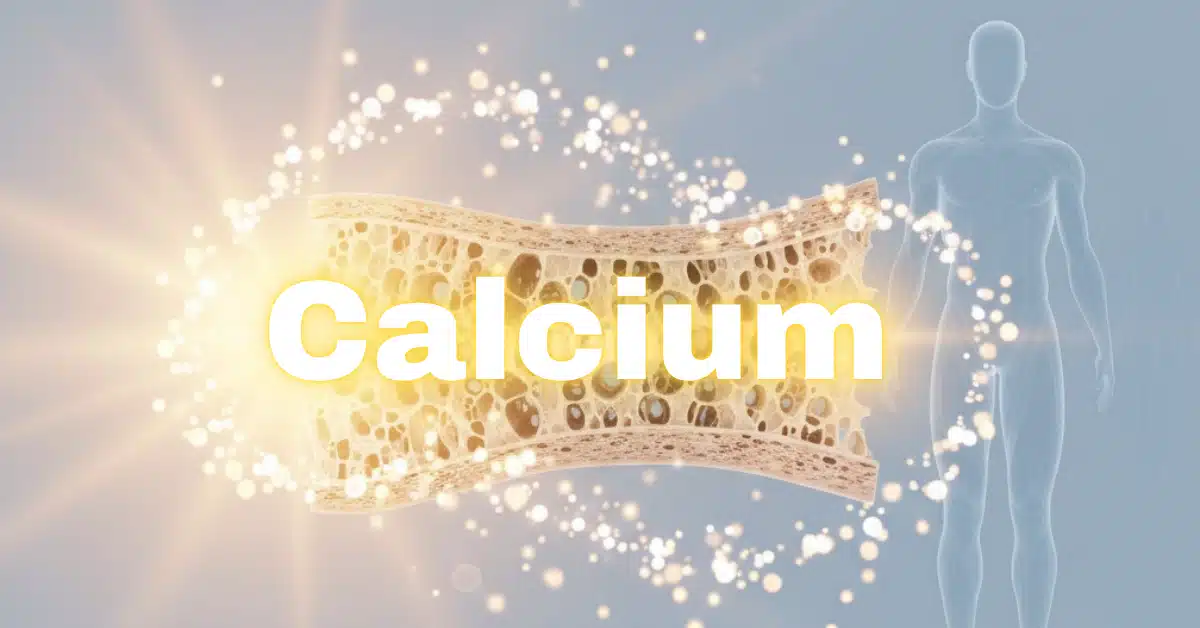
Why Calcium Alone Can’t Prevent Osteoporosis
Maintaining strong bones is crucial for overall health, and osteoporosis prevention is a significant concern for many individuals, particularly in India where the prevalence is rising.
While calcium supplements are often touted as a solution, relying solely on them may not be enough to prevent osteoporosis. A more comprehensive approach to bone health is necessary.

Understanding the limitations of calcium supplements is the first step towards a more effective strategy for maintaining bone density and preventing fractures.
Key Takeaways – Why Calcium Alone Can’t Prevent Osteoporosis
- Osteoporosis prevention requires a multi-faceted approach.
- Calcium supplements have limitations in preventing osteoporosis.
- A comprehensive bone health strategy is essential.
- Bone density maintenance is crucial for overall health.
- Effective osteoporosis prevention involves lifestyle changes and more.
Understanding Osteoporosis: Beyond Calcium Deficiency
Understanding osteoporosis requires looking beyond the common misconception that it’s solely about calcium deficiency. Osteoporosis is a complex condition characterized by weakened bones, making them more susceptible to fractures. This condition affects millions worldwide and is influenced by a multitude of factors including genetics, lifestyle, and nutritional deficiencies.
What Happens to Bones During Osteoporosis
During osteoporosis, bones undergo significant changes. The bone density decreases due to an imbalance between bone formation and bone resorption, leading to a porous and fragile skeletal structure. This condition often progresses silently until a fracture occurs, highlighting the importance of preventive measures and early diagnosis.
The Prevalence and Impact of Osteoporosis in India
Osteoporosis is a significant health concern in India, affecting a large portion of the population. The prevalence is higher among postmenopausal women and the elderly. The impact is not just physical but also economic and social, with a substantial burden on healthcare systems.
| Age Group | Prevalence of Osteoporosis | Risk Factors |
|---|---|---|
| 50-60 years | Moderate | Menopause, Sedentary Lifestyle |
| 60+ years | High | Aging, Calcium Deficiency |
Common Misconceptions About Bone Health
There are several misconceptions about bone health, including the belief that osteoporosis only affects older adults or that it’s solely caused by a lack of calcium. In reality, bone health is influenced by a variety of factors including diet, physical activity, and genetics. Understanding these factors is crucial for prevention and management.
By dispelling these misconceptions and understanding the true nature of osteoporosis, individuals can take proactive steps towards maintaining strong bone health. This includes adopting a balanced diet, engaging in regular physical activity, and avoiding harmful lifestyle habits.
The Role of Calcium in Bone Health
Calcium is a crucial nutrient for maintaining strong bones, and its role in bone health cannot be overstated. It is the most abundant mineral in the human body, and a significant portion of it is stored in bones and teeth.
How Calcium Contributes to Bone Structure
Calcium contributes to bone structure by being a key component of hydroxyapatite, the main mineral found in bones. This mineral gives bones their strength and rigidity. Adequate calcium intake is necessary for the development and maintenance of bone density.
Recommended Daily Calcium Intake for Different Age Groups
The recommended daily calcium intake varies by age. For adults, the recommended intake is 1,000 mg per day, increasing to 1,200 mg per day for women over 50 and men over 70. Ensuring adequate intake is crucial for maintaining bone health across different life stages.
Calcium-Rich Foods in the Indian Diet
In the Indian diet, calcium-rich foods include dairy products like milk, cheese, and yogurt, as well as certain leafy greens and nuts. Incorporating these foods into one’s diet can help meet daily calcium needs. Examples include ragi (finger millet), which is rich in calcium, and sesame seeds.
Why Only Taking Calcium Supplements Cannot Prevent Osteoporosis
Relying solely on calcium supplements is insufficient for preventing osteoporosis. While calcium is crucial for bone health, osteoporosis is a complex condition influenced by multiple factors, including other nutrients, lifestyle, and genetics.
The Limitations of Calcium Supplementation
Calcium supplements can help bridge the gap between dietary calcium intake and the body’s needs. However, they have limitations. Calcium supplementation alone does not address other critical nutrients necessary for bone health, such as vitamin D, magnesium, and vitamin K2. Moreover, the effectiveness of calcium supplements can be influenced by factors like the type of calcium used, the presence of other nutrients, and individual absorption capabilities.
Absorption Issues and Bioavailability
One of the significant challenges with calcium supplementation is absorption. Not all calcium is created equal; different forms of calcium have varying levels of bioavailability. For instance, calcium citrate is generally better absorbed than calcium carbonate, especially in individuals with reduced stomach acid. Furthermore, factors like vitamin D status, stomach pH, and the presence of other minerals can significantly impact calcium absorption.
Potential Risks of Excessive Calcium Intake
While calcium is essential, excessive intake can lead to adverse effects. High doses of calcium supplements have been associated with an increased risk of kidney stones, cardiovascular events, and gastrointestinal issues like constipation. It’s crucial to balance the need for calcium with the risk of excessive intake, especially for individuals with pre-existing health conditions or those taking certain medications.
In conclusion, while calcium supplements can be a valuable component of osteoporosis prevention, they should be part of a comprehensive strategy that includes a balanced diet, other essential nutrients, and lifestyle modifications. Consulting with a healthcare provider to determine the best approach for individual needs is recommended.
Vitamin D: Calcium’s Essential Partner
Vitamin D plays a pivotal role in bone health by enhancing calcium absorption. It is not just about consuming calcium; the body needs Vitamin D to effectively utilize this calcium.
How Vitamin D Facilitates Calcium Absorption
Vitamin D helps in the absorption of calcium from the gut, ensuring that the calcium consumed through diet or supplements is effectively used by the body. This dual action of Vitamin D and calcium is crucial for maintaining strong bones.
Vitamin D Deficiency in the Indian Population
Vitamin D deficiency is a significant concern in India due to factors like limited sunlight exposure, skin pigmentation, and inadequate dietary intake. This deficiency can lead to weakened bones and increased risk of osteoporosis.
Sources of Vitamin D: Sunlight and Diet
The primary source of Vitamin D is sunlight. However, dietary sources like fatty fish, egg yolks, and fortified foods also contribute to Vitamin D levels. In India, where sunlight is abundant, sensible sun exposure can help maintain adequate Vitamin D levels.
Ensuring adequate Vitamin D intake is crucial for effective calcium absorption and overall bone health. This can be achieved through a combination of sun exposure, diet, and supplements if necessary.
Other Critical Nutrients for Bone Health
Beyond calcium, several key nutrients are essential for optimal bone health and osteoporosis prevention. A well-balanced diet that includes these nutrients can significantly contribute to maintaining strong bones.
Magnesium and Its Role in Bone Formation
Magnesium is a crucial mineral for bone health, involved in bone mineralization and density. It helps regulate calcium metabolism and is essential for the proper utilization of calcium in the body.
Magnesium-rich foods in the Indian diet: Dark leafy greens like spinach, nuts, and seeds.
Vitamin K2 for Proper Calcium Utilization
Vitamin K2 plays a vital role in directing calcium to bones and teeth, rather than soft tissues like arteries. This helps prevent arterial calcification and promotes bone mineralization.
Indian sources of Vitamin K2: Fermented foods like natto and certain cheeses.
Trace Minerals: Zinc, Manganese, and Boron
Trace minerals such as zinc, manganese, and boron are essential for maintaining bone health. Zinc supports immune function and bone growth, manganese is involved in bone mineralization, and boron helps maintain bone density.
Indian Food Sources for These Essential Nutrients
These trace minerals can be found in various Indian foods:
- Zinc: Legumes, nuts, and seeds.
- Manganese: Whole grains, nuts, and leafy vegetables.
- Boron: Fruits like apples and pears, and vegetables like broccoli.
| Nutrient | Role in Bone Health | Indian Food Sources |
|---|---|---|
| Magnesium | Bone mineralization and density | Dark leafy greens, nuts, seeds |
| Vitamin K2 | Directs calcium to bones | Fermented foods like natto |
| Zinc | Supports immune function and bone growth | Legumes, nuts, seeds |
| Manganese | Involved in bone mineralization | Whole grains, nuts, leafy vegetables |
| Boron | Maintains bone density | Fruits like apples and pears, broccoli |
Incorporating these nutrients into your diet can significantly enhance bone health and contribute to osteoporosis prevention. A balanced diet combined with appropriate lifestyle changes can provide bone health tips that are effective and sustainable.
The Impact of Physical Activity on Bone Density
Physical activity is a key factor in building and maintaining bone health throughout one’s life. Engaging in regular exercise not only strengthens bones but also improves overall health and well-being. The right type and amount of physical activity can significantly enhance bone density, reducing the risk of osteoporosis and fractures.
Weight-Bearing Exercises for Stronger Bones
Weight-bearing exercises are particularly effective in promoting bone health. These exercises, which include walking, running, and dancing, work by forcing the muscles and bones to work against gravity, thereby strengthening them. Regular weight-bearing exercise can stimulate bone growth and increase bone density, making bones more resilient to fractures.

Resistance Training Benefits for Bone Health
Resistance training, such as weightlifting, is another effective way to improve bone density. By placing a load on the bones, resistance exercises stimulate bone growth and strengthen the skeletal system. Incorporating resistance training into one’s fitness routine can have a significant impact on bone health, particularly when combined with weight-bearing exercises.
Traditional Indian Physical Activities That Promote Bone Strength
Traditional Indian physical activities, such as yoga and certain forms of dance, can also contribute to bone health. These activities not only improve flexibility and balance but also promote bone density through weight-bearing movements. Yoga, in particular, has been shown to improve bone health by reducing inflammation and promoting overall well-being.
- Yoga: Enhances flexibility, balance, and bone density.
- Dance: Provides a fun way to engage in weight-bearing exercise.
- Brisk walking: Easy to incorporate into daily life, promoting bone health.
By incorporating a mix of weight-bearing exercises, resistance training, and traditional physical activities, individuals can take a holistic approach to improving bone density and preventing osteoporosis.
Risk Factors for Osteoporosis in the Indian Context
Understanding the risk factors for osteoporosis is crucial in the Indian context, where lifestyle and dietary habits vary widely. Osteoporosis is a complex condition influenced by a multitude of factors, making it essential to identify and address these risks to prevent bone loss.
Genetic and Ethnic Factors
Genetic predisposition plays a significant role in the development of osteoporosis. Certain ethnic groups within India may have a higher risk due to genetic factors. For instance, studies have shown that individuals of South Asian descent may have a different bone density profile compared to other ethnic groups.
Dietary Patterns and Nutritional Deficiencies
Dietary habits significantly impact bone health. In India, where vegetarian diets are common, it’s crucial to ensure adequate intake of calcium and vitamin D. Nutritional deficiencies, particularly in vitamin D and calcium, are prevalent and can increase the risk of osteoporosis.
Nutritional Elements Crucial for Bone Health:
| Nutrient | Importance for Bone Health | Common Indian Food Sources |
|---|---|---|
| Calcium | Essential for bone structure | Milk, paneer, leafy greens |
| Vitamin D | Facilitates calcium absorption | Sunlight, fortified dairy products |
| Magnesium | Involved in bone mineralization | Nuts, seeds, whole grains |
Lifestyle Factors Unique to Urban and Rural India
Lifestyle factors, including physical activity levels and smoking habits, vary between urban and rural populations in India. Urban dwellers often lead more sedentary lifestyles, while rural populations may engage in more physical labor, impacting bone density differently.
The Impact of Vegetarian Diets on Bone Health
Vegetarian diets, common in India due to cultural and religious beliefs, can be beneficial for bone health if well-planned. However, they require careful attention to ensure adequate intake of certain nutrients like vitamin B12 and omega-3 fatty acids, which are crucial for overall health.
By understanding these risk factors and making informed lifestyle choices, individuals can significantly reduce their risk of developing osteoporosis. It’s essential to adopt a holistic approach that includes a balanced diet, regular exercise, and avoiding harmful habits like smoking.
Lifestyle Habits That Accelerate Bone Loss
Certain daily habits can significantly accelerate bone loss, putting you at a higher risk of osteoporosis. Understanding these habits is crucial for maintaining strong bones throughout your life. Lifestyle factors, including smoking, alcohol consumption, physical activity levels, diet, and stress management, play a significant role in bone health.
Smoking and Alcohol Consumption
Smoking is a well-documented risk factor for osteoporosis. It damages bone health by reducing blood flow to the bones, decreasing calcium absorption, and affecting hormone levels. Similarly, excessive alcohol consumption can negatively impact bone density by interfering with calcium balance and hormone production necessary for bone health.
Sedentary Lifestyle Consequences
A sedentary lifestyle is another significant risk factor for bone loss. Regular physical activity, especially weight-bearing and resistance exercises, is essential for maintaining bone density. Exercise stimulates bone formation and strengthens muscles, which in turn supports bone health.
High Caffeine and Sodium Intake
High intake of caffeine and sodium can also have detrimental effects on bone health. Caffeine can interfere with calcium absorption, while high sodium intake can increase calcium excretion in the urine. Being mindful of caffeine and sodium intake is part of effective osteoporosis prevention strategies.
Stress and Its Effect on Bone Metabolism
Chronic stress can have a negative impact on bone health by affecting hormone levels, including an increase in cortisol, a hormone that can interfere with bone formation. Managing stress through relaxation techniques and maintaining a balanced lifestyle is crucial for overall bone health.
| Lifestyle Habit | Impact on Bone Health | Bone Health Tip |
|---|---|---|
| Smoking | Reduces blood flow to bones, decreases calcium absorption | Quit smoking to improve bone health |
| Excessive Alcohol Consumption | Interferes with calcium balance and hormone production | Limit alcohol intake to moderate levels |
| Sedentary Lifestyle | Leads to reduced bone density | Engage in regular weight-bearing and resistance exercises |
| High Caffeine Intake | Interferes with calcium absorption | Monitor and limit caffeine intake |
| High Sodium Intake | Increases calcium excretion | Reduce sodium intake to minimize calcium loss |

By understanding and modifying these lifestyle habits, individuals can take significant steps towards maintaining strong bones and preventing osteoporosis. Incorporating bone health tips into daily life, such as a balanced diet, regular exercise, and stress management, can make a substantial difference in long-term bone health.
Medical Approaches to Osteoporosis Prevention and Treatment
Osteoporosis prevention and treatment require a multifaceted approach that goes beyond just calcium supplementation. While calcium is crucial for bone health, a comprehensive strategy involving medical professionals, lifestyle changes, and sometimes medication is necessary for effective management.
When to Seek Professional Help
It’s essential to consult a healthcare provider if you have risk factors for osteoporosis, such as a family history of the condition, or if you’ve experienced a fracture. Early assessment can lead to timely intervention.
Bone Density Testing and Interpretation
Bone density testing, typically conducted through a DEXA scan, is a critical tool for diagnosing osteoporosis. Understanding your bone density score helps healthcare providers recommend appropriate treatments.
Medications and Treatments Available in India
Various medications are available in India for treating osteoporosis, including bisphosphonates, hormone therapy, and denosumab. The choice of medication depends on the patient’s overall health, the severity of osteoporosis, and other factors.
Integrating Ayurvedic and Modern Medical Approaches
Some individuals may benefit from integrating Ayurvedic practices with modern medical treatments. Ayurvedic therapies can complement conventional treatments by focusing on diet, lifestyle, and herbal remedies.
Key Considerations:
- Consult a healthcare professional before starting any treatment.
- Understand the risks and benefits associated with different medications.
- Combine medical treatment with lifestyle changes for optimal results.
Conclusion: Building and Maintaining Strong Bones for Life
Preventing osteoporosis requires a comprehensive approach that goes beyond just taking calcium supplements. As discussed, a combination of a balanced diet rich in essential nutrients, regular physical activity, and a healthy lifestyle is crucial for maintaining strong bones.
Following bone health tips such as consuming a diet rich in calcium, vitamin D, and other critical nutrients, and engaging in weight-bearing exercises can significantly contribute to osteoporosis prevention. It’s also important to be aware of the limitations and potential risks associated with calcium supplementation, understanding why only taking calcium supplements cannot prevent osteoporosis.
By adopting a holistic approach to bone health, individuals can reduce their risk of osteoporosis and maintain strong bones throughout their lives. This includes being mindful of lifestyle habits that can accelerate bone loss and seeking professional help when necessary.
FAQ
What are the primary causes of osteoporosis?
Osteoporosis is caused by a combination of factors including hormonal changes, calcium and vitamin D deficiencies, and lifestyle factors such as a sedentary lifestyle, smoking, and excessive alcohol consumption.
Can calcium supplements alone prevent osteoporosis?
No, calcium supplements alone cannot prevent osteoporosis. While calcium is crucial for bone health, other nutrients like vitamin D, magnesium, and vitamin K2, as well as lifestyle factors such as exercise, play significant roles in maintaining bone density.
How does vitamin D impact bone health?
Vitamin D is essential for the absorption of calcium in the body. A deficiency in vitamin D can lead to weakened bones and increased risk of osteoporosis.
What are some effective exercises for improving bone density?
Weight-bearing exercises such as walking, running, and dancing, as well as resistance training, are effective for improving bone density. Traditional Indian physical activities like yoga can also contribute to stronger bones.
Are there any specific dietary patterns that can increase the risk of osteoporosis?
Yes, dietary patterns that are low in calcium and vitamin D, high in caffeine and sodium, and lacking in essential nutrients can increase the risk of osteoporosis. A balanced diet that includes calcium-rich foods, fruits, and vegetables is crucial for maintaining bone health.
How do lifestyle habits like smoking and alcohol consumption affect bone health?
Smoking and excessive alcohol consumption can negatively impact bone health by reducing bone density and increasing the risk of osteoporosis.
What is the role of magnesium in bone health?
Magnesium is crucial for bone formation and density. It helps in the regulation of calcium metabolism and is involved in the formation of bone mineral.
Can stress affect bone health?
Yes, chronic stress can have a negative impact on bone health by affecting hormone levels, including cortisol, which can interfere with bone metabolism.
When should one seek professional help for osteoporosis?
It is recommended to seek professional help if you have a family history of osteoporosis, have experienced a fracture, or are at risk due to other health conditions or medications. A healthcare professional can provide guidance on bone density testing and appropriate treatments.

Dr. Shabbir Hussain, BPT
Registered Physiotherapist | Clinical Rehabilitation Specialist
Maharashtra OTPT Council Reg. No.: PR-2021/08/PT/009532
Society of Onco Physiotherapists Reg. No.: SOP/00033/LM
Dr. Shabbir Hussain, BPT, Registered Physiotherapist with over 8 years of experience in physiotherapy, kidney rehabilitation, oncological rehabilitation, and lymphedema management. He specializes in balance disorders, pain management, musculoskeletal rehabilitation, strengthening programs, and VR-based rehabilitation.