
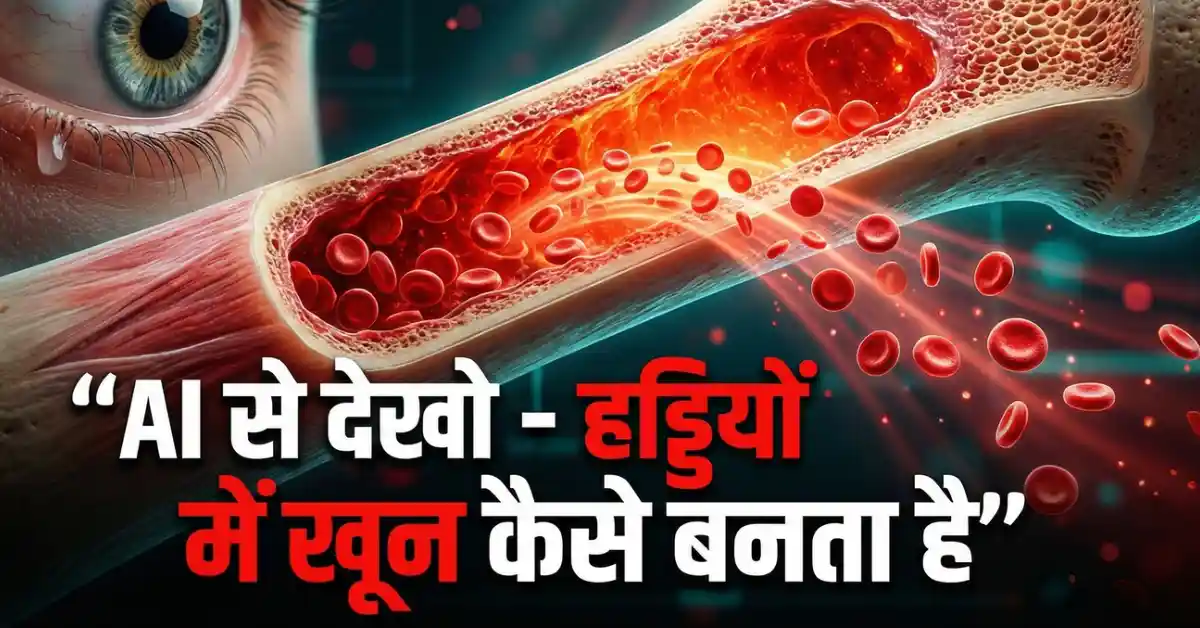
You depend on your Bone Marrow every minute of every day. It quietly manufactures the red cells that carry oxygen, the white cells that fight infection, and the platelets that stop bleeding — but when marrow function slips, life can change fast.
Many people miss early warning signs (fatigue, unexplained bruising, repeated infections) until a crisis occurs.
This article explains how marrow fails, what causes it, and — most importantly — what evidence-based steps you can take today to protect and rebuild it.
How bone marrow works
The marrow is a specialized microenvironment — a “niche” — of hematopoietic stem and progenitor cells (HSPCs) whose balance of self-renewal and differentiation creates all blood lineages.
Stressors such as severe infections, toxins, certain drugs, radiation, or autoimmune attacks can disrupt the niche and reduce cell production, producing anemia, low white cells, or thrombocytopenia.
Understanding this biology explains why prevention targets both exposures and the microenvironment that sustains stem cells.
Common causes of marrow failure — the threats to watch for
• Aplastic or hypoplastic marrow — often immune-mediated or drug/toxin-induced.
• Chemotherapy / radiation — predictable suppression of marrow (myelosuppression) that can be severe without prophylaxis.
• Inherited marrow-failure syndromes (rarer) and marrow infiltration by cancers or infections.
Immediate, evidence-based prevention & protection
- Limit avoidable exposures. Avoid known marrow toxins (certain benzene exposures, specific drugs, unregulated herbal medicines). Workplaces with chemical exposure need protective measures. Evidence ties environmental toxins to acquired marrow failure.
- If you’ll receive chemo/radiation — use clinical prophylaxis. Where indicated, guidelines recommend interventions such as dose adjustments, growth-factor support (e.g., G-CSF) or novel protective drugs to reduce severe neutropenia and hospitalizations. Follow oncology protocols and WHO/clinical society guidance.
- Nutrition & deficiency-correction. Iron, vitamin B12, and folate deficiencies are major, treatable causes of anemia worldwide; screening and correction are simple preventive steps.
- Vaccination & infection control. Preventing infections reduces marrow stress. Vaccination (per national schedules) and prompt treatment of serious infections lower complication risk.
- Work with specialists for autoimmune marrow conditions. For suspected aplastic anemia, early hematology referral allows immunosuppressive therapy or stem-cell transplant decisions that dramatically improve outcomes.
Clinical interventions
• Hematopoietic stem cell transplantation (HSCT) is curative for many severe marrow failures — but it requires specialist centers and follows strict WHO/clinical society frameworks for donor selection, safety, and ethics. WHO provides overarching principles on transplantation safety and access.
• Immunosuppression (for immune-mediated aplastic anemia) or supportive care with transfusions and growth factors are standard—timing is critical and guided by hematology protocols.
Rehabilitation & restoring function — the physiotherapy angle
Recovery from HSCT or prolonged marrow suppression is not just labs — it’s function.
Randomized and observational studies show that structured physical rehabilitation before and after transplant improves exercise capacity, functional independence, and quality of life.
Physiotherapy should be integrated early (prehabilitation), continued inpatient, and supported post-discharge for best outcomes.
What your doctor should check
> CBC with differential and reticulocyte count.
• Iron studies, B12, folate, renal & liver function.
• Review medications and occupational exposures.
• Early hematology referral for unexplained pancytopenia or severe cytopenias.
These steps align with peer-reviewed guidance and clinical standards for diagnosis and triage.
Takeaway — prevention beats cure
Bone-marrow problems often begin quietly. You can take practical steps today — correct nutritional deficiencies, avoid marrow toxins, follow vaccination guidance, and seek early specialist care when blood counts are abnormal.
If you or a family member faces chemo or a transplant, insist on clinic protocols for myeloprotection and structured rehab.
These are the evidence-backed steps that actually change outcomes.
The information provided on this website is intended for educational and informational purposes only and should not be considered medical advice, diagnosis, or treatment. Content related to bone marrow health, blood disorders, rehabilitation, or preventive care is based on publicly available medical research, clinical guidelines, and expert consensus from authoritative sources such as the World Health Organization (WHO) and peer-reviewed medical journals.
This content is not a substitute for professional medical consultation. Always seek the advice of a qualified physician, hematologist, or healthcare provider with any questions you may have regarding a medical condition, symptoms, or treatment options. Never ignore or delay seeking professional medical advice because of something you have read on this website.
Individual health conditions vary. Treatment decisions should be made in consultation with licensed medical professionals who are familiar with your personal medical history.
If you believe you are experiencing a medical emergency, seek immediate medical attention or contact your local emergency services.
Authoritative references
Lucas, D., & others. (2021). Structural organization of the bone marrow and its role in hematopoiesis. eLife / PMC. Retrieved from https://pmc.ncbi.nlm.nih.gov/articles/PMC7769132/
Wang, Y. X. (2025). Function of hematopoiesis and bone marrow niche in health and disease. PMC. Retrieved from https://pmc.ncbi.nlm.nih.gov/articles/PMC12076419/
Urbanowicz, I. (2021). Narrative review of aplastic anemia — the importance of early diagnosis and treatment. PubMed. Retrieved from https://pubmed.ncbi.nlm.nih.gov/33353360/
Yue, J. (2025). Chemotherapy-Induced Bone Marrow Suppression: trends and analysis. PMC. Retrieved from https://pmc.ncbi.nlm.nih.gov/articles/PMC11992476/
Watanabe, T. (2003). Guidelines for appropriate use of G-CSF. PubMed. Retrieved from https://pubmed.ncbi.nlm.nih.gov/12852340/

Dr. Shabbir Hussain, BPT
Registered Physiotherapist | Clinical Rehabilitation Specialist
Maharashtra OTPT Council Reg. No.: PR-2021/08/PT/009532
Society of Onco Physiotherapists Reg. No.: SOP/00033/LM
Dr. Shabbir Hussain, BPT, Registered Physiotherapist with over 8 years of experience in physiotherapy, kidney rehabilitation, oncological rehabilitation, and lymphedema management. He specializes in balance disorders, pain management, musculoskeletal rehabilitation, strengthening programs, and VR-based rehabilitation.