
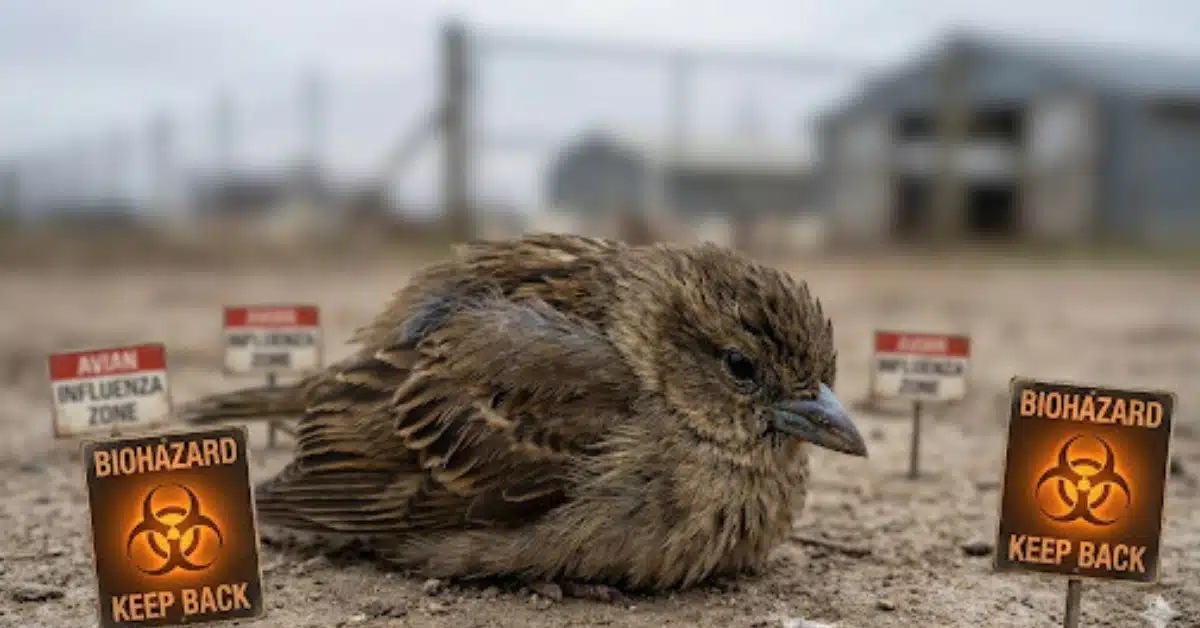
A recent surge in avian influenza cases has raised concerns globally, making it essential to understand the risks and take necessary precautions.
The warning signs are clear: the disease can spread rapidly among poultry and, in some cases, to humans, causing severe health issues.

As the situation continues to evolve, it’s crucial to stay informed and take proactive steps to protect yourself and your loved ones.
This article will delve into the alarming truth about bird flu and outline 5 powerful steps to stay safe in the face of this growing health concern.
Key Takeaways
- Understanding the risks associated with avian influenza
- Recognizing the warning signs of bird flu
- Learning the 5 powerful steps to stay safe
- Staying informed about the latest developments
- Taking proactive measures to protect yourself and your loved ones
What is Bird Flu: Understanding the Growing Threat
Bird flu, also known as avian influenza, is a growing health concern globally, particularly in countries with large poultry populations like India. The virus affects birds and can be transmitted to humans, causing severe illness.
The Science Behind Avian Influenza
Avian influenza is caused by the influenza A virus, with several subtypes identified based on the proteins hemagglutinin (H) and neuraminidase (N). The H5N1 virus is one of the most well-known subtypes that can infect humans and cause severe respiratory illness. Understanding the science behind avian influenza is crucial for developing effective diagnostic tools and treatment options.
How Bird Flu Transmits to Humans
The transmission to humans typically occurs through direct contact with infected birds or contaminated surfaces. People working in poultry farms, live bird markets, or involved in the handling of dead birds are at a higher risk of contracting the virus. Proper hygiene practices and the use of personal protective equipment (PPE) can significantly reduce the risk of transmission.
It’s essential to be aware of the risks and take preventive measures to minimize exposure to the virus. By understanding how bird flu transmits to humans, individuals can protect themselves and their communities from potential outbreaks.
The Alarming Truth: Bird Flu Outbreaks in India
It continues to spread across Indian states, the need for effective measures to combat the outbreak becomes increasingly urgent. The recent surge in avian influenza cases has raised significant concerns among health experts and the general public alike.
Recent Outbreaks Across Indian States
India has witnessed a disturbing rise in flu outbreaks across various states. The outbreak has affected major poultry-producing states, leading to significant losses in the poultry industry.
Impact on Poultry Industry and Public Health
The outbreak has had a devastating impact on India’s poultry industry, with millions of birds being culled to prevent the spread of the disease. This has not only affected the livelihoods of those dependent on the industry but also raised concerns about food security.
Economic Consequences
The economic consequences of the flu outbreak are significant, with estimated losses running into billions of rupees. The poultry industry is a major contributor to India’s agricultural GDP, and the outbreak has disrupted supply chains and led to a decline in consumer demand.
Health System Preparedness
India’s health system is also being tested by the outbreak. While the risk of human-to-human transmission is currently low, health authorities are working to enhance surveillance and preparedness measures to prevent a potential public health crisis.
| State | Number of Outbreaks | Birds Affected |
|---|---|---|
| Kerala | 5 | 100,000 |
| Haryana | 3 | 50,000 |
| Rajasthan | 2 | 20,000 |
Recognizing Bird Flu Symptoms: Early Warning Signs
Early detection relies heavily on being aware of its symptoms and seeking medical help promptly. Bird flu, or avian influenza, can manifest in humans with a range of symptoms, from mild to severe.
Common Symptoms in Humans
Bird flu symptoms in humans can vary, but there are common indicators to watch out for. These include:
Respiratory Symptoms
Respiratory issues are a primary concern, with symptoms such as coughing, sore throat, and pneumonia. These symptoms can escalate quickly, making prompt medical attention crucial.
Other Clinical Signs
In addition to respiratory symptoms, other clinical signs may include fever, headache, and muscle pain. In severe cases, bird flu can lead to more complicated conditions.
| Symptom | Description | Severity |
|---|---|---|
| Coughing | A persistent cough | Mild to Severe |
| Fever | High body temperature | Moderate to Severe |
| Sore Throat | Pain or discomfort in the throat | Mild to Moderate |
When to Seek Medical Attention
If you or someone you know is experiencing symptoms of bird flu, especially after being in contact with birds or visiting poultry markets, it’s essential to seek medical help immediately. Early intervention can significantly improve outcomes.
5 Powerful Steps to Protect Yourself from Bird Flu
Bird flu, or avian influenza, poses a significant threat, but there are effective measures you can take to minimize your risk. By following these steps, you can significantly reduce your chances of contracting the virus.
Step 1: Practice Proper Food Safety
One of the primary ways to prevent bird flu is by practicing proper food safety. This includes handling and cooking poultry products correctly.
Safe Cooking Temperatures
Cooking poultry to a safe internal temperature is crucial. Ensure that chicken and other poultry are cooked to at least 165°F (74°C) to kill any potential viruses.
Handling Raw Poultry
When handling raw poultry, it’s essential to prevent cross-contamination. Wash your hands thoroughly with soap and water, and clean any surfaces that have come into contact with the raw poultry.

Step 2: Maintain Good Hygiene Habits
Maintaining good hygiene habits is vital in preventing the spread of bird flu. Regularly washing your hands with soap and water, especially after coming into contact with birds or their environments, can significantly reduce the risk.
Step 3: Avoid Contact with Sick or Dead Birds
Avoiding contact with sick or dead birds is crucial. If you encounter a bird that appears to be sick or has died, do not touch it. Instead, contact local animal control or health authorities.
Step 4: Be Cautious in Poultry Markets
Poultry markets can be a source of bird flu transmission. When visiting these markets, avoid touching birds or surfaces that may have come into contact with them. Wear a mask if possible, and wash your hands as soon as you leave the market.
Step 5: Stay Informed About Local Outbreaks
Staying informed about local bird flu outbreaks can help you take timely precautions. Follow local health advisories and news reports to stay up-to-date on any outbreaks in your area.
By following these 5 powerful steps, you can significantly reduce your risk of contracting bird flu. Remember, prevention is key, and being proactive is your best defense against this potentially serious disease.
Bird Flu Treatment and Prevention Options
With the rise of bird flu cases, understanding treatment options and preventive measures becomes increasingly important. Effective management of the disease requires a comprehensive approach that includes both medical treatments and preventive strategies.
Medical Treatments Available in India
In India, medical treatments for bird flu primarily involve the use of antiviral medications such as oseltamivir and zanamivir. These drugs are most effective when administered promptly after the onset of symptoms.
Vaccination Status and Recommendations
Currently, there are several bird flu vaccines available, although their availability and effectiveness can vary. The table below summarizes the current vaccination status and recommendations:
| Vaccine Type | Availability | Recommendation |
|---|---|---|
| Inactivated Virus Vaccine | Available | Recommended for high-risk groups |
| Live Attenuated Vaccine | Limited | Not recommended for general use |
It’s crucial for individuals, especially those in high-risk groups, to consult healthcare professionals for personalized advice on bird flu treatment and prevention.
Conclusion: Staying Vigilant Against Bird Flu
As the threat of a bird flu pandemic continues to loom, staying vigilant is crucial to protecting public health. The recent outbreaks in India have highlighted the need for awareness and caution. By understanding what bird flu is and how it transmits to humans, we can take necessary precautions to stay safe.
The 5 powerful steps outlined earlier – practicing proper food safety, maintaining good hygiene habits, avoiding contact with sick or dead birds, being cautious in poultry markets, and staying informed about local outbreaks – are essential in preventing the spread of the disease. By following these steps and remaining informed, we can reduce the risk of a bird flu pandemic and safeguard our communities.
Staying vigilant against bird flu requires continued awareness and education. By staying informed and taking proactive measures, we can mitigate the impact of this growing threat and ensure a safer future for all.
FAQ
What is the main cause of bird flu transmission to humans?
The main cause of bird flu transmission to humans is through direct or indirect contact with infected birds, such as touching or handling sick or dead birds, or coming into contact with contaminated surfaces or objects.
What are the common symptoms of bird flu in humans?
Common symptoms of bird flu in humans include fever, cough, sore throat, pneumonia, and in severe cases, acute respiratory distress syndrome. Other symptoms may include headache, muscle aches, and fatigue.
How can I protect myself from bird flu while handling poultry?
To protect yourself from bird flu while handling poultry, practice proper food safety by washing your hands thoroughly with soap and water, wearing gloves, and ensuring that poultry is cooked to a safe internal temperature of at least 165°F (74°C).
Is there a vaccine available for bird flu?
Yes, there are vaccines available for bird flu, and vaccination is recommended for individuals who are at high risk of exposure, such as poultry workers and laboratory personnel. The World Health Organization (WHO) and other health authorities regularly update vaccination recommendations based on the circulating strains of the virus.
What is the treatment for bird flu, and is it effective?
The treatment for bird flu typically involves antiviral medications, such as oseltamivir (Tamiflu) or zanamivir (Relenza), which can help reduce the severity and duration of symptoms. Early treatment is crucial, and it is most effective when started within 48 hours of symptom onset.
Can bird flu be transmitted from person to person?
While rare, bird flu can be transmitted from person to person, typically among close contacts, such as family members or healthcare workers. However, sustained human-to-human transmission has not been reported, and most cases are linked to direct or indirect contact with infected birds.
What is being done to prevent a bird flu pandemic?
To prevent a bird flu pandemic, global health authorities, including the WHO and national governments, are working together to enhance surveillance, improve vaccination strategies, and develop preparedness plans. Additionally, efforts are being made to reduce the risk of transmission at the human-animal interface, such as through improved biosecurity measures in poultry farms and markets.

Dr. Shabbir Hussain, BPT
Registered Physiotherapist | Clinical Rehabilitation Specialist
Maharashtra OTPT Council Reg. No.: PR-2021/08/PT/009532
Society of Onco Physiotherapists Reg. No.: SOP/00033/LM
Dr. Shabbir Hussain, BPT, Registered Physiotherapist with over 8 years of experience in physiotherapy, kidney rehabilitation, oncological rehabilitation, and lymphedema management. He specializes in balance disorders, pain management, musculoskeletal rehabilitation, strengthening programs, and VR-based rehabilitation.