
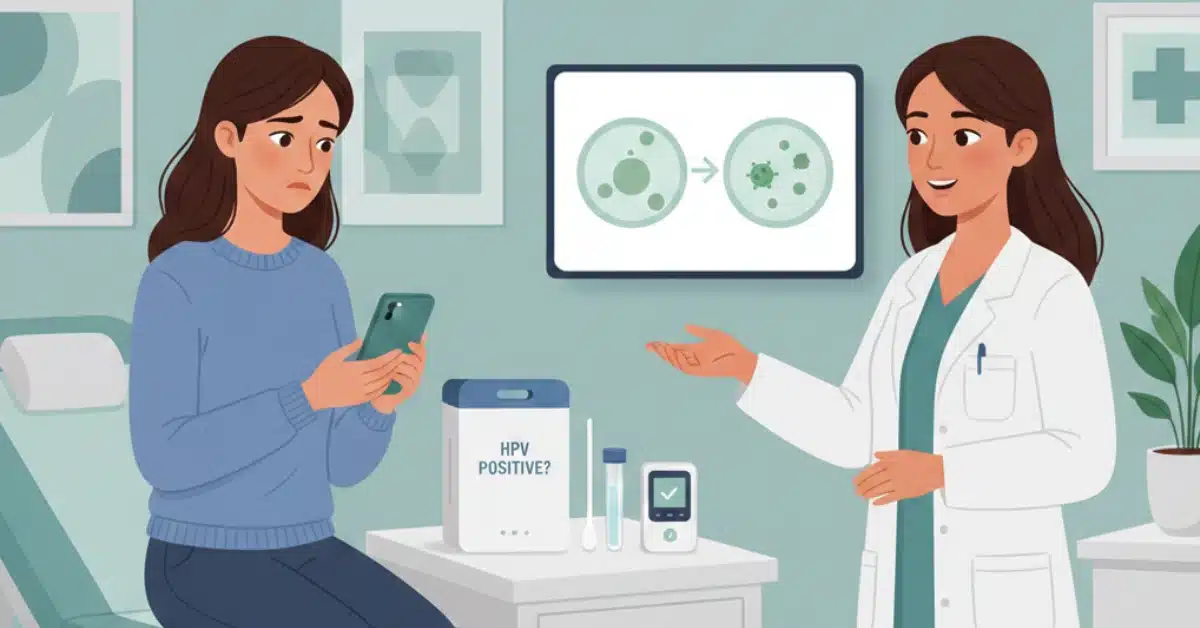
HPV Testing – Cervical cancer screening is a crucial aspect of women’s health, and human papillomavirus testing plays a significant role in it.
Many women are unaware of the risks associated with skipping HPV testing. The truth is, this simple test can be a lifesaver by detecting abnormal cell changes that could lead to cervical cancer.

By understanding the importance of cervical cancer screening, women can take proactive steps towards protecting their health. Regular hpv screening is a vital part of this process.
Key Takeaways
- Understanding the risks of skipping HPV testing is crucial for women’s health.
- Regular cervical cancer screening can help detect abnormal cell changes early.
- HPV testing is a simple yet effective way to prevent cervical cancer.
- Women should prioritize their health by staying informed about cervical cancer screening.
- Early detection through HPV screening can significantly improve treatment outcomes.
Understanding HPV and Its Silent Threat
Human Papillomavirus (HPV) is a common viral infection that can have serious health implications, particularly for women. It’s essential to understand what HPV is, its connection to cervical cancer, and how prevalent it is in India.
What is Human Papillomavirus (HPV)?
HPV is a viral infection that can cause genital warts and certain types of cancer. There are over 100 types of HPV, with some strains being more harmful than others. The HPV DNA test is used to detect the presence of high-risk HPV strains that can lead to cancer.
The Link Between HPV and Cervical Cancer
Cervical cancer is one of the most significant health risks associated with HPV. The virus can cause abnormal cell changes in the cervix, which can develop into cancer if left untreated. The HPV virus test is crucial in detecting these changes early, allowing for timely intervention.
HPV Prevalence in India
India has a significant burden of HPV-related diseases. According to recent studies, the prevalence of HPV in India is substantial, with certain regions showing higher rates of infection. Understanding the prevalence is key to implementing effective screening programs.
| Region | HPV Prevalence (%) |
|---|---|
| North India | 15.6 |
| South India | 12.3 |
| East India | 18.2 |
Why HPV Testing is Crucial for Every Woman
For women in India, HPV testing is an essential tool in the early detection and prevention of cervical cancer. Cervical cancer is one of the most common cancers among women in India, and the primary cause is the Human Papillomavirus (HPV). Understanding the role of HPV testing in cervical cancer screening is vital for every woman.
HPV Test vs. Pap Smear: What’s the Difference?
The traditional method of cervical cancer screening has been the Pap smear, which detects abnormal cell changes in the cervix. However, the HPV test is a more advanced screening tool that directly detects the presence of the HPV virus, which is responsible for causing cervical cancer. HPV testing is more sensitive than Pap smear and can identify the virus even before it causes any cell abnormalities.
Benefits of Primary HPV Screening
Primary HPV screening involves using the HPV test as the first line of screening for cervical cancer. The benefits of this approach include:
- Earlier detection of HPV, reducing the risk of developing cervical cancer
- More accurate results compared to Pap smear alone
- Longer screening intervals for women with negative HPV results
This method is particularly beneficial because it identifies the risk before any symptoms or cell changes occur.
Current Screening Guidelines in India
In India, cervical cancer screening guidelines recommend that women between the ages of 30 and 65 undergo HPV testing. The frequency of screening depends on the initial test results and the individual’s risk factors. For women with a negative HPV test, the next screening is typically recommended after five years.
| Age Group | Recommended Screening | Frequency |
|---|---|---|
| 30-65 years | HPV Testing | Every 5 years if negative |
| Below 30 years | Pap Smear | As per doctor’s advice |
The Role of HPV Vaccination in Prevention
HPV vaccination is a critical preventive measure against cervical cancer. The vaccine protects against the most common high-risk HPV types that cause cervical cancer. While HPV testing detects the presence of the virus, vaccination prevents the infection from occurring in the first place. It is recommended for girls and women up to the age of 26, ideally before they become sexually active.
By combining HPV testing with vaccination, women in India can significantly reduce their risk of developing cervical cancer. It’s a powerful approach to prevention and early detection, ensuring better health outcomes.
Taking Control: Your HPV Testing Action Plan
Taking control of your health starts with understanding your HPV testing options. HPV testing is a crucial step in the early detection and prevention of cervical cancer. By knowing your status, you can take proactive measures to protect your health.
When to Start Testing: Age Recommendations
The recommended age to start HPV testing varies, but generally, women are advised to begin testing at the age of 25 or 30. HPV testing every 5 years is often recommended for women between 30 and 65 years old. It’s essential to consult with your healthcare provider to determine the best testing schedule for your individual needs.
Testing Options: Clinic, Self-Collection, and At-Home Tests
There are several HPV testing options available, including clinic-based tests, self-collection kits, and at-home tests. Self-collected HPV tests offer the convenience of collecting your sample at home or at a clinic, which can then be sent for analysis. At-home HPV tests provide a private and comfortable way to get tested.

What Happens During an HPV Test
During an HPV test, a sample is collected from the cervix using a speculum and a spatula or brush. The sample is then sent to a laboratory for analysis to check for the presence of high-risk HPV types.
Understanding Your Results and Next Steps
Understanding your HPV test results is crucial. A negative result indicates that you do not have the high-risk types of HPV at the time of testing. A positive result may require further testing, such as a colposcopy, to examine the cervix more closely. It’s essential to follow up with your healthcare provider to understand your results and the next steps.
| HPV Test Result | Meaning | Next Steps |
|---|---|---|
| Negative | No high-risk HPV detected | Continue regular screening |
| Positive | High-risk HPV detected | Further testing (e.g., colposcopy) |
| ASCUS (Atypical Squamous Cells of Undetermined Significance) | Abnormal cell changes, uncertain significance | Repeat HPV testing or colposcopy |
Conclusion
HPV testing is a crucial step in preventing cervical cancer, and it’s essential for women in India to prioritize their health by getting tested regularly. The World Health Organization (WHO) and the Centers for Disease Control and Prevention (CDC) recommend regular cervical cancer screening, including HPV testing, to detect abnormal cell changes early.
If you’re HPV positive, it’s not a cause for panic. Understanding what to do next is crucial. Consulting a healthcare provider will help determine the best course of action. HPV vaccination and screening are vital components of cervical cancer prevention. By taking control of your health and staying informed, you can reduce your risk of developing cervical cancer.
Regular HPV testing, combined with vaccination, can significantly reduce the risk of cervical cancer. Stay proactive about your health and follow the recommended screening guidelines to ensure early detection and prevention.
This content is for educational and awareness purposes only.
The article on HPV testing does not replace professional medical advice, diagnosis, or treatment. Screening intervals and follow-up steps mentioned are based on publicly available guidance from authoritative bodies such as the World Health Organization (WHO), U.S. Preventive Services Task Force (USPSTF), and the Centers for Disease Control and Prevention (CDC).
Individual decisions about Pap tests, primary HPV DNA tests, colposcopy, or self-collection should be taken only after consultation with a qualified gynecologist or certified screening provider.
If you receive an HPV-positive result, experience abnormal bleeding, persistent pelvic pain, or have high-risk conditions (e.g., HIV, immunosuppression), seek immediate medical evaluation.
Physio Talk Official is not responsible for any self-treatment or delay in screening arising from reading this material.
FAQ
What is HPV testing and how does it differ from a Pap smear?
HPV testing is a screening method that detects the presence of the Human Papillomavirus, which can cause cervical cancer. Unlike a Pap smear, which checks for abnormal cell changes, an HPV test directly identifies the virus, providing a more accurate assessment of cervical cancer risk.
How often should I get an HPV test?
The frequency of HPV testing depends on age, medical history, and previous test results. Generally, women aged 30 and above are recommended to undergo HPV testing every 5 years, either alone or in conjunction with a Pap smear, known as co-testing.
What if my HPV test is positive?
A positive HPV test indicates the presence of the virus, but it doesn’t necessarily mean you have cervical cancer. Your healthcare provider will likely recommend further testing, such as a colposcopy, to assess the presence and severity of any cell abnormalities.
Can I do an HPV test at home?
Yes, self-collected HPV tests are available, allowing you to collect a sample at home. However, it’s crucial to follow the instructions carefully and consult with your healthcare provider to ensure the test is done correctly and the results are interpreted accurately.
Is HPV testing recommended for women under 25?
Generally, HPV testing is not recommended for women under 25, as the virus is common in younger women and often clears on its own. For women under 25, a Pap smear is usually the preferred screening method.
How does HPV vaccination impact screening guidelines?
HPV vaccination significantly reduces the risk of cervical cancer, but it doesn’t eliminate the need for screening. Even vaccinated women should follow recommended screening guidelines, as the vaccine doesn’t protect against all types of HPV.
What is the difference between high-risk HPV and low-risk HPV?
High-risk HPV types are associated with an increased risk of developing cervical cancer, while low-risk types are more commonly linked to genital warts. HPV testing typically focuses on detecting high-risk types.
Can men get tested for HPV?
Yes, men can get tested for HPV, although it’s not as common as for women. HPV testing for men is typically done in the context of genital warts or as part of clinical trials. There’s no widely recommended screening test for men.
References
American Cancer Society. (2025, December 4). Cervical cancer screening guidelines. American Cancer Society
Centers for Disease Control and Prevention. (2025, February 26). Screening for cervical cancer. CDC
Curry, S. J., Krist, A. H., Owens, D. K., et al. (2018). Screening for cervical cancer: US Preventive Services Task Force recommendation statement. JAMA, 320(7), 674–686. USPSTF+1
Fontham, E. T. H., Wolf, A. M. D., Church, T. R., et al. (2020). Cervical cancer screening for individuals at average risk: 2020 guideline update from the American Cancer Society. CA: A Cancer Journal for Clinicians. PubMed
World Health Organization. (2025, December 2). Cervical cancer (fact sheet). World Health Organization
World Health Organization. (2021). WHO guideline for screening and treatment of cervical pre-cancer lesions for cervical cancer prevention (2nd ed.). NCBI+1
American College of Obstetricians and Gynecologists. (2021, April 12). Updated cervical cancer screening guidelines. ACOG
National Cancer Institute. (2025, February 13). Cervical cancer screening. Cancer.gov

Dr. Shabbir Hussain, BPT
Registered Physiotherapist | Clinical Rehabilitation Specialist
Maharashtra OTPT Council Reg. No.: PR-2021/08/PT/009532
Society of Onco Physiotherapists Reg. No.: SOP/00033/LM
Dr. Shabbir Hussain, BPT, Registered Physiotherapist with over 8 years of experience in physiotherapy, kidney rehabilitation, oncological rehabilitation, and lymphedema management. He specializes in balance disorders, pain management, musculoskeletal rehabilitation, strengthening programs, and VR-based rehabilitation.