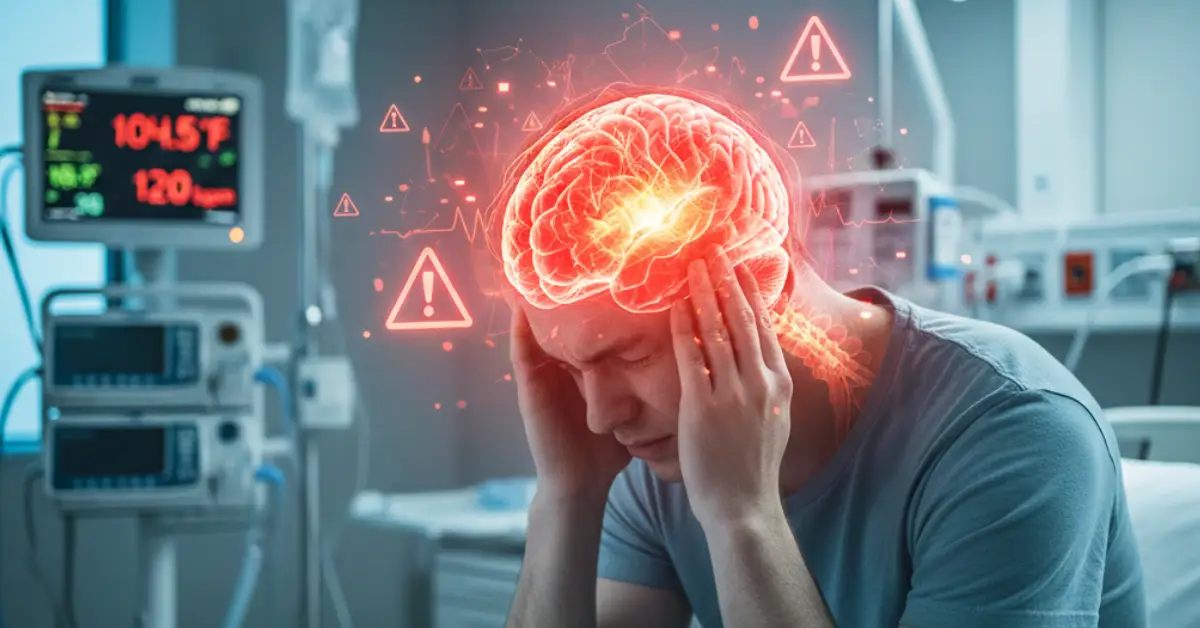
Meningitis is a serious and potentially life-threatening condition that inflames the protective membranes covering the brain and spinal cord.
This “silent killer” can cause severe damage to the brain if not diagnosed and treated promptly. Understanding the causes and effects of meningitis is crucial for taking action against this disease.

The impact of meningitis on the brain can be devastating, leading to long-term health issues or even death. It’s essential to recognize the symptoms and seek medical attention immediately.
Key Takeaways
- Understanding meningitis causes is crucial for prevention.
- Prompt diagnosis and treatment can save lives.
- Meningitis can lead to severe brain damage if left untreated.
- Recognizing symptoms early is key to effective treatment.
- Immediate medical attention is necessary for suspected cases.
What Happens When Meningitis Attacks Your Brain
The onset of meningitis leads to a dangerous inflammation of the meninges, the protective layers surrounding the brain and spinal cord. This inflammation can have severe consequences, including damage to the neural tissue. Understanding the differences between viral meningitis and bacterial meningitis is crucial, as bacterial meningitis is more severe and requires immediate medical attention.
The Dangerous Inflammation of Brain Membranes
The inflammation caused by meningitis can lead to swelling around the brain, potentially causing damage to the delicate neural structures. Viral meningitis, while serious, tends to be less severe than bacterial meningitis. However, both forms can result in significant morbidity if not treated promptly. The inflammation can also lead to increased intracranial pressure, further complicating the clinical picture.
How Meningitis Damages Neural Tissue
Meningitis damages neural tissue through the inflammatory process it triggers. The swelling and inflammation can compress or damage the nerves, leading to various neurological deficits. In bacterial meningitis, the bacteria can directly invade the neural tissue, causing destruction and potentially leading to long-term neurological sequelae. Prompt treatment is essential to minimize damage and improve outcomes.
Meningitis Warning Signs You Can’t Afford to Miss
Meningitis can be a silent killer, but knowing its warning signs can save lives. Meningitis symptoms can vary significantly across different age groups, making it crucial to understand the specific signs to look out for.
Critical Early Symptoms in Adults
Adults typically exhibit early symptoms such as high fever, severe headache, and stiff neck. Other signs may include sensitivity to light, nausea, and confusion. Recognizing these meningitis signs early can be lifesaving.
Special Warning Signs in Children and Infants
In children and infants, meningitis can manifest as irritability, refusal to feed, and a bulging fontanelle in infants. These signs can quickly escalate, making prompt identification critical. The meningococcal vaccine is a vital preventive measure, especially for young children.
When to Seek Emergency Care in India
In India, where meningitis can be particularly prevalent, it’s essential to seek emergency care immediately if symptoms worsen or if there’s a suspicion of meningitis. Delaying treatment can lead to severe complications.

Defeating Meningitis: Diagnosis and Treatment Options
The key to defeating meningitis lies in its early diagnosis and appropriate treatment. Diagnosing meningitis involves several modern methods, with lumbar puncture being a crucial procedure for identifying the cause of the infection.
Modern Diagnostic Methods
Modern diagnostic methods, including lumbar puncture, are essential for accurately diagnosing meningitis. Lumbar puncture involves collecting cerebrospinal fluid (CSF) to determine the presence of infection.
Treatment Approaches
Treatment for meningitis varies depending on whether the infection is viral or bacterial. Bacterial meningitis requires immediate antibiotic treatment, while viral meningitis may require antiviral medication.
| Type of Meningitis | Treatment Approach |
|---|---|
| Bacterial Meningitis | Antibiotic Treatment |
| Viral Meningitis | Antiviral Medication |
Accessing Treatment in India
In India, accessing the right treatment can be challenging. However, many healthcare settings offer quality care for meningitis patients. It’s essential to seek medical attention promptly if symptoms persist.
Your Action Plan to Prevent Meningitis
Preventing meningitis requires a combination of awareness, vaccination, and prompt medical action. Understanding the risks and taking preventive measures like vaccination can significantly reduce the risk of contracting the disease. Following WHO and CDC guidelines on meningitis prevention can provide a framework for prevention and treatment.
Rapid diagnosis is crucial in managing meningitis effectively. By being aware of the warning signs and seeking medical care promptly, individuals can reduce the risk of serious complications. Vaccination against meningitis is a critical preventive measure, especially for high-risk groups.
By taking these steps and staying informed about meningitis guidelines, individuals can protect themselves and their loved ones from this potentially life-threatening disease. Stay vigilant, get vaccinated, and seek medical care at the earliest sign of symptoms to prevent meningitis.
FAQ
What is meningitis and how does it affect the brain?
Meningitis is a serious infection that inflames the protective membranes (meninges) covering the brain and spinal cord. This inflammation can cause damage to the neural tissue, leading to severe consequences if not diagnosed and treated promptly.
What are the main differences between viral and bacterial meningitis?
Viral meningitis is generally less severe and often resolves on its own, while bacterial meningitis is more severe and requires immediate medical attention. Bacterial meningitis can cause significant damage to the brain and even be life-threatening if not treated promptly.
What are the symptoms of meningitis in adults and children?
Adults may experience symptoms like fever, headache, stiff neck, and confusion. Children and infants may show signs like irritability, refusal to feed, and a bulging fontanelle. Recognizing these symptoms is crucial for prompt medical intervention.
How is meningitis diagnosed, and what is the role of lumbar puncture?
Diagnosing meningitis involves several methods, including lumbar puncture, which is crucial for identifying the cause of the infection. Lumbar puncture involves collecting cerebrospinal fluid to test for the presence of bacteria or viruses.
What are the treatment options for meningitis, and how do they vary depending on the type?
Treatment for meningitis depends on whether it’s viral or bacterial. Bacterial meningitis requires immediate antibiotic treatment, while viral meningitis may only require supportive care. Understanding the treatment options is essential for effective management of the disease.
Is there a vaccine available to prevent meningitis, and who should get it?
Yes, the meningococcal vaccine is available to prevent meningitis, especially for young children and individuals at high risk. The vaccine is a crucial preventive measure, and following guidelines from health organizations like the WHO and CDC can provide a framework for prevention.
How can I access treatment for meningitis in India?
Accessing treatment for meningitis in India requires knowing the available healthcare options. Prompt medical attention is crucial, and seeking care at a reputable hospital or healthcare facility can make a significant difference in treatment outcomes.
What are the potential complications of meningitis, and how can they be prevented?
Potential complications of meningitis include brain damage, hearing loss, and even death. Prompt medical attention and proper treatment can help prevent these complications. Understanding the risks and taking preventive measures like vaccination can significantly reduce the risk of contracting the disease.
Medical Disclaimer: This content is for informational purposes only and does not substitute professional medical advice. If meningitis is suspected, seek emergency medical care immediately.
References
- World Health Organization. (2025). WHO launches first-ever guidelines on meningitis diagnosis, treatment and care (10 April 2025). World Health Organization. https://www.who.int/news/item/10-04-2025-who-launches-first-ever-guidelines-on-meningitis-diagnosis–treatment-and-care. World Health Organization
- World Health Organization. (n.d.). Meningitis — fact sheet. WHO. https://www.who.int/news-room/fact-sheets/detail/meningitis. World Health Organization
- Hasbun, R. (2022). Progress and Challenges in Bacterial Meningitis: A Review. (Review). PubMed. https://pubmed.ncbi.nlm.nih.gov/36472590/. PubMed
- Runde, T. J. (2023). Bacterial Meningitis. StatPearls. NCBI Bookshelf. https://www.ncbi.nlm.nih.gov/books/NBK470351/. NCBI
- World Health Organization. (2024). Meningococcal vaccines: WHO position paper (addendum 2024). WHO. https://www.who.int/publications/i/item/who-wer9901-02-1-10. World Health Organization
- Centers for Disease Control and Prevention. (2025). Meningococcal Vaccine Recommendations. CDC. https://www.cdc.gov/meningococcal/hcp/vaccine-recommendations/index.html. CDC
- Carter, E. (2022). The management of acute meningitis: an update. BMJ/PMC. https://pmc.ncbi.nlm.nih.gov/articles/PMC9594998/. PMC
- National Institute for Health and Care Excellence / NCBI evidence reviews on CSF testing and antibiotics for meningitis — see NCBI Bookshelf evidence reviews. https://www.ncbi.nlm.nih.gov/books/NBK604281/ and https://www.ncbi.nlm.nih.gov/books/NBK604079/. NCBI+1

Dr. Shabbir Hussain, BPT
Licensed Physiotherapist | Clinical Rehabilitation Specialist
Maharashtra OTPT Council Reg. No.: PR-2021/08/PT/009532
Society of Onco Physiotherapists Reg. No.: SOP/00033/LM
Dr. Shabbir Hussain, BPT, Registered Physiotherapist with over 8 years of experience in physiotherapy, kidney rehabilitation, oncological rehabilitation, and lymphedema management. He specializes in balance disorders, pain management, musculoskeletal rehabilitation, strengthening programs, and VR-based rehabilitation.