
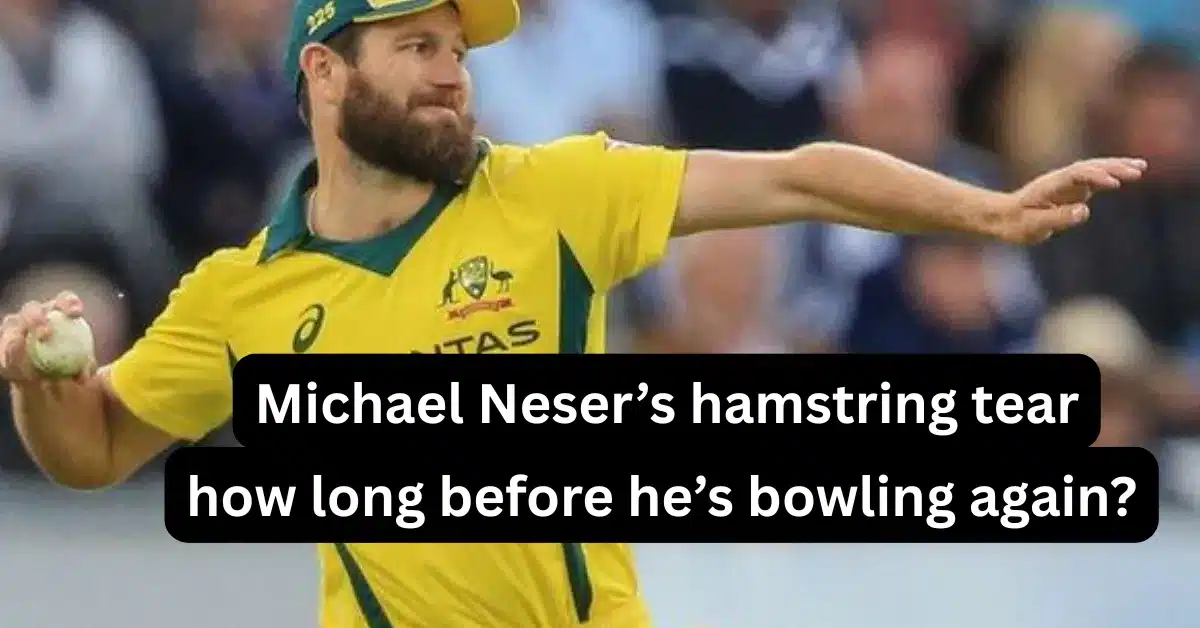
hamstring tear – Cricket fans are eagerly awaiting Michael Neser’s return to the pitch after his recent hamstring injury. As a fast bowler, his presence on the field is crucial for his team’s success. The anticipation surrounding his comeback raises a critical question: how long does it take to recover from a hamstring tear?

Understanding the recovery process for hamstring tears is essential, especially for athletes like Michael Neser who rely on their physical prowess to perform. The road to recovery involves a combination of medical treatment, physical therapy, and patience. In this article, we will explore the typical recovery time for hamstring tears and what factors influence an athlete’s return to the game.
Key Takeaways
- Michael Neser’s hamstring injury has raised concerns about his return to bowling.
- The recovery time for a hams tear can vary based on the severity of the injury.
- Understanding the recovery process is crucial for athletes and fans alike.
- Factors such as medical treatment and physical therapy play a significant role in recovery.
- Patience is key to ensuring a successful return to the game.
Michael Neser’s Cricket Career and Injury Impact
Neser’s contribution to Australian cricket is undeniable, but his recent hams strain has caused worry among fans and team management. As a talented cricketer, Neser has been an integral part of the Australian team, known for his exceptional bowling skills.
Neser’s Role in Australian Cricket
Michael Neser has played a significant role in Australian cricket, contributing to various international matches. His ability to take crucial wickets has made him a valuable asset to the team. Neser’s experience and skill have been vital in shaping the team’s strategy and performance.
Details of the Current Hamstring Injury
Neser’s current hams injury is a hams tear, which is a serious condition requiring adequate recovery time. The severity of the injury will determine the length of his absence from the game. Rehabilitation for a hamstring strain typically involves a structured physiotherapy program to ensure a full recovery and prevent reinjury.
Understanding Hamstring Tear Recovery for Fast Bowlers
Hams tears are a common issue for fast bowlers, and understanding the recovery process is crucial for a successful return to the game. The journey to recovery involves several factors, including the severity of the injury, the effectiveness of the rehabilitation protocol, and the incorporation of preventive measures to avoid reinjury.

Grades and Severity of Hamstring Tears
Hams tears are classified into three grades based on their severity. Grade 1 is a mild strain, Grade 2 is a moderate tear, and Grade 3 is a severe tear where the muscle is completely ruptured. Understanding the grade of the hams tear is essential for determining the appropriate treatment and recovery timeline.
The severity of the hams tear significantly impacts the recovery process. For instance, a Grade 2 hamstring tear recovery typically takes longer than a Grade 1 tear, requiring more intensive physiotherapy and rehabilitation.
Typical Recovery Timeline for Cricket Bowlers
The recovery timeline for hams tears in cricket bowlers varies based on the severity of the injury. Generally, a Grade 1 hamstring tear may take around 1-3 weeks to recover, while a Grade 2 tear can take 3-6 weeks. Grade 3 tears can take several months to recover, often requiring surgical intervention.
It’s crucial for fast bowlers to follow a structured rehabilitation program to ensure a timely and effective recovery. This includes a gradual return to play protocol to minimize the hamstring reinjury risk.
Rehabilitation Protocols and Physiotherapy Approaches
Effective rehabilitation protocols for hamstring tears involve a combination of physiotherapy approaches, including stretching, strengthening, and conditioning exercises. Sports physiotherapy plays a critical role in the recovery process, helping to restore muscle function and prevent future injuries.
A well-structured hamstring tear rehabilitation program should include progressive exercises to improve muscle strength and flexibility, as well as functional training to simulate match conditions.
Preventing Reinjury with Nordic Hamstring Exercises
One of the key preventive measures for avoiding hamstring reinjury is the incorporation of Nordic hamstring exercises into the training regimen. These exercises have been shown to significantly reduce the risk of hamstring injuries in athletes.
By strengthening the hamstring muscles through Nordic hamstring exercises, fast bowlers can improve their resilience to injury and maintain optimal performance on the field.
Conclusion: Projected Return to Bowling Timeline
Michael Neser’s road to recovery from a hamstring tear is underway, with a focus on hamstring tear treatment and hamstring tear exercises to ensure a successful return to play. The recovery time for a hamstring tear can vary, but with proper rehabilitation, Neser can expect to be bowling again within a few weeks.
A key factor in Neser’s recovery is returning to bowling after hamstring injury, which requires a gradual and controlled approach. This involves a combination of hamstring tear exercises and hamstring tear prevention strategies to minimize the risk of reinjury.
By understanding the hamstring tear symptoms and severity of the injury, Neser and his team can develop an effective rehabilitation plan. With a well-structured hamstring tear treatment program, Neser can regain his strength and speed, ultimately making a successful return to the cricket pitch.
Neser’s michael neser injury update is a positive one, with a projected timeline for his return to bowling expected to be within the coming weeks. Fans and teammates alike are eagerly awaiting his return, and with a focus on proper rehabilitation, Neser is sure to make a strong comeback.
FAQ
What is the typical recovery time for a hamstring tear?
The recovery time for a hamstring tear can vary depending on the severity of the injury, but it typically ranges from 4 to 12 weeks or even longer for more severe cases.
How long does it take for Michael Neser to recover from his hamstring tear?
The exact recovery time for Michael Neser’s hamstring tear is uncertain, but based on the severity of the injury, it is expected to take several weeks to months before he can return to bowling.
What are the different grades of hamstring tears?
Hamstring tears are typically classified into three grades: Grade 1 (mild strain), Grade 2 (moderate strain), and Grade 3 (severe strain or complete tear).
What is the role of Nordic hamstring exercises in preventing reinjury?
Nordic hamstring exercises are a crucial component of hamstring rehabilitation and can help prevent reinjury by strengthening the hamstring muscles and improving flexibility.
How can cricket players prevent hamstring injuries?
Cricket players can prevent hamstring injuries by incorporating exercises like Nordic hamstring curls into their training routine, maintaining flexibility, and ensuring proper warm-up and cool-down procedures.
What is the typical rehabilitation protocol for hamstring tears in fast bowlers?
The rehabilitation protocol for hamstring tears in fast bowlers typically involves a combination of rest, physical therapy, and strengthening exercises, with a gradual return to bowling activities.
Can hamstring tears be treated without surgery?
Most hamstring tears can be treated without surgery, with a focus on conservative management, including rest, rehabilitation, and physiotherapy.
How long does it take to return to play after a hamstring injury?
The time it takes to return to play after a hamstring injury varies depending on the severity of the injury, but it is generally recommended to wait until the individual has completed a comprehensive rehabilitation program and is pain-free.
Key evidence
Typical healing and RTP windows vary by severity: grade-1 strains often return in ~1–3 weeks, grade-2 may take 4–12+ weeks, and grade-3 (complete tears) can take months or need surgery. PMC+1
Many athletes return to sport earlier than biological muscle healing completes — this increases reinjury risk. Best practice recommends structured, progressive loading and objective RTP tests. PMC+1
Eccentric strengthening (eg, Nordic hamstring exercises) and progressive high-speed running drills are core components of evidence-based rehab and prevention. Lippincott Journals+1
Consensus guidance stresses individualized rehab based on athlete demands, injury severity, and objective strength/functional criteria before RTP. British Journal of Sports Medicine
Rehabilitation is an essential health service and should be integrated early — WHO recognizes rehab as crucial for musculoskeletal recovery. World Health Organization+1
References
- Hickey, J. T., et al. (2021). Hamstring strain injury rehabilitation. Journal / Review. PubMed Central. https://www.ncbi.nlm.nih.gov/pmc/articles/PMC8876884/ PMC
- Erickson, L. N., et al. (2017). Rehabilitation and return to sport after hamstring strain injury. PubMed Central. https://www.ncbi.nlm.nih.gov/pmc/articles/PMC6189266/ PMC
- Danielsson, A., et al. (2020). The mechanism of hamstring injuries – a systematic review. PubMed Central. https://www.ncbi.nlm.nih.gov/pmc/articles/PMC7526261/ PMC
- Paton, B. M., et al. (2023). London International Consensus on hamstring injury rehabilitation. British Journal of Sports Medicine. https://bjsm.bmj.com/content/57/5/278. British Journal of Sports Medicine
- World Health Organization. (2024). Rehabilitation. WHO. https://www.who.int/health-topics/rehabilitation. World Health Organization

Dr. Shabbir Hussain, BPT Licensed Physiotherapist | Clinical Rehabilitation SpecialistMaharashtra OTPT Council Reg. No. PR-2021/08/PT/009532Society of Onco Physiotherapists Reg. No. SOP/00033/LM
He is a licensed physiotherapist with over 8 years of experience in physiotherapy, kidney rehabilitation, oncological rehabilitation, and lymphedema management. He specializes in balance disorders, pain management, musculoskeletal rehabilitation, strengthening programs, and VR-based rehabilitation.
Dr. Shabbir Hussain (BPT)