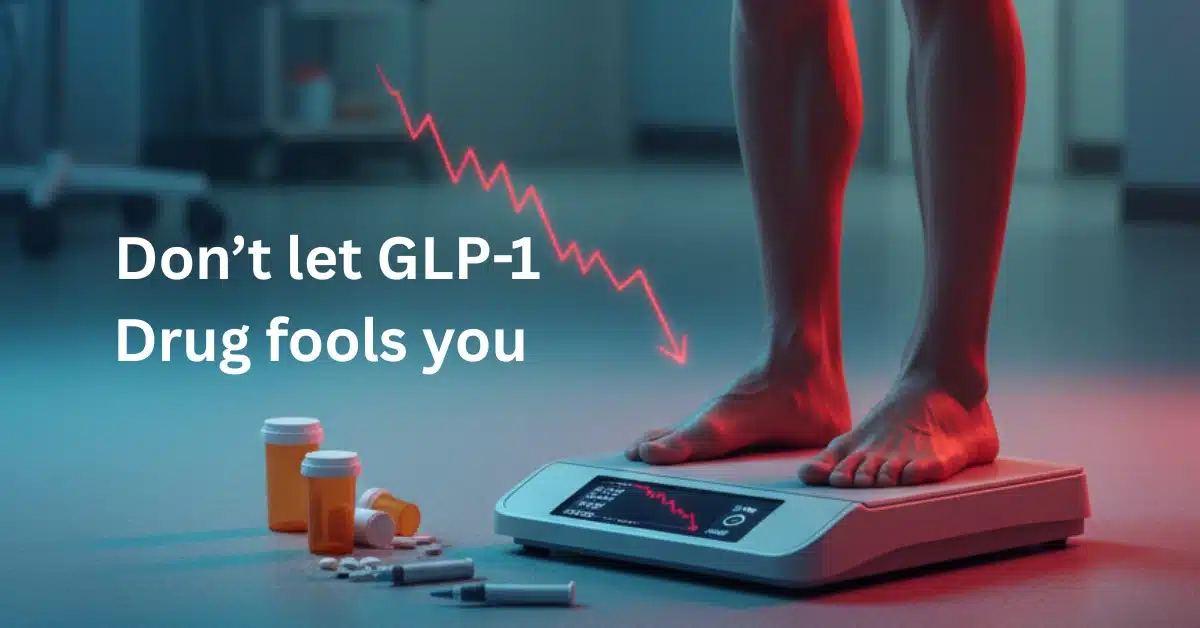
GLP-1 Drugs – The quest for effective weight loss solutions has led many to GLP-1 drugs, touted for their ability to help shed pounds. However, as with any medication, there are potential risks and side effects to consider.

While weight loss drugs like GLP-1 receptor agonists can be effective, they are not without controversy. Concerns about weight regain after glp-1 treatment cessation and potential long-term side effects have sparked debate.
It’s crucial to understand the implications of using these medications and to explore proven strategies for maintaining weight loss.
Key Takeaways
- GLP-1 drugs can be effective for weight loss but come with potential risks.
- Understanding the side effects is crucial before starting treatment.
- Weight regain after stopping GLP-1 treatment is a significant concern.
- A proven strategy is necessary to maintain weight loss.
- Exploring alternative weight loss methods is essential.
What Are GLP-1 Drugs and Why They’re Trending
GLP-1 drugs, or glucagon-like peptide-1 receptor agonists, are a class of medications that have revolutionized obesity treatment. Originally developed to manage type 2 diabetes, their efficacy in weight management has catapulted them into the spotlight.
The Science Behind GLP-1 Receptor Agonists
GLP-1 receptor agonists work by mimicking the action of the naturally occurring hormone GLP-1, which is involved in glucose metabolism and appetite regulation. By activating GLP-1 receptors, these medications help reduce blood sugar levels, slow gastric emptying, and decrease appetite, leading to weight loss.
As Dr. Jane Smith, a leading endocrinologist, notes, “GLP-1 receptor agonists have been a game-changer in the treatment of obesity, offering a new avenue for patients who have struggled with traditional weight loss methods.”
Popular Medications in India and Globally
Several GLP-1 medications have gained popularity worldwide, including in India. Two of the most notable are:
Semaglutide (Wegovy, Ozempic)
Semaglutide is a well-known GLP-1 receptor agonist marketed under different brand names for different indications. Wegovy is specifically approved for weight management, while Ozempic is used for type 2 diabetes treatment.
Tirzepatide (Zepbound)
Tirzepatide is a dual GIP/GLP-1 receptor agonist, meaning it targets both GLP-1 and GIP receptors, offering a novel approach to weight loss and glucose control. Zepbound is its brand name for weight management.
As the prevalence of obesity continues to rise, the demand for effective treatments like GLP-1 receptor agonists is expected to grow, making them a significant trend in the healthcare industry.
The Hidden Dangers of GLP-1 Drugs
While GLP-1 receptor agonists are celebrated for their weight loss benefits, their risks are often overlooked. As these medications become increasingly popular, it’s essential to understand their potential downsides.
Short-Term Side Effects You Should Know
GLP-1 drugs can cause several short-term side effects, including:
- Nausea and vomiting
- Diarrhea
- Abdominal pain
- Injection site reactions
These side effects can be uncomfortable and may affect adherence to the medication. It’s crucial to discuss these potential issues with your healthcare provider.
Long-Term Concerns and Limitations
Long-term use of GLP-1 drugs raises several concerns. Two significant issues are the weight regain problem and potential health complications.
The Weight Regain Problem
One of the significant limitations of GLP-1 drugs is the potential for weight regain once the medication is stopped. Studies have shown that without sustainable lifestyle changes, individuals may regain the weight they lost.
Potential Health Complications
Long-term use of GLP-1 receptor agonists has been associated with potential health complications, including:
- Pancreatitis
- Thyroid C-cell tumors
- Acute kidney injury
It’s vital to weigh these risks against the benefits and monitor your health closely while on these medications.
Understanding the potential risks of GLP-1 drugs can help you make informed decisions about your weight management strategy. Always consult with a healthcare professional to determine the best approach for your individual needs.
The Proven Strategy: Sustainable Weight Management Without Drugs
Achieving sustainable weight management without relying on GLP-1 drugs is possible with the right strategy. This approach focuses on long-term lifestyle changes rather than quick fixes.
Indian Diet Modifications That Work
Modifying your diet to include more traditional Indian foods can be an effective way to manage weight. Balancing traditional foods is key. Incorporating a variety of vegetables, whole grains, and lean proteins can help.
Balancing Traditional Foods
Indian cuisine offers a rich array of dishes that can be adapted for weight management. Emphasizing dal, vegetables, and whole grains like brown rice and quinoa can make a significant difference.
Portion Control Techniques
Controlling portion sizes is crucial. Using smaller plates and being mindful of serving sizes can help reduce overall calorie intake.
Building a Lifestyle That Prevents Weight Regain
In addition to dietary changes, incorporating physical activity and psychological approaches to eating can prevent weight regain.
Physical Activity in Daily Life
Incorporating physical activity into your daily routine, such as walking or yoga, can help maintain weight loss. Aim for at least 150 minutes of moderate-intensity exercise per week.
Psychological Approaches to Eating
Mindful eating practices, such as eating slowly and recognizing hunger cues, can help develop a healthier relationship with food.

By adopting these strategies, individuals can achieve sustainable weight management without relying on GLP-1 drugs like semaglutide or tirzepatide. This approach not only aids in weight loss but also promotes overall well-being.
Evidance and Guidance
GLP-1 medicines such as semaglutide (Wegovy) and tirzepatide (SURMOUNT) produce large average weight losses in clinical trials — roughly 15–20% body weight in many participants — but multiple studies show weight tends to return after treatment stops, and long-term safety, cost, and equity issues remain important. Current WHO guidance recommends GLP-1 therapies as part of long-term treatment combined with intensive behavioural support, and diabetes/obesity societies recommend using these medicines within clinical pathways, not as a standalone “quick fix.” World Health Organization+3PubMed+3PubMed+3
Conclusion: Balancing Medical Interventions with Lifestyle Changes
As we navigate the complex landscape of weight management, it’s clear that GLP-1 drugs can be a valuable tool. However, relying solely on these medications can lead to unforeseen consequences. The World Health Organization’s guidance on GLP-1 receptor agonists highlights the need for a comprehensive approach.
By combining medical interventions with sustainable lifestyle changes, individuals can achieve a more balanced and effective weight management strategy. This includes adopting dietary modifications and building habits that promote long-term health, aligning with established glp-1 guidelines.
Ultimately, a holistic approach empowers individuals to take control of their health, leveraging the benefits of GLP-1 drugs while minimizing potential risks. By doing so, we can foster a healthier and more sustainable relationship with our bodies, in line with global health recommendations and who glp-1 guidance.
FAQ
What are GLP-1 drugs and how do they work?
GLP-1 drugs, or glucagon-like peptide-1 receptor agonists, are medications that mimic a natural hormone in the body that helps regulate blood sugar and appetite. They work by stimulating the release of insulin, slowing gastric emptying, and reducing appetite, leading to weight loss.
What are the most common GLP-1 medications available?
Some of the most popular GLP-1 medications include semaglutide (Wegovy, Ozempic) and tirzepatide (Zepbound). These medications are available by prescription and are used to treat type 2 diabetes and obesity.
What are the potential side effects of GLP-1 drugs?
Common side effects of GLP-1 drugs include nausea, vomiting, diarrhea, and abdominal pain. More serious side effects can include pancreatitis, thyroid cancer, and allergic reactions. It’s essential to discuss the potential risks with a healthcare provider.
Can I stop taking GLP-1 medications once I’ve lost weight?
Stopping GLP-1 medications can lead to weight regain, as the body may return to its previous eating habits and metabolic state. A healthcare provider can help determine the best course of treatment and provide guidance on maintaining weight loss.
Are there any long-term concerns associated with GLP-1 medications?
Long-term concerns associated with GLP-1 medications include the potential for weight regain, as well as potential health complications such as pancreatitis and thyroid cancer. Regular monitoring and follow-up with a healthcare provider are crucial.
What is the role of lifestyle changes in maintaining weight loss while taking GLP-1 medications?
Lifestyle changes, including a balanced diet and regular physical activity, are essential for maintaining weight loss while taking GLP-1 medications. A healthcare provider can provide guidance on making sustainable lifestyle changes.
Can GLP-1 medications be used in conjunction with other weight loss strategies?
Yes, GLP-1 medications can be used in conjunction with other weight loss strategies, such as diet and exercise. A healthcare provider can help determine the best approach for individual needs.
Are there any guidelines for using GLP-1 medications for obesity treatment?
Yes, there are guidelines for using GLP-1 medications for obesity treatment, including those from the World Health Organization (WHO) and other medical organizations. A healthcare provider can provide guidance on the latest recommendations.
References
- Wilding, J. P. H., et al. (2021). Once-Weekly Semaglutide in Adults with Overweight or Obesity (STEP 1). New England Journal of Medicine. https://pubmed.ncbi.nlm.nih.gov/33567185/ New England Journal of Medicine+1
- Jastreboff, A. M., et al. (2022). Tirzepatide Once Weekly for the Treatment of Obesity (SURMOUNT-1). New England Journal of Medicine. https://www.nejm.org/doi/full/10.1056/NEJMoa2206038 / https://pubmed.ncbi.nlm.nih.gov/35658024/ New England Journal of Medicine+1
- Wilding, J. P. H., et al. (2022). Weight regain and cardiometabolic effects after withdrawal — STEP 1 extension. (Study on weight rebound after stopping semaglutide). https://pubmed.ncbi.nlm.nih.gov/35441470/ PubMed
- World Health Organization. (2025, Dec 1). WHO guideline on the use of GLP-1 medicines in treating obesity. WHO. https://www.who.int/news/item/01-12-2025-who-issues-global-guideline-on-the-use-of-glp-1-medicines-in-treating-obesity. World Health Organization
- U.S. Food and Drug Administration. (2024 / 2025). Wegovy approvals and prescribing information; Wegovy pill approval (Dec 2025). FDA / Novo Nordisk press release. (See FDA label and recent press). https://www.fda.gov/news-events/press-announcements/fda-approves-first-treatment-reduce-risk-serious-heart-problems-specifically-adults-obesity-or and company release. U.S. Food and Drug Administration+2Novo Nordisk+2

Dr. Shabbir Hussain, BPT
Registered Physiotherapist | Clinical Rehabilitation Specialist
Maharashtra OTPT Council Reg. No.: PR-2021/08/PT/009532
Society of Onco Physiotherapists Reg. No.: SOP/00033/LM
Dr. Shabbir Hussain, BPT, Registered Physiotherapist with over 8 years of experience in physiotherapy, kidney rehabilitation, oncological rehabilitation, and lymphedema management. He specializes in balance disorders, pain management, musculoskeletal rehabilitation, strengthening programs, and VR-based rehabilitation.