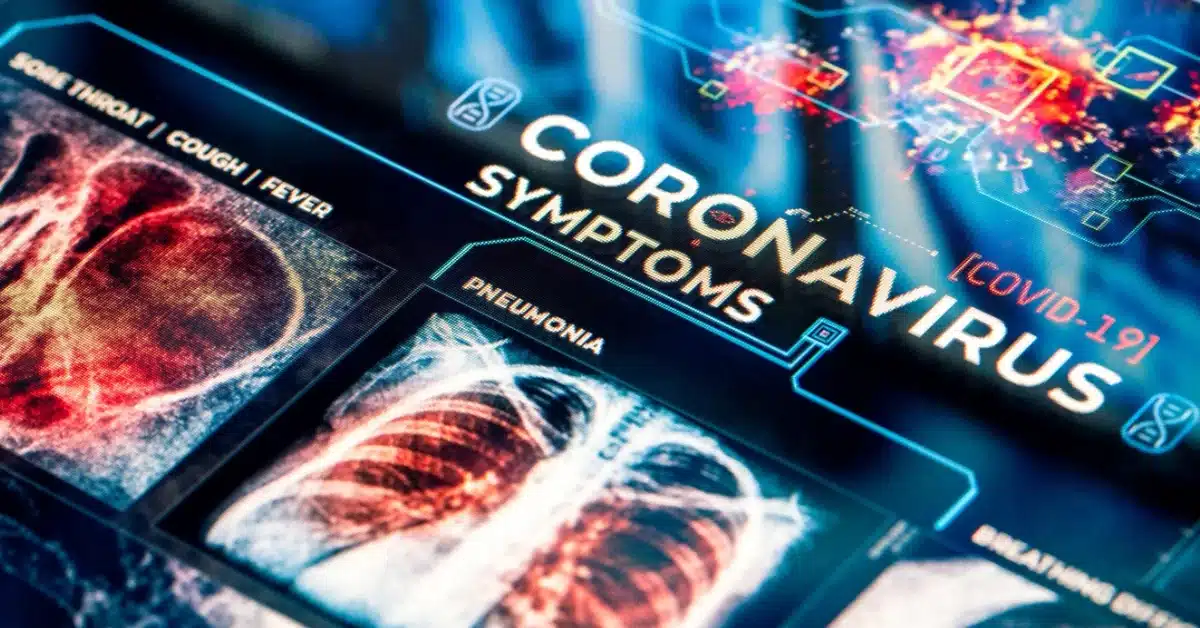
As we navigate through 2025, it’s crucial to stay informed about the evolving landscape of COVID-19. The virus has continued to mutate, bringing forth new symptoms that are important to recognize.
The emergence of new covid symptoms 2025 has raised concerns among health professionals and the general public alike. Being aware of these changes can help individuals take necessary precautions and seek medical attention when needed.
Key Takeaways
- New COVID symptoms in 2025 include a range of respiratory and other health issues.
- Staying informed about the evolving symptoms is crucial for public health.
- Recognizing the new signs can help in early detection and treatment.
- The virus continues to mutate, making ongoing vigilance necessary.
- Public awareness campaigns are essential in disseminating information about the new symptoms.
The Evolution of COVID-19 Through 2025
The COVID-19 virus has undergone significant mutations since its emergence, leading to a complex landscape of symptoms in 2025. Understanding these changes is crucial for effective management and treatment of the disease.
Mutations and Changes Since Emergence
Since its emergence, COVID-19 has demonstrated a remarkable ability to mutate, resulting in various strains with distinct characteristics. These mutations have led to changes in the virus’s transmissibility and severity. For instance, some variants have shown increased contagiousness, while others have been associated with more severe outcomes.
| Year | Notable Variants | Key Characteristics |
|---|---|---|
| 2020 | Original Strain | First identified, moderate severity |
| 2023 | Omicron | High transmissibility, milder symptoms |
| 2025 | Latest Variants | Increased contagiousness, varied severity |
Importance of Symptom Recognition in 2025
Recognizing the symptoms of COVID-19 remains critical in 2025 due to the virus’s continued evolution. The latest variants have introduced new and varied symptoms, making it essential for healthcare providers and the public to stay informed. Early detection is key to effective management and preventing the spread of the disease.
Staying updated with the latest COVID symptoms in 2025 is vital for individuals to protect themselves and their communities. Public health guidelines and symptom checklists continue to evolve in response to the pandemic’s progression.
COVID Symptoms 2025: The Complete Guide to New Warning Signs
COVID-19 symptoms in 2025 are not just a repeat of what we’ve seen before; they’ve evolved, bringing new warning signs to the forefront. As the virus continues to mutate, it’s essential to stay informed about the latest manifestations to ensure timely diagnosis and treatment.
The Shifting Pattern of Respiratory Manifestations
The respiratory symptoms of COVID-19 have undergone significant changes in 2025. While traditional symptoms like cough and shortness of breath are still prevalent, some patients are experiencing more severe respiratory distress earlier in the course of the disease. Early intervention is critical to managing these symptoms effectively.
Emerging Neurological Symptoms in Recent Variants
Recent variants of COVID-19 have shown an increase in neurological symptoms, including severe headaches, dizziness, and confusion. These symptoms can be particularly challenging to diagnose, as they often resemble those of other conditions. Being aware of these emerging neurological symptoms is vital for accurate diagnosis.
Gastrointestinal Changes That Signal Infection
Gastrointestinal symptoms have become more pronounced in 2025, with many patients experiencing severe nausea, vomiting, and diarrhea. These symptoms can lead to dehydration and other complications if not managed properly. Recognizing these gastrointestinal changes as potential signs of COVID-19 infection is crucial for prompt treatment.
Staying vigilant and informed about the evolving symptoms of COVID-19 in 2025 is key to navigating this ongoing pandemic. By understanding the new warning signs, individuals can seek medical attention early, potentially improving outcomes.
Early Warning Signs That Shouldn’t Be Ignored
With new variants emerging, being aware of the subtle symptoms of COVID-19 is vital for early detection and treatment. As the virus continues to evolve, understanding its early warning signs can significantly impact our ability to manage the pandemic effectively.
Subtle Symptoms That Often Go Unnoticed
Some of the early warning signs of COVID-19 can be quite subtle and are often overlooked. These include mild fatigue, slight changes in appetite, and mild cognitive fogginess. It’s essential to be vigilant about these symptoms, especially if you’ve been exposed to someone with COVID-19 or are in a high-risk group.
Additionally, some people may experience gastrointestinal symptoms such as nausea or diarrhea before respiratory symptoms appear. Being aware of these subtle signs can help in getting tested and treated early.
How These Early Signs Differ From Previous Years
The early warning signs of COVID-19 have evolved over time. In 2025, we’re seeing a higher incidence of neurological symptoms such as headaches and dizziness as initial signs. Moreover, the severity and duration of these symptoms can vary significantly from one person to another.
Compared to previous years, the new variants are also showing a higher rate of rare covid symptoms 2025, such as skin rashes or unusual fatigue. It’s crucial to stay informed about these changes to recognize the signs early and seek medical attention if necessary.
Severe COVID Symptoms Requiring Immediate Attention
COVID-19 symptoms have changed over time, and recognizing the severe signs is critical for timely medical intervention. As the virus continues to mutate, it’s essential to stay informed about the red flag symptoms that require immediate attention.
Red Flag Symptoms in 2025 Variants
The 2025 variants of COVID-19 have introduced some severe symptoms that individuals should be aware of. These include:
- Severe respiratory distress
- Confusion or disorientation
- Chest pain or pressure
- Severe headache with fever
- Bluish discoloration of the face or lips
These symptoms can indicate a serious infection that may lead to complications if not treated promptly.

When to Seek Emergency Medical Care
If you or someone you know is experiencing any of the red flag symptoms, it’s crucial to seek emergency medical care without delay. Here are some guidelines to follow:
| Symptom | Action |
|---|---|
| Severe difficulty breathing | Call emergency services or go to the ER |
| Chest pain or pressure | Seek immediate medical attention |
| Confusion or loss of consciousness | Call emergency services |
Being aware of these severe symptoms and knowing when to seek help can significantly improve outcomes for individuals infected with COVID-19.
Unique Symptoms in Vulnerable Populations
As COVID-19 continues to evolve, understanding its impact on vulnerable populations is crucial for effective management and treatment. Vulnerable groups, including children, elderly adults, and immunocompromised individuals, often exhibit distinct symptoms that require special consideration.
Children and Adolescents: Special Considerations
Children and adolescents are experiencing COVID-19 symptoms that differ from those observed in adults. Common symptoms in this age group include multisystem inflammatory syndrome, which can manifest as fever, abdominal pain, and rash. Parents and caregivers should be vigilant for these signs and seek medical attention if they occur.
Elderly Adults: Changed Presentation Patterns
Elderly adults often present with atypical COVID-19 symptoms, such as confusion, delirium, and falls. These symptoms can be misattributed to other conditions, making diagnosis challenging. Healthcare providers should be aware of these changed presentation patterns when evaluating elderly patients.
Immunocompromised Individuals: What to Monitor
Immunocompromised individuals are at higher risk for severe COVID-19 and may experience prolonged illness. Key symptoms to monitor in this population include persistent fever, worsening respiratory symptoms, and signs of organ dysfunction. Close monitoring and early intervention are critical in managing COVID-19 in these individuals.
| Vulnerable Population | Unique Symptoms | Special Considerations |
|---|---|---|
| Children and Adolescents | Multisystem inflammatory syndrome, fever, abdominal pain, rash | Vigilance for multisystem inflammatory syndrome |
| Elderly Adults | Confusion, delirium, falls | Awareness of atypical presentation |
| Immunocompromised Individuals | Persistent fever, worsening respiratory symptoms, organ dysfunction | Close monitoring and early intervention |
Testing and Treatment Options for New COVID Variants
Staying abreast of the latest testing and treatment options is vital in combating the evolving COVID-19 pandemic. As new variants emerge, healthcare strategies must adapt to provide effective care.
Advanced Testing Methods for 2025 Variants
The latest COVID-19 variants have led to the development of more sophisticated testing methods. PCR tests remain the gold standard, but rapid antigen tests have become more prevalent due to their convenience and quick turnaround.
Current Treatment Protocols for New Symptoms
Treatment protocols have evolved to address the new symptoms presented by recent COVID-19 variants. Antiviral medications are now commonly prescribed, and corticosteroids are used in more severe cases.
Home Care Strategies for Mild to Moderate Cases
For individuals with mild to moderate COVID-19, home care strategies are crucial. This includes isolation, hydration, and over-the-counter medication for symptom management.
By understanding and implementing these testing and treatment options, individuals can better protect themselves and their communities from the evolving COVID-19 pandemic.
Conclusion: Staying Vigilant in the Evolving Pandemic
As we navigate the ongoing pandemic, it’s clear that COVID-19 continues to evolve, presenting new challenges in 2025. Staying informed about the latest covid symptoms 2025 is crucial for early detection and effective management.
The emerging covid symptoms 2025 have shown a shift in patterns, with some variants exhibiting more severe or unusual manifestations. Being aware of these changes can help individuals take prompt action, reducing the risk of complications and transmission to others.
By understanding the evolving nature of COVID-19 and its emerging symptoms, we can better protect ourselves and our communities. Staying vigilant and informed is key to navigating this ongoing health challenge.
FAQ
What are the most common COVID symptoms in 2025?
The most common COVID symptoms in 2025 include respiratory manifestations, neurological symptoms, and gastrointestinal changes. It’s essential to be aware of these emerging symptoms to seek medical attention promptly.
How have COVID symptoms changed since the pandemic began?
COVID symptoms have evolved over time, with new variants exhibiting different characteristics. In 2025, the virus has mutated, leading to changes in the pattern of respiratory manifestations, emerging neurological symptoms, and gastrointestinal changes.
What are the severe COVID symptoms that require immediate attention in 2025?
Severe COVID symptoms in 2025 include red flag symptoms such as difficulty breathing, chest pain, and severe fatigue. If you or someone you know is experiencing these symptoms, it’s crucial to seek emergency medical care.
Are there any unique COVID symptoms in vulnerable populations?
Yes, COVID symptoms can manifest differently in vulnerable populations, including children, elderly adults, and immunocompromised individuals. It’s essential to be aware of these special considerations to provide appropriate care.
What are the latest testing methods for COVID-19 in 2025?
Advanced testing methods are available for detecting COVID-19 in 2025, including molecular tests and antigen tests. These tests can help identify the virus and guide treatment decisions.
How can I manage mild to moderate COVID symptoms at home?
For mild to moderate COVID cases, home care strategies include staying hydrated, resting, and using over-the-counter medications to alleviate symptoms. It’s essential to follow the guidance of healthcare professionals and monitor your symptoms closely.
What are the emerging neurological symptoms of COVID-19 in 2025?
Emerging neurological symptoms of COVID-19 in 2025 include headaches, dizziness, and cognitive impairment. If you’re experiencing these symptoms, it’s crucial to seek medical attention to determine the best course of treatment.
Can gastrointestinal changes be a sign of COVID-19 infection?
Yes, gastrointestinal changes can be a sign of COVID-19 infection in 2025. Symptoms such as diarrhea, nausea, and vomiting may indicate infection, especially in conjunction with other respiratory or neurological symptoms.

Dr. Shabbir Hussain, BPT
Licensed Physiotherapist | Clinical Rehabilitation Specialist
Maharashtra OTPT Council Reg. No.: PR-2021/08/PT/009532
Society of Onco Physiotherapists Reg. No.: SOP/00033/LM
Dr. Shabbir Hussain, BPT, Registered Physiotherapist with over 8 years of experience in physiotherapy, kidney rehabilitation, oncological rehabilitation, and lymphedema management. He specializes in balance disorders, pain management, musculoskeletal rehabilitation, strengthening programs, and VR-based rehabilitation.