
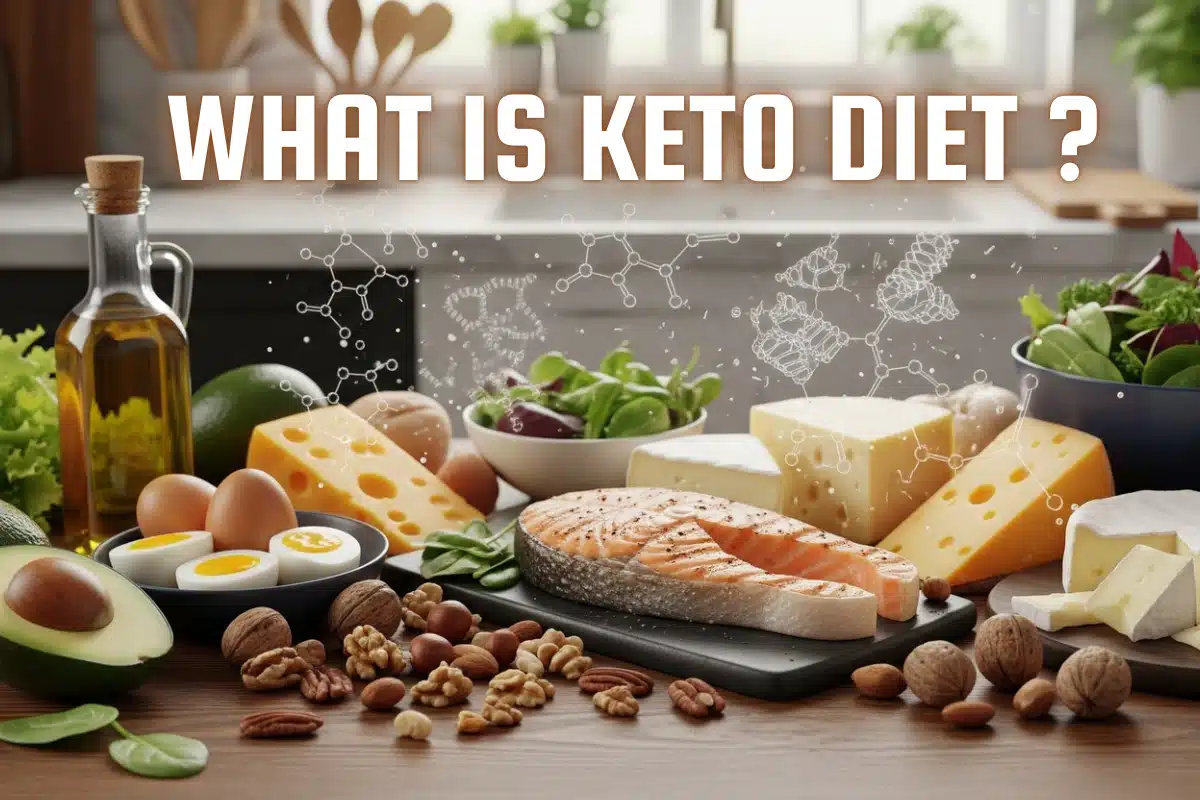
What is the keto diet?
What is the keto diet? A nutritional strategy that shifts the body’s energy source from carbohydrates to fats has gained global attention.
This approach, often called the ketogenic diet, emphasizes high-fat meals while minimizing carb intake.
By drastically reducing sugars and starches, the body enters ketosis—a metabolic state where stored fat becomes the primary fuel.

Research highlights its potential beyond weight management.
Studies suggest this eating pattern may stabilize blood sugar levels, enhance mental clarity, and reduce inflammation.
Athletes and professionals in India increasingly adopt it to boost endurance and focus without relying on carb-heavy staples like rice or roti.
The method isn’t just about cutting carbs—it prioritizes nutrient-dense fats like ghee, coconut oil, and nuts.
Clinical trials link it to improvements in conditions such as epilepsy and type 2 diabetes.
While results vary, many find sustainable success by tailoring the plan to local food preferences.
Key Takeaways – What is the keto diet?
- Shifts metabolism to burn fat instead of carbohydrates
- Supports weight management and metabolic health
- May help manage blood sugar and neurological conditions
- Focuses on high-fat, low-carb whole foods
- Adaptable to diverse cultural cuisines
Introduction to the Ketogenic Lifestyle
Born in hospital wards before conquering kitchens worldwide, this eating plan began as a medical breakthrough.
Doctors at Mayo Clinic pioneered it in 1924 to reduce seizures in epilepsy patients, achieving remarkable results when drugs failed.
Decades later, researchers noticed unexpected benefits like stabilized blood sugar and reduced body fat percentages.
Background and Popularity – What is the keto diet?
Originally designed for neurological care, the protocol gained traction as people discovered its metabolic advantages.
Indian households now adapt it using regional ingredients like paneer and mustard oil, moving beyond Western avocado-centric recipes.
Celebrity endorsements and Instagram success stories fueled its modern rise.
Over 45% of urban fitness enthusiasts surveyed in Mumbai and Delhi have tried low-carb, high-fat regimens.
Nutritionists attribute this shift to growing diabetes concerns and demand for sustainable weight solutions.
Key Concepts Behind Low-Carb, High-Fat Diets
Three pillars define this approach:
| Aspect | Traditional Diet | Ketogenic Plan |
|---|---|---|
| Carb Intake | 45-65% of calories | 5-10% of calories |
| Fat Sources | Limited oils | Ghee, nuts, fatty fish |
| Primary Energy | Glucose | Ketones |
| Medical Use | None | Epilepsy, diabetes |
Unlike conventional plans emphasizing grains, this strategy prioritizes fats for cellular fuel.
Clinical trials show it helps 60% of participants maintain weight loss versus 15% on low-fat regimens.
Indian adaptations often include coconut-based curries and flaxseed roti to meet carb limits.
What is the keto diet? A Comprehensive Overview
Replacing glucose with fat as the primary energy source requires precise nutritional balancing.
A true ketogenic diet follows strict ratios: 70-75% calories from fats, 20-25% from proteins, and just 5-10% from carbohydrates.
This structure differs significantly from standard low-carb plans like Atkins, which gradually increase carb allowances.
Daily carb intake must stay below 50 grams to trigger ketosis—a threshold stricter than most regimens. “Achieving ketosis requires meticulous tracking of carbohydrate intake—it’s not just about adding more ghee to your plate,” notes a 2023 nutrition study published in Indian Journal of Dietetics.
| Macronutrient | Ketogenic Plan | Atkins Diet |
|---|---|---|
| Fat | 70-75% | 50-65% |
| Protein | 20-25% | 25-30% |
| Carbs | 5-10% | 5-20% (phased) |
| Carb Limit | <50g/day | Gradually increases |
| Primary Goal | Sustained ketosis | Weight loss |
While both approaches reduce sugars, the ketogenic method maintains consistent fat dominance. Indian adaptations often use coconut chutneys and sesame-crusted fish to meet targets without rice or wheat. Ketones produced during this process become the brain’s preferred fuel, enhancing mental focus according to clinical trials.
Success hinges on maintaining ratios rather than indiscriminately consuming fatty foods. Regional ingredients like drumstick leaves and turmeric-laden curries help followers stay within carb limits while enjoying familiar flavors.
Understanding Ketosis and Its Role
When carbohydrate intake drops below 50 grams daily, the body activates an ancient survival mechanism. This metabolic shift transforms stored fats into usable fuel—a process perfected through millennia of human evolution.
How Ketosis Occurs – What is the keto diet?
Reducing glucose intake forces the liver to break down fats. Over 3-4 days, three critical changes happen:
- Glycogen reserves deplete completely
- Fat oxidation accelerates by 50-70%
- The liver produces ketone bodies (acetoacetate and β-hydroxybutyrate)
These ketones circulate through the blood, supplying energy to organs that normally depend on sugars. Unlike glucose, they efficiently cross the blood-brain barrier, powering 70% of the brain’s needs during prolonged fasting.
Physiological Benefits of Ketones
Ketones generate 28% more energy per molecule than glucose, according to 2023 metabolic studies. This efficiency translates to:
- Stable mental focus without sugar crashes
- Reduced oxidative stress markers by 19-34%
- Improved insulin sensitivity in muscle tissue
Healthy ketogenic states maintain blood pH balance, unlike diabetic ketoacidosis. Ketone levels plateau safely at 7-8 mmol/l—a natural response to carb restriction rather than a medical crisis.
Keto Diet Basics and Different Versions
Customization drives success in low-carb nutrition plans.
While core principles remain consistent, four distinct approaches let individuals match their fat-fueled eating to personal needs and goals.
Comparing Popular Approaches
The Standard Ketogenic Diet (SKD) serves as the foundation. Its 70% fat, 20% protein, and 10% carb ratio forms the basis of most research.
Athletes often prefer the High-Protein version, boosting protein to 35% while maintaining ketosis through careful carb control.
| Approach | Fat% | Protein% | Carbs% | Best For |
|---|---|---|---|---|
| Standard (SKD) | 70 | 20 | 10 | Beginners, medical use |
| High-Protein | 60 | 35 | 5 | Muscle maintenance |
| Cyclical (CKD) | 75/25* | 20/25* | 5/45* | Competitive athletes |
| Targeted (TKD) | 65 | 25 | 10 | Active professionals |
*Varies between ketogenic and carb-refeed days
Advanced methods like Cyclical Keto alternate between strict low-carb days and strategic carb boosts. Bodybuilders might eat 5 days keto followed by 2 higher-carb days.
The Targeted version permits extra carbs around workouts—ideal for marathon trainers needing quick energy.
Nutritionists recommend starting with basic plans before experimenting. “Mastering carb counting with coconut chutneys and paneer dishes comes first,” advises Mumbai-based dietitian Riya Kapoor.
Complex variations require precise timing and metabolic awareness to maintain benefits.
Nutritional Components of a High Fat Diet
Mastering macronutrient ratios unlocks the body’s fat-burning potential.
Achieving ketosis demands precise control over three elements: carbohydrates, fats, and proteins.
This balance determines whether your metabolism switches to burning stored fat or remains dependent on sugars.
Setting Carb Limits and Increasing Fats
Carb intake becomes the critical lever for metabolic change. Most plans restrict daily consumption to 20-50 grams—equivalent to half a chapati or one small bowl of cauliflower rice.
Focus on net carbs by subtracting fiber from total carbohydrates.
For example, spinach contains 3.6g carbs per 100g but becomes nearly carb-neutral after accounting for 2.2g fiber.
Fat sources should supply 70-80% of total calories.
Prioritize options like:
- Grass-fed ghee and coconut oil for cooking
- Flaxseeds and walnuts for snacks
- Fatty fish like rohu or katla twice weekly
| Traditional Fats | Keto-Friendly Alternatives |
|---|---|
| Refined sunflower oil | Cold-pressed mustard oil |
| Sugary sweets | Dark chocolate (85% cocoa) |
| Fried snacks | Cheese cubes with herbs |
Protein intake requires careful moderation—20-25% of calories prevents muscle loss without triggering glucose production.
A 2023 study found that exceeding 1.6g protein per kg body weight increased gluconeogenesis risks by 38%.
For a 60kg adult, this translates to 96g daily—roughly three palm-sized portions of paneer or chicken.
Indian adaptations thrive using regional ingredients. Replace potato curry with sautéed bitter gourd cooked in coconut oil.
Swap rice for cauliflower upma seasoned with sesame seeds.
These tweaks maintain cultural flavors while aligning with fat-focused nutrition.
Benefits for Weight Loss and Diabetes Management
Emerging research reveals how low-carb nutrition strategies create metabolic advantages beyond simple calorie reduction.
These approaches trigger biological changes that help manage body composition and blood sugar simultaneously.

Impact on Insulin and Blood Sugar Levels
Restricting carbohydrates directly addresses insulin resistance—a key factor in type 2 diabetes.
Studies show: What is the keto diet?
- 75% improvement in insulin sensitivity within 12 weeks
- Average HbA1c reduction of 1.5% in diabetic patients
- Fasting glucose levels dropping by 20-30%
This occurs because the body stops relying on glucose spikes for energy. A 2023 trial demonstrated that participants reduced diabetes medication doses by 40% while maintaining stable blood sugar levels.
Long-Term Health Improvements – What is the keto diet?
Sustained adherence to low-carb plans yields measurable cardiovascular benefits:
| Marker | Improvement | Timeframe |
|---|---|---|
| Triglycerides | 24% decrease | 6 months |
| HDL Cholesterol | 18% increase | 1 year |
| Inflammation | 35% reduction | 3 months |
These changes correlate with reduced heart disease risk.
Participants in long-term studies maintained weight loss of 7-10% body weight—double the results of low-fat diet groups.
The natural appetite suppression from ketones helps people lose weight without calorie counting.
One analysis found individuals consumed 400 fewer calories daily without conscious effort, making sustained results more achievable.
Healthy Keto Foods You Can Enjoy
Exploring flavorful options makes sticking to a low-carb lifestyle enjoyable and sustainable.
By focusing on quality ingredients, you can create satisfying meals that align with health goals. Fresh, whole foods form the foundation of successful meal planning.
Keto meal prep
Proteins, Fats, and Low-Carb Vegetables
Protein-rich choices like chicken, turkey, and eggs provide essential amino acids without excess carbs. Fatty fish such as salmon or mackerel add omega-3s while keeping meals interesting. For quick snacks, try cheese cubes or roasted nuts.
Healthy fats from grass-fed butter or coconut oil enhance flavor and support ketosis. Cooking vegetables like spinach and cauliflower in ghee boosts nutrient absorption. These low-carb options work well in Indian curries or stir-fries.
Smart swaps help maintain cultural food traditions.
Replace potato sabzi with sautéed bitter gourd.
Use cauliflower rice as a base for biryani spices. These adjustments keep meals familiar while aligning with nutritional targets.
FAQ – What is the keto diet?
How does ketosis help with fat loss?
Ketosis shifts the body’s energy source from glucose to stored fats, increasing fat-burning efficiency. This metabolic state suppresses appetite hormones like ghrelin, aiding calorie control without hunger spikes.
Can a ketogenic diet improve type 2 diabetes management?
Yes. By reducing carb intake, insulin levels stabilize, and blood sugar fluctuations decrease. Studies show improved HbA1c levels in many individuals, lowering dependency on medication over time.
What fats are recommended for a healthy keto lifestyle?
Prioritize unsaturated fats like avocado, olive oil, and nuts. Moderate saturated fats from grass-fed butter or coconut oil. Avoid processed trans fats found in fried foods or packaged snacks.
Are there risks linked to long-term keto diets?
Potential side effects include nutrient deficiencies, liver strain, or elevated LDL cholesterol. Consult a healthcare provider to monitor markers like kidney function and adjust fat intake if needed.
How does cyclical keto differ from standard keto?
Cyclical keto incorporates planned carb-refeed days, often for athletes needing glycogen replenishment. Standard keto maintains strict low-carb, high-fat ratios daily without deviations.
Can you eat vegetables on a low-carb, high-fat diet?
Absolutely. Focus on non-starchy options like spinach, broccoli, and zucchini. These provide fiber, vitamins, and minerals while keeping net carbs under 20–50 grams daily.
Does the ketogenic diet benefit heart health?
Research is mixed. While some studies note improved triglycerides and HDL cholesterol, others warn about increased LDL. Balance fat sources and prioritize whole foods to support cardiovascular wellness.
Why do some people experience fatigue during keto adaptation?
The “keto flu” occurs as the body transitions from glucose to ketones. Symptoms like fatigue or headaches typically resolve within weeks. Staying hydrated and replenishing electrolytes can ease this phase.

Dr. Shabbir Hussain, BPT Licensed Physiotherapist | Clinical Rehabilitation SpecialistMaharashtra OTPT Council Reg. No. PR-2021/08/PT/009532Society of Onco Physiotherapists Reg. No. SOP/00033/LM
He is a licensed physiotherapist with over 8 years of experience in physiotherapy, kidney rehabilitation, oncological rehabilitation, and lymphedema management. He specializes in balance disorders, pain management, musculoskeletal rehabilitation, strengthening programs, and VR-based rehabilitation.
Dr. Shabbir Hussain (BPT)