Avoid Body Overheating Post-Workout with These Tips
Avoid Body Overheating Post-Workout with These Tips . After an intense exercise session, it’s common to feel overheated.
Post-workout overheating can be uncomfortable and even dangerous if not managed properly.
Regulating body temperature is crucial for a safe and effective recovery.
In this article, we’ll explore practical tips to help you avoid exercise heat stress and cool down after your workout.

Key Takeaways – Avoid Body Overheating Post-Workout with These Tips
- Understand the causes of post-workout overheating
- Learn effective methods for cooling down after exercise
- Discover how to regulate body temperature during intense physical activity
- Implement strategies to avoid exercise heat stress
- Enhance your recovery with proper post-workout routines
Understanding Post-Workout Overheating
During intense exercise, the body’s temperature regulation can be pushed to its limits, causing overheating. This natural response is a result of the body’s effort to cool itself down through sweating.
Why Your Body Temperature Rises During Exercise
When you exercise, your muscles generate heat due to increased metabolic activity. This heat is usually dissipated through sweating, but in intense or prolonged exercise, the body’s ability to cool down can be overwhelmed, leading to a rise in body temperature.
Warning Signs of Dangerous Overheating
It’s crucial to recognize the signs of dangerous overheating, which include dizziness, nausea, headache, and rapid heartbeat. If you or someone you’re exercising with experiences these symptoms, it’s essential to stop and rest in a cool environment.
Health Risks of Untreated Post-Exercise Heat Stress
Ignoring the signs of overheating can lead to serious health issues, including heat exhaustion and heatstroke.
“Proper hydration and cooling down after exercise are crucial steps in preventing heat-related illnesses.”
Understanding these risks and taking preventive measures can ensure a safer workout experience.
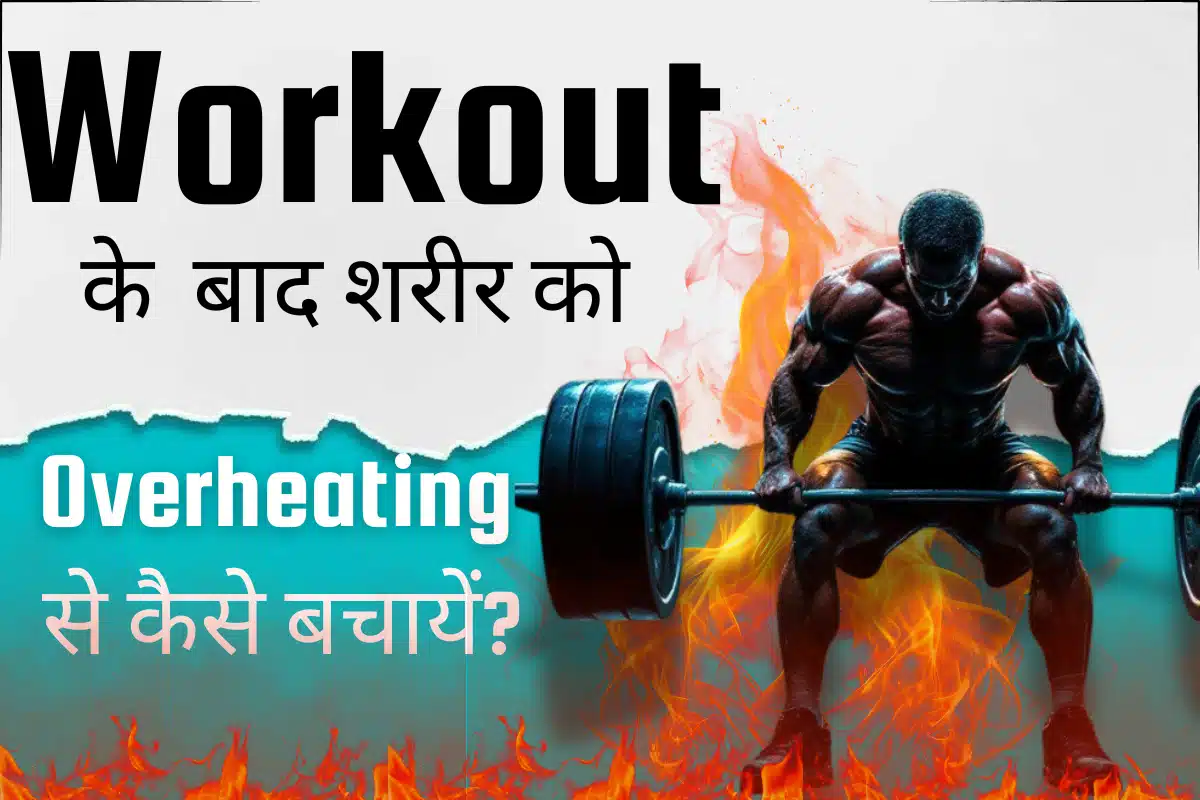
Workout के बाद शरीर को overheating से कैसे बचायें?
Exercise-induced overheating can be managed through a combination of hydration, clothing choices, and nutritional strategies.
When you work out, your body temperature rises, and if not managed properly, it can lead to overheating.
Here are some actionable tips to help you prevent body overheating after a workout.
Strategic Hydration: Before, During, and After Your Workout
Hydration is crucial in regulating body temperature.
Drinking water before, during, and after your workout can significantly help in maintaining your body’s thermal balance.
Aim to drink at least 16-20 ounces of water 1-2 hours before exercise, 7-10 ounces every 10-20 minutes during exercise, and 16-24 ounces for every pound of body weight lost after exercise.
Effective Cooling Down Techniques
Cooling down after a workout is essential to gradually bring your body temperature back to normal.
Effective techniques include static stretches that help relax your muscles and improve flexibility.
You can also use cooling towels or take a cold shower post-workout to rapidly lower your body temperature.

Choosing the Right Workout Clothing and Environment
The clothing you wear during a workout can significantly impact your body temperature.
Additionally, choosing a workout environment with good ventilation or exercising in a cooler environment can help prevent overheating.
Temperature-Regulating Foods and Recovery Nutrition
Your diet also plays a crucial role in regulating body temperature.
Consuming hydrating foods like watermelon and cucumber can help. Additionally, incorporating cooling foods such as mint into your recovery nutrition can aid in lowering your body temperature.
Electrolyte-rich foods or supplements can also help replenish lost salts during intense workouts.
By implementing these strategies, you can effectively manage and prevent body overheating after your workouts, ensuring a safer and more enjoyable exercise experience.
Avoiding Post-Workout Overheating for a Healthier You
Maintaining optimal body temperature regulation is crucial during post-workout recovery.
By understanding the risks associated with post-exercise heat stress and implementing strategic hydration, effective cooling down techniques, and choosing the right workout clothing, you can significantly enhance your overall workout experience.
Regulating your body temperature after a workout is vital for a smooth and safe recovery.
By incorporating temperature-regulating foods and recovery nutrition into your routine, you can further support your body’s natural cooling processes, ensuring a healthier and more effective post-workout recovery.
By putting these tips into practice, you’ll not only improve your post-workout recovery but also contribute to a healthier lifestyle.
Effective body temperature regulation and a well-planned recovery strategy are key to unlocking your full fitness potential.
FAQ
What are the common symptoms of post-workout overheating?
Common symptoms include dizziness, nausea, headaches, and excessive sweating. If you’re experiencing any of these, it’s crucial to cool down and rehydrate.
How can I prevent dehydration during my workout?
To prevent dehydration, drink water before, during, and after your workout. You can also consider electrolyte-rich beverages or supplements, especially during intense or long workouts.
What type of clothing is best for regulating body temperature during exercise?
Opt for lightweight, breathable, and moisture-wicking clothing. Avoid dark colors, as they absorb heat, and instead choose light-colored attire that reflects the sun’s rays.
Are there specific foods that can help regulate body temperature after a workout?
Yes, certain foods like watermelon, cucumbers, and celery can help cool down your body. Additionally, incorporating antioxidant-rich foods and electrolyte-dense snacks can aid in recovery and temperature regulation.
How can I cool down effectively after a workout?
Effective cooling down techniques include taking a cold shower, using cooling packs, or simply resting in a cool, well-ventilated area. You can also try static stretches to help your body gradually return to its normal state.
Can certain health conditions increase the risk of post-workout overheating?
Yes, conditions like hyperthyroidism, heart disease, and obesity can increase your risk. It’s essential to consult with your healthcare provider to understand your specific risks and develop a safe exercise plan.
How can I stay safe while exercising outdoors in hot weather?
To stay safe, exercise during cooler parts of the day, wear protective gear like hats and sunglasses, and stay hydrated. Be aware of the signs of heat exhaustion and heatstroke, and adjust your workout intensity and duration accordingly.

Dr. Shabbir Hussain, BPT Licensed Physiotherapist | Clinical Rehabilitation SpecialistMaharashtra OTPT Council Reg. No. PR-2021/08/PT/009532Society of Onco Physiotherapists Reg. No. SOP/00033/LM
He is a licensed physiotherapist with over 8 years of experience in physiotherapy, kidney rehabilitation, oncological rehabilitation, and lymphedema management. He specializes in balance disorders, pain management, musculoskeletal rehabilitation, strengthening programs, and VR-based rehabilitation.
Dr. Shabbir Hussain (BPT)