Written by Dr. Shabbir Hussain, BPT, Registered Physiotherapist | Clinical Rehabilitation Specialist
QUICK ANSWER
Stroke symptoms can indicate a medical emergency in which blood supply to part of the brain is interrupted or a blood vessel ruptures. Recognising warning signs such as facial drooping, arm weakness and speech difficulty can save valuable time. Immediate hospital treatment and appropriate rehabilitation can improve recovery and reduce the risk of long-term disability. Even if symptoms disappear, emergency medical assessment is essential.
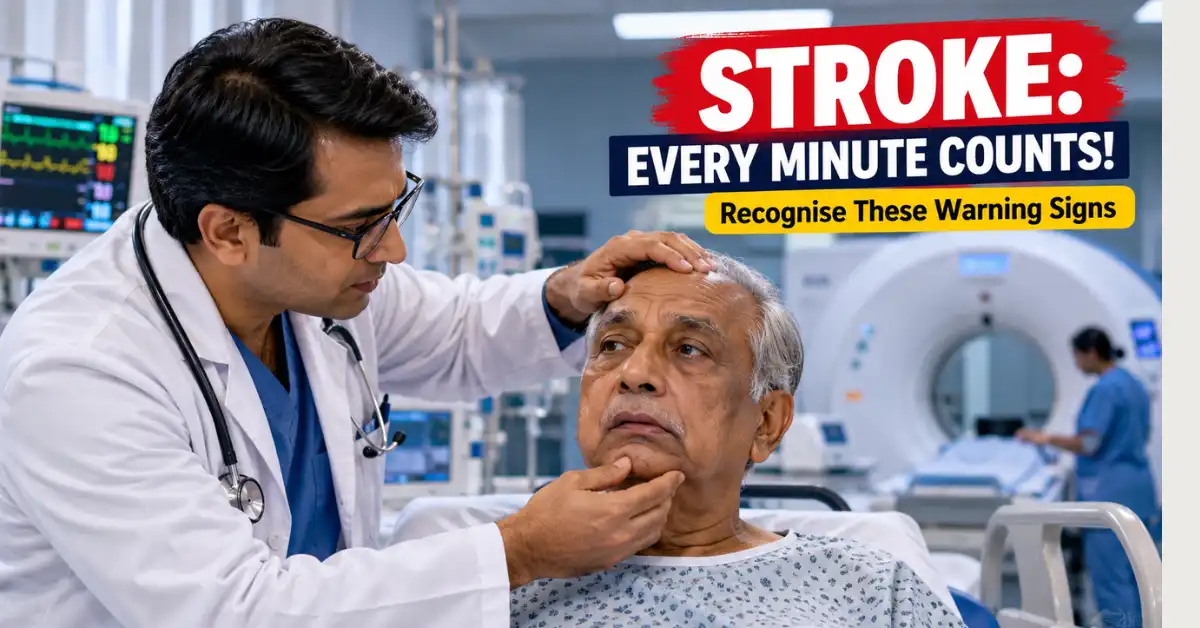
A person suddenly struggles to speak, one side of their face droops, or an arm becomes weak. These symptoms may indicate a stroke, and waiting to see whether they improve can cost valuable treatment time.
Stroke is a leading cause of death and long-term disability worldwide. According to the World Stroke Organization, approximately 12 million people experience a stroke each year. Early recognition, emergency treatment and continued rehabilitation are essential for better outcomes.
What Is a Stroke and What Causes It?
A stroke occurs when blood flow to part of the brain becomes blocked or a blood vessel ruptures. Without adequate oxygen and nutrients, brain cells begin to become damaged.
There are two major types:
- Ischaemic stroke: Caused by a blood clot or blockage in a brain artery.
- Haemorrhagic stroke: Occurs when a blood vessel in the brain ruptures and causes bleeding.
High blood pressure, diabetes, high cholesterol, smoking, obesity, physical inactivity and certain heart conditions can increase stroke risk.
How to Recognise Stroke Symptoms: Remember B.E. FAST
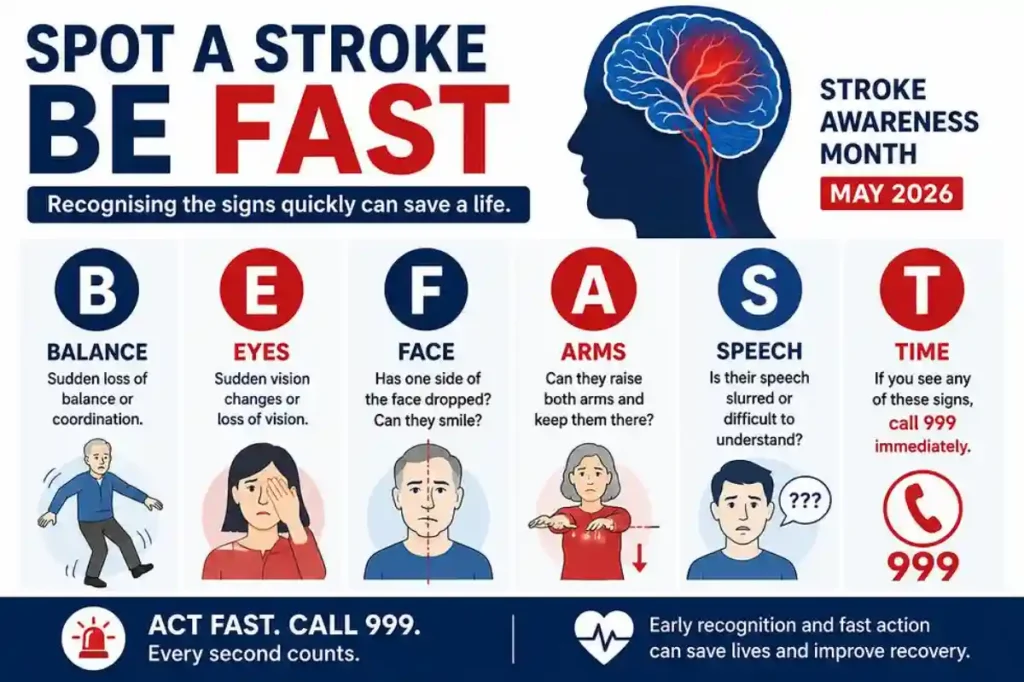
Stroke symptoms usually appear suddenly. Recognising the warning signs early can help patients receive emergency treatment sooner. The B.E. FAST method is a simple way to identify common stroke symptoms.
Understanding the B.E. FAST Stroke Warning Signs
- B – Balance Loss: Sudden dizziness, difficulty walking, loss of coordination or unexpected loss of balance.
- E – Eye (Vision) Changes: Sudden blurred vision, double vision or partial or complete loss of vision in one or both eyes.
- F – Face Drooping: One side of the face suddenly becomes weak or numb. Ask the person to smile and check whether their smile looks uneven.
- A – Arm Weakness: One arm suddenly becomes weak or numb. Ask the person to raise both arms and check whether one arm drifts downward.
- S – Speech Difficulty: Speech may become slurred, unclear or difficult to understand. Ask the person to repeat a simple sentence.
- T – Time to Call Emergency Services: If any of these symptoms appear suddenly, call an ambulance immediately. In India, dial 112 or 108.
Other Important Stroke Warning Signs
Apart from B.E. FAST symptoms, watch for:
- Sudden numbness or weakness, particularly on one side of the body.
- Sudden confusion or difficulty understanding others.
- Sudden severe headache with no known cause.
- Sudden difficulty swallowing.
- Unexpected nausea or vomiting, particularly with other neurological symptoms.
What Should You Do If You Notice Stroke Symptoms?
- Call emergency services immediately: Do not wait for symptoms to improve.
- Record the time: Note when symptoms first appeared or when the person was last known to be well.
- Arrange emergency transport: Prefer an ambulance rather than private transport.
- Do not give food, water or medication: Avoid aspirin unless specifically instructed by medical professionals.
- Reach a stroke-capable hospital: Early assessment and brain imaging help doctors determine the appropriate treatment.
Remember: Every minute matters during a stroke. Early recognition and emergency treatment can reduce brain damage and improve the chances of recovery.
What Should You Do Immediately During a Stroke?
- Call 112 immediately in India, or use your state’s operational ambulance service number. Do not wait for symptoms to improve.
- Note the exact time symptoms started or when the person was last known to be well.
- Keep the person safe and monitor their breathing and responsiveness.
- Do not give food, water, aspirin or other medicines unless directed by medical professionals.
- Do not delay hospital transfer while waiting for symptoms to improve.
What Treatments Are Available for Stroke?
Treatment depends on the stroke type and how much time has passed.
- Thrombolysis: Eligible patients with an ischaemic stroke may receive clot-dissolving medication, generally within 4.5 hours of symptom onset.
- Mechanical thrombectomy: Selected patients with a large-vessel blockage may benefit from a procedure to remove the clot. Imaging-based assessment can allow treatment in some cases up to 24 hours after they were last known to be well.
A CT or MRI scan helps doctors identify the type of stroke and select appropriate treatment. These treatments are not suitable for every patient.
Can a Person Recover From a Stroke After 3 Years?
Yes. Recovery can continue even several years after a stroke, although the pace and extent of improvement vary between individuals.
Some people experience persistent weakness, balance problems, speech difficulties or reduced coordination. Structured rehabilitation, repetitive task-specific exercises and regular reassessment can help improve functional abilities, even during long-term recovery.
The outcome depends on the severity of the original stroke, the brain areas affected, associated medical conditions and rehabilitation participation.
Is a Stroke Considered a Disability?
A stroke can cause temporary or permanent disability, depending on its effects.
Some survivors regain their independence, while others may experience long-term difficulties with walking, speaking, swallowing, memory or everyday activities. Whether someone qualifies for formal disability recognition depends on the applicable assessment criteria and the extent of their functional limitations.
Can You Live a Normal Life After a Stroke?
Yes. Many stroke survivors return to independent living, work, social activities and family responsibilities.
However, recovery differs from person to person. Some may need mobility aids, home modifications, speech therapy or ongoing medical support. Controlling blood pressure, diabetes and cholesterol is also important to reduce the risk of another stroke.
How Long Does It Take to Recover From a Brain Stroke?
There is no fixed recovery timeline.
- First few days: Medical stabilisation and assessment of neurological damage.
- First few weeks: Rehabilitation may begin once the patient is medically stable.
- Three to six months: Many patients make substantial functional improvements.
- Six months to several years: Further improvements may occur through continued rehabilitation and practice.
Some people recover quickly, while others need long-term support. Progress should be assessed individually rather than judged by a fixed deadline.
How Physiotherapy Can Help After a Stroke
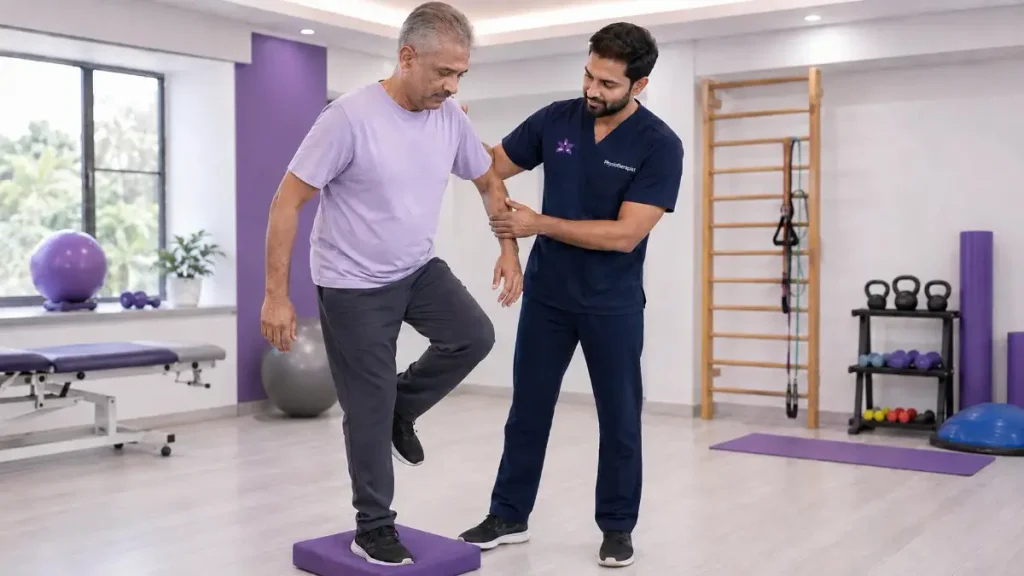
Physiotherapy is an important part of stroke rehabilitation. It focuses on improving movement, balance, strength and functional independence.
Depending on the patient’s condition, rehabilitation may include:
- Range-of-motion exercises: To maintain joint mobility and reduce stiffness.
- Strengthening exercises: To improve muscle activation and functional strength.
- Balance training: To improve postural control and reduce fall risk.
- Gait training: To improve walking ability and coordination.
- Functional training: Practising activities such as standing, transferring and climbing steps when appropriate.
A physiotherapist should develop an individualised rehabilitation programme after assessing the patient’s neurological status, muscle strength, balance and functional abilities.
Speech and swallowing difficulties may require assessment by appropriate speech and language professionals.
How Can You Reduce Your Risk of Stroke?
Prevention begins with managing controllable risk factors:
- Monitor and control blood pressure.
- Manage diabetes and cholesterol.
- Avoid smoking and tobacco.
- Maintain a healthy body weight.
- Follow a balanced, nutritious diet.
- Participate in regular physical activity.
- Follow prescribed treatment for heart conditions, including atrial fibrillation.
The key takeaway: Stroke treatment is time-sensitive, but recovery does not end when the patient leaves the hospital. Early emergency care, appropriate medical treatment, risk-factor management and personalised rehabilitation all play important roles in reducing disability and improving quality of life.
MEDICAL SOURCES
1. World Health Organization (WHO) — Stroke
2. American Heart Association — 2026 Guidelines for Acute Ischaemic Stroke
3. NHS — Recovering from a Stroke
4. World Stroke Organization — Impact of Stroke
5. Government of India — Emergency Response Support System
MEDICAL DISCLAIMER
This article is for general educational and informational purposes only. It is not a substitute for professional medical diagnosis, treatment, or individualized medical advice. If you have persistent, severe, worsening, or concerning symptoms, consult a qualified healthcare professional. Seek urgent medical care for emergency symptoms.
Dr. Shabbir Hussain, BPT
Registered Physiotherapist | Clinical Rehabilitation Specialist
Maharashtra OTPT Council Reg. No.: PR-2021/08/PT/009532
Society of Onco Physiotherapists Reg. No.: SOP/00033/LM
Dr. Shabbir Hussain, BPT, Registered Physiotherapist with over 8 years of experience in physiotherapy, kidney rehabilitation, oncological rehabilitation, and lymphedema management. He specializes in balance disorders, pain management, musculoskeletal rehabilitation, strengthening programs, and VR-based rehabilitation.