✔ Written by: Dr. Shabbir Hussain (BPT)
✔ Experience: 8+ Years | Physiotherapy & Rehabilitation
✔ Medically Reviewed: Evidence-based clinical review
✔ Last Updated: April 2026
✔ Sources: WHO, PubMed, Clinical Guidelines
Your Legs Feel Heavy?
Every morning, Ramesh (42, Nagpur) woke up with heavy, tight legs.
He ignored it.
“बस थकान होगी…” he thought.
3 months later—he couldn’t walk properly without pain.
👉 Diagnosis? Poor blood circulation in legs.
⚠️ Here’s the truth:
Your body whispers before it screams.
And poor blood flow in your legs is one of those silent warnings.
This content is intended for informational and educational purposes only and should not be considered medical advice. Always consult a licensed healthcare professional or physiotherapist before starting any treatment, exercise, or lifestyle modification, especially if you have underlying medical conditions such as diabetes, cardiovascular disease, or neurological disorders.
📌 What Is Poor Blood Flow in Legs?
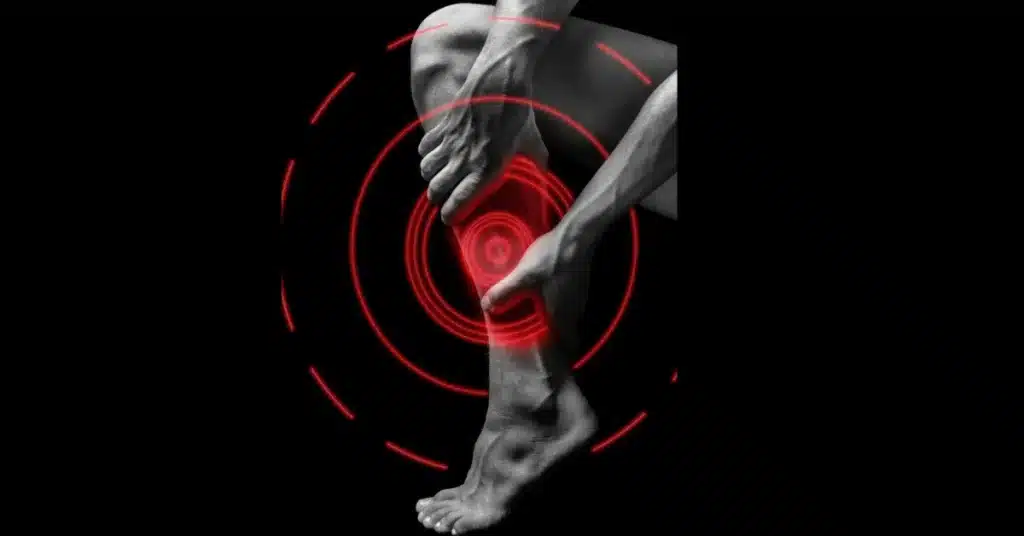
Poor blood flow (Peripheral Circulation Issue) means your arteries struggle to deliver enough oxygen-rich blood to your legs.
According to the World Health Organization, circulation problems are often linked with lifestyle diseases like diabetes, obesity, and inactivity.
👉 Medically, this condition can progress to Peripheral Artery Disease (PAD).
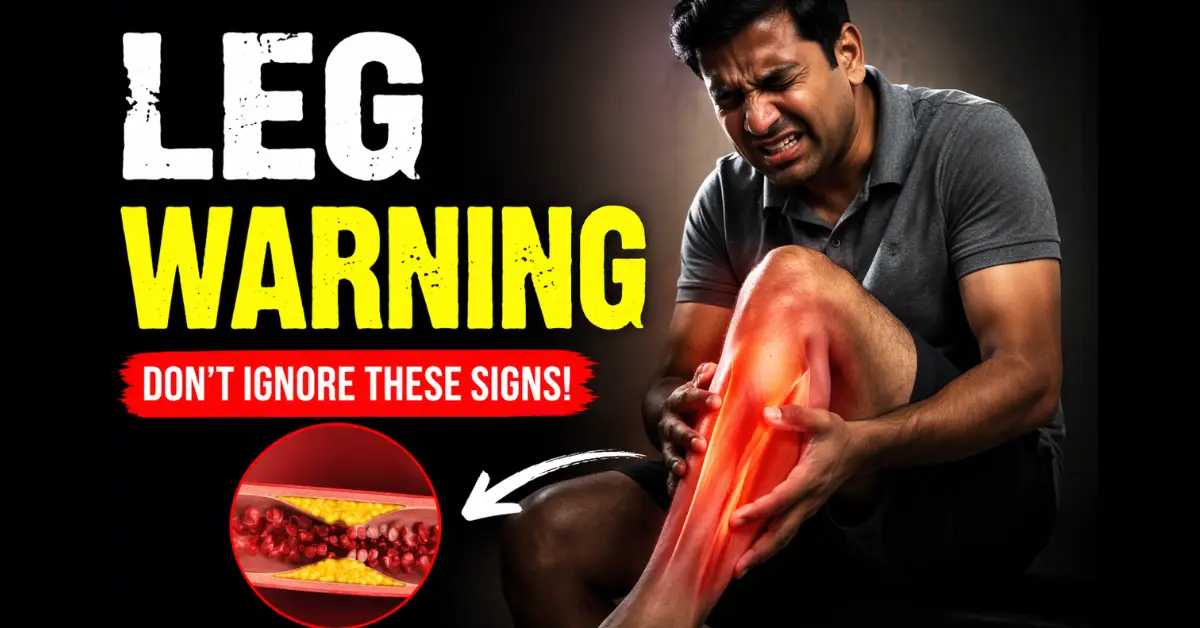
⚠️ The Hidden Danger (Don’t Ignore This when Your Legs Feel Heavy?)
Poor circulation is not just discomfort.
It’s a slow damage process.
According to National Institutes of Health:
- Reduced blood flow → tissue damage
- Chronic blockage → risk of ulcers
- Severe cases → amputation risk
Real Impact:
- Walking becomes painful
- Healing slows down
- Nerve damage increases
Causes & Risk Factors
According to clinical evidence:
Lifestyle
- Long sitting (office work)
- No physical activity
- Smoking
Medical Conditions
- Diabetes
- High BP
- High cholesterol
Modern Habits
- Mobile use for hours
- Poor posture
- Lack of sunlight exposure
🚨 Warning Signs (Don’t Ignore These)
Early Signs
- Tingling in legs
- Cold feet
- Mild swelling
Advanced Symptoms
- Severe leg pain while walking
- Skin color change
- Slow wound healing
👉 Red flag: Pain that reduces after rest = circulation issue warning
Diagnosis & Medical Standards
Doctors may recommend:
- Doppler Ultrasound
- Ankle-Brachial Index (ABI)
- Blood tests
Guidelines supported by PubMed clinical studies.
Proven Ways to Increase Blood Flow in Legs Naturally
1. Walking – The Most Powerful Medicine
Just 30 minutes daily improves circulation significantly.
2. Leg Elevation
Helps blood return to heart → reduces swelling
3. Physiotherapy Exercises
Ankle Pumps
Calf Raises
4. Stay Hydrated
Blood thickens when dehydrated → circulation worsens
5. Avoid Sitting for Long
Every 30–40 mins → stand & move
6. Compression Therapy (if advised)
Myth vs Fact
❌ “Leg pain is normal with age”
✔ Fact: It can indicate circulation problems
❌ “Rest is enough”
✔ Fact: Movement is essential
Prevention Strategy
- Daily 5–7k steps minimum
- Avoid smoking
- Control sugar & BP
- Stretch daily
When to See a Doctor
- Persistent leg pain
- Non-healing wounds
- Severe swelling
- Sudden numbness
⚠️ Agar aapko swelling + heaviness + pain hai → doctor dikhao
Physiotherapy services in Nagpur🚫 Who Should Avoid Self-Treatment
- Diabetic patients
- Heart disease patients
- Severe pain cases
👨⚕️ Real-life story
In my clinical observation, most patients come late.
One patient ignored leg heaviness for months.
By the time he came → walking distance reduced to 100 meters.
👉 Early physiotherapy could have prevented this.
FAQs
Q1: How can I increase blood flow in legs quickly?
Walking, ankle exercises, and hydration help immediately.
Q2: Is poor circulation dangerous?
Yes, it can lead to serious complications if ignored.
Q3: Which exercise is best?
Walking + calf raises are most effective.
Q4: Does massage help?
Yes, but only temporary relief.
Q5: Can sitting cause this?
Yes, prolonged sitting is a major cause.
Q6: Is it reversible?
Early stages – yes, with lifestyle changes.
🧾 References
- World Health Organization. (2023). Cardiovascular Diseases
- National Institutes of Health. Peripheral Artery Disease
- PubMed Clinical Studies on Circulation

Dr. Shabbir Hussain, BPT
Registered Physiotherapist | Clinical Rehabilitation Specialist
Maharashtra OTPT Council Reg. No.: PR-2021/08/PT/009532
Society of Onco Physiotherapists Reg. No.: SOP/00033/LM
Dr. Shabbir Hussain, BPT, Registered Physiotherapist with over 8 years of experience in physiotherapy, kidney rehabilitation, oncological rehabilitation, and lymphedema management. He specializes in balance disorders, pain management, musculoskeletal rehabilitation, strengthening programs, and VR-based rehabilitation.