
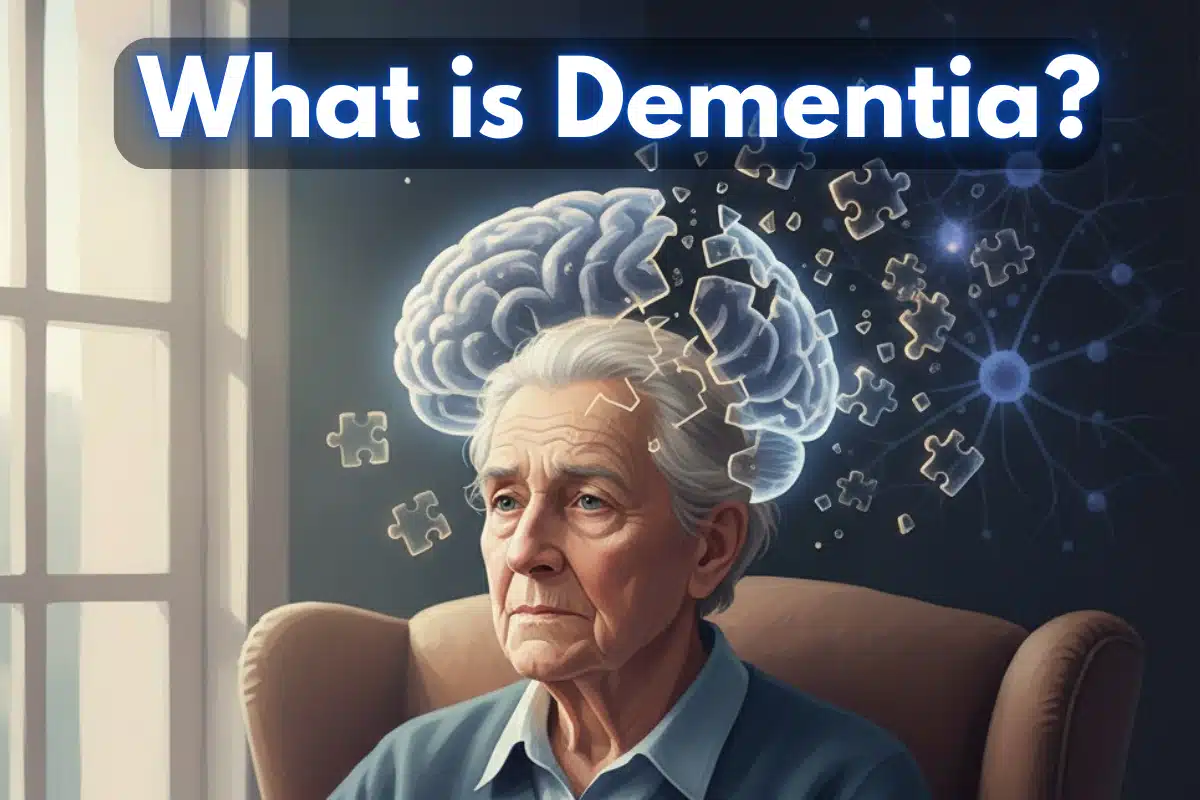
Dementia: What You Need to Know for a Better Quality of Life
Understanding dementia is crucial for improving the quality of life for those affected by it. This condition impacts not only the individual but also their loved ones, making it essential to grasp its implications.

As we navigate the complexities of dementia, it becomes clear that awareness and proactive measures can significantly enhance the well-being of those diagnosed. This article aims to provide valuable insights into dementia care and prevention strategies.
Key Takeaways – What is dementia?
- Understanding dementia is key to improving quality of life.
- Dementia care involves a comprehensive approach.
- Prevention strategies can reduce the risk of dementia.
- Awareness and education are crucial for families affected by dementia.
- Early diagnosis can significantly impact dementia management.
What Is Dementia: Beyond Memory Loss
Dementia encompasses a range of cognitive impairments that significantly impact daily life. It’s a condition that affects not just memory, but also thinking, behavior, and the ability to perform everyday activities.
The Clinical Definition of Dementia
Dementia is clinically defined as a syndrome characterized by a decline in cognitive function, including memory loss, difficulty with communication, problem-solving, and judgment. These symptoms are severe enough to interfere with daily life.
How Dementia Differs from Normal Aging
While some memory loss is a normal part of aging, dementia is distinct from normal aging due to its severity and impact on daily functioning. Key differences include:
- Difficulty with learning new information
- Disorientation to time and place
- Trouble with communication and language
- Changes in mood and personality
The Progressive Nature of Cognitive Decline
Dementia is a progressive condition, meaning that symptoms worsen over time. The rate of progression varies among individuals and depends on the underlying cause of dementia.
Understanding the clinical definition, differences from normal aging, and the progressive nature of dementia is crucial for providing appropriate care and support. By recognizing the symptoms of dementia early, individuals can receive timely medical attention and improve their quality of life.
The Growing Challenge of Dementia in India
The prevalence of dementia in India is on the rise, necessitating urgent attention and action. As the population ages, the number of individuals affected by dementia is expected to increase significantly.
Current Statistics and Future Projections
India is home to a substantial number of people living with dementia. Current estimates suggest that approximately 4 million people are affected, with projections indicating a rise to around 7.6 million by 2030.
| Year | Estimated Number of People with Dementia (in millions) |
|---|---|
| 2020 | 4 |
| 2030 | 7.6 |
Unique Cultural Factors Affecting Dementia Care
Cultural beliefs and family structures play a significant role in dementia care in India. Traditionally, family members are the primary caregivers, but changing societal dynamics are challenging this norm.
Awareness Gaps in Indian Society
Despite the growing prevalence of dementia, there remains a significant lack of awareness about the condition, its symptoms, and the available care options in Indian society.
Awareness and understanding are crucial in addressing the challenges posed by dementia. Efforts to educate the public and healthcare professionals are essential for improving dementia care in India.
Types of Dementia and Their Distinctive Features
Understanding the different types of dementia is crucial for providing appropriate care and support. Dementia is a broad term that describes a decline in cognitive function, including memory loss, difficulty with communication, problem-solving, and other thinking abilities. The various forms of dementia have distinct characteristics, making it essential to identify the specific type to manage symptoms effectively.
Alzheimer’s Disease: The Most Common Form
Alzheimer’s disease is the most prevalent form of dementia, accounting for 60-80% of dementia cases. It is a progressive disorder that affects memory, thinking, and behavior. Early symptoms include memory loss, confusion, and difficulty with communication. As the disease advances, individuals may experience significant cognitive decline and require full-time care.
Vascular Dementia: Understanding Stroke-Related Cognitive Decline
Vascular dementia is the second most common type of dementia, resulting from reduced blood flow to the brain, often due to a stroke or small vessel disease. Symptoms can include difficulty with planning, decision-making, and judgment. Managing vascular dementia involves addressing the underlying vascular risk factors.
Lewy Body Dementia: Hallucinations and Movement Issues
Lewy Body dementia is characterized by the presence of abnormal protein clumps called Lewy bodies in the brain. It leads to cognitive decline, hallucinations, and motor symptoms similar to Parkinson’s disease. Fluctuating cognitive function and visual hallucinations are hallmark symptoms.
Other Types: Frontotemporal, Mixed, and Rare Dementias
Other forms of dementia include frontotemporal dementia, which affects personality and behavior, and mixed dementia, where multiple types of dementia coexist. There are also rare forms of dementia, such as Creutzfeldt-Jakob disease. Each type has its unique set of symptoms and progression.
Recognizing the different types of dementia is vital for providing personalized care and improving the quality of life for individuals affected by these conditions.
Early Signs of Dementia That Shouldn’t Be Ignored
Recognizing the early signs of dementia is crucial for timely intervention and support. Dementia is a progressive condition that affects memory, thinking, and behavior, and early detection can significantly impact the quality of life for those affected.
Memory Changes Beyond Normal Forgetfulness
One of the earliest signs of dementia is memory loss that goes beyond normal forgetfulness. This can include forgetting recently learned information, important dates, or events, and repeatedly asking for the same information.
Language and Communication Difficulties
People with early dementia may experience difficulty with language and communication. They might struggle to find the right words, follow or participate in conversations, or understand written or spoken language.
Personality and Mood Alterations
Changes in personality and mood are common in the early stages of dementia. Individuals may become easily agitated, anxious, or withdrawn, and may show rapid mood swings.
Spatial Awareness and Navigation Problems
Dementia can also affect spatial awareness and navigation. People may have trouble understanding visual information, judging distances, or navigating familiar environments.
| Early Sign | Description |
|---|---|
| Memory Loss | Forgetting recently learned information or important dates |
| Communication Difficulty | Struggling to find the right words or follow conversations |
| Mood Changes | Becoming easily agitated, anxious, or withdrawn |
| Spatial Awareness Issues | Trouble understanding visual information or judging distances |
Being aware of these early signs can help individuals and their families seek medical attention early, potentially improving their quality of life.
Understanding the Causes and Risk Factors of Dementia
Dementia risk is influenced by a range of factors, from genetics to lifestyle choices. Understanding these elements can provide insights into potentially mitigating the risk of developing dementia.
Genetic Predisposition: What We Know
Genetics play a significant role in the risk of developing dementia. Certain genetic mutations can increase the likelihood of dementia, particularly in cases of early-onset Alzheimer’s disease. However, genetic factors are just one part of the overall risk profile.
Modifiable Risk Factors: Diet, Exercise, and Lifestyle
Lifestyle choices, including diet and physical activity, have been shown to impact dementia risk. A healthy diet rich in fruits, vegetables, and whole grains, combined with regular physical exercise, can contribute to a reduced risk. Additionally, managing cardiovascular risk factors through lifestyle adjustments is crucial.
Medical Conditions That Increase Vulnerability
Certain medical conditions, such as diabetes, hypertension, and stroke, can increase the risk of dementia. Managing these conditions effectively is vital in reducing the overall risk.
Age, Gender, and Ethnicity Considerations
Age is the strongest risk factor for dementia, with the risk increasing significantly after the age of 65. Gender and ethnicity also play roles, with some studies suggesting variations in risk across different populations.
The Dementia Diagnosis Journey
A dementia diagnosis is more than just a medical verdict; it’s a gateway to appropriate care and support. In India, the journey to this diagnosis is multifaceted, involving timely medical consultations, comprehensive assessments, and sensitive handling of the diagnosis.
When to Consult a Doctor in India
Recognizing the early signs of dementia is crucial. If memory loss, communication difficulties, or significant personality changes are observed, it’s essential to consult a doctor. Early diagnosis can help manage symptoms more effectively.
Cognitive Assessments and Neurological Exams
Cognitive assessments evaluate memory, problem-solving skills, and language abilities. Neurological exams check for signs of other conditions that could cause dementia symptoms, ensuring an accurate diagnosis.
Brain Imaging and Laboratory Tests
Brain imaging techniques like MRI or CT scans help identify causes of dementia, such as vascular dementia. Laboratory tests rule out other potential causes, ensuring a precise diagnosis.
Receiving and Processing the Diagnosis
Receiving a dementia diagnosis can be challenging. Support from healthcare professionals, family, and support groups can help individuals and their families cope with the diagnosis and plan for the future.
Treatment Approaches for Managing Dementia Symptoms
A comprehensive treatment plan is essential for addressing the complex needs of individuals with dementia. This plan typically involves a combination of medical treatments, lifestyle adjustments, and supportive care strategies tailored to the individual’s specific needs and the type of dementia they are experiencing.
Conventional Medications Available in India
In India, several conventional medications are available to manage dementia symptoms. These include cholinesterase inhibitors like donepezil and rivastigmine, which help improve cognitive function by increasing the levels of acetylcholine in the brain. Memantine is another medication used, often in combination with cholinesterase inhibitors, to help slow down the symptoms of Alzheimer’s disease.
It’s crucial for patients and caregivers to work closely with healthcare providers to determine the most appropriate medication regimen, as responses to medications can vary significantly among individuals.
Alternative and Ayurvedic Treatments
Alongside conventional medications, some individuals with dementia in India explore alternative and Ayurvedic treatments. Ayurvedic medicine, with its holistic approach, may include herbs like Brahmi (Bacopa monnieri) and Shankhpushpi, which are believed to enhance cognitive function and memory. However, it’s essential to consult with healthcare professionals before integrating these treatments into a dementia care plan.
Cognitive Rehabilitation Techniques
Cognitive rehabilitation techniques are valuable components of dementia care, focusing on improving cognitive function and adapting to cognitive deficits. These techniques may include memory training, language therapy, and strategies to enhance daily functioning. Cognitive stimulation therapy is another approach that has been shown to benefit individuals with dementia by providing mentally stimulating activities.
Managing Behavioral and Psychological Symptoms
Managing behavioral and psychological symptoms of dementia (BPSD) is a critical aspect of care. This can involve non-pharmacological interventions such as creating a calm environment, using validation therapy, and implementing structured routines. In some cases, medications may be necessary to manage severe BPSD, but their use should be carefully considered due to potential side effects.
By adopting a comprehensive and multi-faceted approach to treatment, individuals with dementia can experience an improvement in their symptoms and quality of life.
Daily Care Strategies for Enhancing Quality of Life
Caring for someone with dementia involves more than just managing their condition; it’s about creating a nurturing environment that enhances their quality of life. By adopting effective daily care strategies, caregivers can significantly improve the well-being of individuals with dementia.
Creating a Dementia-Friendly Home Environment
A dementia-friendly home is crucial for the safety and comfort of individuals with dementia. This involves removing hazards, improving lighting, and labeling rooms. Simple modifications can make a significant difference in their daily lives.

Establishing Structured Routines and Activities
Establishing a daily routine helps individuals with dementia feel secure and in control. Structured activities such as exercise, reading, or puzzles can stimulate their minds and bodies.
Effective Communication Techniques
Effective communication is key to supporting individuals with dementia. Caregivers should use clear and simple language, maintain eye contact, and be patient. This helps in reducing confusion and anxiety.
Nutrition, Hydration, and Physical Care
Proper nutrition and hydration are vital for the health of individuals with dementia. Caregivers should ensure they receive a balanced diet and stay hydrated. Regular physical activity also helps in maintaining their physical health and mobility.
By implementing these daily care strategies, caregivers can enhance the quality of life for individuals with dementia, providing them with a supportive and nurturing environment.
The Caregiver’s Guide to Supporting Loved Ones with Dementia
The journey of caregiving for someone with dementia is complex and multifaceted. Caregivers play a vital role in enhancing the quality of life for their loved ones, and it’s essential to understand the various aspects of dementia care.
Understanding the Emotional Journey
Caregiving can be emotionally taxing, with feelings of frustration, sadness, and helplessness being common. It’s crucial for caregivers to acknowledge these emotions and seek support when needed. Recognizing the emotional toll of caregiving is the first step towards managing it effectively.
Practical Caregiving Skills and Approaches
Effective caregiving involves a range of practical skills, from assisting with daily activities to managing behavioral changes. Caregivers should be equipped with the knowledge to handle various situations that may arise. Creating a safe and supportive environment is paramount.
Respite Care Options in India
Respite care provides temporary relief to caregivers, allowing them to rest and recharge. In India, various respite care options are available, including adult day care centers and in-home respite care services. Exploring these options can help caregivers maintain their well-being.
Building a Support Network
A strong support network is indispensable for caregivers. This can include family members, friends, support groups, and professional caregivers. Connecting with others who understand the challenges of dementia care can provide emotional support and practical advice.
By understanding the emotional journey, acquiring practical caregiving skills, utilizing respite care options, and building a support network, caregivers can provide the best possible care for their loved ones with dementia.
Preventing Dementia: Current Evidence and Recommendations
Adopting certain lifestyle habits and health management practices can significantly reduce the risk of developing dementia. As research continues to uncover the complexities of dementia, a growing body of evidence supports the role of preventive measures in maintaining cognitive health.
The Brain-Healthy Diet: Indian Adaptations
A diet rich in fruits, vegetables, whole grains, and healthy fats is crucial for brain health. In the Indian context, this can include foods like leafy greens, nuts, and fatty fish, alongside traditional spices known for their antioxidant properties.
Nutritional Tips:
- Incorporate turmeric and other spices into your meals for their anti-inflammatory benefits.
- Choose whole grains like brown rice and whole wheat over refined grains.
- Enjoy a variety of fruits and vegetables, emphasizing leafy greens and colorful produce.
Physical Exercise and Cognitive Stimulation
Regular physical exercise not only improves cardiovascular health but also supports brain health by enhancing cognitive function and reducing the risk of cognitive decline.
Exercise Recommendations:
- Engage in at least 150 minutes of moderate-intensity aerobic exercise per week.
- Incorporate strength training exercises into your routine to improve overall health.
- Practice yoga or tai chi for their benefits to balance, flexibility, and mental well-being.
Managing Chronic Conditions Like Diabetes and Hypertension
Effective management of chronic health conditions is critical for reducing dementia risk. This involves working closely with healthcare providers to monitor and control conditions like diabetes and hypertension.
Social Engagement and Mental Health
Maintaining social connections and supporting mental health are also vital components of dementia prevention. Engaging in activities that bring joy and staying connected with family and friends can significantly contribute to overall well-being.
| Prevention Strategy | Benefits |
|---|---|
| Brain-Healthy Diet | Provides essential nutrients for brain health, supports cognitive function. |
| Physical Exercise | Improves cardiovascular health, enhances cognitive function, reduces cognitive decline. |
| Managing Chronic Conditions | Reduces the risk of dementia by controlling conditions that can impact cognitive health. |
| Social Engagement and Mental Health | Supports mental well-being, reduces stress, and enhances overall quality of life. |
Navigating Legal and Financial Matters for Dementia Patients
As dementia progresses, understanding and addressing the legal and financial implications becomes increasingly important. Families and caregivers must navigate a complex landscape to ensure the well-being and security of their loved ones.
Indian Laws Regarding Mental Capacity
In India, the Mental Healthcare Act, 2017, and the Rights of Persons with Disabilities Act, 2016, provide frameworks for understanding mental capacity and the rights of individuals with dementia. It’s crucial to understand these laws to protect the rights and interests of dementia patients. Legal documents such as a Power of Attorney can be instrumental in managing the financial and legal affairs of someone with dementia.
Planning for Long-Term Care Expenses
Long-term care for dementia can be costly, encompassing medical expenses, caregiver costs, and modifications to the home environment. Creating a comprehensive financial plan that accounts for these expenses is vital. This may involve consulting with financial advisors who specialize in elder care or dementia-specific planning.
Government Schemes and Insurance Options
India offers various government schemes and insurance options that can help alleviate the financial burden of dementia care. For instance, some health insurance policies cover dementia-related expenses. Exploring these options and understanding their terms and conditions can provide significant financial relief.
Creating a Financial Safety Net
A financial safety net is essential for managing the unpredictable costs associated with dementia care. This can involve setting aside dedicated funds, investing in appropriate insurance products, and leveraging government benefits where available. Regular review and adjustment of this safety net are necessary as the needs of the dementia patient evolve.
Navigating the legal and financial aspects of dementia care requires careful planning, understanding of relevant laws, and leveraging available financial resources. By taking proactive steps, families can ensure a more secure and stable future for their loved ones.
Conclusion: Embracing Hope While Living with Dementia
Living with dementia can be challenging, but it’s not impossible to lead a fulfilling life. With the right understanding, support, and care, individuals with dementia can continue to engage in activities they enjoy and maintain their dignity.
Hope is a vital component in the journey of living with dementia. It enables individuals to cope with the condition and find ways to adapt to the changes it brings. By focusing on the present moment and celebrating small victories, people with dementia can experience a sense of purpose and joy.
Caregivers and family members also play a crucial role in fostering hope. By providing a supportive environment, encouraging social interaction, and promoting cognitive stimulation, they can help individuals with dementia navigate the challenges of the condition.
As we have seen throughout this article, there are various strategies for managing dementia, from medical treatments to lifestyle adjustments. By working together and embracing hope, we can improve the quality of life for those affected by dementia.
FAQ
What are the early signs of dementia?
Early signs of dementia include memory changes beyond normal forgetfulness, language and communication difficulties, personality and mood alterations, and spatial awareness and navigation problems.
What are the different types of dementia?
The different types of dementia include Alzheimer’s disease, vascular dementia, Lewy Body dementia, frontotemporal dementia, mixed dementia, and rare dementias.
How is dementia diagnosed?
Dementia diagnosis involves cognitive assessments, neurological exams, brain imaging, and laboratory tests. It’s essential to consult a doctor in India if you suspect dementia symptoms.
What are the treatment approaches for managing dementia symptoms?
Treatment approaches for managing dementia symptoms include conventional medications available in India, alternative and Ayurvedic treatments, cognitive rehabilitation techniques, and strategies for managing behavioral and psychological symptoms.
How can caregivers support loved ones with dementia?
Caregivers can support loved ones with dementia by understanding the emotional journey, developing practical caregiving skills, utilizing respite care options in India, and building a support network.
What are the risk factors for dementia and how can they be mitigated?
Risk factors for dementia include genetic predisposition, modifiable lifestyle factors, and certain medical conditions. Mitigating these risks involves maintaining a brain-healthy diet, engaging in physical exercise and cognitive stimulation, managing chronic conditions, and promoting social engagement and mental health.
How can dementia be prevented?
Preventing dementia involves adopting a brain-healthy lifestyle, including a balanced diet, regular physical exercise, cognitive stimulation, managing chronic conditions, and maintaining social engagement and good mental health.
What are the legal and financial considerations for dementia patients in India?
Legal and financial considerations for dementia patients in India include understanding Indian laws regarding mental capacity, planning for long-term care expenses, exploring government schemes and insurance options, and creating a financial safety net.

Dr. Shabbir Hussain, BPT
Registered Physiotherapist | Clinical Rehabilitation Specialist
Maharashtra OTPT Council Reg. No.: PR-2021/08/PT/009532
Society of Onco Physiotherapists Reg. No.: SOP/00033/LM
Dr. Shabbir Hussain, BPT, Registered Physiotherapist with over 8 years of experience in physiotherapy, kidney rehabilitation, oncological rehabilitation, and lymphedema management. He specializes in balance disorders, pain management, musculoskeletal rehabilitation, strengthening programs, and VR-based rehabilitation.