
📅 Last Updated: June 10, 2026 | ✅ Medically Reviewed by: Dr. Shabbir Hussain (BPT, MPT) | 🩺 Evidence-Based Physiotherapy Content
Reviewed by Dr. Shabbir Hussain (BPT, MPT)
Licensed Physiotherapist with 8+ years of experience in musculoskeletal rehabilitation, pain management, posture correction, and cervical spine disorders.
For this article, Dr. Hussain reviewed the symptoms, causes, prevention strategies, and physiotherapy management approaches related to Text Neck Syndrome and smartphone-related neck pain.
Maharashtra OTPT Council Registration: PR-2021/08/PT/009532
Do you often experience neck pain, stiffness, or headaches after spending hours on your smartphone? You may be developing Text Neck Syndrome—a growing condition caused by prolonged screen use and poor posture.
As smartphones become an essential part of daily life, more people are experiencing neck and shoulder problems without realizing that their device habits may be the cause.
⚠️ Warning: Your Smartphone May Be Straining Your Neck
If you spend more than 3-4 hours daily looking down at your phone, tablet, or laptop, your cervical spine may be under significant stress. Many people ignore early symptoms until pain becomes persistent and affects daily activities.
Understanding Text Neck Syndrome
Text Neck Syndrome, sometimes referred to as “tech neck” or “iNeck,” is a term used to describe the neck pain
And damage sustained from looking down at electronic devices for prolonged periods.
The human head weighs approximately 10 to 12 pounds in a neutral position.
However, as we tilt our heads forward to view screens, the effective weight on the neck dramatically increases, putting immense pressure on the cervical spine.
In fact, the more you tilt your head, the heavier it becomes for your neck muscles to support.
This continuous stress on the neck and spine can lead to a range of symptoms and long-term health issues.
📱 Did You Know?
When the head is tilted forward at 60 degrees while using a smartphone, the cervical spine may experience forces equivalent to approximately 27 kilograms of pressure. Repeated exposure over time can contribute to muscle strain and postural dysfunction.
Can Text Neck Syndrome Become Permanent?
If ignored for long periods, Text Neck Syndrome may contribute to chronic neck pain, muscle imbalances, reduced mobility, and persistent postural changes.
Early intervention through posture correction, exercise, and physiotherapy can help prevent long-term complications and improve spinal health.
Common Symptoms of Text Neck
Neck Pain:
The most noticeable symptom of Text Neck Syndrome is persistent neck pain, which can range from mild discomfort to severe, chronic pain.
Shoulder Pain:
Individuals with Text Neck often experience shoulder pain due to the strain placed on the neck and upper back muscles.
Headaches:
Frequent screen usage in a downward position can cause tension headaches, often radiating from the base of the skull to the forehead.
Upper Back Pain:
The strain on the upper back muscles can lead to pain in this region, contributing to overall discomfort.
Poor Posture:
Text Neck can result in poor posture, not only while using devices but also in everyday activities, leading to additional musculoskeletal issues.
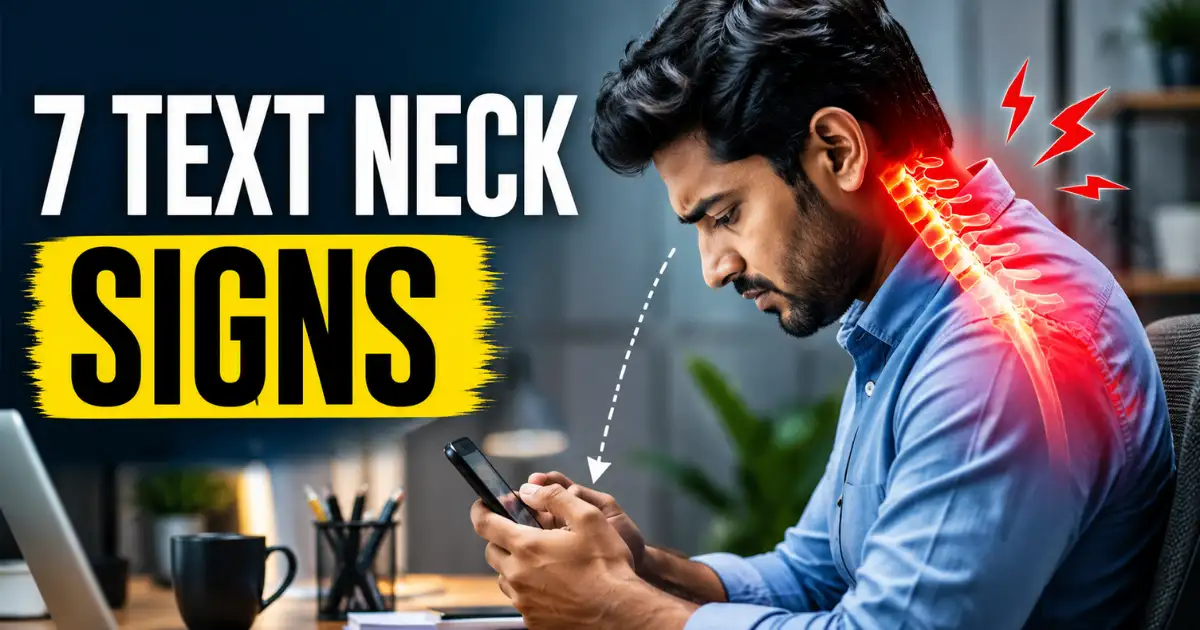
🚨 7 Warning Signs of Text Neck Syndrome
- Persistent neck stiffness
- Pain radiating into the shoulders
- Frequent headaches
- Upper back discomfort
- Reduced neck mobility
- Tingling or numbness in the arms
- Poor posture becoming habitual
Causes of Text Neck Syndrome
Text Neck Syndrome is primarily caused by the prolonged use of smartphones, tablets, and other handheld devices.
Here are some key Factors responsible to its development:
- Screen Usage: People spend hours each day on their devices, whether for work, social media, or entertainment, leading to extended periods of poor neck posture.
- Increased Screen Dependency: The prevalence of remote work and online learning has further increased screen time, exacerbating the issue.
- Ergonomics: Many individuals do not pay attention to ergonomics while using handheld devices, leading to unnatural neck and shoulder positions.
- Repetitive Movements: Continuously looking down at screens and typing on devices can strain the neck and upper back muscles.
👨⚕️ Clinical Insight from Dr. Shabbir Hussain
In my physiotherapy practice, I frequently see students, office workers, and professionals experiencing neck pain, headaches, and shoulder stiffness due to prolonged smartphone and computer use. Many are unaware that poor posture is the primary contributor to their symptoms.
Many are unaware that poor posture is the primary contributor to their symptoms. Learning how to correct forward head posture early can help reduce strain on the cervical spine.
How Smartphones Affect Your Cervical Spine
Looking down at a smartphone for prolonged periods increases the load placed on the cervical spine. Over time, this added stress can contribute to muscle fatigue, joint stiffness, poor posture, and chronic neck pain.
Prevention and Management
Preventing Text Neck Syndrome and managing its symptoms are essential for maintaining long-term neck health.
Here are some tips to help you avoid or alleviate this condition:
- Maintain Good Posture: Be mindful of your posture, keeping your head in a neutral position whenever possible. Raise your device to eye level to reduce the strain on your neck.
- Take Breaks: Incorporate regular breaks during screen time to stretch your neck and shoulder muscles.
- Ergonomics: Invest in ergonomic accessories such as phone stands and laptop stands to maintain a more natural neck position.
- Exercise: Strengthen your neck and upper back muscles through exercises like chin tucks, neck stretches, and yoga.
- Limit Screen Time: Reduce unnecessary screen time, and consider implementing screen time limits for yourself and your children.
- Consult a Professional: If you experience persistent pain or discomfort, consult a healthcare professional or physical therapist for evaluation and treatment options.
✅ Quick Text Neck Prevention Checklist
- Keep your phone at eye level
- Take posture breaks every 30 minutes
- Perform daily neck stretches
- Strengthen upper back muscles
- Avoid prolonged screen sessions
- Maintain an ergonomic workstation
Treatment Options
For those already experiencing Text Neck Syndrome, various treatment options are available, depending on the severity of the condition:
- Physical Therapy: A physical therapist can provide exercises and techniques to strengthen muscles and improve posture.
- Pain Management: Over-the-counter pain relievers or prescription medications may be recommended for pain management.
- Heat and Ice Therapy: Alternating between heat and ice applications can help alleviate pain and reduce inflammation.
- Chiropractic Care: Chiropractic adjustments can realign the spine and alleviate pain associated with Text Neck.
- Lifestyle Changes: Adopting healthier screen habits and posture practices can be a crucial part of recovery.
🏥 When Should You See a Physiotherapist?
Seek professional evaluation if your neck pain lasts longer than two weeks, radiates into your arm, causes numbness or tingling, interferes with sleep, or limits your ability to perform daily activities.
Conclusion
If you regularly experience neck pain, stiffness, headaches, or shoulder discomfort after using your smartphone, don’t ignore the warning signs.
Early posture correction, targeted exercises, and physiotherapy guidance can help prevent long-term cervical spine problems and keep you pain-free.
Frequently Asked Questions
Can Text Neck Syndrome be reversed?
Yes. Most cases improve with posture correction, exercise, reduced screen time, and physiotherapy-guided rehabilitation.
How many hours of phone use can cause Text Neck?
Risk increases when individuals spend several hours daily looking down at smartphones, tablets, or laptops without taking breaks.
Is Text Neck common in teenagers?
Yes. Teenagers and young adults are increasingly affected because of prolonged smartphone, gaming, and social media use.
Can physiotherapy help Text Neck Syndrome?
Physiotherapy can improve posture, reduce pain, strengthen supporting muscles, and help prevent recurrence.

Dr. Shabbir Hussain, BPT
Registered Physiotherapist | Clinical Rehabilitation Specialist
Maharashtra OTPT Council Reg. No.: PR-2021/08/PT/009532
Society of Onco Physiotherapists Reg. No.: SOP/00033/LM
Dr. Shabbir Hussain, BPT, Registered Physiotherapist with over 8 years of experience in physiotherapy, kidney rehabilitation, oncological rehabilitation, and lymphedema management. He specializes in balance disorders, pain management, musculoskeletal rehabilitation, strengthening programs, and VR-based rehabilitation.