

Swine Flu: What Looks Like a Simple Fever Can Sometimes Become Serious
H1N1 influenza, commonly known as swine flu, is drawing renewed attention in parts of India after a sharp rise in reported cases. In Delhi alone, 1,449 H1N1 cases were reported by August 12, 2026, compared with 229 cases during the corresponding period last year, while Karnataka has also reported more than 4,000 cases so far this year.
These increases do not mean that every fever or cough is swine flu—but they are a reminder that flu-like symptoms should not always be dismissed, especially when symptoms are worsening or the person is at higher risk of complications.
A fever, body pain and cough are easy to dismiss. Many people in India take a painkiller, drink kadha or tea, and continue going to work, college or the gym.
That is one of the biggest mistakes.
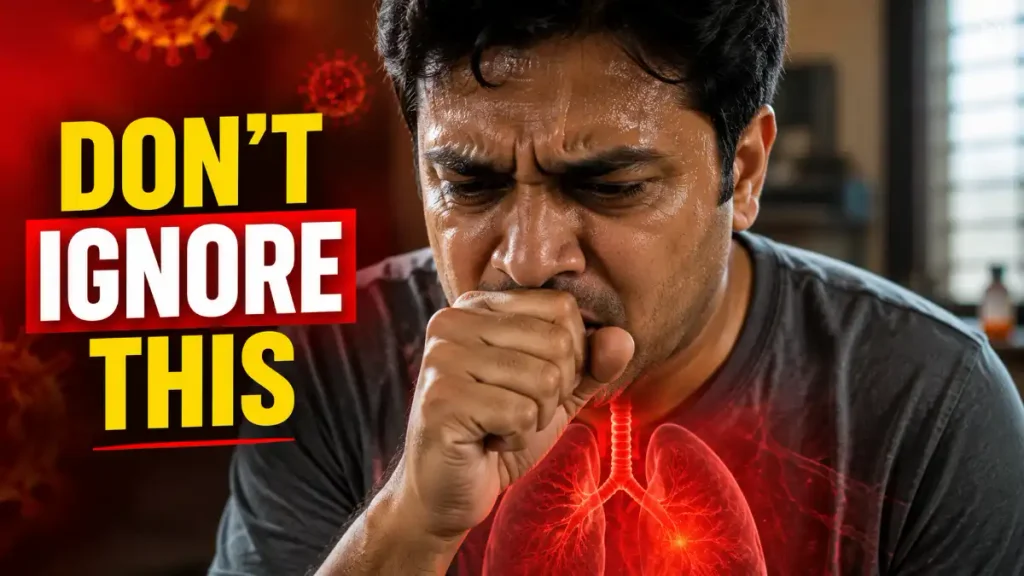
Swine flu—commonly associated with influenza A(H1N1)—can initially resemble an ordinary viral illness. Most people recover, but some patients can deteriorate and develop serious respiratory complications, especially if they are pregnant, elderly, very young or living with chronic medical conditions. As a rehabilitation clinician and medical health writer, I believe the most important message is simple: do not judge the seriousness of influenza only by the first day’s symptoms.
Why This Matters Now
Influenza activity can change across seasons and regions. If respiratory infections are increasing in your area, knowing the difference between routine flu symptoms and warning signs can help people at higher risk seek medical care without unnecessary delay.
Why Swine Flu Is Getting Attention Again in India
As of August 2026, H1N1 influenza activity has drawn renewed attention in several parts of India. Delhi recorded a sharp increase in H1N1 cases, with 1,449 cases reported by August 12, 2026, compared with 229 cases during the corresponding period last year, according to reporting based on National Centre for Disease Control (NCDC) data. Source: The Indian Express.
The situation also prompted increased monitoring at the national level. On August 21, 2026, Union Health Minister J. P. Nadda reviewed the country’s H1N1 influenza situation and preparedness, including national surveillance, epidemiological trends, influenza-like illness (ILI), severe acute respiratory infection (SARI), laboratory surveillance and healthcare preparedness. The government said influenza trends were being closely monitored. Source: News On AIR / Akashvani.
Karnataka has also reported a substantial H1N1 burden in 2026. As of August 22, reports indicated that the state had recorded more than 4,000 H1N1 cases during the year, with Bengaluru accounting for more than half of the reported cases. Source: The Times of India.
These regional increases do not necessarily mean that every part of India is experiencing the same level of influenza activity. However, they underline why flu-like symptoms should not always be dismissed without considering individual risk factors, local disease activity and warning signs.
Data note: Influenza surveillance figures can change as new cases are reported and surveillance data are updated. The case figures above reflect the information available from the cited reports on their respective publication dates.
⚡ Quick Summary
Main Risk: Swine flu can lead to serious breathing complications, particularly in high-risk individuals.
Key Symptom: Sudden fever with cough, body aches, severe fatigue and sore throat.
Best Solution: Early medical assessment for severe or high-risk cases and timely antiviral treatment when prescribed.
Prevention Tip: Annual influenza vaccination, respiratory hygiene and staying home when sick can reduce spread.
What Is Swine Flu?
Swine flu is the common name historically used for illness caused by certain influenza A viruses, particularly influenza A(H1N1)pdm09. The virus caused the 2009 influenza pandemic and subsequently became one of the influenza viruses that can circulate seasonally in humans.
Why This Problem Is Becoming More Noticeable
Crowded commuting, poorly ventilated offices, packed classrooms and returning to work while sick can increase opportunities for respiratory virus transmission.
Hidden Dangers Most People Don’t Realize
The biggest danger is not that every person with swine flu will become critically ill. Most will not.
The danger is failing to recognize the smaller group who develop complications. Influenza can cause or contribute to pneumonia, worsen chronic respiratory or cardiovascular disease and, in severe cases, lead to serious systemic illness. Recovery can also leave some people temporarily weak, fatigued and physically deconditioned.
Common Mistakes People Make
One common mistake is self-medicating with antibiotics. Antibiotics do not treat influenza viruses unless a clinician identifies a separate bacterial infection requiring them. Unnecessary antibiotic use can cause side effects and contribute to antimicrobial resistance.
Another mistake is continuing normal activities despite significant fever and cough. This can expose family members, colleagues and fellow commuters.
People also sometimes follow social-media advice promising a “guaranteed H1N1 cure.” Home remedies may provide comfort, but they should not replace medical assessment when breathing symptoms, worsening illness or high-risk conditions are present.
Recent Research
One important fact is that influenza is not limited to winter everywhere. In tropical and subtropical regions, influenza can circulate throughout the year with irregular periods of increased activity. That matters for India because people may wrongly assume that flu is only a cold-weather illness.
Another important finding from global surveillance is that influenza viruses continue to evolve, which is one reason vaccine composition is reviewed and updated regularly. WHO’s surveillance system monitors circulating strains and informs vaccine recommendations.
Recent clinical guidance also continues to emphasize early antiviral treatment for people who are hospitalized, severely ill or at increased risk of complications. Antiviral medicines work best when started early, although treatment may still be beneficial later in severe cases.
Causes and Risk Factors
The direct cause is infection with an influenza virus. Transmission risk rises when people are in close contact with someone who is infected.
Some individuals have a greater risk of serious complications. These include young children, adults aged 65 years and older, pregnant women and people with certain chronic medical conditions or weakened immune systems.
Lifestyle factors do not cause H1N1 directly, but poor sleep, delayed healthcare, crowded exposure and continuing normal activities while ill can complicate real-world management.
Early Warning Signs
Early symptoms may include sudden fever, dry cough, sore throat, headache, muscle aches, fatigue and a runny or blocked nose.
As illness progresses, some people may experience worsening weakness, persistent fever or increasing respiratory symptoms.
🚨 Don’t Ignore These Signs
Seek urgent medical attention for significant difficulty breathing, severe or persistent chest symptoms, confusion, inability to stay adequately hydrated, bluish discoloration, marked deterioration or other severe symptoms. Children with fast or difficult breathing, persistent concerning symptoms or seizures also require urgent assessment.
Diagnosis
A doctor usually considers symptoms, examination findings, local influenza activity and individual risk factors. Laboratory testing may be used when confirmation will influence clinical decisions.
Molecular testing can identify influenza infection more accurately than relying on symptoms alone, but not every person with uncomplicated flu requires extensive testing.
Physiotherapy Assessment
Physiotherapy is not used to diagnose H1N1 infection. However, after severe respiratory illness or hospitalization, physiotherapists may assess mobility, exercise tolerance, breathing mechanics, muscle weakness and functional independence as part of rehabilitation.
Treatment & Physiotherapy Management
Most otherwise healthy people with uncomplicated influenza recover with rest, adequate fluids and appropriate symptom management.
Prescription antiviral medication may be recommended for people who are severely ill, hospitalized or at increased risk of complications. These medicines should be prescribed according to clinical assessment. Antivirals work best when started early.
Physiotherapy has a supportive role when illness or hospitalization causes weakness, reduced mobility or difficulty returning to normal physical activity. Depending on the patient’s condition, rehabilitation may include gradual mobilization, breathing exercises when clinically appropriate, range-of-motion work and progressive strengthening.
⚠️ Dr. Shabbir’s Clinical Insight
Many people wait for the fever to become extremely high before taking their illness seriously. In practice, I pay close attention to a different question: Is the person’s breathing, strength, hydration or ability to perform normal activities getting worse? A worsening overall condition deserves medical attention.
Myth vs Fact
| Myth | Fact |
|---|---|
| Swine flu spreads from eating properly cooked pork. | Human H1N1 influenza is primarily spread through respiratory transmission between people. |
| Antibiotics cure swine flu. | Antibiotics do not treat influenza viruses. |
| Every H1N1 infection is life-threatening. | Most people recover, but complications can occur, especially in high-risk groups. |
| If symptoms are mild initially, there is never a risk of worsening. | Symptoms and clinical condition can change; worsening breathing or serious illness needs medical attention. |
| The flu vaccine gives you the flu. | Influenza vaccines do not cause influenza illness. |
Illustrative Scenario
This hypothetical example is provided for educational purposes and does not describe an identifiable patient.
A 34-year-old IT professional continued working from home despite fever, severe body aches and cough. He assumed that because he was young, he would recover automatically. Over the next few days, his breathing symptoms and weakness worsened, and he finally sought medical care.
After appropriate treatment and recovery, he was physically deconditioned and found climbing stairs unusually tiring.
The lesson is not that every young person with flu needs hospitalization. The lesson is that age alone does not mean you should ignore worsening symptoms.
Expert Clinical Insights
From a rehabilitation perspective, prolonged illness or hospitalization can leave some patients with weakness, reduced exercise tolerance and difficulty returning to normal activities.
But infections do not affect every person in the same way.
One surprising pattern is how often people focus only on the thermometer. Clinically, I often observe that functional changes can be equally important: Can the person walk normally? Are they becoming unusually breathless? Are they drinking enough fluids? Are symptoms improving or clearly worsening?
Prevention Strategy
The most effective prevention strategy is not one single home remedy.
Annual seasonal influenza vaccination is an important preventive measure, particularly for groups at higher risk of severe illness. WHO identifies vaccination as the best way to prevent influenza and recommends annual vaccination because circulating viruses change and immunity declines over time.
Other practical measures include regular hand hygiene, covering coughs and sneezes, avoiding close contact when sick and staying home when unwell whenever possible. Better ventilation and responsible behavior in crowded workplaces and classrooms can also help reduce transmission.
When to See a Doctor Immediately
Seek urgent medical help if there is:
- Significant difficulty breathing or rapidly worsening shortness of breath
- Severe chest symptoms
- Confusion, extreme drowsiness or altered mental status
- Signs of severe dehydration or inability to maintain fluids
- Rapid clinical deterioration
- Severe illness in a young child, pregnant person, older adult or person with significant chronic disease
Conclusion
Swine flu should neither be ignored nor feared unnecessarily.
Most people recover, but the right approach is to watch the illness carefully, recognize high-risk situations and act early when symptoms become severe or progressively worse.
If you develop fever and cough, rest, hydrate, reduce contact with others and monitor how you feel. If you are in a high-risk group—or your breathing, hydration or overall condition is worsening—seek medical advice promptly.
The goal is not panic. The goal is timely action.
✅ Key Takeaways
- Swine flu usually causes fever, cough, body aches and severe fatigue.
- Most people recover, but high-risk individuals can develop serious complications.
- Antibiotics do not treat influenza viruses unless a separate bacterial infection is diagnosed.
- Prescription antivirals may be important for severe or high-risk cases, especially when started early.
- Do not ignore worsening breathlessness, severe weakness or rapid deterioration.
- Annual influenza vaccination and respiratory hygiene are important preventive measures.
FAQs
1. What are the first symptoms of swine flu?
Common symptoms include sudden fever, cough, sore throat, headache, body aches, fatigue and sometimes a runny nose.
2. Is swine flu contagious?
Yes. Influenza viruses can spread from person to person, particularly through respiratory secretions and close contact.
3. How long does swine flu last?
Many people improve within about a week, although cough and tiredness may last longer. Recovery varies between individuals.
4. Can antibiotics cure swine flu?
No. Swine flu is caused by an influenza virus, and antibiotics do not treat viruses.
5. Who is at high risk of complications?
Young children, older adults, pregnant women and people with certain chronic illnesses or weakened immune systems are among groups at higher risk.
6. Is there a vaccine for H1N1?
Seasonal influenza vaccines are updated to protect against relevant circulating influenza strains. Ask a qualified healthcare professional about the appropriate vaccine available in your location.
⚕️ Medical Disclaimer
This article is intended for general educational and public health awareness purposes only. It is not a substitute for professional medical diagnosis, consultation or treatment.
Swine flu and other respiratory infections can vary in severity. Individual medical advice requires assessment by a qualified healthcare professional, particularly for pregnant individuals, young children, older adults and people with chronic medical conditions.
If you have severe, worsening or emergency symptoms, seek appropriate medical care promptly.
REFERENCES
- World Health Organization. (2025). Influenza (seasonal). WHO. WHO seasonal influenza fact sheet
- World Health Organization. (2026). How can I avoid getting the flu? WHO. WHO flu prevention guidance
- World Health Organization India. (n.d.). Influenza. WHO India. WHO India influenza information
- Centers for Disease Control and Prevention. (2026). Treating flu with antiviral drugs. CDC. CDC antiviral treatment guidance
- Centers for Disease Control and Prevention. (2025). Treatment of flu. CDC. CDC flu treatment overview
- The Indian Express. (2026, August 12). Delhi sees sharp rise in swine flu cases, with H1N1 cases reaching 1,449. Based on reporting using National Centre for Disease Control (NCDC) data. Source: The Indian Express
- News On AIR / Akashvani. (2026, August 21). J. P. Nadda reviews H1N1 influenza situation and preparedness in the country.Source: News On AIR / Akashvani
- The Times of India. (2026, August 22). Government reviews H1N1 situation as Karnataka cases cross 4,000.Source: The Times of India

Dr. Shabbir Hussain, BPT
Registered Physiotherapist | Clinical Rehabilitation Specialist
Maharashtra OTPT Council Reg. No.: PR-2021/08/PT/009532
Society of Onco Physiotherapists Reg. No.: SOP/00033/LM
Dr. Shabbir Hussain, BPT, Registered Physiotherapist with over 8 years of experience in physiotherapy, kidney rehabilitation, oncological rehabilitation, and lymphedema management. He specializes in balance disorders, pain management, musculoskeletal rehabilitation, strengthening programs, and VR-based rehabilitation.