
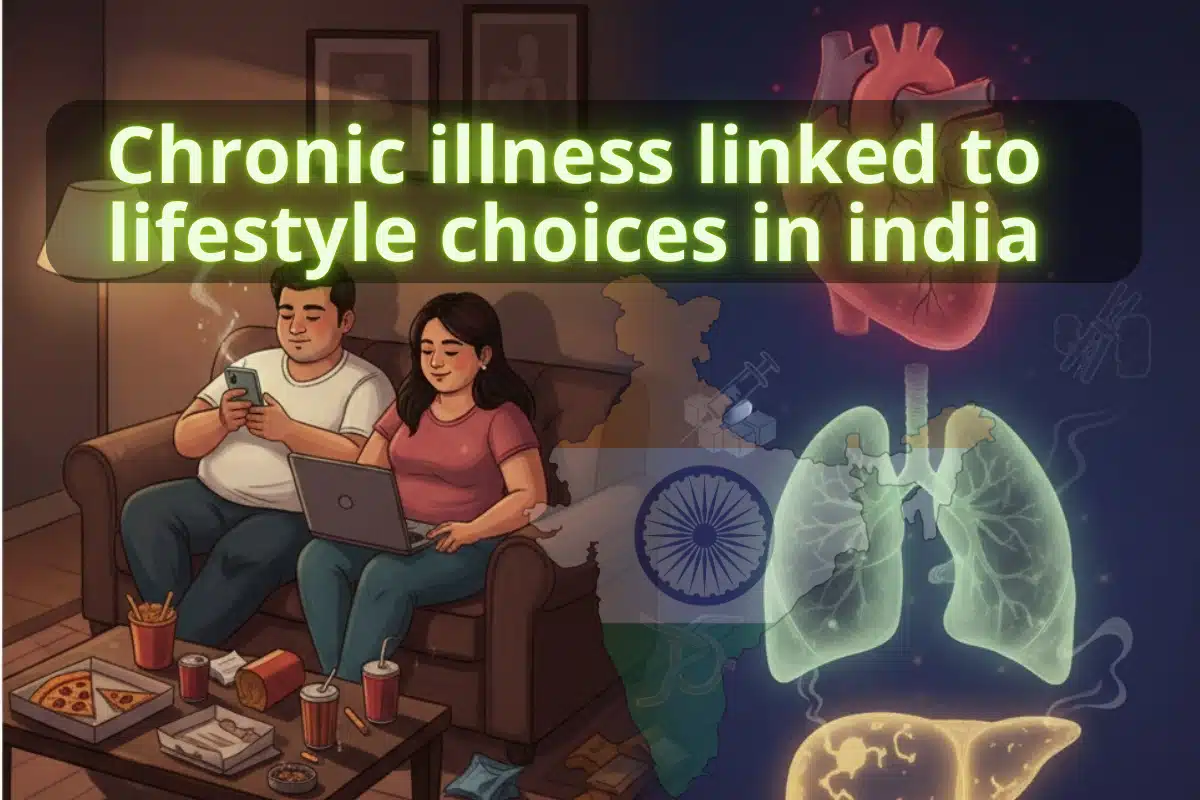
Chronic Illness Linked to Lifestyle Choices in India
The prevalence of chronic illnesses in India has been on the rise, and research suggests that lifestyle choices play a significant role in this trend. As the country continues to urbanize, dietary habits and physical activity levels are changing, contributing to an increase in health issues.

The connection between daily habits and long-term health outcomes is becoming increasingly evident. Factors such as diet, exercise, and stress management are crucial in determining an individual’s risk of developing chronic conditions like diabetes and heart disease.
Key Takeaways – Chronic Illness Linked to Lifestyle Choices in India
- Increasing urbanization in India is linked to changing lifestyle habits.
- Diet and physical activity are key factors in the development of chronic illnesses.
- Awareness of healthy lifestyle choices can help mitigate health risks.
- Chronic illnesses such as diabetes and heart disease are on the rise.
- Managing stress is crucial for overall health.
The Rising Tide of Chronic Diseases in India
The burden of chronic diseases is increasingly becoming a major public health concern in India. Chronic illnesses are long-term conditions that often require ongoing medical attention and can significantly impact an individual’s quality of life.
Current Statistics and Trends
India is experiencing a rapid increase in chronic diseases, with significant rises in diabetes, cardiovascular diseases, cancer, and respiratory conditions.
Diabetes and Cardiovascular Disease Rates
Diabetes prevalence in India has seen a sharp increase, with estimates suggesting that over 70 million adults are living with the condition. Cardiovascular diseases are also a major concern, accounting for a significant proportion of mortality rates.
Cancer and Respiratory Conditions
Cancer cases are on the rise, with lung, breast, and cervical cancers being among the most common. Respiratory conditions, exacerbated by air pollution, are also a growing health issue.
Economic and Social Impact
The economic and social impacts of chronic diseases are profound, affecting not just individuals but also the broader economy.
Healthcare Costs and Burden
The cost of managing chronic diseases is substantial, placing a significant burden on healthcare systems and families. Out-of-pocket expenses for chronic disease management can lead to financial hardship.
Effect on Productivity and Quality of Life
Chronic diseases can lead to reduced productivity and a diminished quality of life. Individuals with chronic conditions often require ongoing care and may need to make significant lifestyle adjustments.
How Lifestyle Choices Are Driving Chronic Illness In India
India’s rapid modernization has led to a significant shift in lifestyle choices, contributing to the rising prevalence of chronic illnesses. This transformation is multifaceted, involving changes in dietary habits, physical activity levels, and other lifestyle factors.
The Shift from Traditional to Modern Lifestyles
The shift from traditional to modern lifestyles in India is a complex phenomenon with deep historical roots. Understanding this shift is crucial to addressing the rising burden of chronic diseases.
Historical Perspective on Indian Lifestyles
Traditionally, Indian lifestyles were characterized by high levels of physical activity and a diet rich in whole foods. However, with the advent of modernization, there has been a significant shift towards more sedentary lifestyles and the adoption of Western dietary patterns.
Westernization and Its Health Implications
The influence of Western lifestyles on Indian culture has been profound, leading to changes in dietary habits and physical activity levels. This Westernization has contributed to an increased consumption of processed foods and a decrease in physical activity, both of which are risk factors for chronic diseases.
Urbanization and Its Health Consequences
Urbanization is another key driver of chronic illnesses in India. As people move from rural to urban areas, they are exposed to new environmental factors and lifestyle choices that can have significant health implications.
Population Migration Patterns
India is experiencing rapid urbanization, with millions of people migrating from rural areas to cities in search of better economic opportunities. This migration is often accompanied by changes in lifestyle, including dietary habits and physical activity levels.
Environmental Factors in Urban Settings
Urban environments in India are often characterized by high levels of air pollution, noise pollution, and other environmental stressors. These factors can contribute to chronic stress and other health problems.
| Lifestyle Factor | Traditional Lifestyle | Modern Lifestyle |
|---|---|---|
| Diet | Rich in whole foods, low in processed foods | High in processed foods, sugar, and unhealthy fats |
| Physical Activity | High levels of physical activity | Sedentary lifestyle |
| Environmental Exposure | Lower exposure to air and noise pollution | High exposure to air and noise pollution |
Dietary Changes and Their Impact on Health
The dietary landscape in India is undergoing a significant transformation, impacting the health of its population. Traditional diets, once the cornerstone of Indian cuisine, are being replaced by more modern, processed foods.
The Decline of Traditional Indian Diets
Traditional Indian diets are rich in nutrients and fiber, thanks to their emphasis on whole grains, legumes, and vegetables. These diets have been associated with numerous health benefits, including lower rates of chronic diseases.
Nutritional Value of Traditional Foods
Traditional Indian foods are not only flavorful but also packed with nutrients. For example, dal (lentils) is a great source of protein, while ragi (finger millet) is rich in calcium and fiber.
Regional Dietary Patterns and Their Erosion
India’s diverse regions have their unique dietary patterns, shaped by local ingredients and cultural practices. However, the influence of globalization and urbanization is leading to the erosion of these traditional dietary patterns, replaced by a more homogenized, processed food culture.
Processed Foods and Fast Food Culture
The rise of processed and fast foods is a significant factor in India’s dietary changes. These foods are often high in unhealthy fats, salt, and sugar, contributing to a range of health problems.
Marketing Influences on Food Choices
Marketing plays a crucial role in shaping food preferences, especially among children and young adults. The aggressive marketing of processed and fast foods has contributed to their popularity.
Hidden Ingredients and Their Health Effects
Many processed foods contain hidden ingredients that can have detrimental health effects. For instance, trans fats can increase the risk of heart disease, while excessive sodium can lead to hypertension.
Sugar Consumption and Diabetes
The consumption of sugar has become a significant public health concern in India, closely linked to the rising incidence of diabetes.
The Sweet Tooth Epidemic
India is experiencing a “sweet tooth” epidemic, with increasing consumption of sugary foods and beverages. This trend is particularly concerning among children.
Beverages and Added Sugars
Sugary beverages, including soft drinks and sweetened teas or coffees, are major contributors to added sugar intake. Reducing the consumption of these beverages is crucial for preventing diabetes and other health issues.
By understanding the impact of dietary changes on health, Indians can make informed choices to maintain a balanced diet and prevent chronic diseases.
Physical Inactivity: A Growing Concern
Physical inactivity has emerged as a significant health concern in India, contributing to various chronic diseases. The shift towards more sedentary lifestyles is evident in various aspects of daily life, from work environments to leisure activities.
Sedentary Work Environments
The modern workplace in India, especially in the IT sector, has become increasingly sedentary. Desk jobs have replaced physical activity with screen time, leading to a decline in overall physical health.
The IT Sector and Desk Jobs
The IT sector, a significant contributor to India’s economy, is characterized by long hours spent at desks, often with little opportunity for physical movement.
Occupational Health Challenges
This sedentary work culture poses significant occupational health challenges, including back pain, eye strain, and increased risk of chronic diseases like diabetes and cardiovascular disease.

Decline in Active Transportation
There’s been a notable decline in active transportation methods such as walking or cycling in India. This shift is largely due to increased vehicle ownership and changes in commuting habits.
Vehicle Ownership and Commuting Habits
Rising incomes have led to increased vehicle ownership, making commuting easier but less physically active. This change in commuting habits contributes to reduced physical activity levels.
Infrastructure Barriers to Physical Activity
Urban infrastructure often discourages physical activity due to lack of safe pedestrian paths and cycling lanes, further reducing the inclination to engage in active transportation.
Screen Time and Its Health Implications
Increased screen time for both work and leisure is another factor contributing to physical inactivity. This trend is driven by digital entertainment and changing smartphone usage patterns.
Digital Entertainment and Leisure Activities
The proliferation of digital entertainment options has led to a significant increase in screen time, as people spend more hours watching videos, playing games, or browsing social media.
Smartphone Usage Patterns
Smartphones have become ubiquitous, with many Indians spending several hours a day on their devices, further contributing to a sedentary lifestyle.
Stress and Mental Health Factors
Stress and mental health issues are becoming pivotal factors in the rising prevalence of chronic illnesses across India. The fast-paced lifestyle, coupled with societal expectations, has led to increased stress levels among the population.
Work-Life Balance in Modern India
The shift towards modern lifestyles has significantly impacted work-life balance. Corporate culture and expectations often demand long working hours, leaving little time for personal and family responsibilities.
Corporate Culture and Expectations
The pressure to meet professional targets can lead to chronic stress, affecting mental health. Companies are beginning to recognize the importance of employee well-being, but there’s a long way to go.
Time Management Challenges
Effective time management is crucial for balancing work and personal life. However, many individuals struggle with prioritizing tasks and managing their time efficiently, exacerbating stress.
Social Pressures and Chronic Stress
Social pressures, including family dynamics and responsibilities, play a significant role in mental health. The expectation to fulfill family obligations can be overwhelming.
Family Dynamics and Responsibilities
In Indian society, family is a significant source of support, but it can also be a source of stress. Managing family expectations and responsibilities is a delicate balance.
Financial Stressors
Financial stress is another critical factor. The pressure to secure a stable financial future can lead to anxiety and stress, impacting mental health.
Connection Between Mental Health and Physical Illness
There’s a well-established link between mental health and physical health. Psychosomatic conditions are a testament to how mental stress can manifest as physical illnesses.
Psychosomatic Conditions
Conditions like hypertension and diabetes have been linked to stress and mental health. Managing mental well-being is crucial for preventing and managing these conditions.
Stress-Related Hormonal Imbalances
Chronic stress can lead to hormonal imbalances, affecting overall health. The impact on the endocrine system can have far-reaching consequences on physical health.
In conclusion, stress and mental health factors are intricately linked with chronic illnesses in India. Addressing these issues requires a multi-faceted approach that includes improving work-life balance, managing social pressures, and recognizing the connection between mental and physical health.
Tobacco and Alcohol Consumption Patterns
India’s struggle with tobacco and alcohol consumption is a complex issue, intertwined with cultural, social, and economic factors. The use of these substances has significant health implications, contributing to the burden of chronic diseases.
Smoking Trends Across Demographics
Smoking is a widespread habit in India, affecting various demographics differently. The prevalence of smoking varies across age groups, gender, and socioeconomic status.
Youth Initiation and Marketing Tactics
The initiation of smoking among youth is a concerning trend. Aggressive marketing tactics by tobacco companies have been identified as a significant factor contributing to this trend.
Alternative Tobacco Products (Gutka, Bidi)
Apart from conventional cigarettes, alternative tobacco products like gutka and bidi are popular in India. These products are often perceived as safer alternatives but are equally harmful.
Alcohol Use and Associated Health Risks
Alcohol consumption is another significant public health issue in India. The health risks associated with alcohol use are substantial, ranging from liver disease to increased risk of certain cancers.
Changing Patterns in Urban Areas
Urban areas are witnessing a change in alcohol consumption patterns, with an increase in drinking among younger populations and women.
Gender Differences in Consumption
There are notable gender differences in alcohol consumption in India, with men being more likely to drink than women. However, the gap is narrowing in urban areas.
Cultural and Social Factors Influencing Substance Use
Cultural and social factors play a crucial role in shaping tobacco and alcohol consumption patterns in India.
Peer Pressure and Social Norms
Peer pressure and social norms significantly influence the use of these substances, especially among young people.
Celebratory and Recreational Use
The use of alcohol and tobacco is often associated with celebratory and recreational contexts in India, making it a deeply ingrained part of social culture.
| Substance | Health Risks | Prevalence in India |
|---|---|---|
| Tobacco | Cancer, Heart Disease | High |
| Alcohol | Liver Disease, Cancers | Moderate to High |
Technology’s Dual Role in Health Outcomes
Technology plays a dual role in shaping our health, presenting both challenges and opportunities for improving lifestyle choices. On one hand, digital devices have become ubiquitous, influencing our behavior in various ways.
Digital Devices and Sedentary Behavior
The widespread use of digital devices such as smartphones, tablets, and computers has led to an increasingly sedentary lifestyle. Prolonged screen time is associated with a range of health issues.
Screen Addiction and Physical Consequences
Excessive screen time can lead to screen addiction, characterized by a compulsive need to check devices constantly. This behavior is linked to physical consequences such as eye strain, poor posture, and decreased physical activity.
Sleep Disruption from Device Use
The use of digital devices before bedtime can disrupt sleep patterns. The blue light emitted by screens interferes with the production of melatonin, the hormone responsible for regulating sleep.
Health Technologies as Solutions
Despite the challenges posed by digital devices, technology also offers innovative solutions for improving health outcomes. Various health technologies have emerged as valuable tools.
Fitness Apps and Wearables
Fitness apps and wearables have gained popularity as they enable individuals to track their physical activity, monitor health metrics, and set fitness goals. These technologies promote physical activity and encourage healthier lifestyles.
Telemedicine and Health Monitoring
Telemedicine has revolutionized healthcare by providing remote access to medical services. This technology is particularly beneficial for individuals in remote areas or those with mobility issues.
Social Media Influence on Health Behaviors
Social media platforms have a significant impact on health behaviors, influencing everything from dietary choices to exercise habits.
Body Image Issues and Mental Health
Exposure to idealized images on social media can lead to body image issues and negatively impact mental health. The constant comparison to others can result in decreased self-esteem and increased anxiety.
Health Information and Misinformation
Social media is a double-edged sword when it comes to health information. While it can be a valuable resource for health-related content, it also spreads misinformation, potentially harming public health.
In conclusion, technology’s dual role in health outcomes is complex, presenting both challenges and opportunities. By understanding these dynamics, we can harness technology to improve public health awareness and promote healthier lifestyle choices.
Preventive Strategies and Lifestyle Modifications
Adopting preventive strategies and making lifestyle modifications can significantly reduce the risk of chronic illnesses in India. By focusing on diet, physical activity, stress management, and regular health screenings, individuals can take proactive steps towards a healthier life.
Dietary Recommendations for Indians
A balanced diet is crucial in preventing chronic diseases. Indians can benefit from combining traditional dietary practices with modern nutritional insights.
Balancing Traditional and Modern Foods
Traditional Indian diets are rich in whole grains, legumes, and vegetables. Incorporating these elements with modern nutritional knowledge can help create a balanced diet.
- Include a variety of colorful vegetables in meals.
- Use whole grains like brown rice and whole wheat.
- Limit the intake of processed and fast foods.
Portion Control and Mindful Eating
Practicing portion control and mindful eating can help prevent overeating and improve digestion.
- Eat slowly and savor your food.
- Avoid distractions like TV while eating.
- Use smaller plates to control portion sizes.
Incorporating Physical Activity into Daily Life
Regular physical activity is essential for maintaining health and preventing chronic diseases.
Culturally Appropriate Exercise Options
Engaging in culturally appropriate exercises like yoga and traditional dance can make physical activity more enjoyable and sustainable.
Yoga, for instance, combines physical movement with mental relaxation techniques, making it an ideal exercise for overall wellbeing.
Family-Based Activity Programs
Involving family members in physical activities can enhance motivation and make exercise a fun, shared experience.
- Plan family outings that involve physical activity, like hiking or cycling.
- Encourage children to participate in sports.
Stress Management Techniques
Effective stress management is critical for both mental and physical health.
Yoga and Meditation Practices
Yoga and meditation are proven techniques for reducing stress and improving mental clarity.
Regular practice can lead to a significant reduction in stress levels and improved overall wellbeing.
Work-Life Balance Strategies
Achieving a balance between work and personal life is essential for managing stress.
- Set clear boundaries between work and personal time.
- Engage in hobbies and activities that bring joy and relaxation.
Regular Health Screenings
Regular health screenings are vital for early detection and prevention of chronic diseases.
Age-Appropriate Testing Recommendations
Different age groups have different health screening needs.
- Adults over 30 should undergo regular blood sugar and blood pressure checks.
- Older adults should be screened for osteoporosis and cardiovascular diseases.
Early Intervention Benefits
Early detection through regular screenings can lead to timely interventions, significantly improving health outcomes.
Early intervention can prevent the progression of chronic diseases, reducing the risk of complications.

Public Health Initiatives and Policy Responses
In response to the growing challenge of chronic diseases, India is adopting a multi-faceted approach through public health initiatives and policy responses. The government, non-governmental organizations (NGOs), and private sector entities are collaborating to implement effective strategies to prevent and manage chronic diseases.
Government Programs Addressing Chronic Diseases
The Indian government has launched several initiatives to combat chronic diseases. One of the key programs is the National Health Mission (NHM), which focuses on improving healthcare infrastructure and promoting preventive healthcare.
National Health Mission Initiatives
The NHM has implemented various initiatives, including:
- Strengthening healthcare infrastructure
- Promoting maternal and child health
- Implementing national health programs for diseases like diabetes and hypertension
State-Level Implementation Challenges
Despite the progress made by NHM, state-level implementation faces challenges such as inadequate funding, lack of trained healthcare professionals, and inefficient supply chain management.
Role of NGOs and Community Organizations
NGOs play a vital role in supporting government initiatives and implementing grassroots health education efforts. They work closely with local communities to promote healthy lifestyles and provide support to patients with chronic diseases.
Grassroots Health Education Efforts
NGOs conduct health education programs, workshops, and awareness campaigns to educate people about the risks of chronic diseases and the importance of preventive measures.
Public-Private Partnerships
Public-private partnerships enable NGOs to collaborate with private sector entities, leveraging resources and expertise to enhance the impact of their programs.
Workplace Wellness Programs
Workplace wellness programs are becoming increasingly popular in India, with companies recognizing the benefits of a healthy workforce. These programs aim to promote employee well-being, reduce absenteeism, and improve productivity.
Corporate Health Initiatives
Many companies are implementing health initiatives, such as fitness programs, stress management workshops, and health screenings, to promote employee health.
Economic Benefits of Employee Wellness
Investing in employee wellness programs can lead to significant economic benefits, including reduced healthcare costs, improved productivity, and reduced turnover rates.
| Initiative | Description | Benefits |
|---|---|---|
| National Health Mission | Improving healthcare infrastructure and promoting preventive healthcare | Better healthcare access, reduced mortality rates |
| Workplace Wellness Programs | Promoting employee well-being through fitness programs and health screenings | Improved productivity, reduced healthcare costs |
| NGO Health Education | Conducting health education programs and awareness campaigns | Increased public awareness, adoption of healthy lifestyles |
Educational Campaigns
Educational campaigns are crucial in promoting public health awareness and encouraging healthy behaviors. Schools and media play a significant role in disseminating health information to the public.
School-Based Health Programs
School-based health programs educate children about healthy lifestyles, nutrition, and the risks of chronic diseases, empowering them to make informed choices.
Media Campaigns and Their Effectiveness
Media campaigns can reach a wide audience, raising awareness about chronic diseases and promoting public health initiatives. Their effectiveness depends on the messaging, channels used, and audience engagement.
Conclusion: Building a Healthier Future for India
As India grapples with the rising tide of chronic illnesses, it is clear that lifestyle choices play a significant role in this health crisis. The shift towards modern lifestyles, dietary changes, physical inactivity, stress, and substance use have all contributed to the increasing burden of chronic diseases.
To build a healthier future, it is essential to adopt informed lifestyle choices and support public health initiatives. By promoting awareness about the risks associated with chronic illnesses and encouraging preventive strategies, we can mitigate this growing health concern.
Public health awareness campaigns, government programs, and community organizations are crucial in this endeavor. By working together, we can foster a culture that values healthy living and disease prevention, ultimately reducing the prevalence of chronic illnesses in India.
Through collective action and a commitment to healthier lifestyle choices, India can pave the way for a healthier future, improving the quality of life for its citizens and reducing the economic and social impact of chronic diseases.
FAQ
What are the most common chronic illnesses linked to lifestyle choices in India?
The most common chronic illnesses linked to lifestyle choices in India are diabetes, cardiovascular diseases, certain types of cancer, and respiratory conditions, all of which are significantly influenced by factors such as diet, physical activity, and substance use.
How are dietary changes contributing to the rise in chronic illnesses?
Dietary changes, including the shift from traditional diets to more processed and fast foods, have led to an increase in sugar consumption, unhealthy fats, and low intake of essential nutrients, all of which contribute to the development of chronic illnesses like diabetes and heart disease.
What role does physical inactivity play in chronic illnesses?
Physical inactivity is a significant risk factor for chronic illnesses, as it contributes to obesity, insulin resistance, and other metabolic problems. Sedentary work environments, reduced active transportation, and increased screen time are all factors that have led to a more sedentary lifestyle.
How does stress impact chronic illness, and what can be done to manage it?
Chronic stress can lead to a variety of health problems, including mental health issues like anxiety and depression, as well as physical conditions such as hypertension and cardiovascular disease. Stress management techniques like yoga, meditation, and maintaining a work-life balance can help mitigate these effects.
What public health initiatives are being implemented to address chronic diseases in India?
Various public health initiatives are being implemented, including government programs under the National Health Mission, efforts by NGOs and community organizations to promote health education, workplace wellness programs, and educational campaigns aimed at raising awareness about chronic diseases and promoting healthier lifestyles.
How can individuals make lifestyle changes to prevent chronic illnesses?
Individuals can make several lifestyle changes to prevent chronic illnesses, including adopting a balanced diet that incorporates traditional Indian foods, engaging in regular physical activity, managing stress through techniques like yoga and meditation, avoiding tobacco and excessive alcohol consumption, and undergoing regular health screenings.
What is the role of technology in both contributing to and preventing chronic illnesses?
Technology has a dual role; on one hand, increased screen time and sedentary behavior associated with digital devices can contribute to chronic illnesses. On the other hand, health technologies such as fitness apps, wearables, and telemedicine services can promote healthier behaviors and improve health outcomes.

Dr. Shabbir Hussain, BPT
Registered Physiotherapist | Clinical Rehabilitation Specialist
Maharashtra OTPT Council Reg. No.: PR-2021/08/PT/009532
Society of Onco Physiotherapists Reg. No.: SOP/00033/LM
Dr. Shabbir Hussain, BPT, Registered Physiotherapist with over 8 years of experience in physiotherapy, kidney rehabilitation, oncological rehabilitation, and lymphedema management. He specializes in balance disorders, pain management, musculoskeletal rehabilitation, strengthening programs, and VR-based rehabilitation.